
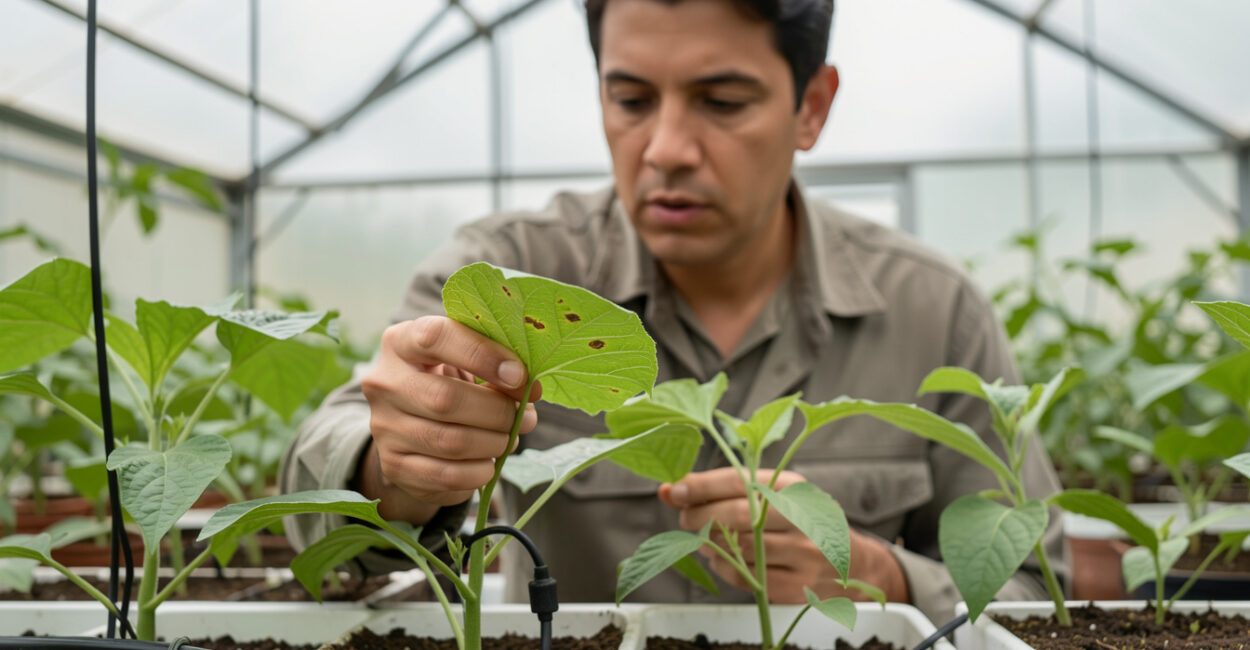
A small spot may be the first sign of a contagious problem, but it can also appear after overwatering or a cold night. Plant diseases are changes caused by agents such as fungi, bacteria, and viruses. To respond without making things worse, compare the symptoms with growing conditions and observe how they spread.
The safest approach is to start with a checkup: examine the leaves, stems, and roots; check water, light, and airflow; and, if there is a risk of spread or persistent uncertainty, seek a professional diagnosis. Similar symptoms can have different causes, so applying a product without knowing what you’re treating may be ineffective or harm the plant.

Quick facts
- Infectious agents: fungi, bacteria, viruses, and other pathogens.
- Common signs: spots, lesions, wilting, rot, and deformities.
- Similar problems: pests, environmental stress, and nutrient imbalances.
- First step: observe the pattern of symptoms and avoid spreading suspicious plant material.
- Confirmation: may require a professional assessment or lab testing.
What plant diseases are and why early identification matters
A plant disease is a persistent change in physiological processes caused by a pathogen interacting with a susceptible plant under favorable environmental conditions. In simple terms, an organism capable of causing harm finds the conditions it needs to establish itself and interfere with growth, appearance, or production. Early identification helps limit the loss of leaves, flowers, or fruit and reduces the chance of the problem spreading to nearby plants. In crops, the impact can affect yield and quality; at home, it can compromise an entire collection if tools, drainage water, or infected leaves spread the pathogen.
This concept does not cover every visible problem. Mites and insects are pests; nutrient deficiencies, sunburn, and waterlogging are noninfectious causes, although they can also weaken a plant.
How to identify a problem by observing symptoms and growing conditions
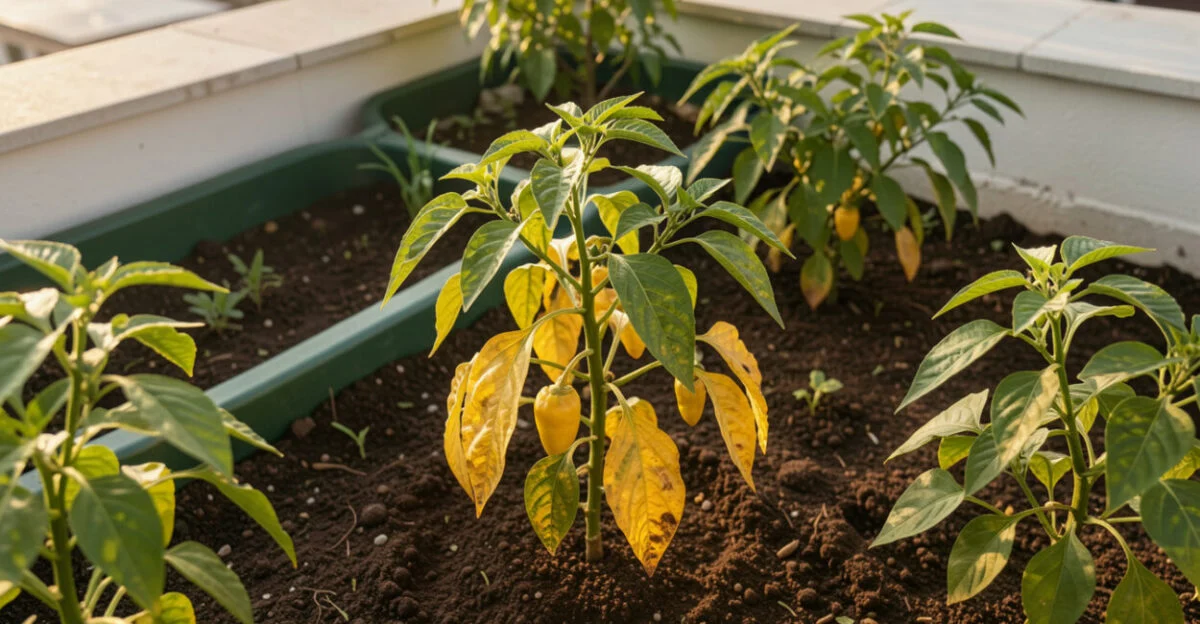
To figure out what might be wrong, note where the signs appear, how they develop, and what conditions the plant has experienced. Check both sides of the leaves, new growth, the base of the stem, and, if you can do so without causing damage, the roots. A single symptom does not confirm a diagnosis: spots and yellowing, for example, can have different causes.
The pattern is usually more informative than the appearance of a single leaf. Symptoms concentrated on older leaves may be related to nutrition or aging; a lesion spreading across nearby leaves, especially in a humid environment, suggests a different possibility. Neither clue alone is enough to confirm a diagnosis.
- Check the distribution: One plant or several? New leaves, old leaves, or all of them?
- Look for signs of pests: Insects, webbing, eggs, sticky residue, or small feeding marks.
- Review your care routine: Watering frequency, drainage, light, airflow, and recent changes.
- Track how symptoms develop: Photograph the same spots on different days and note when symptoms began.
A common mistake is to give a wilting plant more water without checking the potting mix. If the roots are already deprived of oxygen because of excess water, more watering can make the damage worse. Context matters: moist potting mix, a pot without drainage, and an unpleasant smell call for a different investigation than a dry, lightweight root ball.
For more on how soil and climate conditions affect plant care, see our guidance on sustainable agriculture and soil conservation.
Spots, wilting, and rot: clues to guide your initial assessment

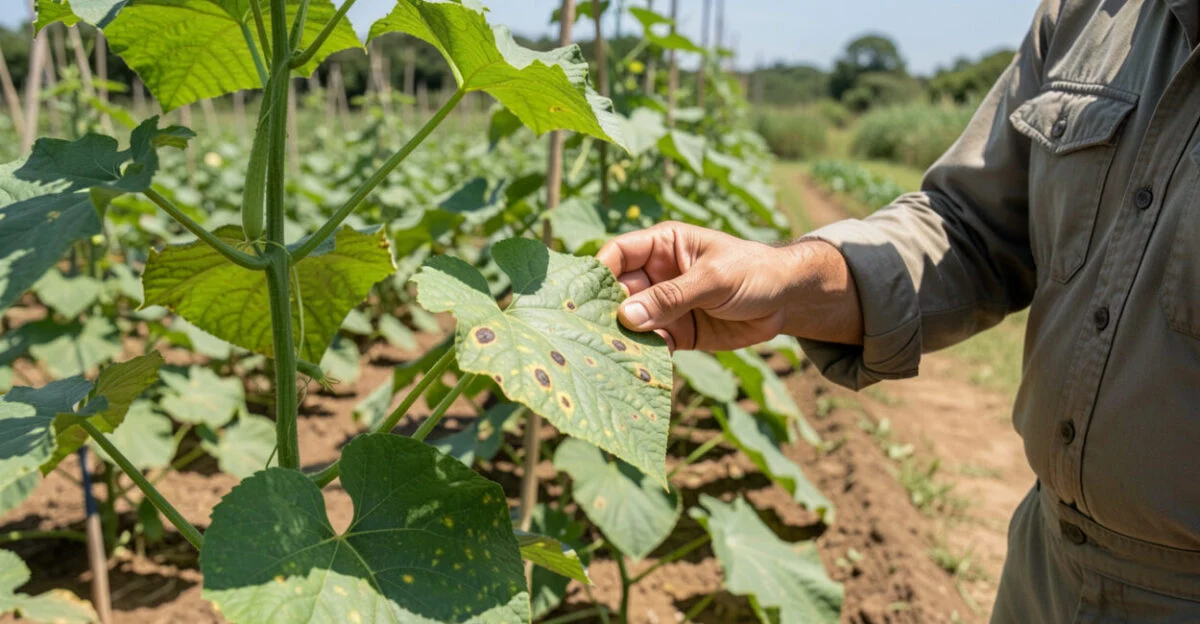
Symptoms of plant diseases are clues, not labels. Color, texture, location, and rate of spread can help narrow down the possibilities, but confirmation may depend on finding signs of the pathogen or on lab testing.
Leaf spots and lesions
Lesions with defined edges, dark spots, or halos can occur with fungal and bacterial diseases. Pale, dry marks can also appear after intense sun exposure or contact with products; note whether the damage is on the most exposed side or appears on leaves in different positions.
Powdery growth, coatings, and deformities
A powdery coating may suggest powdery mildew, while yellowed areas accompanied by grayish growth on the underside may be consistent with downy mildew. Wrinkling and color mosaics may raise suspicion of a viral disease, but mites, insects, and chemical damage can also deform leaves.
Read also: How to Use Leaf Analysis to Guide Plant Nutrition
Wilting, darkening, and rot
Wilting despite moist potting mix can occur when roots are compromised, including by pathogens; it can also result from heat or root damage. Darkened stems and soft tissue deserve attention, especially when deterioration progresses quickly.
The pattern of symptoms and growing conditions guide the initial assessment; the appearance of a single leaf rarely confirms the cause.
Read also: Pruning Fruit Trees: When to Prune and How to Get Started
Common plant diseases: examples and limits of visual identification
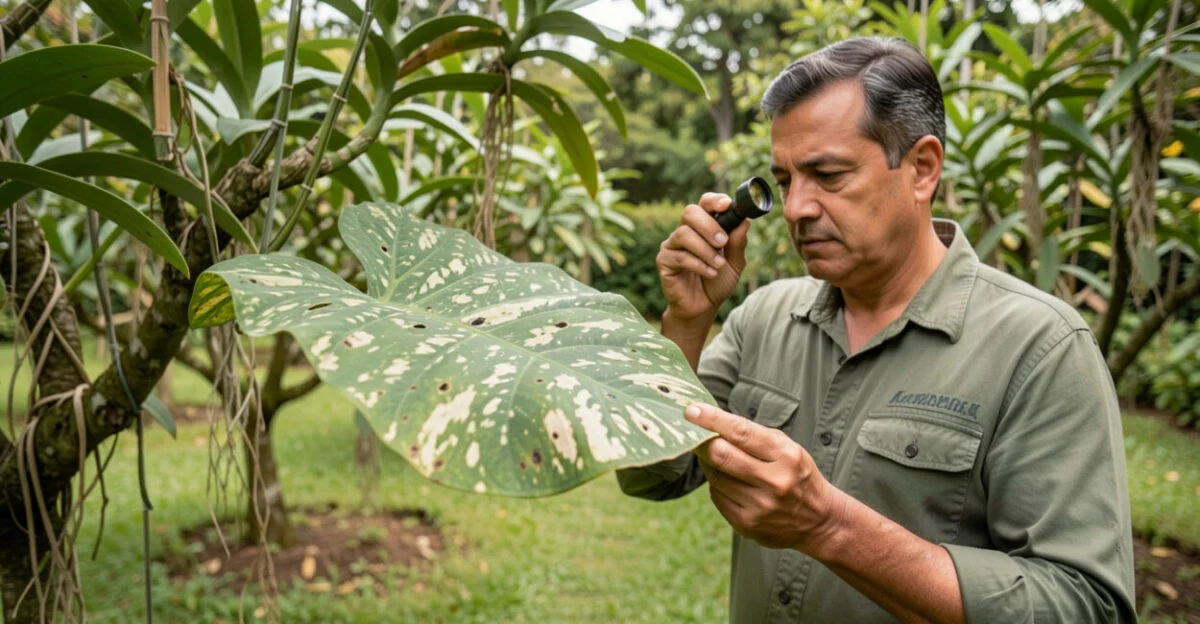
The examples below are groups found in a range of crops, not a universal ranking. Occurrence varies by species, region, and environment; names such as “leaf spot” can refer to diseases caused by different agents.
Disease or group Common signs Notes on confirmation Powdery mildew Whitish, powdery coating on leaves and shoots. It can look like residue; assess its distribution and how it develops. Downy mildew Yellow areas on the leaf and grayish or purplish growth on the underside in some species. Signs depend on the plant and environmental conditions. Rust Orange, brown, or dark pustules, often on the underside. Not every colored spot is rust; the host species matters. Anthracnose Dark, sunken lesions on leaves, branches, or fruit. Diagnosis may require distinguishing the disease from mechanical damage and other leaf spots. Bacterial leaf spots Water-soaked or dark lesions, sometimes with a halo and irregular spread. They can look very similar to fungal diseases. Viral diseases, such as mosaics Light and dark patterns, deformities, or reduced growth. Pests and nutrient deficiencies can produce similar signs. Root rots Dark, soft roots and reduced vigor above ground. Waterlogging and poor drainage can also damage roots.
The Instituto Biológico de São Paulo (São Paulo Biological Institute) publishes technical materials on plant health and diagnosis. The Instituto Biológico website is a starting point for finding institutional information; for management decisions, look for guidance specific to the affected crop.
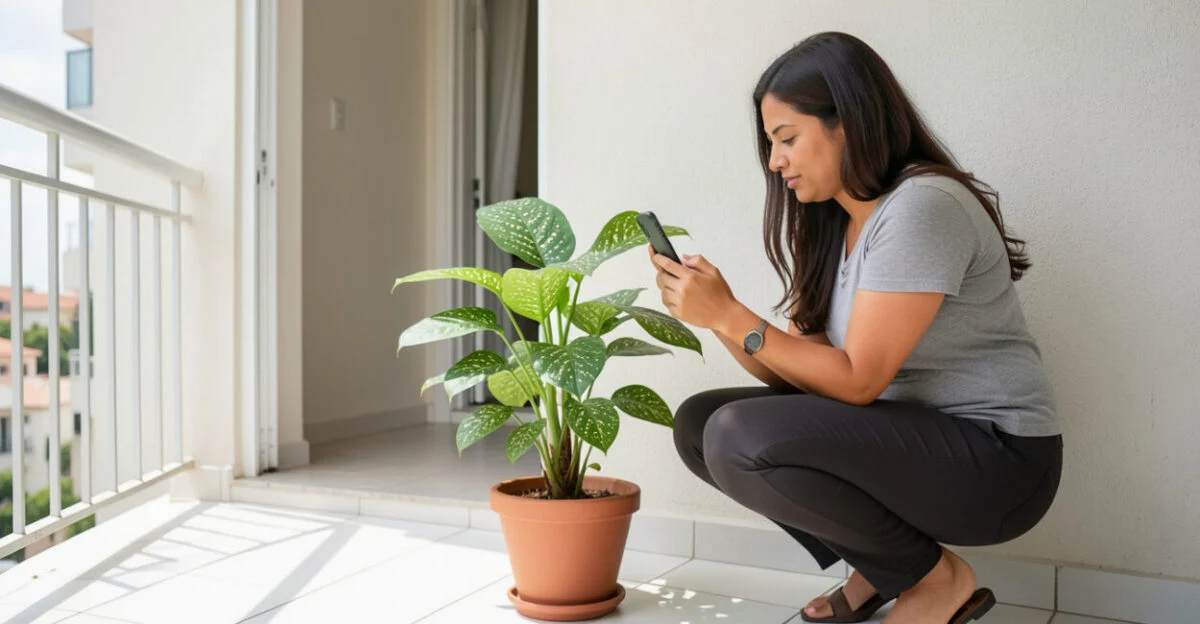
What to do when you notice a sick plant
First steps should reduce the risk of spread and preserve useful clues for diagnosis. If the plant is in a pot, move it away from other plants if doing so will not cause additional stress; avoid carrying wet leaves or shaking the plant near others.
- Record the signs. Photograph leaves and stems, note the date, and describe watering, location, and recent changes.
- Separate suspected material. Isolate the pot if possible, and do not reuse drainage water.
- Clean your tools. Remove debris and clean pruning shears before using them on another plant, following instructions appropriate for the material.
- Avoid spreading debris. Don’t leave suspect leaves on the potting mix or add them to home compost unless you know it is safe for the agent involved.
- Get an assessment if symptoms spread. Symptoms on several plants or rapid deterioration warrant professional advice.
Consider this common scenario: an indoor plant wilts and its lower leaves turn yellow after several days in waterlogged potting mix. Before blaming fungi, check whether the pot drains and examine the roots without pulling them out by force. Persistent moisture combined with damaged roots changes the priority: improving drainage and getting a diagnosis may be more useful than applying a product for leaf spots.
Don’t apply fungicide as a guess. A product is appropriate only when it is suited to the plant, the pathogen, and the place of use, and it must be used according to its label and applicable regulations. Brazil’s Ministry of Agriculture and Livestock (Ministério da Agricultura e Pecuária) provides guidance on pesticides and plant protection products.
Preventing plant diseases with water, hygiene, and monitoring
Prevention depends on reducing conditions that favor pathogens and avoiding the introduction of contaminated material. Water according to the species, climate, and drainage: routinely keeping potting mix waterlogged can suffocate roots, while repeatedly wetting foliage and providing little airflow can encourage some leaf problems. Choose seedlings with no suspicious signs on their leaves or stems, use clean containers, and dispose of diseased plant debris appropriately. In agricultural production, decisions also depend on the crop, the site’s history, and the management practices used; guidance from an agricultural technician may include field monitoring and advice.
Do brief, regular inspections, especially after wet periods or changes in growing conditions. Check new growth and the undersides of leaves: some signs start subtly there while the upper surface still looks healthy.
When to seek professional help or lab testing
Seek professional help when symptoms spread quickly, affect several plants, return after changes to your care routine, or affect a valuable crop. It is also a good idea to get an assessment if you suspect a viral disease, extensive rot, or a risk of spread to a production area. A professional can consider the species, symptoms, weather, and management history, and advise you on collecting samples. Lab testing is useful when visual identification cannot distinguish between pathogens that require different treatments. Don’t remove the entire plant before receiving instructions: poorly packaged samples or samples without context can make assessment more difficult.
When seeking help, bring clear photos, say when the problem began, and describe watering, fertilizing, and any products already used. For those working in the field, resources on agricultural technology for farm production can help explain monitoring tools, but they do not replace a diagnosis of the specific case.
Frequently asked questions
What are 10 common plant diseases?
There is no universal list of the 10 most common diseases; frequency varies by species and region. Examples found across different plants include powdery mildew, downy mildew, rust, anthracnose, bacterial leaf spots, viral mosaics, root rots, damping-off, canker, and pathogen-related wilts. Appearance alone does not confirm any of them.
Can a sick plant always recover?
No. Recovery depends on the cause, the extent of the damage, and the plant’s ability to produce healthy tissue; badly damaged roots or some viral diseases can limit the options.
How do you treat fungus on plants?
First, confirm that the problem is fungal and, when possible, identify the pathogen and affected plant. Improving airflow and watering practices and carefully removing damaged tissue may be part of management, but fungicides should be used only when indicated for that situation and according to the label.
Do yellow leaves mean a nutrient deficiency?
Not necessarily. Overwatering, damaged roots, unsuitable light, pests, and natural aging can also turn leaves yellow; the position of the affected leaves and the condition of the potting mix can help guide your investigation.
Should I cut off all the spotted leaves?
Not without assessing the extent of the damage. Removing leaves can reduce compromised plant material, but excessive pruning weakens the plant; use clean tools and avoid cutting healthy tissue unnecessarily.
Artigos Relacionados
 Soil Testing: The Step That Prevents Major Losses
 Literacy Difficulties and Early Intervention: How to Identify Them
 Hydroponics: How to Start Growing Without Soil
 How to Grow Strawberries: Climate, Plants, and Essential Care
 Grain Storage: How to Reduce Farm Losses
 Regional Medicinal Herbs: How to Grow and Sell Them
