
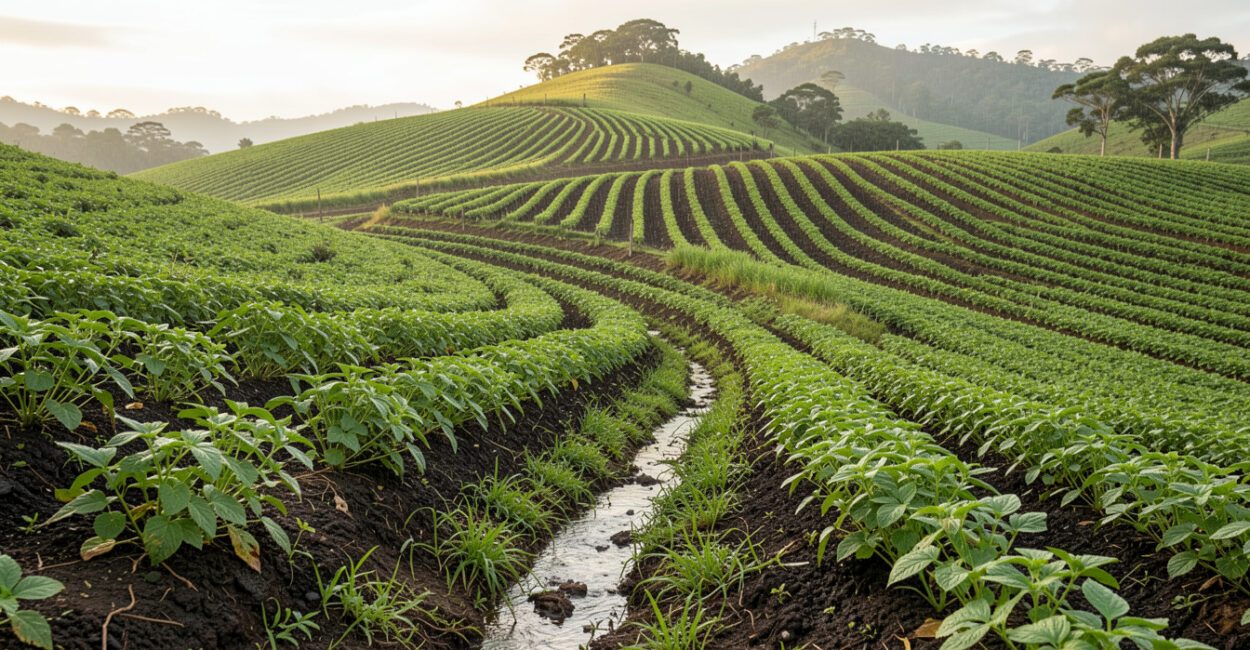
Soil conservation involves management practices that control erosion and maintain the physical, chemical, and biological properties needed for healthy soil. It helps reduce the loss of fertile topsoil, improves water infiltration, and supports productive activities. Below, the practices are presented in a practical sequence, from directly protecting the soil surface to measures that require technical planning.
These recommendations are general. Topography, soil type, climate, and land use all determine what works and how measures should be combined. The goal is to connect each practice with the problem it can help prevent, without suggesting that any single technique can address every form of land degradation.

1. Keep the soil covered
Vegetative cover protects the soil surface from the impact of raindrops and reduces the movement of soil particles by water and wind. Soil conservation means managing land to prevent degradation and preserve its functions. In simple terms, it means keeping fertile soil from washing away or losing quality.
That’s why crop residue, cover crops, and permanent vegetation are among the most direct ways to control erosion.
On farms, residue from the previous crop can be left on the ground, while cover crops protect the soil between growing seasons. On sloped land, preserving appropriate vegetation also reduces the amount of exposed soil. Roots help hold soil aggregates together, and decomposing plant material adds organic matter. A common mistake is removing crop residue before the rainy season or leaving bare strips where water can begin to collect. However, ground cover must be suited to the crop and local management practices. Sustainable agriculture and its management practices also connect soil protection with production planning.
2. Plant along contour lines
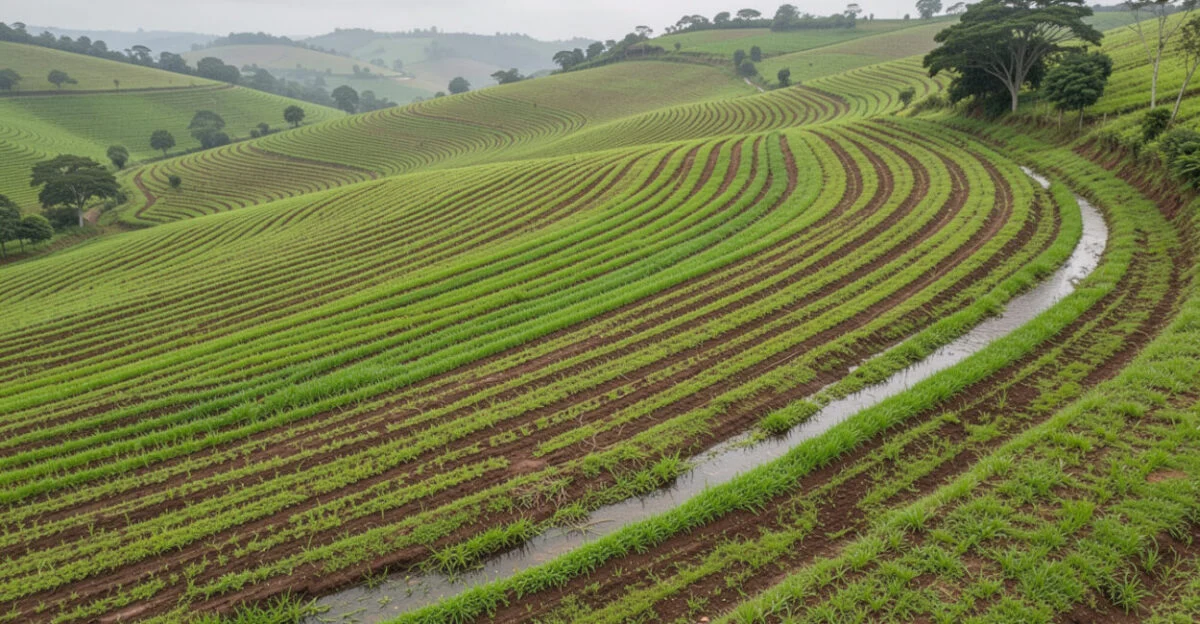
Contour planting follows lines of similar elevation rather than aligning rows downhill. This layout slows surface runoff and gives water more time to soak into the ground.
It’s useful on sloped land, provided the contour lines are marked correctly.
This method can be combined with vegetated strips or other runoff-control measures. If the lines are laid out without accounting for the shape of the land, water can collect in specific spots and form channels.
On larger properties or land with irregular topography, a professional can help determine the layout and how it should work with other structures.
3. Build terraces where appropriate

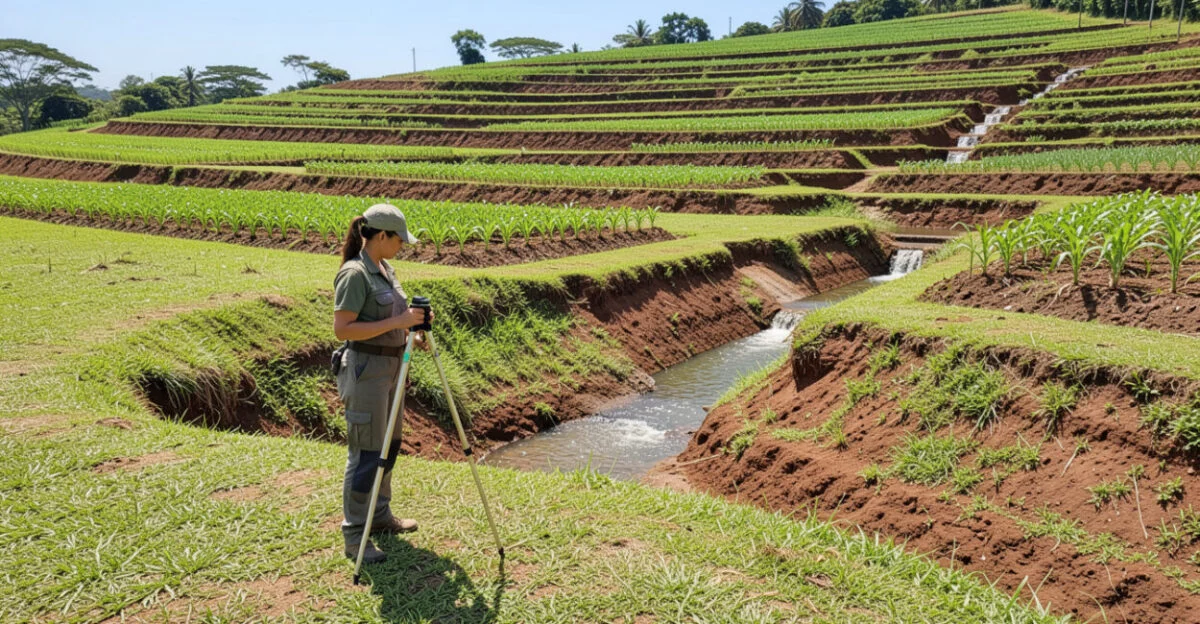
Terraces are structures built across a slope to intercept and channel or hold runoff, depending on the design. They can slow runoff and limit erosion on agricultural hillsides.
The type and spacing depend on factors such as slope, soil, rainfall, and cropping system.
A poorly designed or unmaintained terrace can concentrate water and fail, damaging the land and areas downhill. That’s why you shouldn’t copy a terrace design from another property without a site assessment.
Embrapa, Brazil’s agricultural research corporation, publishes guidance on soil and water management and conservation. These recommendations should be adapted to local conditions.
4. Rotate crops
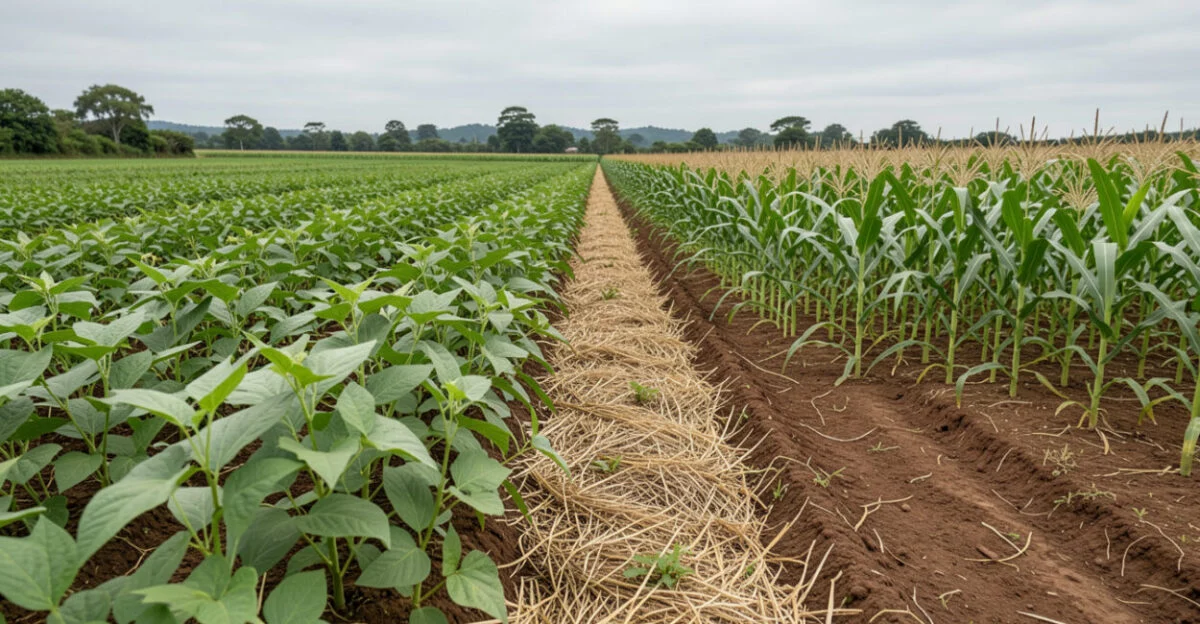
Crop rotation means growing different species over time instead of continuously planting the same crop in the same area. When well planned, it diversifies roots and plant residues, varies periods of soil cover, and can help manage pests and diseases.
For soil conservation, its value lies in keeping the land protected and supporting soil structure in ways that meet the needs of the system.
Crop selection should account for climate, the growing season, market conditions, and the characteristics of the land. A sequence that leaves soil exposed for long periods can increase erosion risk, even if it includes different crops.
Read also: Farm Supply Inventory Management: Best Practices
Understanding the land is part of planning: a soil test before choosing a management approach provides information to guide amendments and crop selection.
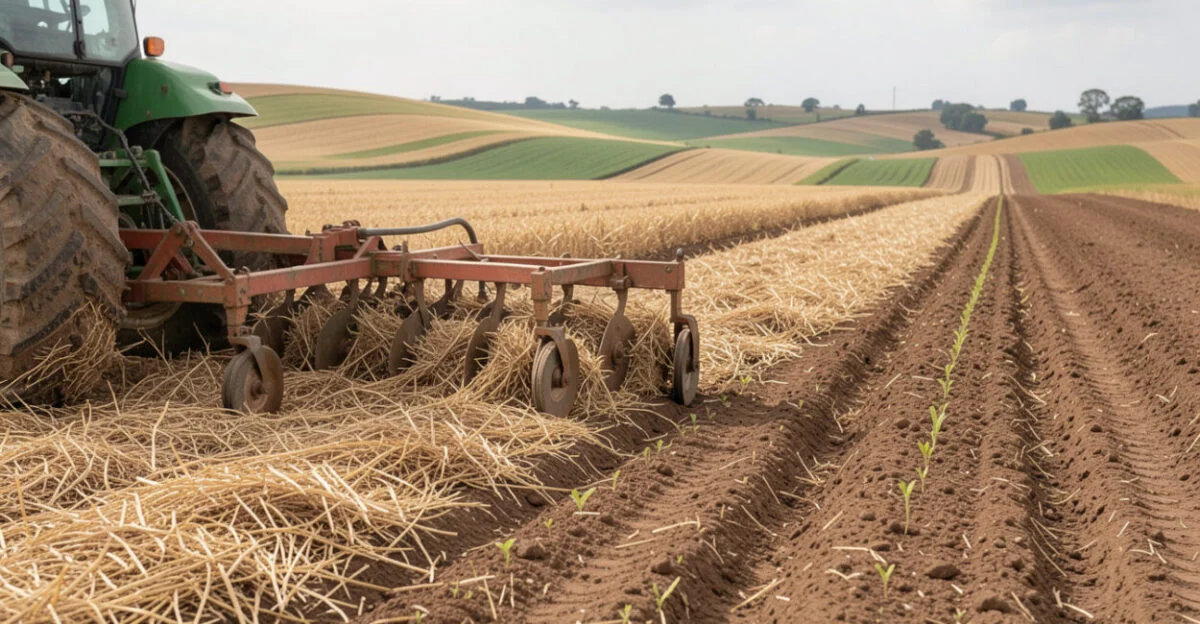
5. Use no-till with proper management
With no-till, crops are seeded without conventional tillage, while plant residue is kept on the surface and crop rotation is used as part of the system. Crop residue protects the soil, and reduced disturbance can help preserve its structure. This method is suited to agricultural systems that can maintain soil cover and manage crops according to a plan.
Read also: Growing Coffee: How to Plan a Farm and Care for the Plants
No-till means more than simply planting without plowing. Without crop rotation, adequate cover, and controlled machinery traffic, problems such as compaction and uneven residue distribution can develop. No-till also doesn’t eliminate the need for erosion-control measures in areas with concentrated runoff or steep slopes.
6. Manage machinery traffic and prevent compaction
Repeated traffic from heavy machinery, especially on wet soil, can compress pore spaces and make it harder for water to enter and roots to grow. Under some conditions, this compaction increases surface runoff and damages soil structure. Planning fixed routes for machinery and avoiding fieldwork when the soil is very wet can help reduce the problem.
If you suspect compaction, confirm its cause and depth before choosing a solution. Tilling without a diagnosis can increase costs and disrupt layers that didn’t need to be disturbed. Professionals, such as agricultural technicians, can help assess management practices and conditions on the property.
7. Protect sensitive areas and manage water
Springs, streambanks, and steep slopes need special attention. Maintaining appropriate vegetation in these areas helps reduce sediment transport and protect water. On farms and in urban areas, it’s also important to direct runoff without sending it over bare soil or concentrating it in vulnerable spots.
Measures vary according to applicable laws, land use, and local conditions. In urban areas, for example, impermeable surfaces increase the amount of water that runs off; permeable and vegetated areas can help water infiltrate when soil conditions and design allow. Soil and water management and conservation need to be considered together: protecting the land without considering where the water goes can shift the problem elsewhere.
How to choose practices for your land
Before applying a measure, observe where water flows, whether the soil is bare, and when signs of erosion appear. The table lists general options, not a one-size-fits-all plan for every property.
Condition or problem Possible practice Purpose Soil exposed to rain or wind Crop residue, cover crops, or permanent vegetation Reduce direct impact and the movement of soil particles Cultivated slope Contour planting Slow surface runoff Runoff on sloped agricultural land Terraces designed for the site Intercept and manage water according to the design Repeated planting of one crop and low diversity of plant residues Crop rotation Diversify roots and periods of soil cover Frequent machinery traffic Planned traffic routes and controlled field operations Reduce the risk of compaction Streambanks and springs Protect vegetation and manage land in accordance with applicable laws Contain sediment and protect water resources
Land use, vegetation, and conservation
Plants help maintain soil structure in several ways: roots occupy pores and help bind particles into aggregates; ground cover reduces the impact of rain; and decomposing plant residues add organic matter. With more protection at the surface, there is less bare ground for water to carry away. The effect depends on the species, management, and soil conditions.
There is no single classification of the “three types of land use”; it varies by context. For a simplified explanation, land use can be grouped into agriculture, livestock production, and forestry, with examples such as cropland, pasture, and tree plantations or vegetated areas. In practice, activities may overlap, and mapping and planning systems use more detailed categories, including urban and mixed uses.
It’s also important to distinguish soil conservation from a conservation unit. A conservation unit is a territorial area with significant natural features, established by the government and subject to specific goals and rules under Law No. 9,985/2000, which established Brazil’s National System of Conservation Units. Soil conservation, by contrast, refers to management practices that prevent degradation, including on agricultural and urban land.
In Brazil, National Soil Conservation Day is observed on April 15. The date draws attention to management and conservation practices, but measures should be chosen based on local conditions. The FAO outlines soil conservation principles focused on reducing erosion and managing land sustainably.
How to choose the right practice
Start by identifying the problem: rill erosion, exposed soil, compaction, loss of organic matter, or contaminated water each requires a different response. Then consider slope, soil texture and drainage, rainfall patterns, crops, and available machinery. General recommendations fall short when they ignore local factors; terraces, for example, must be designed and maintained to suit the land.
On rural land, management may combine ground cover, crop rotation, and runoff control. In urban areas, the priority may be containing sediment from construction sites and promoting infiltration where it is safe and appropriate. To learn more, searches for “soil conservation summary,” “soil conservation PDF,” or “soil management and conservation PDF” may turn up technical resources. Check the author, institution, and publication date.
Soil conservation depends on ongoing decisions, from land-use planning to maintaining the measures in place. National Soil Conservation Day, on April 15, brings greater visibility to the issue; throughout the rest of the year, good stewardship means watching for signs of degradation and adapting management to each site.
Frequently Asked Questions
What should we do to conserve soil?
Maintaining vegetative cover, reducing runoff, diversifying crops, and avoiding machinery traffic on wet soil are common measures. The right combination depends on the terrain, soil type, and land use.
Why is soil conservation important?
It helps prevent erosion and loss of fertility, protects water infiltration, and contributes to water quality. It also supports productive use of the land while respecting its limitations.
How can I tell whether my land needs terraces?
A slope, concentrated runoff, and signs of erosion may indicate that terraces should be considered. The decision and design depend on local data and require technical guidance; installing terraces without a plan can concentrate water and cause damage.
Is soil conservation the same as a conservation unit?
No. A conservation unit is a protected area established by the government, with rules and goals set by law. Soil conservation refers to practices intended to prevent land degradation.
Artigos Relacionados
 Morning Habits for Focus and Energy: 9 Proven Practices to Boost Concentration, Increase Energy, and Reduce Stress Before Work
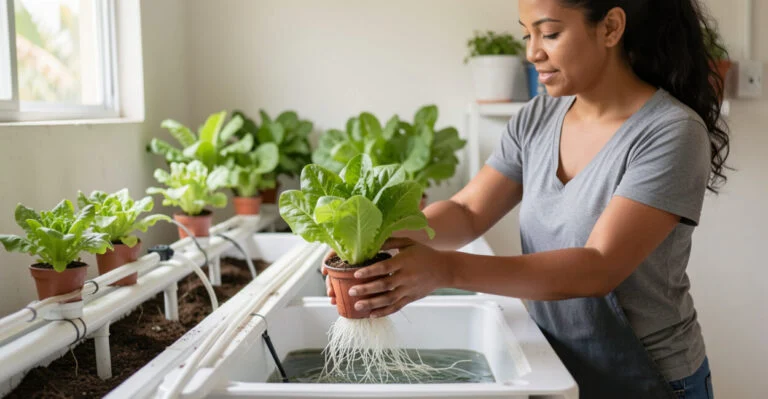 Hydroponics: How to Start Growing Without Soil
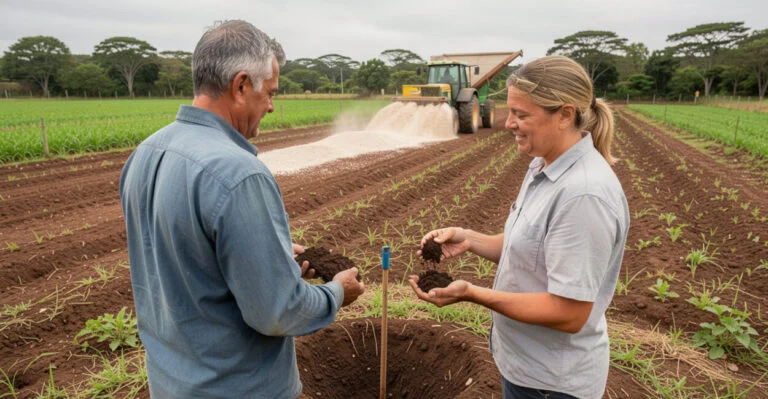 Soil Liming: When to Apply and How to Guide Application
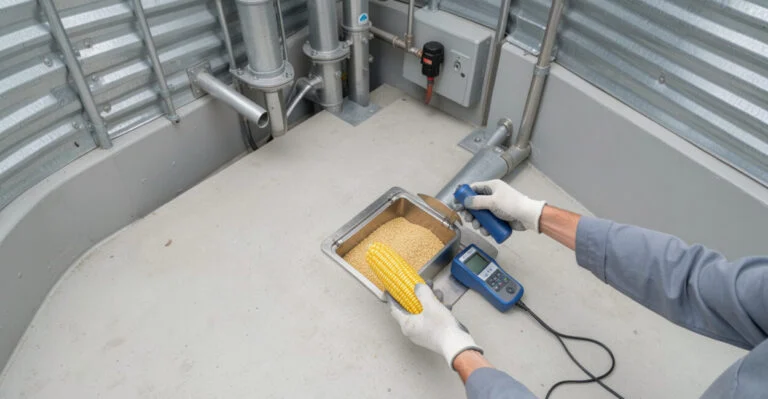 Grain Storage: How to Reduce Farm Losses
 Sustainable Cultivation: Practices That Boost Profits
 Soil and Pasture Management in Family-Based ILPF Systems
