To start raising bees on a farm, first choose the right approach and assess the flowers, water, and neighbors. Hives come later.
It’s easy to assume the first step is buying hives. But the decision that shapes the entire project is something else: whether to raise Apis mellifera through beekeeping or native stingless bees through stingless-bee keeping.

Available space, flowers throughout the year, and local rules help determine which approach makes sense. A large farm with little forage during part of the year may offer worse conditions than a smaller property with diverse plants and suitable shelter.
Beekeeping or stingless-bee keeping: which suits your farm?
To raise bees, choose between beekeeping, the practice of managing Apis mellifera colonies, and stingless-bee keeping, which involves raising native stingless bees. The first requires care around swarms that can sting; the second depends on species and techniques specific to each region.
Space, flowers, and local rules determine which approach makes sense.
Aspect Beekeeping Stingless-bee keeping Bees Apis mellifera, with stingers Native stingless species Management Requires protective gear and care around swarms Varies by species and the type of hive used Key consideration Safe location and neighbors Legal origin of colonies and environmental rules
“Native bee” doesn’t refer to just one type of bee operation: species differ in behavior, needs, and honey production. CONAMA Resolution No. 496/2020, issued by Brazil’s National Environment Council, governs the use and management of native stingless bees. Also consult technical resources from Embrapa, Brazil’s agricultural research corporation, to help guide your choice.
Before installing hives, assess flowers, water, and neighbors
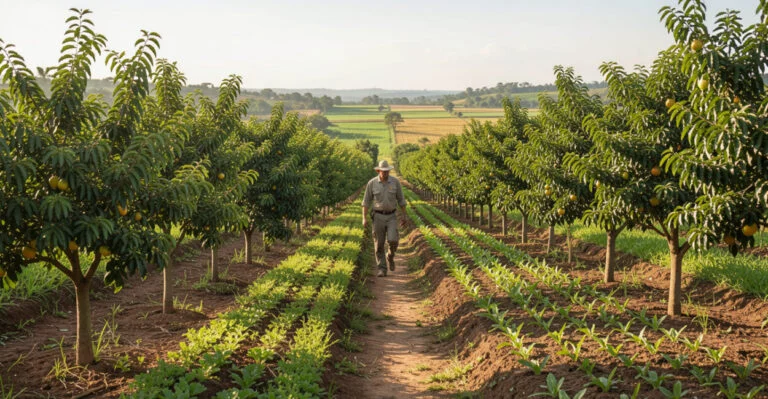
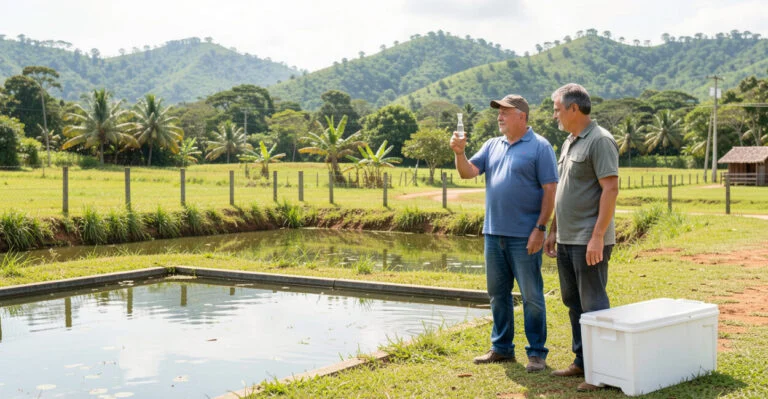
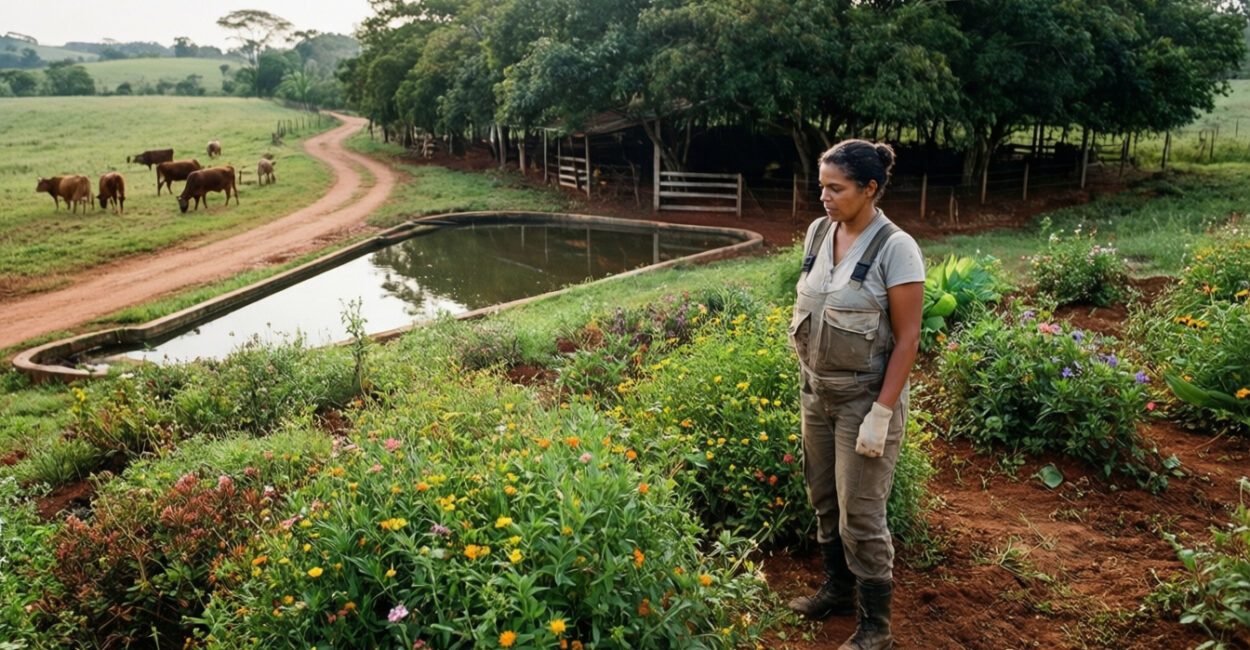
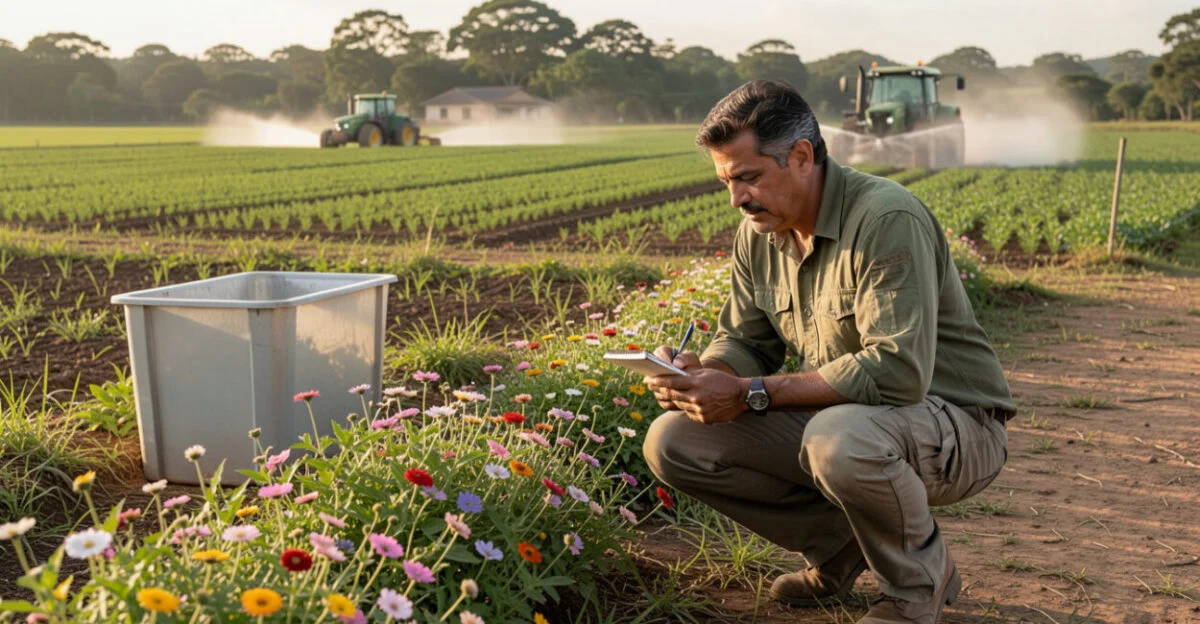
The site needs flowering plants for forage throughout the year, accessible water, and shelter, along with enough distance from busy areas. What works depends on the species and surroundings: look at crops, native vegetation, bloom periods, and possible applications of agricultural chemicals.
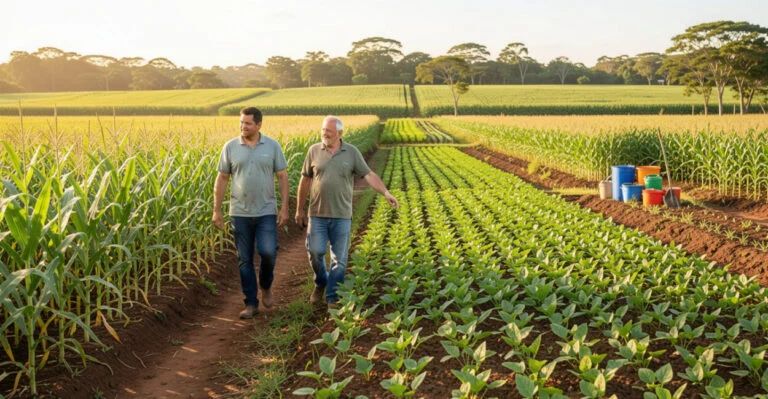
Imagine a property with plenty of blooms in spring but few flowers in the months that follow. The colony may face a shortage just when the beekeeper expects it to sustain itself. Mapping the flowering calendar and talking with neighbors about pesticide spraying can help you anticipate the problem.
A large farm, by itself, doesn’t guarantee enough forage or a safe environment for bees. To plan vegetation and land use, it may help to learn about pasture restoration strategies, without assuming that every pasture provides nectar.
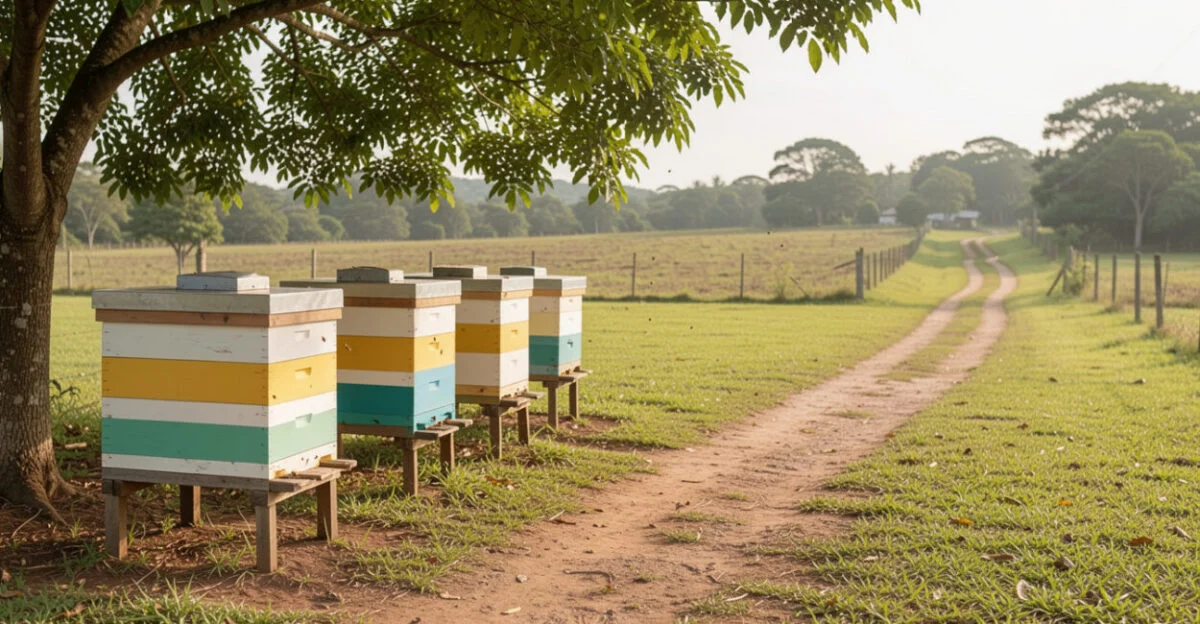
How to raise bees and prepare the installation site

Choose a spot protected from strong winds and direct rain, with shade suited to the species and room to inspect the hives. Don’t place hives near routes used by people, animals, or equipment. There’s no universal distance or orientation: consider the property’s conditions and local regulations.
Read also: Hydroponics: How to Start Growing Without Soil
Arrange the hives so that routine farm work can continue without disruption. A clear path, stable footing, and labeled hives help prevent trips and mix-ups during inspections. To consider how beekeeping fits into the broader range of farm activities, see also the first steps to beekeeping on a farm.
A well-positioned hive protects the bees and makes management safer for the people who live and work on the farm.
Read also: Efficient Irrigation: How to Plan Water Use on a Farm
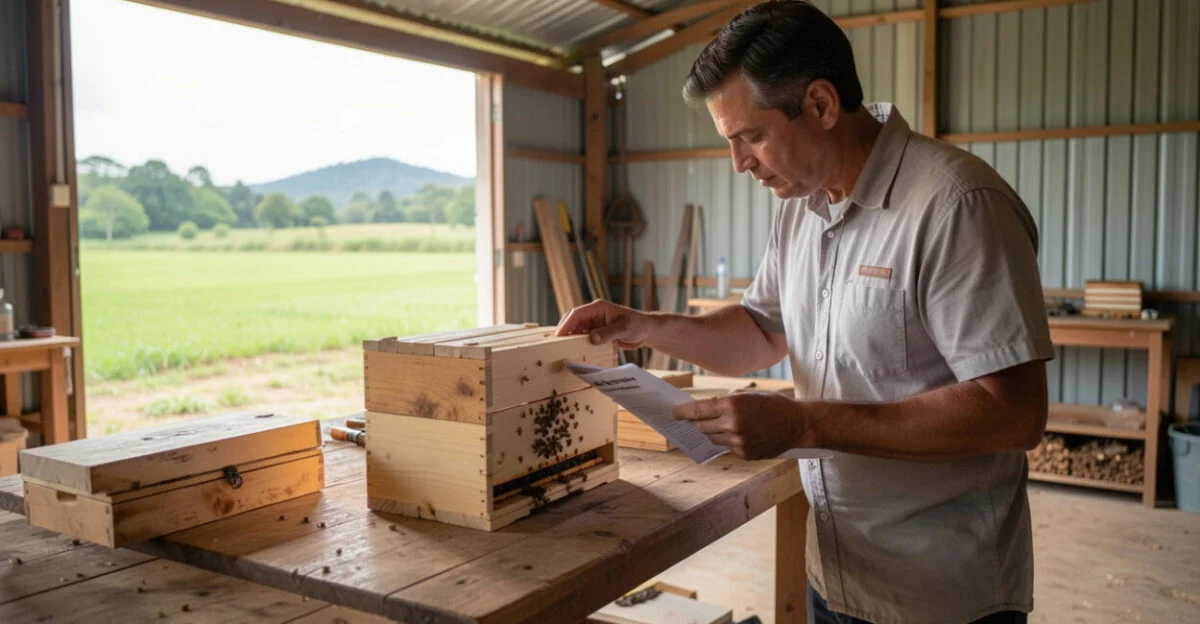
Equipment and swarms: what to get first
Before buying anything, confirm which species you’ll raise, whether the hive is suitable for it, and where the colony will come from. Avoid capturing or buying colonies from illegal sources. In stingless-bee keeping, pay particular attention to the colony’s origin and environmental requirements; CONAMA Resolution No. 496/2020 sets rules for native stingless bees.
- Choose the approach and species with guidance from a qualified expert.
- Check applicable environmental, health, and local regulations.
- Get suitable hives and protective equipment for handling the bees.
- Plan inspections and keep notes on each colony.
Brazil’s Ministry of Agriculture and Livestock (MAPA) provides guidance on the inspection of animal products. Requirements for bee products depend on the activity and how the products are sold; confirm which rules apply before selling.
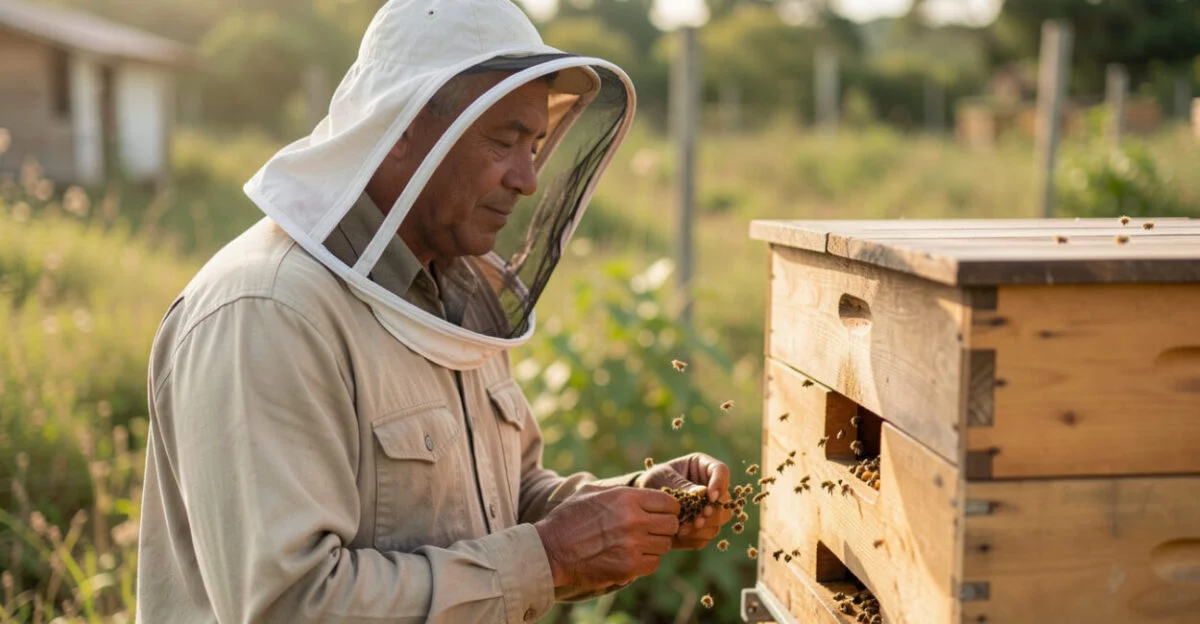
Management and health: observe without opening the hive unnecessarily
Regular monitoring helps you spot changes in bee activity, food shortages, and signs of pests or disease. Inspection frequency and methods vary by species, season, and colony condition. Opening hives unnecessarily or without knowing what to look for can disrupt management.
Common mistakes to avoid include:
- Inspecting without proper equipment or guidance.
- Ignoring periods with few blooms and signs of colony stress.
- Using hives and techniques without considering the species.
If you notice unusual bee deaths or suspect disease, seek technical assistance and describe what you observed. Embrapa offers reference materials, but general advice may not apply to every species or region.
Honey, pollination, and what beekeeping can—and can’t—do
Your goal may be to produce honey, support pollination, or conserve native species. Production depends on the bee species, region, blooms, and management; there’s no guaranteed yield. You also shouldn’t assume that installing hives will solve pollination problems on every property.
If you plan to sell honey or other products, check health and inspection requirements before setting up production. MAPA and the relevant inspection agencies can guide you through the process. To fit beekeeping into your farm routine, learn about the role of an agricultural technician and where to find support in the field.
Before you start, turn your curiosity into a plan
Make a list of the plants available, their bloom periods, water sources, and areas used by people and animals. Then consult a technical expert and confirm local environmental and health regulations. This review will help you choose the right bees and avoid buying hives that don’t suit the site.
A hive makes sense once the surrounding area is ready for it. Walk the property at different times of year: what blooms—and what doesn’t—could determine whether the project works.
Frequently asked questions
Which native bee produces the most honey?
There’s no universal winner. The northeastern uruçu bee (Melipona scutellaris) is known for honey production among native species, but results depend on the region, blooms, and management.
Is it legal to keep bees at home?
It may be possible, depending on the species and environmental, health, and local regulations. Check the requirements with the relevant authorities before installing hives.
What does it mean to have bees at home, and what is their biggest enemy?
Spiritual meanings come from cultural interpretations or beliefs, not proven facts. There’s also no single biggest enemy: depending on the species and region, threats may include mites, pests, and predators.