
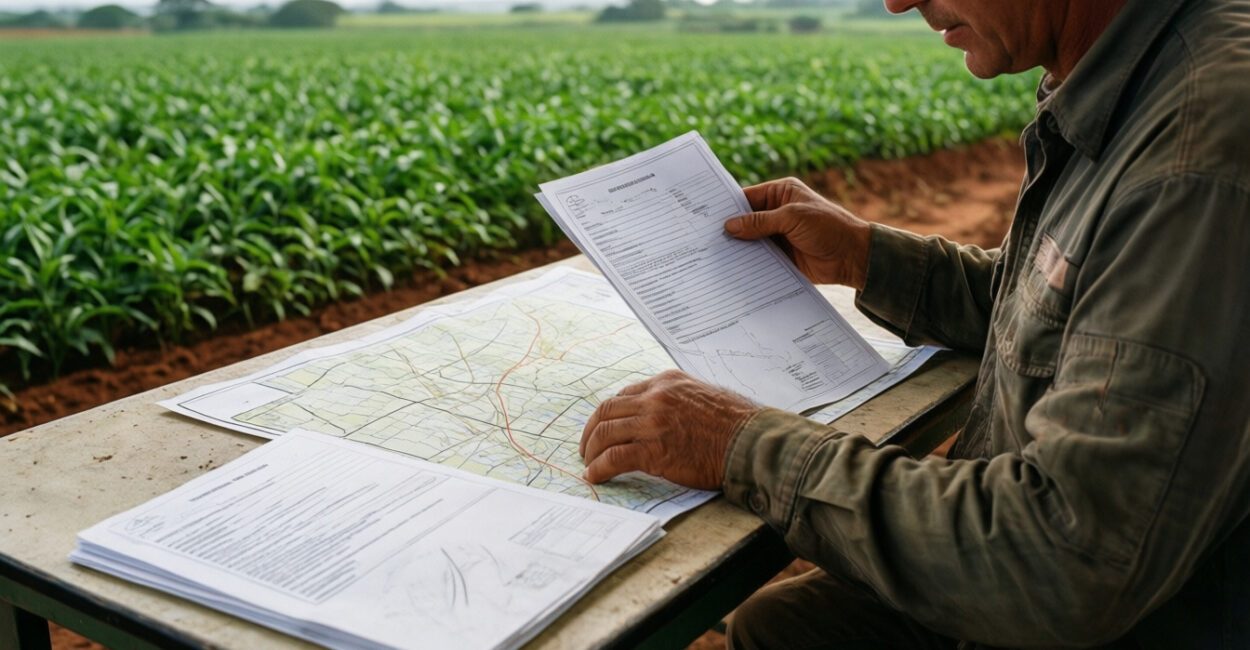
Choosing crop insurance means comparing more than just the price: coverage needs to match the crop, region, and growing season. The decision also depends on the deductible, payout limit, and exclusions. Below, a comparison of a more limited policy and a broader one can help you identify the right fit for each operation.
Limited or broad crop insurance coverage: which should you choose?
More limited coverage may suit a farmer who needs to protect a crop against a specific set of risks and is willing to cover losses outside that scope. A broader policy may make sense when it protects against significant threats to production, with a deductible and limit that fit the budget and insured value. These are comparative labels, not standardized categories: policy terms vary by insurer and product. The key difference lies in the covered events, exclusions, and how payouts are calculated—not simply the number of items listed in the proposal.

Criterion More limited policy Broader policy Covered events Narrower, specific scope More events, as specified in the contract Premium May generally be lower May generally be higher Exclusions Pay close attention to risks not included Exclusions still apply; review them carefully Deductible and limits Vary by policy Vary by policy Payout Depends on the event and the terms of the contract Depends on the event and the terms of the contract General guidance For a defined risk and a tighter budget For greater exposure, if the cost fits
What does farm insurance cover, and what may be excluded?
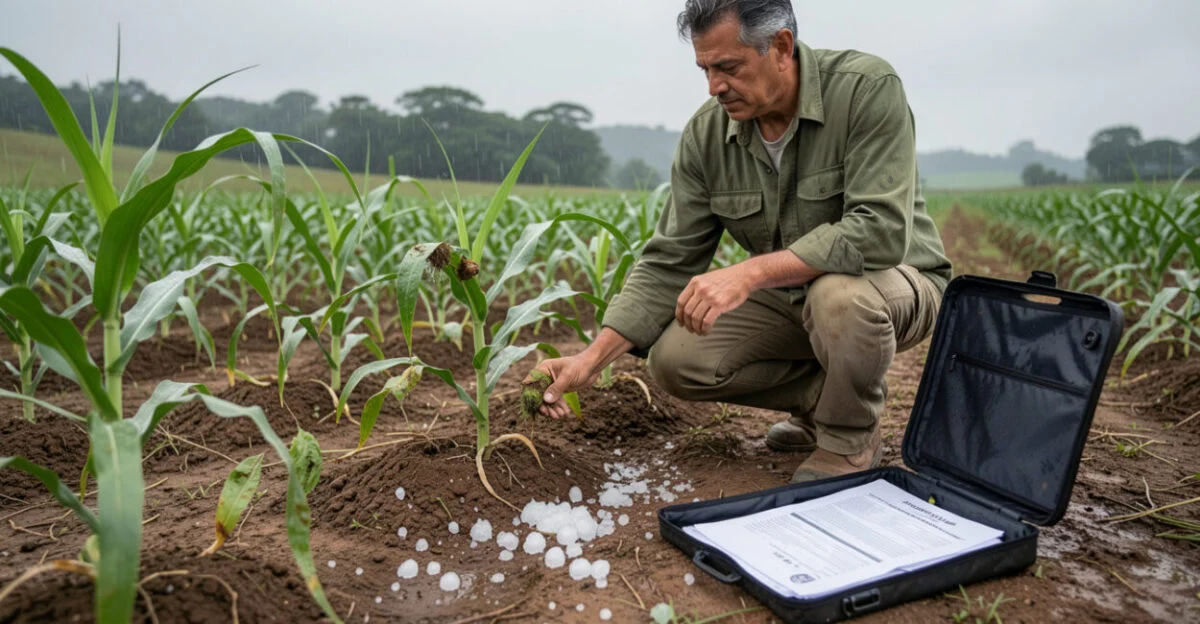
Crop insurance is a contract that provides compensation for covered losses, subject to the criteria, limits, and obligations set out in the policy. Put simply, the insurer pays when a specified event occurs and the loss meets the contract terms—not for every loss in the business. Depending on the product, coverage may include weather events such as hail, frost, drought, or excessive rain. Pests, diseases, poor farming practices, price fluctuations, and loss of market access may be excluded or subject to specific conditions. The list in the proposal does not replace a careful review of the exclusions and the definitions of each event.
The deductible is the portion of a loss the policyholder must pay, as specified in the contract. The payout limit sets the maximum amount that may be paid. You should also check whether the loss assessment is based on yield, production costs, revenue, or another criterion specified in the product.
To learn how farming practices affect a property’s exposure to risk, you may find it useful to consult guidance on managing and restoring rural land.
How can you tell if the coverage fits your operation?

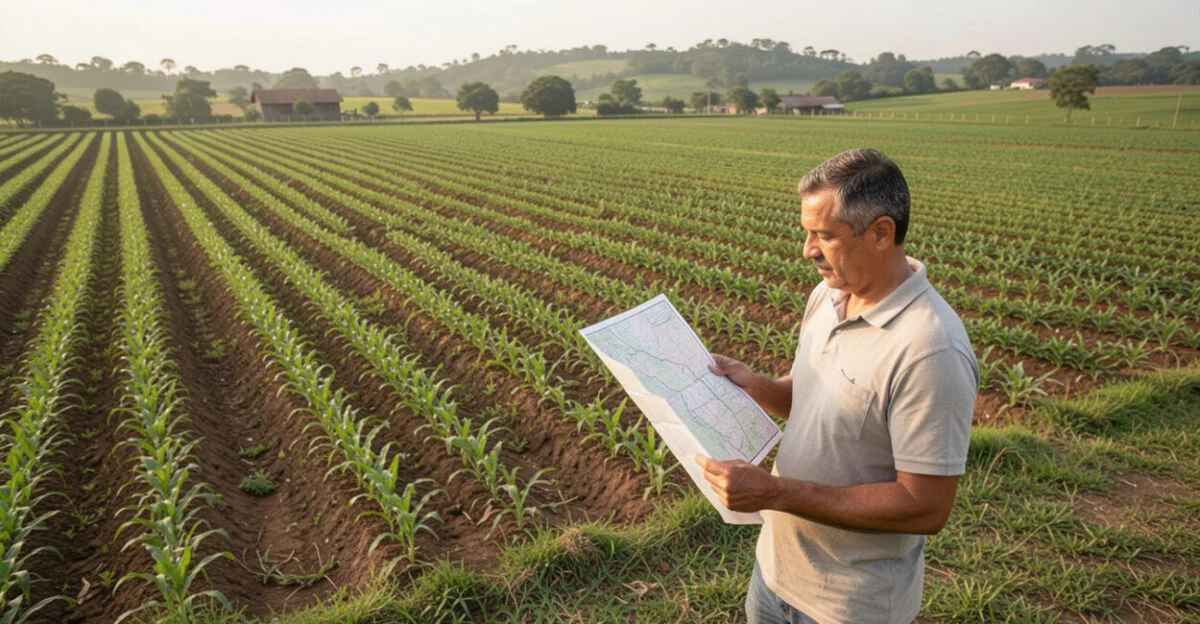
Start by checking that the proposal matches the crop you want to insure. Review each item before comparing prices:
- Crop: Confirm that the crop and, where applicable, the variety are eligible under the product.
- Area and location: Check the fields, county, and reported acreage; inconsistencies may affect the risk assessment.
- Growing season: Check the coverage start and end dates or stages, and make sure they align with the crop calendar.
- Insured yield: Understand how it was set and what records support that figure.
- Covered risks: Compare the covered events with the hazards relevant to your region and crop.
- Policyholder responsibilities: Identify requirements for farming practices, communication, and documentation.
Can any crop be insured?
No. Eligibility depends on the crop, location, risk conditions, and product rules; some combinations may not be available or may require additional review.
Can I insure only part of my acreage or production?
Some products allow this, provided the insurer approves the specified area and it is described in the proposal and policy. Check how selecting specific fields affects the loss assessment, and make sure the reported acreage matches what you will actually insure. A common mistake is to compare proposals using a stated yield without checking its source. If production records do not support the reported figure, a claim may be harder to assess; keep maps, receipts, and yield records consistent with the insured acreage.
How are premiums, deductibles, and payouts determined?
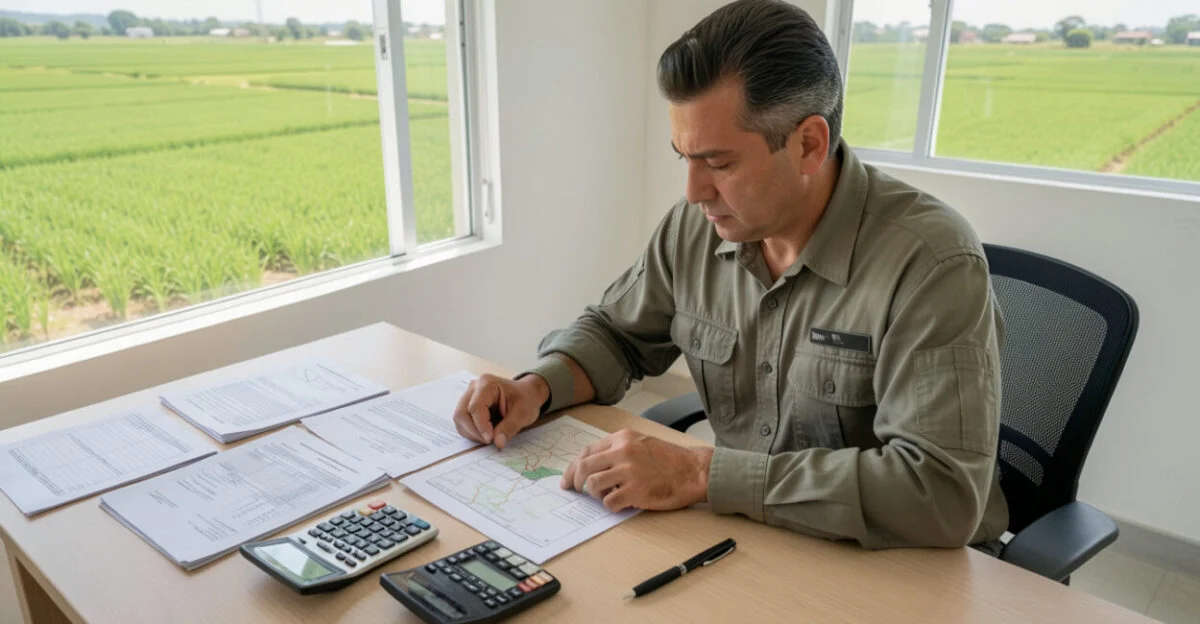
The premium is the amount you pay for insurance. It may be based on the crop, region, acreage, insured yield, covered risks, loss history, and product terms. That is why there is no single price for crop insurance: get quotes using the same information and compare the cost alongside the coverage provided.
Read also: Integrated Pest Management: How to Protect Your Crops
A payout depends on a covered event occurring, proof of the loss, and the application of the policy terms. The deductible, maximum limit, reference yield, and calculation method may all affect the final amount. A policy with a lower premium may leave the farmer responsible for a larger share of the loss.
Hypothetical example: Suppose an assessed loss is $20,000 and the contract specifies a $5,000 deductible, with no other limits or adjustments considered. The initial difference would be $15,000; this does not guarantee payment, which would still depend on the coverage, documentation, and other policy terms.
Read also: Farm Tourism: How to Create an Experience on Your Farm
The Programa de Subvenção ao Prêmio do Seguro Rural (PSR), Brazil’s Rural Insurance Premium Subsidy Program, may reduce costs for eligible farmers, but it is not available to every person, crop, or proposal in every situation. Check the current rules and availability on the Ministry of Agriculture and Livestock’s rural insurance portal.
How do you compare crop insurance policies?
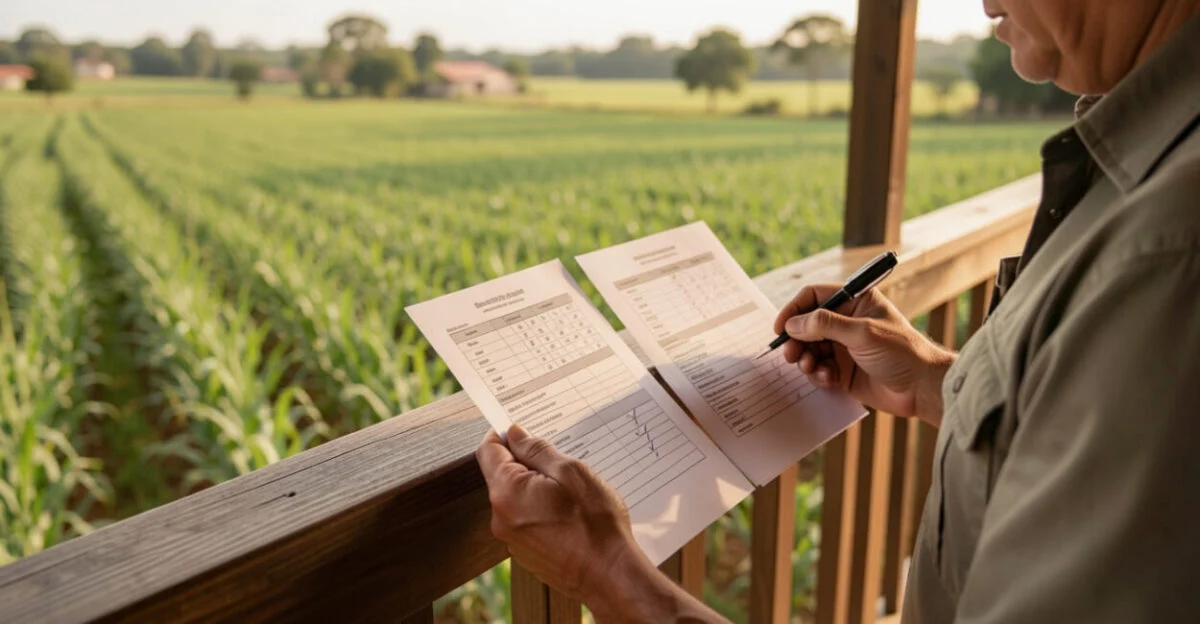
Ask for quotes based on the same crop, acreage, location, yield, and coverage period. Without that consistency, comparing premiums alone could lead you to choose a policy that protects a smaller share of your production or excludes the risk you are most concerned about.
What to check Policy A Policy B Crop, acreage, and season Is it described as reported? Is it described as reported? Covered events Which risks are included? Which risks are included? Exclusions Which situations are excluded? Which situations are excluded? Deductible and limit What is your share and the maximum payout? What is your share and the maximum payout? Support and communication Which channels and procedures apply? Which channels and procedures apply? Payment Amount, due dates, and terms Amount, due dates, and terms
Also compare the claim reporting process and required documentation. SUSEP, Brazil’s insurance regulator, provides information about insurance and consumer rights; however, you should check the specific terms in the contract and documents provided by the insurer.
When should you choose a more limited or broader policy?
Consider a more limited policy if:
- your budget only allows for defined coverage;
- you have identified a priority risk and confirmed it is covered on the terms you need;
- you are willing to bear losses caused by events excluded from the policy.
Consider a broader policy if:
- your crop faces several significant risks and the product explicitly covers them;
- the additional cost fits your growing-season budget;
- the deductible and payout limit are still appropriate for the size of the loss you want to transfer.
Insurance does not replace sound farming practices or guarantee a sale price or access to credit. For other activities on your property, you can also read about beekeeping on rural properties, which may have different risks and coverage needs than crop production.
How do you get coverage and what should you do if you have a claim?
Before signing, review the proposal, policy, general terms, crop, acreage, dates, yield, coverage, exclusions, deductible, and limits. If any information does not match your operation, ask for it to be corrected before purchasing. General rules may vary by insurer and product, particularly the method used to assess losses; the written contract takes precedence over general sales explanations.
If an event occurs that may lead to a claim, notify the insurer through the designated channels and meet the deadline stated in the policy. Record the date and location, keep your documents, and follow inspection instructions; work on the affected area before it is assessed may make it harder to verify the loss, except when needed to limit damage or meet safety requirements.
You may be asked to provide property and production records, such as policyholder identification, proof of acreage, input receipts, planting records, field maps, yield history, photos, and reports. Requirements depend on the contract and the event; confirm with the insurer what to submit and in what format.
Those involved in technical decisions on the property may also want to learn about the role of an agricultural technician, including help organizing field records, without assuming that this professional replaces an inspection or the insurer’s criteria.
Frequently asked questions
Does crop insurance protect against a drop in the sale price?
In general, crop insurance covers risks listed in the policy, not a market price drop by itself. Consider revenue or price protection only when the product explicitly offers that type of coverage and explains how it is calculated.
Can I switch insurers after purchasing a policy?
You can seek another policy for a future growing season, but switching insurers does not automatically change a policy already in effect. Check coverage dates, cancellation terms, and any consequences before ending one contract or starting another, so you do not leave any period uninsured.
Is the PSR available to every farmer and crop?
No. The subsidy depends on current rules, the farmer’s eligibility, the crop, the region, and the program’s applicable funding. Confirm current requirements with the Ministry of Agriculture and the institution submitting the proposal.
Does farm insurance replace agricultural loans?
No. Agricultural credit is financing; insurance is a contract that protects against covered losses. Neither guarantees approval for, or automatically pays off obligations under, the other.
Before finalizing a policy, confirm PSR pricing, eligibility, and rules through official Ministry of Agriculture channels, and review the contract terms and guidance from SUSEP.
Artigos Relacionados
 Farm Insurance: Coverage and How to Choose a Policy
 Agroforestry: How to Combine Trees and Crops on a Farm
 Crop Rotation: How to Plan Planting on Your Farm
 Health Insurance: How Waiting Periods and Coverage Work
 Life Insurance: How to Choose Coverage for Your Family
 Itaú Home Insurance: Quotes, Coverage, and Is It Worth It
