
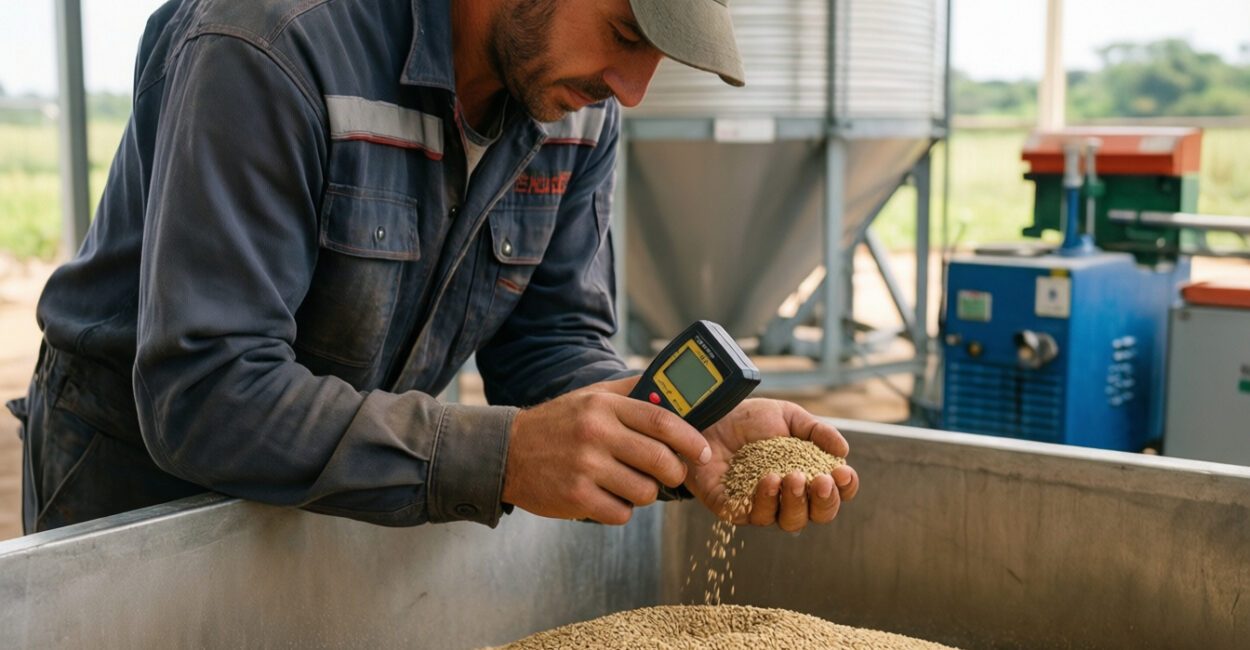
A batch of grain can leave the combine in good condition and lose quality before reaching the buyer if it enters storage hot, damp, or dirty. Grain storage combines preparation, environmental control, and monitoring to preserve quality and reduce postharvest losses. The choice of structure depends on the crop, volume, intended storage period, and ability to monitor the product.
Drying and storage are different steps: drying reduces the water content of the grain, while storage aims to maintain conditions that prevent heating, deterioration, and infestation. This distinction guides decisions ranging from cleaning the batch to choosing a silo or a solution for small quantities.

What is grain storage, and why does it reduce postharvest losses?
Grain storage is the preservation of agricultural products after harvest under controlled conditions of moisture, temperature, cleanliness, and airflow. In practice, it means preparing the batch and protecting it from factors that can compromise its quality until it is consumed, processed, or sold. A storage structure alone cannot preserve a product that was loaded while damp or dirty. Broken kernels and plant debris can encourage insect infestations; high moisture and heat speed up fungal growth and deterioration. That is why loss prevention begins before the batch reaches the silo.
You also need to define the goal of storage. A producer waiting for better market conditions needs to plan how long the batch will be stored; grain kept for consumption or seed may have different quality and monitoring requirements.
What conditions determine how well grain is preserved?
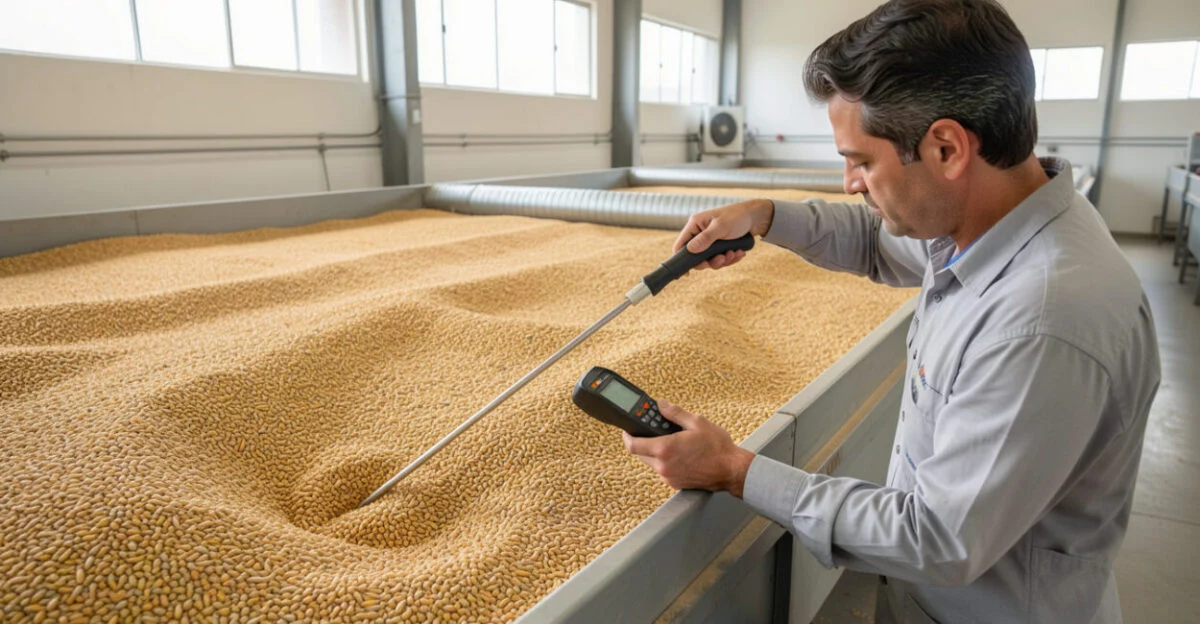
Preservation depends on the interaction of moisture, temperature, impurities, ventilation, and the structure’s seal. One inadequate condition can compromise the others. For example, poorly managed aeration can introduce warm, humid air into the grain.
What is the right moisture content for grain storage?
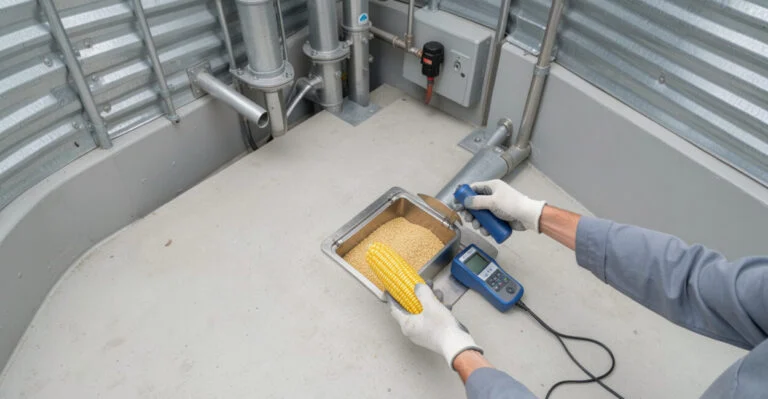
The right moisture content depends on the crop, temperature, storage period, and intended use; no single percentage works for every type of grain. For corn, soybeans, and wheat, technical guidelines often recommend ranges near 12% to 13% for preservation, but the right value should be confirmed for the crop and intended storage period. Use a calibrated meter and take readings at different points in the batch. An average can hide wetter pockets, especially when the product was dried or loaded unevenly. The recommended moisture level for a few months of storage may not be sufficient for long-term storage, particularly at high temperatures.
How long can grain be stored?
Storage time depends on grain moisture and temperature, the crop, the condition of the structure, and how often the grain is monitored. Without this information, any fixed storage time could be misleading: a well-dried, monitored batch may maintain its quality longer than another batch of the same crop with hot spots or water seepage. Aeration helps control temperature, but it cannot fix damp grain or replace drying. To determine the expected storage period, consult crop-specific technical recommendations and monitor the grain throughout storage.
How should you prepare grain before storage?

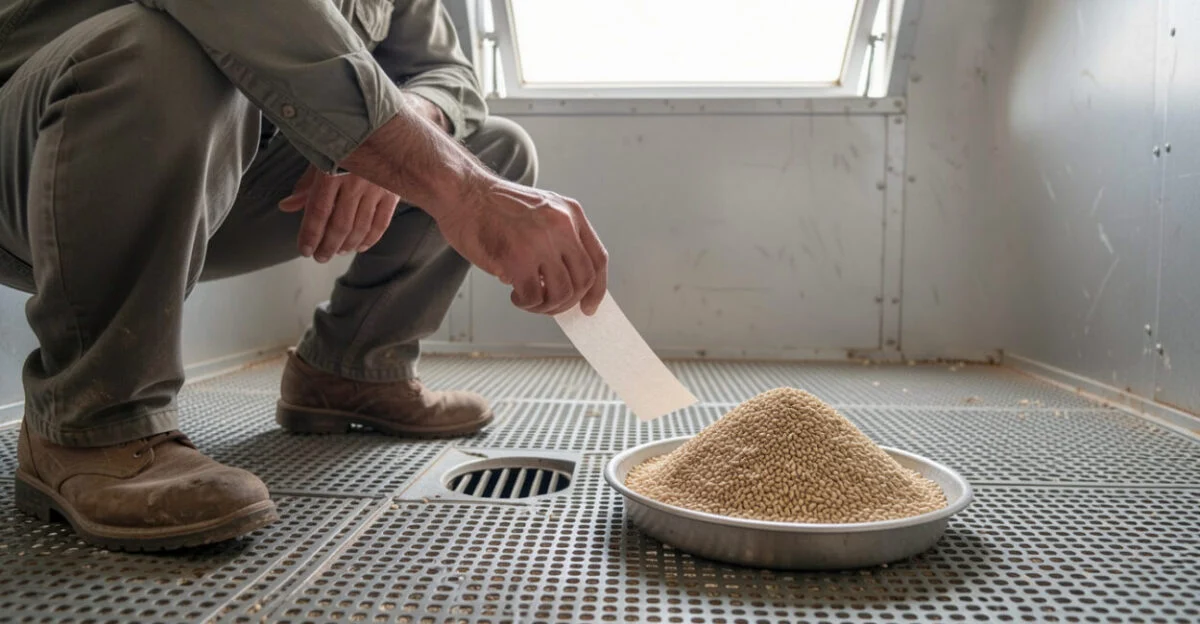
Before storage, clean the batch, dry it to the recommended range for the crop, and confirm conditions with measurements. Loading the silo before completing these checks transfers problems to a structure where they may be harder to fix.
- Clean the batch. Remove straw, dirt, weed seeds, and excess broken kernels, which can concentrate moisture and impurities.
- Dry it according to the crop. Adjust the process to prevent damp spots and damage from excessive heat, especially if the grain will be used as seed.
- Measure and record. Check moisture at more than one point and record the date, crop, and reading so you can compare it with future measurements.
- Inspect the structure. Before loading, check cleanliness, seals, drainage, and the operation of aeration equipment.
A common mistake is measuring only a sample taken from the surface. Since moisture can vary throughout a batch, readings should represent different areas; otherwise, an apparently acceptable value may hide problem spots. For more operational guidance, look for technical resources from Embrapa, Brazil’s agricultural research corporation, on grain drying and preservation. Searches for “grain storage PDF” or “grain drying and storage PDF” can help you find guides and publications, but check the author, crop covered, and publication date before applying a recommendation.
Read also: Growing Corn: How to Plan Planting and Harvesting
What are the different types of grain storage?
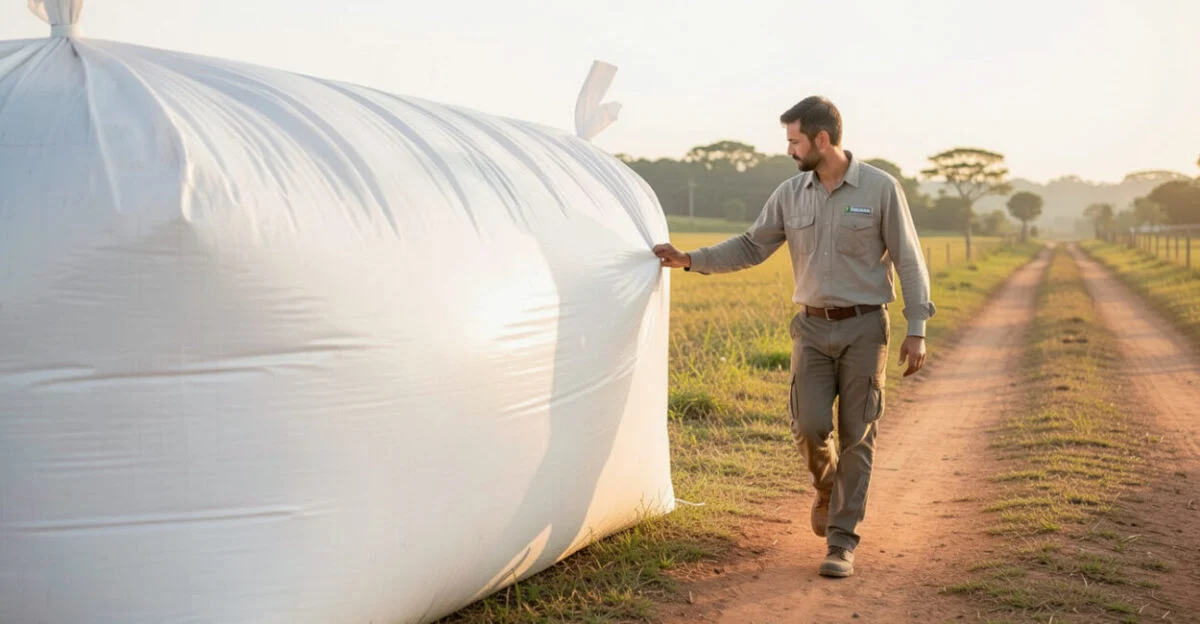
The main types are silos, conventional warehouses, and hermetic bags, each suited to a different scale and logistics setup. The choice depends on volume, storage period, access to equipment, and the ability to control conditions.
Structure Uses, advantages, and limitations Metal or concrete silo Suitable for medium or large volumes and mechanized handling. Makes monitoring and unloading easier, but requires investment, maintenance, and proper aeration management. Conventional warehouse Can store bagged or bulk grain and accommodate different products and batches. Requires suitable flooring and roofing, moisture control, and careful inspections, including in corners and along walls. Hermetic bag Can be used for temporary on-farm storage if installed in a suitable location and kept free of punctures. Requires proper handling, protection from damage, and a plan for removing the product.
Read also: Soil Conservation: Practices to Reduce Erosion
Hermetic bags do not eliminate the need to prepare the grain or inspect the storage setup. A puncture can compromise the seal and change conditions inside the bag, while an unsuitable installation site increases the risk of damage.
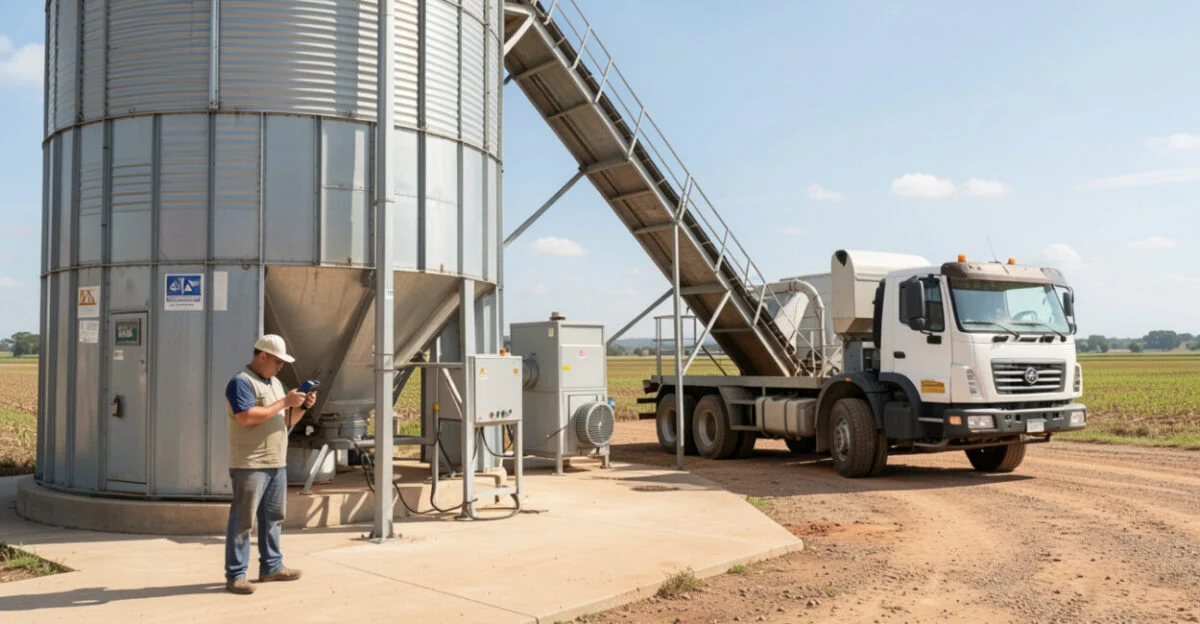
How do you choose grain storage silos?
Choose capacity based on the volume that will be stored at one time, the crop, and the flow of incoming and outgoing grain—not just the total harvest. A large silo without the logistics for loading, drying, and unloading can create bottlenecks instead of solving them.
- What is the maximum volume you need to hold at the peak of harvest?
- Which crops and varieties will you store?
- Do you have a dryer, cleaning equipment, and transportation that match the capacity?
- Can the system measure temperature and moisture at different points?
- How will aeration, unloading, cleaning, and maintenance be handled?
- Does the total cost include installation, energy, labor, and upkeep?
Also compare the cost of the structure with the cost of relying on third-party storage, taking into account distance, receiving-line wait times, and the period of use. For decisions involving automation and monitoring, the resource on agrotechnology for farm management can help explain how data and sensors fit into day-to-day operations.
The ability to monitor grain throughout storage should weigh as heavily in your silo choice as its capacity.
How do you monitor stored grain and prevent pests?
Monitor temperature, moisture, odors, insect activity, and the condition of the storage structure at intervals suited to the operation. Increase monitoring frequency when temperatures fluctuate, water seepage is suspected, or the batch has a history of problems. Common stored-grain pests include weevils and beetles, such as species in the genera Sitophilus and Tribolium, as well as moths. Prevention starts with cleaning silos and equipment, removing residue from previous harvests, sealing entry points, and inspecting grain and packaging. If an infestation occurs, identify the pest and consult a qualified professional about approved, safe control measures; homemade remedies are no substitute for professional pest management.
Also watch for signs that may appear before insects do: localized heating, unusual odors, condensation, or clumped grain can indicate deterioration. Aeration should be used with the outdoor air conditions and product temperature in mind; running a fan without a plan can make things worse. For information on storage and industry policies in Brazil, consult publications and resources from the National Supply Company (Conab), Brazil’s food supply agency. Requirements for grain storage facilities should also be checked through official channels of the Ministry of Agriculture and Livestock (MAPA), Brazil’s agriculture ministry, because rules and procedures may change.
How can you adapt storage to your farm’s scale and conditions?
In commercial operations, the priority is to coordinate harvesting, receiving, drying, cleaning, and storage capacity to avoid long lines and the intake of batches that are not ready for storage. Monitoring should be documented, since temperature and moisture records can help identify problems before they spread. For small quantities, clean, dry, food-safe, tightly sealed containers can work for household use, as long as the storage period suits the product’s condition. A PET bottle can be an option for small quantities of dry grain, provided it is intact, sanitized, and completely dry; it is not a substitute for silos and is not suitable for commercial storage.
Grain storage in Brazil faces different conditions across regions and seasons. Heat, ambient humidity, available infrastructure, and distance from receiving facilities all affect risk and cost. That is why technical recommendations need to be tailored to the crop, region, and intended use of the batch. Agricultural professionals, such as those described in the day-to-day work of an agricultural technician, can support production management and monitoring.
What’s the practical takeaway for reducing losses?
Question Direct answer Moisture Set the target based on the crop, temperature, and storage period; measure at multiple points. Preparation Clean and dry the grain, check its moisture, and inspect the structure before loading. Storage type Choose based on volume, logistics, cost, and monitoring capacity. Pests Prevent them with sanitation, sealing, and inspections; address infestations with professional guidance. Small quantities A clean, dry PET container may work for household use, but not for commercial-scale storage.
The first step is to measure the batch’s moisture and compare the result with a technical recommendation specific to the crop and planned storage period. Then check the structure’s cleanliness and seal, and establish a monitoring routine before deciding whether to expand capacity.
Frequently Asked Questions
Can I store different crops in the same silo?
Yes, but compatibility depends on the crop, moisture level, and intended use of each batch. Mixing crops makes monitoring more difficult and can compromise quality or traceability. Consider cleaning between batches and any marketing requirements.
Why does the temperature rise inside a silo?
Heating may be related to grain respiration, insect or fungal activity, localized moisture, or inadequate airflow. A single reading will not identify the cause; compare readings from different points and track changes over time.
What should I look for when downloading a grain storage PDF?
Look for publications from institutions such as Embrapa, Conab, and MAPA, with clearly identified authors and a specific crop in focus. Also check whether the material applies to your region and whether its recommendations are still suitable for the equipment you use.
Should I wash a PET bottle before storing grain in it?
If you use a bottle for a small quantity intended for consumption, it should be clean and completely dry before filling. Any residual moisture can contribute to deterioration; discard containers with odors, cracks, or residue that is difficult to remove.
What should I do if I find insects in a batch?
Set the suspect batch aside and avoid moving it with healthy grain. Identify the pest and seek professional guidance to choose an approved, safe control method. Also clean the equipment and check products stored nearby.
Artigos Relacionados
 Grain Storage: How to Reduce Farm Losses
 Plant Diseases: How to Identify Them and Prevent Losses
 Soil Testing: The Step That Prevents Major Losses
 Efficient Irrigation: Reduce Water Use and Boost Yields
 Phones and Studying: How to Reduce Interruptions at Home
 How to Reduce Waste in Small Businesses: A Practical Guide
