Efficient irrigation is the practice of delivering water to plants precisely, minimizing waste and maximizing crop yields. It matters because it reduces water use, lowers operating costs, and improves agricultural sustainability. To get started, assess your soil, choose the right technology, and implement ongoing monitoring.
With water scarcity and pressure to increase productivity on the rise, efficient irrigation offers opportunities to conserve resources and improve climate resilience. Common problems include evaporation, excessive percolation, and uneven application, all of which can be addressed with suitable methods and technologies. This article explores techniques, technologies, management, and practical examples for sustainable systems.

We’ll cover irrigation systems, sensors and automation, management practices, economic analysis, and incentive policies. The goal is to provide a practical, technical guide for growers, managers, and professionals looking to reduce water use and boost yields through efficient irrigation.
Efficient Irrigation Systems: Drip and Micro-Sprinkler Irrigation
Drip Irrigation Systems: Precision and Water Savings
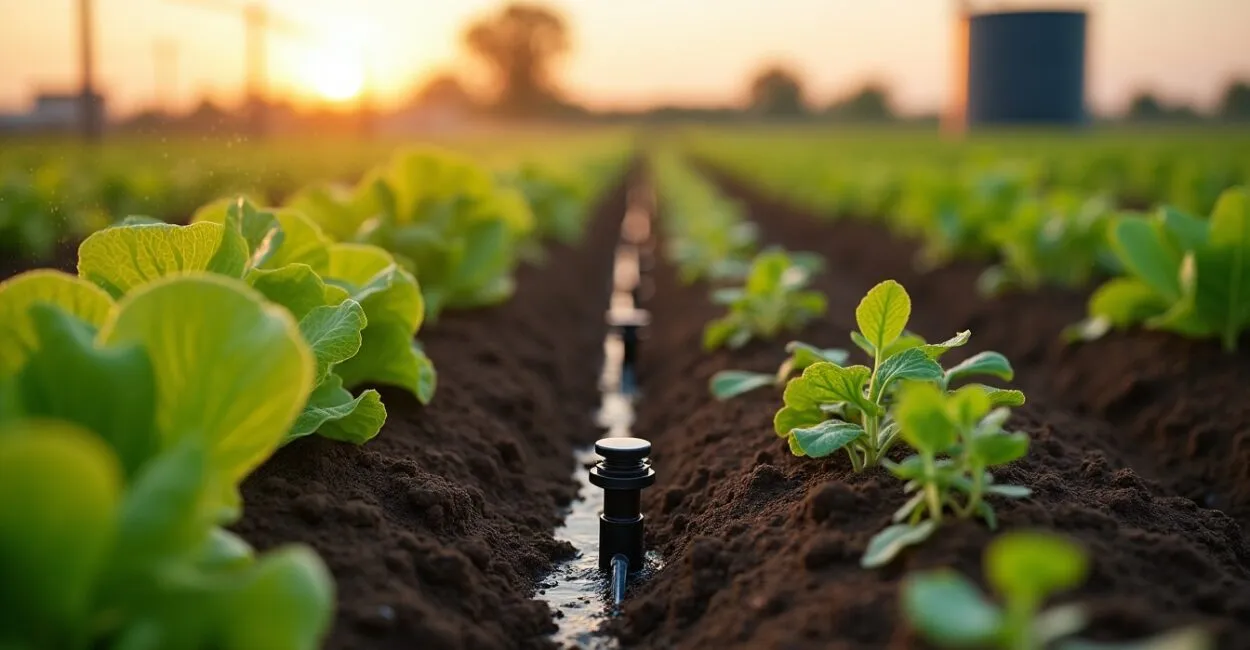
Drip irrigation delivers water directly to the root zone, reducing evaporation and surface runoff. This method uses tubing, emitters, and valves to apply controlled amounts of water, improving water-use efficiency. In clay soils or soils with high water-holding capacity, drip irrigation helps prevent waterlogging and improves water availability throughout the crop cycle.
In addition to saving water, drip irrigation can be combined with fertigation, delivering nutrients directly with the irrigation water to improve nutrient-use efficiency. Installation requires careful planning of emitter rates, pressure, and maintenance to prevent clogging and ensure uniform application. Drip irrigation is especially beneficial for intensive systems and high-value crops, where returns on investment can offset upfront costs. For small farms, modular kits and low-pressure systems may be practical options that are quick to install.
Micro-Sprinkler Irrigation: Uniform Application in Compact Areas
Micro-sprinkler irrigation combines the advantages of sprinkler systems with lower flow rates, covering areas around plants with a fine mist or small droplets. This method works well for crops that need gentle foliage coverage or for areas with moderate plant density. Micro-sprinklers reduce drift losses compared with conventional sprinklers, especially when operated during periods of low wind.
Micro-sprinkler systems require pressure and distribution controls to prevent dry or waterlogged spots. Water quality matters: sediment and salts can affect nozzles and emitters, making filters and regular maintenance essential. Combined with soil-moisture sensors, micro-sprinkler irrigation can respond dynamically to soil needs.
In terms of productivity, micro-sprinkler irrigation often improves germination and plant establishment in nurseries and high-value vegetable gardens, increasing uniformity and reducing overall water use compared with conventional sprinkler irrigation. Evaluating cost-effectiveness and adapting the system to local terrain are essential steps.
Integrating Systems: Combining Methods for Optimal Results
Combining drip irrigation with micro-sprinklers or localized sprinkler systems makes it possible to adapt irrigation to the crop and its growth stages. For example, using drip irrigation to maintain the root zone and micro-sprinklers to cool foliage on hot days maximizes efficiency and plant health. This integrated approach requires zone valves and controls.
Soil-moisture sensors and zone-based controls improve integrated management by activating only the areas that need water. This strategy reduces energy and water use while making targeted maintenance and performance troubleshooting easier. Integrated systems are a good fit for diverse farms or fields with varying soil types and terrain. Technical planning and ongoing monitoring are essential to ensure that combining methods delivers real efficiency gains.
Planning and Management for Efficient Irrigation
Soil Mapping and Water-Zone Planning
Mapping soil variability is a key step in sizing and dividing an efficient irrigation system into zones. Analyses of texture, water-holding capacity, percolation, and salinity show how water moves through the soil profile, making it possible to create zones with specific schedules. Water-zone planning avoids applying the same amount of water across heterogeneous areas, reducing waste and boosting productivity.
Tools such as electrical conductivity sensors and soil-moisture probes help create detailed maps. Integrating these data with geographic information systems (GIS) and remote sensors improves irrigation decisions, allowing precise adjustments based on spatial variability.
When planning, consider topography as well: lower-lying areas tend to retain more water and may need less frequent irrigation. A management plan based on water zones is more efficient and cost-effective over the medium and long term.
Scheduling Irrigation Based on Crop Demand
Scheduling irrigation according to a crop’s evapotranspiration demand (ETc) is a core practice in efficient irrigation. Calculating ETc using weather data, crop coefficients, and growth stage makes it possible to adjust the frequency and duration of applications, avoiding both excess water and water stress. This supports better yields and more responsible water use.
Tools such as lysimeters, weather stations, and climate reference data can be combined to produce more accurate estimates. Automated systems use this information to operate pumps and valves without manual intervention, reducing human error.
Schedules should be reviewed seasonally, with close attention to extreme events such as drought and heavy rain that may require rapid replanning. A flexible, demand-based system benefits both small growers and large commercial farms.
Practical Steps for Conserving Water in the Field
- Map: Identify zones and soil characteristics.
- Measure: Install soil-moisture sensors and collect weather data.
- Size: Choose a system and size the pipes and emitters.
- Adjust: Set schedules and run times according to ETc.
- Monitor: Perform preventive maintenance on system components.
These steps provide a logical process for implementing efficient irrigation. Each one reduces uncertainty and makes timely interventions possible to prevent waste. Ongoing measurement and equipment adjustments help ensure a return on investment and sustainable use of water resources.
Technology and Automation for Efficient Irrigation

Soil-Moisture Sensors and Automatic Controls
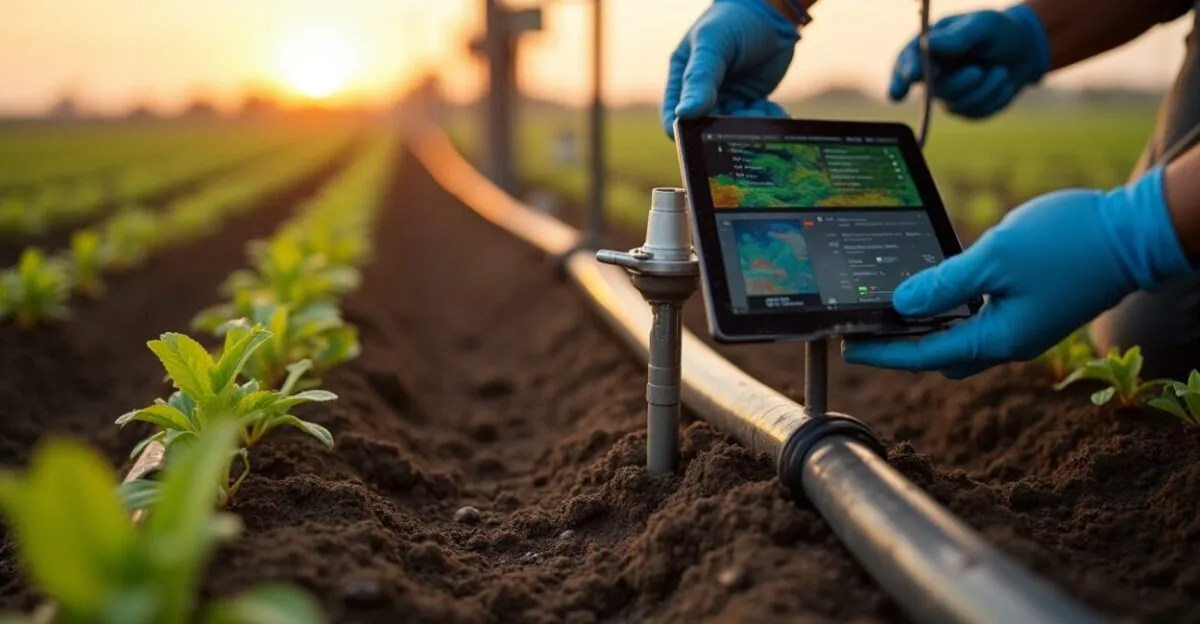
Soil-moisture sensors (TDR and capacitive) provide real-time data on water availability in the root zone. When connected to automatic controllers, they can turn irrigation zones on and off based on predefined thresholds, avoiding unnecessary applications. These sensors’ accuracy reduces the risk of under- or overwatering.
Rainfall and evapotranspiration sensors complement soil-moisture sensors in an automated decision-making system. Telemetry platforms send data to the cloud, enabling remote monitoring and alerts for maintenance needs or weather events.
Automation requires an upfront investment, but it can save on labor and water over the medium term. Sensors should be calibrated and readings periodically checked to maintain system reliability.
Decision Models and Precision Irrigation
Precision irrigation systems combine hydraulic models, weather data, soil maps, and satellite imagery to determine where and when to apply water. These platforms calculate optimal application amounts and run times for each zone, accounting for spatial variability and current conditions. Greater precision boosts productivity and reduces input costs.
Read also: Grain Storage: How to Reduce Post-Harvest Losses
Farm management software integrates these models with production records, enabling simulations and forecasts. Growers can test scenarios before making changes, such as adjusting irrigation schedules or fertigation rates.
To maximize the benefits, operators need training and regular validation routines that compare model estimates with field measurements. This allows the system to learn and improve its recommendations over time.
Read also: Soil Conservation: Practices to Reduce Erosion
Integration with Renewable Energy and IoT
Solar pumps and photovoltaic systems connected to irrigation controllers reduce energy costs and improve resilience in remote areas. IoT integration enables remote monitoring, telemetry, and app-based controls, optimizing operation and maintenance. This combination is a major trend in making efficient irrigation more sustainable.
Solar installations require proper electrical sizing and adequate energy storage to ensure operation during critical periods. Redundancy and overload protection are essential to protect equipment. In many projects, distributed generation reduces the carbon footprint and diesel expenses.
Connectivity also enables predictive maintenance by alerting operators to issues with sensors, valves, or pumps before significant losses occur. Technology integration improves the reliability and performance of efficient irrigation systems.
Economics, Impacts, and Policies for Efficient Irrigation
Cost-Benefit Analysis and Return on Investment
Economic evaluations consider installation costs (systems, sensors, and pumps), operating costs (energy and maintenance), and benefits (higher productivity and water savings). Calculating the payback period and internal rate of return helps compare options. Drip systems often pay for themselves faster for high-value crops, while larger infrastructure projects require a detailed analysis.
Grants, credit programs, and technical assistance directly affect the payback period. Fertigation and automation projects can increase revenue per acre, helping offset upfront costs. Financial models should include the opportunity cost of water and climate risks.
For small growers, scalable solutions and collective arrangements, such as shared wells and group purchasing, lower barriers to entry and expand access to technologies that support efficient irrigation.
Environmental Impacts and Resource Conservation
Efficient irrigation reduces water use, minimizes salinization, and prevents percolation that can contaminate aquifers. Applying water locally reduces fertilizer leaching, helping preserve soil and water quality. These practices support sustainability goals and responsible watershed management.
However, poorly designed irrigation can concentrate salts in the root zone or alter local water regimes. Monitoring salinity and managing drainage are complementary measures that help mitigate these impacts. Effective public policies encourage best practices and environmental monitoring.
In vulnerable areas, combining efficient irrigation with soil-water conservation practices, such as ground cover and organic matter additions, amplifies the benefits by improving water retention and reducing irrigation needs over time.
Policies, Incentives, and Available Funding
Government programs often offer grants, agricultural loans, and technical assistance to support the adoption of efficient irrigation technologies. Programs focused on renewable energy and agricultural modernization make it easier to install systems with automation and sensors. Check local funding announcements and eligibility requirements.
Organizations such as the FAO (Food and Agriculture Organization of the United Nations) and national centers offer guides and case studies that support technical planning and funding applications. At the national level, agricultural and water-resource agencies often publish programs that include grants and training.
Forming cooperatives or consortium projects can broaden access to resources and lower per-unit costs. Sound financial planning, combined with institutional partnerships, makes widespread adoption of efficient irrigation more feasible at different scales.
Best Practices, Maintenance, and Performance Metrics
Maintenance Routines to Ensure Efficiency
Preventive maintenance is essential for efficient irrigation systems: cleaning filters, checking emitters, inspecting for leaks, and calibrating sensors help prevent losses and ensure uniformity. Regular checklists and maintenance logs make troubleshooting easier and extend component life.
Common problems include clogging from sediment, worn gaskets, and pressure fluctuations. Keep replacement kits and basic tools on the farm. Training field crews in maintenance practices reduces downtime and repair costs.
Recording performance, hourly usage, and application volumes makes it possible to compare results with operating targets and spot deviations. Effective maintenance keeps irrigation efficient over time and protects the investment.
Key Performance Indicators to Track
Indicators such as application efficiency (Ea), distribution uniformity (DU), water use per unit of production, and water productivity (kg/m³) are essential for evaluating systems. Tracking these KPIs supports technical and management adjustments that boost yields and reduce waste.
Recording sensor readings, pumped volumes, and production by field makes it possible to calculate water costs and identify underperforming areas. Year-over-year comparisons help measure the gains from investments in efficient irrigation.
Digital management tools that organize data into dashboards make these indicators easier to interpret, enabling faster, data-driven decisions.
Field Practices for Healthy Soil and Plants
- Use ground cover and mulch to reduce soil evaporation.
- Implement crop rotations that improve soil structure.
- Use balanced fertigation to prevent salt buildup.
These complementary practices improve water-use efficiency by supporting water retention and soil health. Ground cover and mulch reduce evaporative losses and protect soil microorganisms, while crop rotations and organic matter additions increase the soil’s water-holding capacity.
Integrated soil and water management is essential for sustainable outcomes, helping ensure that efficient irrigation translates into long-term productivity and conservation.
Conclusion
It’s worth emphasizing that efficient irrigation combines technology, management, and policies to reduce water use and boost yields. Choosing suitable systems, using sensors and automation, and adopting conservation practices are essential steps toward technical and economic success.
By integrating planning, maintenance, and ongoing monitoring, growers can achieve significant financial and environmental returns. Take a step-by-step approach, seek technical assistance, and explore incentives to make efficient irrigation part of your regular operations. Evaluate your system today and plan your transition.
Frequently Asked Questions About Efficient Irrigation
What Is Efficient Irrigation, and Why Should I Adopt It?
Efficient irrigation delivers water precisely to the root zone, reducing losses from evaporation and runoff. Adopting it saves water, lowers operating costs, and boosts crop yields. It also supports sustainability and climate resilience by conserving water resources and reducing environmental impacts.
Which Systems Are Most Efficient for Small Farms?
For small farms, low-pressure drip systems and micro-sprinkler irrigation are practical options. They deliver water locally, reduce waste, and have moderate upfront costs when properly sized. Modular kits and solar pumps also make installation easier in remote areas, with simple maintenance and a quick financial return.
How Do Sensors Help Manage Irrigation?
Soil-moisture sensors and weather stations provide real-time data on soil water and weather conditions, helping schedule applications according to crop demand. This prevents unnecessary irrigation, improves uniformity, and lowers costs. When connected to automatic controllers, they enable zone-based operation and remote monitoring.
Which Indicators Should I Measure to Evaluate Efficiency?
Key indicators include distribution uniformity (DU), application efficiency (Ea), and water productivity (kg/m³). Measuring the volume applied per field, energy use, and production makes it possible to calculate water costs and identify areas for improvement. Ongoing monitoring provides data to optimize operations and support investment decisions.
Are There Public Incentives to Modernize Irrigation Systems?
Yes. Many government programs offer grants, credit lines, and technical assistance for modernization. Check local funding announcements and programs, and consult organizations such as EMBRAPA (Brazil’s Agricultural Research Corporation) and international organizations for technical guidance and funding opportunities. Consortium projects can improve access to resources.
%%AGPTRH3%% %%AGPTRH4%%