
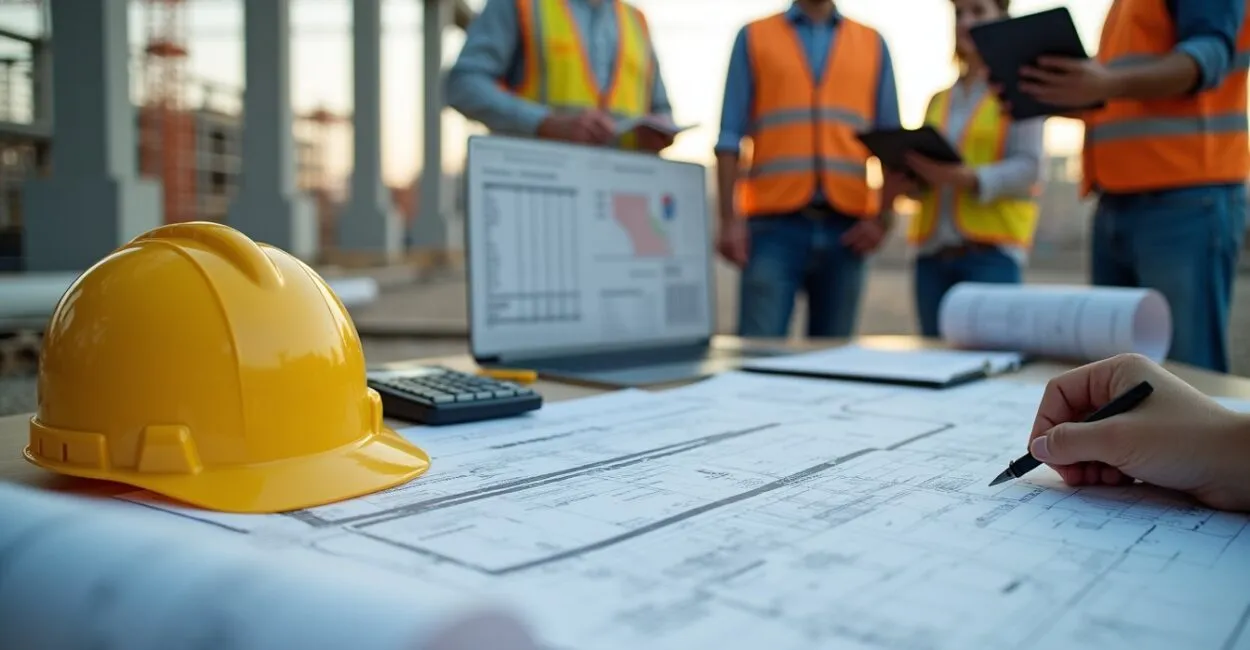
Construction project management is essential for delivering projects on time, at the required quality level, and with an appropriate profit margin. It involves coordinating people, processes, materials, and technology to achieve project goals. Understanding how to plan, control costs, and monitor productivity is the first step toward reducing rework, avoiding delays, and optimizing resources in the construction industry.
This article covers practical construction project management methods, tools, and processes to increase productivity, meet deadlines, and improve profit margins. You’ll find definitions, workflows, method comparisons, technical tables, practical checklists, and implementation recommendations you can put to use right away on the jobsite.

Fundamental concepts of construction project management
- Scope: A clear definition of what will be delivered, supported by drawings and specifications.
- Planning: A schedule with milestones, critical paths, and allocated resources.
- Budgeting: A detailed estimate of direct and indirect costs.
- Quality and compliance: Inspections, technical standards, and acceptance controls.
- Risk management: Identifying, analyzing, and mitigating adverse events.
Overview and terminology
Construction project management combines planning, control, and execution to turn projects into tangible deliverables, integrating engineering teams, construction crews, and suppliers. Terms such as schedule, critical path, budgeted cost, and PBC (contract price) come up frequently in day-to-day work and must be understood consistently by both the client and the contractor. For project managers, mastering this terminology reduces communication breakdowns and supports faster, more accurate decision-making.
Using a shared project glossary prevents ambiguity and simplifies contracts and technical specifications. It improves change tracking and makes internal and external audits easier, helping teams meet deadlines and control costs.
Embedding this shared understanding in the jobsite culture improves predictability, strengthens legal certainty, and reduces financial contingencies related to contractual omissions or differing interpretations.
Key performance indicators and metrics
Indicators such as the productivity rate, cost performance index (CPI), schedule performance index (SPI), and cost variance (CV) are essential for tracking performance. These KPIs help teams identify deviations early and take corrective action. According to McKinsey, projects that monitor KPIs regularly can reduce cost overruns by up to 20% (McKinsey).
Along with financial KPIs, safety, rework, and activity cycle time indicators help identify operational bottlenecks. Collecting real-time data with jobsite apps improves the accuracy of these metrics and supports evidence-based decisions.
Setting measurable targets and reviewing them at regular jobsite meetings creates a continuous improvement cycle, with corrective actions focused on reducing delays and waste.
Team roles and responsibilities
A clear structure—project director, resident engineer, construction superintendent, quality supervisor, and purchasing manager—prevents overlapping responsibilities and speeds up communication. Each role should have documented deliverables and clearly assigned responsibilities. This organizational discipline is vital on projects with more than 50 workers on site at the same time, where coordination failures can significantly affect productivity.
Delegating authority for operational decisions reduces approval bottlenecks and enables quick adjustments to changing site conditions. At the same time, escalation procedures should be in place for contract-related issues or scope changes.
Ongoing training and weekly alignment meetings ensure the entire team understands targets, risks, and procedures, improving execution and adherence to the schedule.
Construction planning and scheduling
- Define the scope and deliverables precisely, documenting all interfaces.
- Develop a schedule with the critical path and resources, prioritizing activities that constrain progress.
- Align suppliers and subcontractors around deadlines and clear contract terms.
- Implement change control and require formal approval for time and cost amendments.
- Monitor actual versus planned progress daily and update recovery plans.
Developing effective schedules
An effective schedule includes activities, durations, dependencies, and resource allocation, with the critical path clearly identified. Tools such as MS Project and Primavera are useful for complex projects, but a clear scope and realistic estimates are the foundation. Schedules should be updated weekly with field data to maintain predictability.
Estimates based on productivity per unit (sq. m, cu. m, tons) help translate the project into time and cost requirements. Including buffers and delivery windows for critical supplies reduces the risk of delays caused by material shortages.
Schedule reviews at contractual milestones keep the client and contractor aligned and help prevent disputes. They are also essential when recovery measures are needed.
Resource allocation and logistics
Planning labor, equipment, and materials around production sequences reduces stoppages and rework. Just-in-time deliveries reduce jobsite inventory and the risk of damage, but require careful coordination with suppliers and carriers. Inventory management tools and purchase orders help track lead times and prevent stockouts.
Mapping storage areas, equipment routes, and unloading points improves safety and productivity. Adjusting the jobsite layout to each construction phase reduces unnecessary movement and cycle time.
For projects using modular systems, synchronizing factory production with field assembly is critical to meeting deadlines and reducing logistics costs.
Schedule control and recovery
Ongoing progress monitoring and early identification of deviations make it possible to activate recovery plans before delays become critical. Techniques such as crashing (adding resources) and fast-tracking (overlapping activities) can help, but they increase costs and risks and should be evaluated through a cost-benefit analysis. According to the CNI, Brazil’s National Confederation of Industry, 35% of construction projects in Brazil experience significant delays due to planning failures (CNI).
Weekly progress meetings with the entire project team—design, construction, and procurement—support coordinated decisions. Visual tools such as Gantt charts and dashboards make project status easier to read and help teams prioritize actions.
Documenting corrective actions, owners, deadlines, and financial impacts ensures transparency and makes it easier to negotiate contract amendments when necessary.
Construction methods and comparisons

Traditional vs. industrialized construction
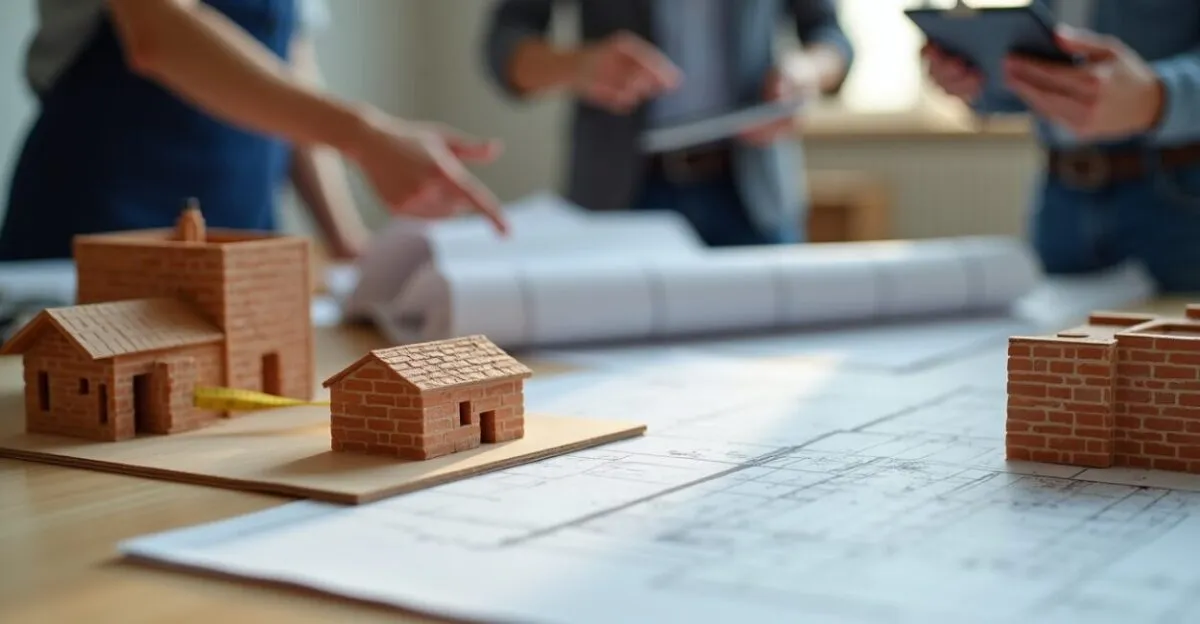
Choosing between traditional and industrialized construction affects schedule, cost, and quality. Traditional construction offers flexibility and requires less initial investment, while industrialization (prefabrication) can cut schedules by up to 40% and reduce rework, improving predictability. The decision depends on project scale, repetition, and logistics capacity, and involves a trade-off between CAPEX and OPEX.
Repetitive projects (hospitals, hotels, multifamily housing) tend to benefit from industrialization; one-of-a-kind projects or those in hard-to-reach locations may be better suited to traditional methods. Evaluating total lifecycle costs and maintenance impacts is essential.
Integrating design and production (Design for Manufacturing and Assembly—DFMA) maximizes the benefits of industrialization, but requires coordination among engineers, suppliers, and installers.
Analysis of alternative techniques
Techniques such as BIM, modular construction, 3D printing, and self-consolidating concrete change the cost-schedule equation. BIM reduces design conflicts and rework, while modularization shifts complexity to a controlled environment. Assessing the maturity of the local supply chain and the availability of materials is crucial when selecting a method.
Projects that use BIM typically reduce design clashes by up to 30%, according to Autodesk studies (Autodesk). However, they require investment in training and digital processes.
Running small-scale pilots helps validate benefits before expanding adoption, minimizing operational and financial risks.
Construction methods comparison table
| Method | Advantages | Typical indicator |
|---|---|---|
| Traditional (masonry/cast-in-place) | On-site flexibility, lower initial investment | Time: standard, Cost: variable |
| Industrialized (prefabricated) | Shorter schedule, higher quality | Time: -30% to -40%, Cost: higher CAPEX |
| Modular | Fast assembly, factory-controlled production | Productivity: high for repetitive projects |
| 3D printing | Less waste, complex designs | Application: niche, expanding |
Execution, quality control, and safety
Jobsite quality management
Quality means meeting project requirements, specifications, and technical standards. Phase inspections, checklists, and acceptance tests are essential. Implementing quality control plans with inspection checkpoints reduces rework and nonconformities, directly affecting project margins. Internal and third-party audits ensure impartiality when approving completed phases.
Photo records, digital reports, and nonconformance reports make it easier to track work and meet contractual and regulatory requirements. Standardized acceptance criteria reduce disputes with clients and speed up progress reviews and payments.
Investing in inspectors’ technical training and measurement tools improves the reliability of results and prevents hidden defects that could lead to high costs later.
Cost control during execution
Monitoring actual versus budgeted costs daily, while integrating purchase orders, invoices, and productivity tracking, makes it possible to identify deviations before they become irreversible. Methods such as Earned Value Management (EVM) combine cost and progress data to indicate financial performance trends. Continuous updates prevent surprises and support contract negotiations with verifiable data.
Weekly financial reports showing cumulative variance and forecast-at-completion help teams anticipate the need for reserves or cost-containment measures. Performance-based incentive clauses can align the interests of contractors and clients.
Tracking indirect costs by jobsite and applying appropriate cost allocations prevents underestimating the project’s true cost and protects profit margins.
Workplace safety and compliance
Safety is both a legal requirement and a productivity factor: accidents cause work stoppages, human suffering, and higher costs. Prevention programs, risk analyses (APR, a Brazilian preliminary risk analysis), training, and appropriate PPE reduce incidents. According to Brazil’s Ministry of Labor, the government agency responsible for labor matters, construction projects with well-implemented occupational health and safety programs can reduce accidents by up to 50% (Ministry of Labor).
Monitoring compliance with regulatory standards (NRs, Brazil’s occupational safety regulations) and keeping documentation up to date helps prevent work stoppages and fines that can disrupt schedules and cash flow. A safety culture supported by engaged leaders encourages participation and consistent use of preventive practices.
Investing in occupational health and well-being also improves retention of skilled workers, reducing turnover costs and maintaining productivity.
Contracts, suppliers, and technology
Contract models and risk management
Choosing between lump-sum, cost-plus, and unit-price contracts affects how risk is allocated. Contracts with clear terms for deadlines, penalties, and acceptance criteria reduce disputes. Analyzing contractual risks, with financial contingencies and a responsibility matrix, protects the contractor’s margins and cash flow.
Indexation clauses, periodic reviews, and price adjustment terms help mitigate volatility in input costs. For large projects, builder’s risk insurance and performance bonds provide additional protection.
Transparent negotiations based on performance metrics foster long-term partnerships and improve schedule adherence and quality.
Supplier and purchasing management
Identifying critical suppliers, assessing their delivery capacity, and establishing performance contracts with SLAs reduces the risk of supply disruptions. Strategies such as consolidated purchasing, master agreements, and price hedging for volatile materials (steel, cement) stabilize costs. E-procurement tools speed up quotes and reduce lead times.
Supplier audits and technical qualification help ensure that materials and services meet specifications, reducing rework. Strategic supplier partnerships may include just-in-time delivery commitments and consignment inventory for long-term projects.
Tracking performance through KPIs (on-time delivery, quality, and compliance) enables corrective action and contract reviews when needed.
Digital tools and automation
Adopting BIM, mobile project management apps, drones for monitoring, and IoT sensors improves visibility and accuracy in construction project management. Integrated software connects planning, purchasing, construction, and finance, reducing administrative rework and communication errors. Automated reports and real-time dashboards speed up decisions and responses to operational deviations.
Implementing technology requires process changes and training; pilot programs can demonstrate return on investment. Studies suggest that digital technologies can increase jobsite productivity by 15-25% when properly integrated (McKinsey Insights).
Choosing scalable solutions that support interoperability (IFC, APIs) makes future integration easier and avoids vendor lock-in, allowing technology to evolve with project needs.
Strategic benefits of effective construction project management
- On-time delivery: Builds a stronger reputation and helps secure new contracts.
- Lower costs: Less rework and waste, with higher margins.
- Greater legal certainty: Aligned contracts and documentation help prevent litigation.
- Improved quality: Fewer nonconformities and less rework.
- Stronger client and supplier relationships: Clear communication and predictability.
- Greater financial predictability: More reliable cash flow and forecasts.
Financial impact and competitiveness
Strong construction project management improves profit margins by reducing waste and increasing productivity. Projects with strict controls over planning and procurement can reduce indirect costs and unproductive time. In competitive markets, contractors that deliver consistently gain access to larger projects and better commercial terms, increasing their market share.
Up-to-date financial metrics and realistic forecasts strengthen negotiations with lenders and clients, making it possible to secure better payment terms and lower the cost of capital. Predictable projects attract investors and strategic partners.
Investing in processes and technology is therefore a strategic move for the sustainability and growth of a construction business.
Operational and reputational benefits
Operational efficiency means shorter project timelines, a lower environmental impact through reduced waste, and greater client satisfaction. On-time delivery and improved quality lead to a positive reputation, referrals, and opportunities for repeat contracts. A reputation as a reliable company is an increasingly valuable competitive asset.
Quality and compliance certifications (ISO, PBQP-H—the Brazilian construction quality and productivity program) demonstrate organizational maturity and help companies win public and private contracts. Investing in sustainability and technological innovation adds value to a company’s portfolio.
Combining efficient operations with a strong reputation also makes it easier to recruit and retain skilled workers, strengthening future project execution.
Risks, limitations, and mitigation
- Dependence on a single supplier: Risk of supply disruptions and delays.
- Upfront technology and training costs: Requires investment.
- Integration challenges between legacy systems and new tools.
Common project risks
Key risks include scope changes, fluctuations in material prices, shortages of skilled labor, and regulatory constraints. These risks affect schedules and budgets, making contingency plans necessary. A historical record of lessons learned and root cause analyses helps prevent similar problems from recurring on future projects.
Assigning owners and action plans to risks, including triggers for action, makes management proactive rather than reactive, minimizing financial losses and serious delays. Diversifying suppliers and adding specific contract clauses can mitigate critical dependencies.
Monitoring market indicators and setting aside financial reserves for identified risks help maintain operational stability in response to external changes.
Limitations of tools and processes
Digital tools may have interoperability limitations, learning curves, and implementation costs, and may also encounter cultural resistance. Well-designed processes lose effectiveness without disciplined data collection and updates. As a result, projects often face challenges during initial adoption, requiring change management and ongoing support.
Integration with legacy systems and hands-on jobsite training are essential to overcoming these limitations. Controlled pilots demonstrate the benefits and help teams refine processes before wider adoption.
Recognizing limitations early and planning how to address them prevents surprises and helps ensure a return on technology investments.
Recommended mitigation measures
Risk mitigation includes diversifying suppliers, establishing contracts with SLAs, creating strategic inventory, and maintaining financial reserves for cost fluctuations. A phased technology integration plan with training reduces resistance. Independent inspections and periodic audits help ensure compliance and quality.
In addition, practices such as BIM and collaborative planning reduce design conflicts and unexpected field issues. Time and cost contingencies in the schedule, calculated through risk analysis, protect project margins.
Transparent communication with stakeholders and complete documentation of decisions also help protect against contract disputes.
Practical tips and best practices for construction project management
- Standardize processes and create operational checklists for critical phases.
- Use BIM and integrate design and production whenever possible.
- Monitor KPIs weekly with dashboards available to all project leaders.
- Provide regular training and map team competencies.
- Negotiate contracts with review clauses and incentive mechanisms.
- Run pilot programs before rolling out technology across the entire project.
Step-by-step implementation
Start by mapping current processes, identifying bottlenecks, and prioritizing high-impact actions. Next, choose tools that fit your portfolio and run a pilot. Train teams and define KPIs to measure results. A phased rollout reduces risks and allows quick adjustments before full adoption.
Document procedures, responsibilities, and acceptance criteria for each phase. Involving operational leaders in process design increases buy-in and makes it easier to incorporate practical improvements from day-to-day work.
Change governance should include ongoing communication, results tracking, and quarterly metric reviews to ensure strategic objectives are being met.
Procurement and logistics best practices
Centralizing purchases of critical materials, negotiating long-term agreements, and assessing supplier risk improve predictability. Continuously reviewing inventory levels and using historical data for forecasting reduces stockouts. For logistics, plan delivery windows and unloading areas to minimize disruption to operations.
Using master agreements with approved suppliers speeds up replenishment purchases and ensures consistent quality. Periodic supplier audits and performance metrics support trusted relationships.
Finally, aligning logistics with the schedule prevents excess inventory and frees up working capital for priority investments.
Conclusion
When supported by rigorous planning, cost control, risk management, and strategic use of technology, construction project management increases productivity, helps ensure deadlines are met, and improves profit margins. Implementing standardized processes, clear KPIs, and integration across design, purchasing, and construction is essential for predictable results.
Start by identifying bottlenecks, piloting digital solutions, and formalizing contracts with reliable suppliers. Continuous improvement and change governance turn operational efficiency into a competitive advantage in the construction industry.
Put these construction project management practices to work and measure their impact using meaningful indicators. The next step is to develop an action plan for your project and launch a pilot.
Frequently asked questions
What is construction project management?
Construction project management is the set of activities involved in planning, coordinating, and controlling every phase of a construction project, including scope, schedule, costs, quality, safety, and logistics. It brings together technical teams, suppliers, and contract processes to ensure delivery meets specifications. The primary goals are to meet deadlines and budgets, reduce rework, and maximize operational efficiency and project profitability.
How does the construction planning process work?
Construction planning begins with defining the scope and conducting a technical assessment, followed by budget estimates, a schedule with the critical path, and resource allocation. It also includes risk analysis, supplier contracts, and a logistics strategy. Management tools and alignment meetings bring the plan together. The plan should be updated based on progress and changing field conditions to maintain control and predictability during execution.
What is the difference between construction planning and control?
Planning defines what will be done, when, and with which resources, and establishes schedules and budgets. Construction control is the ongoing process of monitoring execution, comparing actual progress with the plan, and taking corrective action to keep the project on track. In short, planning sets the course; control ensures the project follows it.
When should you use BIM or modular construction?
Use BIM when a project is complex, requires coordination across multiple disciplines, and would benefit from fewer conflicts and less rework; it is well suited to medium- and large-scale projects. Modular construction is advantageous for repetitive projects or those requiring fast assembly, potentially cutting schedules by up to 30-40%. The choice depends on project scale, logistics, and the maturity of the project’s supply chain.
How much does it cost to implement a digital construction management system?
Costs vary depending on scope, number of users, and integration requirements. Basic solutions start at a few thousand Brazilian reais per year, while enterprise platforms with BIM, ERP, and integrations can require investments exceeding hundreds of thousands of Brazilian reais. Training and process change costs should also be considered. When calculating TCO, assess the return from productivity gains and reduced rework.
Artigos Relacionados
 Sustainable Projects in Engineering and Construction
 Engineering and Construction: Building Profitable Projects
 School Gardens as Learning Labs: Inspiring Projects for 2025
 5 Composting Projects for Schools and Apartment Buildings
 Educational Management Concepts
 Management Theory: Essential Schools and Thinkers
