
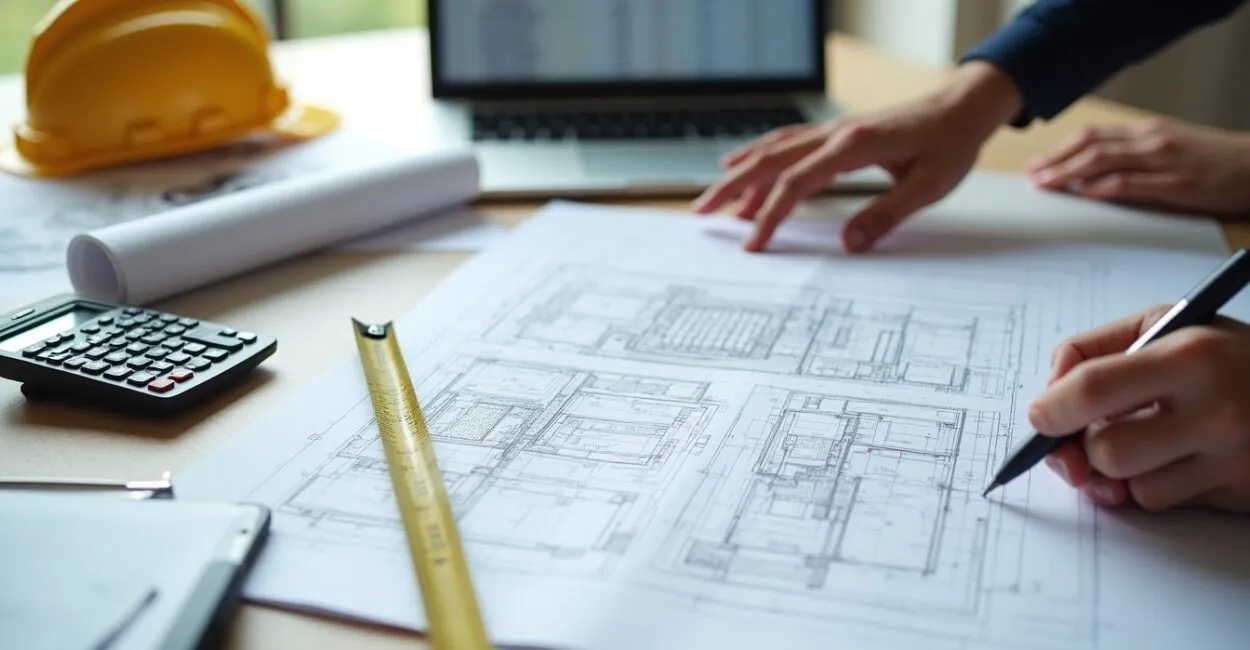
Engineering and construction are the foundation of safe, functional, and profitable projects. They involve planning, management, and technical execution to turn plans into real assets. Understanding this field matters because it improves efficiency, lowers costs, and increases the likelihood of turning proposals into contracts—giving businesses a competitive edge in the construction market.
Poorly managed projects lead to waste and erode profit margins. By contrast, optimized processes boost productivity and profitability. In this comprehensive guide to engineering and construction, we’ll cover practical strategies for improving efficiency, lowering costs, and converting clients into profitable projects, including key tools, models, and metrics.

Fundamental Concepts in Engineering and Construction
Essential Definitions
In practice, engineering and construction bring together civil engineering, construction management, and execution methods to deliver buildings and infrastructure. These concepts cover everything from preliminary studies and detailed design to site planning and structural assembly, ensuring technical and regulatory compliance.
Clearly defining the scope, schedule, and budget is critical: it prevents rework and contract disputes. Integrating design and execution through design-build or EPC is a growing trend that reduces handoffs and improves schedules.
Related terms include cost management, materials logistics, and quality control—all essential to ensuring a project meets safety, performance, and sustainability requirements.
Life Cycle Components
The life cycle of an engineering and construction project begins with planning, followed by design, construction, operation, and eventual demolition or redevelopment. Each stage has specific deliverables that guide costs, risks, and scheduling.
During design, decisions about materials and methods directly affect operating costs and future maintenance. The operating phase, in turn, determines the asset’s energy efficiency and useful life.
Applying life cycle assessment (LCA) and predictive maintenance planning reduces total costs and improves sustainability over the years of use.
Stakeholders and Governance
Engineering and construction involve multiple stakeholders: clients, designers, contractors, suppliers, government agencies, and lenders. Governance establishes responsibilities, communication channels, and approval criteria for critical project decisions.
Well-designed contracts and clear governance structures help prevent disputes and ensure deadlines and technical standards are met. Tools such as project oversight committees and dashboards make it easier to maintain transparency.
Aligning expectations with the client through milestones and interim deliverables builds trust and increases the likelihood of turning proposals into signed contracts.
- Scope planning and feasibility
- Detailed design and technical specifications
- Cost management and budgeting
- Materials logistics and jobsite management
- Quality control and safety
Methods and Processes in Engineering and Construction
Contracting and Delivery Models
Models such as lump-sum contracts, construction management, EPC (engineering, procurement, and construction), and design-build define responsibilities and how risks are shared. The model chosen affects price, schedule, and the transfer of risk between the client and contractor.
EPC reduces handoffs and is often preferred for complex projects with tight deadlines, while construction management is advantageous when the client wants more control over technical decisions.
Considering the contractor’s technical capabilities and track record, along with warranty terms, is essential to mitigating contractual risks and avoiding costly change orders.
Optimized Workflow
An efficient workflow integrates planning, procurement, production, and quality control in a coordinated sequence. Digital tools such as BIM and ERP systems can simulate schedules, anticipate conflicts, and track inventory, reducing lead times and material shortages.
Standardizing assembly procedures and using inspection checklists speed up execution and reduce rework. Operational checkpoints help ensure technical compliance at every stage of construction.
Measuring productivity by task and adjusting the sequence of activities helps meet deadlines and lower direct construction costs.
Risk Management and Compliance
Risk management in engineering and construction involves identifying, assessing, and mitigating threats to schedule, cost, and quality. Mapping financial, weather-related, and logistical risks makes it possible to prepare effective contingency plans.
Compliance includes technical standards, environmental permits, and workplace safety. Failing to meet requirements can result in fines, work stoppages, and reputational damage, affecting margins and project viability.
Regular audits and safety and quality performance indicators (KPIs) reduce incidents and make delivery schedules more predictable.
- Clearly define the scope and the client’s requirements.
- Develop a detailed schedule with verified milestones.
- Negotiate contracts with balanced risk provisions.
- Implement cost controls and change management.
Comparing Methods and Technologies

Materials and Construction Methods
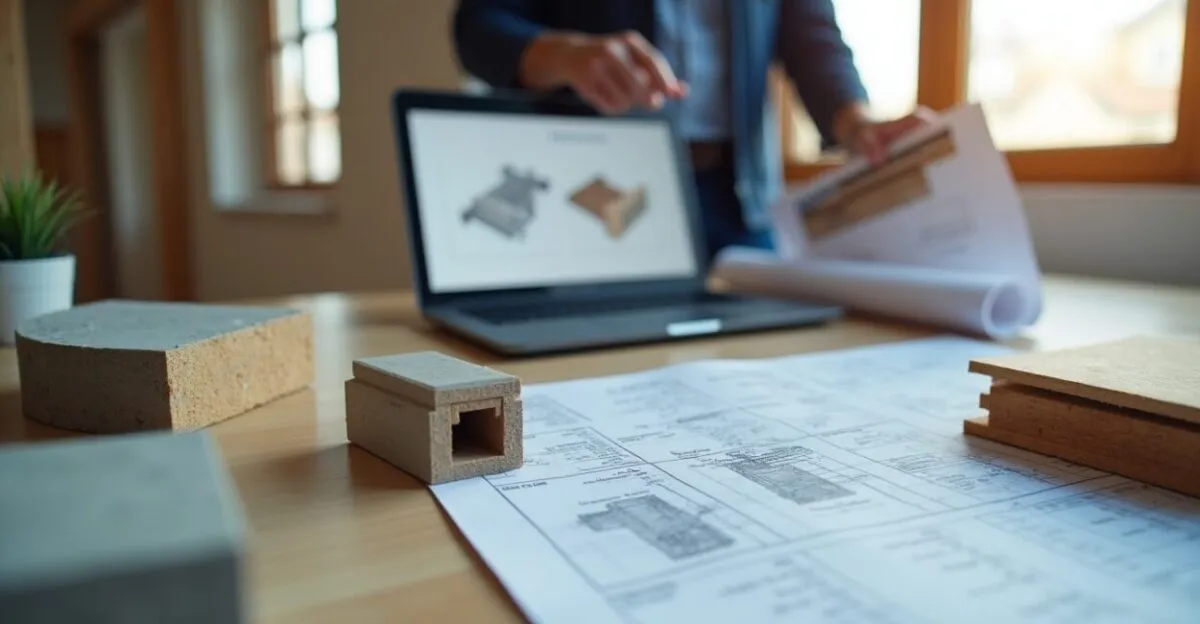
Choosing between reinforced concrete, structural steel, and wood framing depends on factors such as schedule, cost, and thermal performance. Each method offers advantages in speed, cost, and durability that should be compared in the context of the project and local market.
Prefabricated materials reduce construction time and waste but increase upfront manufacturing and transportation costs. Traditional methods offer more flexibility on-site, but typically take longer.
Assessing sustainability, maintenance needs, and the availability of local labor is essential to selecting the best construction solution.
Digital Tools and BIM
BIM (Building Information Modeling) integrates design, planning, and budgeting in a shared digital model. This reduces design clashes, improves estimates, and streamlines logistics, saving time and money.
Construction management systems integrated with BIM allow real-time updates on physical and financial progress, making completion forecasts more accurate.
Adopting technology requires an upfront investment in training and licenses, but the efficiency gains can outweigh the costs within 1 to 3 years, depending on the size of the project portfolio.
Methods Comparison Matrix
| Method | Speed | Upfront Cost |
|---|---|---|
| Reinforced concrete | Moderate | Low |
| Structural steel | High | Moderate |
| Prefabrication | Very high | High |
| Wood framing | High | Moderate |
Costs, Productivity, and Economic Benefits
Cost Modeling and Budgeting
Accurate estimates are essential to protecting profit margins in engineering and construction. Budgets should separate direct costs, indirect costs, risk allowances, and the target profit margin. Using regional price databases and up-to-date quotes helps reduce unexpected cost variations.
Including a 5–10% contingency for residential projects and 10–20% for complex projects protects against price increases and scope changes. According to the World Bank, poorly estimated projects in developing countries can exceed their initial budgets by as much as 30% (World Bank).
Planning cash flow and payment terms with clients and suppliers helps prevent financial strain during construction.
Labor Productivity
Increasing productivity lowers the cost per unit of work completed. This involves training, task planning, and improving the jobsite layout. Measuring output by crew and comparing it with internal benchmarks can reveal bottlenecks.
Industry studies suggest that process improvements can raise productivity by up to 25% in 12 months when combined with training and digitalization (Source: Construction Industry Institute).
Investing in the right tools and lifting equipment reduces task time and injuries, generating direct and indirect savings.
Economic Benefits and Returns
Well-managed projects reduce schedules and costs, accelerating the return on investment. Cutting construction time by 10% can improve cash flow and increase a project’s internal rate of return (IRR).
In addition, satisfied clients tend to generate up to 40% more repeat business, according to industry reports, positively affecting the sales pipeline (ABCP).
Companies with quality and sustainability certifications often gain access to better contracts and financing terms, boosting margins over the medium term.
| Benefit | Financial Impact |
|---|---|
| Shorter schedule | Improves cash flow |
| Standardization | Lowers unit costs |
| Digitalization | Reduces rework |
Competitive Advantages and Differentiators
Value Proposition and Positioning
Providing engineering and construction services focused on predictable delivery and risk reduction makes a company more competitive. Perceived value includes schedule, quality, certifications, and post-delivery services—all of which influence client decisions and justify pricing.
Clearly communicating success stories and performance indicators (KPIs), such as on-time completion and rework rates, builds credibility with clients and lenders and increases proposal conversion rates.
Developing modular packages and service tiers makes it easier to compare offers and speeds up sales.
Innovation and Sustainability
Innovations such as energy-efficient solutions, sustainable materials, and reuse reduce an asset’s operating costs and increase its market value. Corporate clients increasingly require certifications such as LEED or AQUA to reduce emissions and improve their reputations.
According to the International Energy Agency, buildings account for about 30% of global energy consumption, and efficiency measures can reduce operating costs by 20–40% (IEA).
Adopting green practices can also provide access to special credit lines and tax incentives.
Tangible Benefits
Investing in effective engineering and construction delivers measurable benefits for both the client and the contractor. These include lower maintenance costs, higher building occupancy, and fewer insurance claims.
Improved processes and quality also increase the likelihood of referrals and follow-on contracts, boosting recurring revenue.
Here are some practical benefits that demonstrate the value of adopting best practices in the industry.
- Shorter schedules and faster asset delivery
- Less rework and material waste
- Improved operating margins
- Greater client satisfaction and retention
- Access to sustainable markets and financing
Risks, Limitations, and Mitigation
Key Operational Challenges
Construction projects face challenges such as fluctuating material prices, adverse weather, and shortages of skilled labor. These factors cause delays and cost increases that affect project profitability.
Preventive measures include contracts with price-adjustment clauses, logistics planning, and hiring multidisciplinary teams while maintaining strategic labor reserves.
Ongoing monitoring and financial contingencies help mitigate impacts and make projects more resilient to external changes.
Technical and Regulatory Limitations
Local code requirements, environmental permits, and approval timelines can limit how quickly construction work can proceed. Inadequate compliance can lead to work stoppages and fines, undermining contract margins.
Conducting environmental impact studies early, coordinating designs with regulatory agencies, and hiring specialized consultants can reduce compliance risks.
Thorough documentation and strong stakeholder relationships speed up approvals and reduce regulatory uncertainty.
Disadvantages and Considerations
Despite its advantages, engineering and construction has limitations that require active management. These include exposure to material price volatility, working capital requirements, and high sensitivity to scope changes.
A lack of planning can increase costs by 15–30%, depending on project complexity, according to industry studies. Investing in contract management and change control is essential.
Companies should continually assess the trade-offs between speed, cost, and quality to make informed decisions.
- Material price volatility
- Dependence on specialized labor
- Risk of regulatory noncompliance
- High working capital requirements
Best Practices and Strategies for Profitable Projects
Strategic Planning and Lean Construction
Adopting Lean Construction principles reduces waste and improves workflow. Mapping production processes, eliminating non-value-added activities, and synchronizing tasks all improve productivity and predictability.
Integrated planning with suppliers and prefabricating components shorten on-site construction time and reduce indirect costs.
Setting regular planning cycles (sprints) and holding weekly alignment meetings keeps teams focused and responsive to deviations.
Sales and Client Conversion
Turning proposals into profitable contracts requires a clear value proposition, competitive pricing, and proof of performance. Use modular proposals, feasibility studies, and cost-benefit calculators to show clients how they can save.
Conversion rates improve when a company presents its track record and guarantees, and offers financing options or partnerships with financial institutions.
CRM tools and standardized sales templates reduce proposal turnaround time and improve negotiating accuracy.
Practical Tips and Operational Best Practices
Small operational changes can have a major financial impact: just-in-time inventory control, regular inspections, and quality checklists. Standardizing processes reduces variation and makes it easier to replicate best practices across projects.
Investing in ongoing training and workplace safety reduces accidents and related costs while improving morale and productivity.
Adopt clear KPIs (milestone completion, cost per square meter, and rework rate) and review them monthly so you can quickly correct deviations.
- Standardize processes and use checklists
- Apply Lean Construction principles and reduce waste
- Plan for financial contingencies (5–15%)
- Invest in training and safety
- Use BIM and integrate digital tools across teams
- Maintain transparent communication with clients
Conclusion: Managing engineering and construction with a focus on efficiency, cost control, and client experience turns projects into profitable ventures. With rigorous planning, digitalization, and sound contract practices, you can reduce waste, speed up delivery, and improve margins. Start by assessing your current processes, prioritizing high-impact actions, and monitoring KPIs to adjust your strategy. Well-managed engineering and construction does more than deliver assets—it creates a sustainable competitive advantage. Start today by reviewing your workflow and value proposition.
Frequently Asked Questions
What is engineering and construction?
Engineering and construction refers to the activities involved in planning, designing, and building civil works, buildings, and infrastructure, bringing together fields such as civil engineering, construction management, and logistics. The goal is to deliver functional, safe assets that meet technical, legal, and performance requirements. The process includes feasibility studies, detailed design, on-site construction, and commissioning to ensure compliance and quality throughout a building’s life cycle.
How does the construction planning and execution process work?
The process begins with defining the scope and developing a conceptual design, followed by detailed design, budgeting, and schedule planning. Next come procurement, jobsite preparation, and construction, along with quality and safety controls and cost monitoring. Tools such as BIM and ERP integrate schedules, budgets, and logistics to reduce conflicts. Regular reviews and change management help keep the project aligned with the original plan and mitigate risks.
What is the difference between a lump-sum contract and EPC?
A lump-sum contract hires a contractor to complete the work for a fixed price, while the client retains some design risk. EPC (engineering, procurement, and construction) transfers more responsibility to the contractor, who handles design, purchasing, and construction for a fixed-price package. EPC reduces handoffs and can speed up delivery, but generally requires a contractor with greater technical capabilities. The choice depends on the level of integration desired and how much risk the client wants to transfer.
When should you use prefabrication or traditional methods?
Use prefabrication when speed and repeatability are critical and factory production and cost-effective transportation are feasible. It’s ideal for modular and large-scale projects. Traditional methods are better for projects requiring extensive on-site customization, where transportation is restricted, or when a lower upfront cost is the priority. Consider schedule, cost, supplier availability, and the project’s architectural requirements when deciding.
How much does it typically cost to build per square meter?
The cost per square meter varies by region, construction standard, and project type. In 2024, residential construction costs in Brazil could range from R$1,800 to R$4,500 per square meter, depending on the standard and location. According to a survey by an industry trade association, costs can vary by as much as 60% between metropolitan areas and inland regions. For more accurate estimates, always get quotes for local materials and include a 5–15% contingency.
Artigos Relacionados
 5 Composting Projects for Schools and Apartment Buildings
 Software Engineer: A Complete Guide to Building a Successful Career
 The Importance of the Regional Council of Engineering and Agronomy
 School Gardens as Learning Labs: Inspiring Projects for 2025
 Organic Farming: Profitable Niches for 2025
 Agritourism: 5 Profitable Rural Experiences in 2025
