
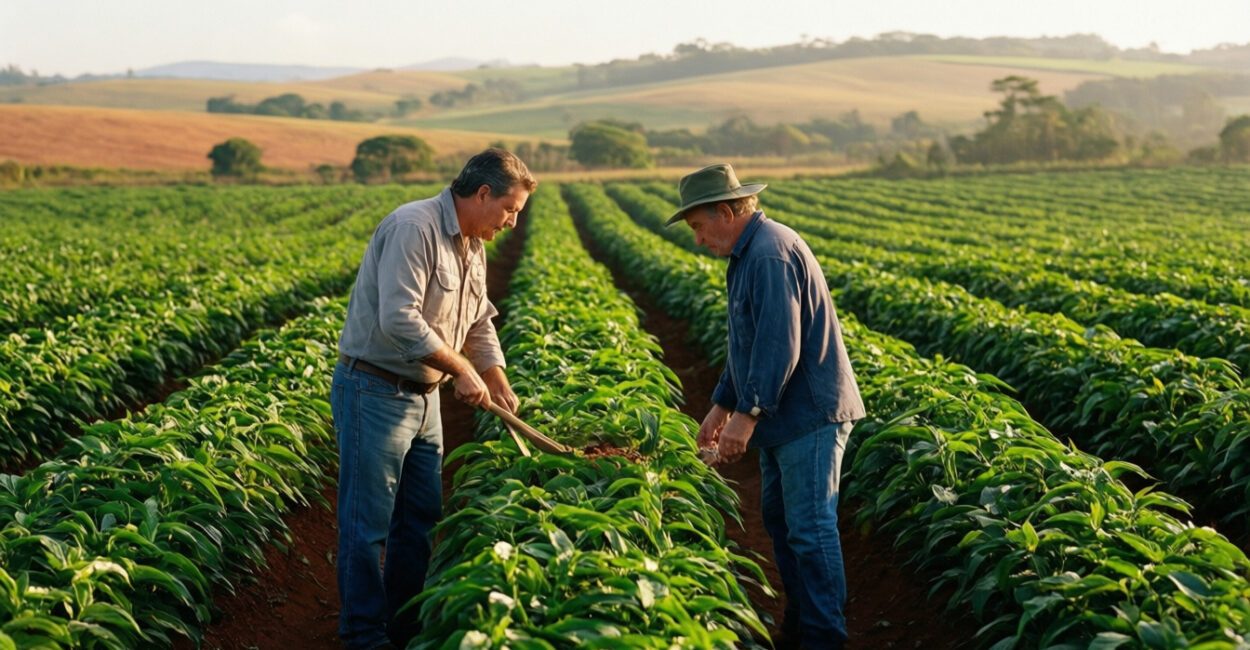
If the person running the farm were suddenly unavailable, would someone know how to authorize a purchase, find a contract, and guide the team? Rural succession is the planning that keeps an agricultural business running and supports the transition of responsibilities. It prepares the next leader and organizes decisions about management and, when applicable, ownership of assets.
These changes do not have to happen at the same time. One person can take over operational decisions while the current owner retains legal ownership; transferring assets, meanwhile, depends on applicable rules and the family’s circumstances. Starting before a crisis gives the family time to test responsibilities, document agreements, and address gaps without leaving payments, production, or business relationships waiting on one person.

Before you begin
- Bring together the people directly involved in operations and decisions about assets.
- Separate family expectations from the needs of the business.
- Gather records of assets, contracts, debts, and commitments.
- Identify tasks that currently depend on the owner alone.
1. What rural succession means and why to plan for it
Rural succession is the planning that keeps a farm operating through a transition in leadership, management, and, when intended, ownership. Inheritance and business succession are related, but they are not the same: inheritance concerns the transfer of assets under applicable rules, while succession planning also organizes who makes decisions and how the work continues. For management, it is important to define who can make decisions about purchases, production, or supervision. For ownership, it is important to know who holds the assets and how ownership may change. The family also needs to make its expectations clear, including when heirs do not work on the farm or do not want to take on a role.
A well-prepared transition clarifies who makes decisions, what authority they have, and how operations will continue during the change.
For family-owned farms, it is worth considering whether family farming can lower costs and strengthen the business, without assuming that this model will resolve succession issues. Rules on inheritance, ownership, and taxes vary by country and jurisdiction; there is no universal legal formula.
2. When to start and how to assess readiness
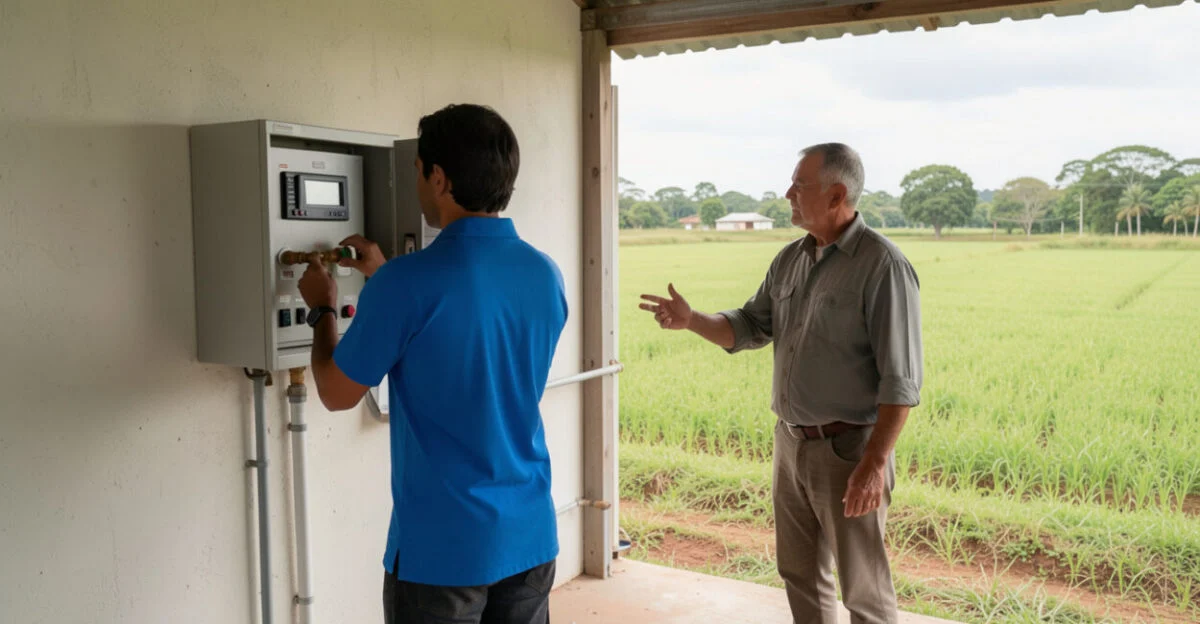
Start before an imminent retirement or emergency, while the current leader can still explain decisions and guide the transition. There is no single right age or timeline: the timing depends on the family, the operation, and the responsibilities that need to change. A successor’s readiness is measured by skills, experience, interest, and decision-making ability—not just family ties. Someone may understand farm operations but still need experience with cash flow, negotiating with buyers, or leading the team. Choosing who takes on each role calls for work-related criteria, not assumptions.
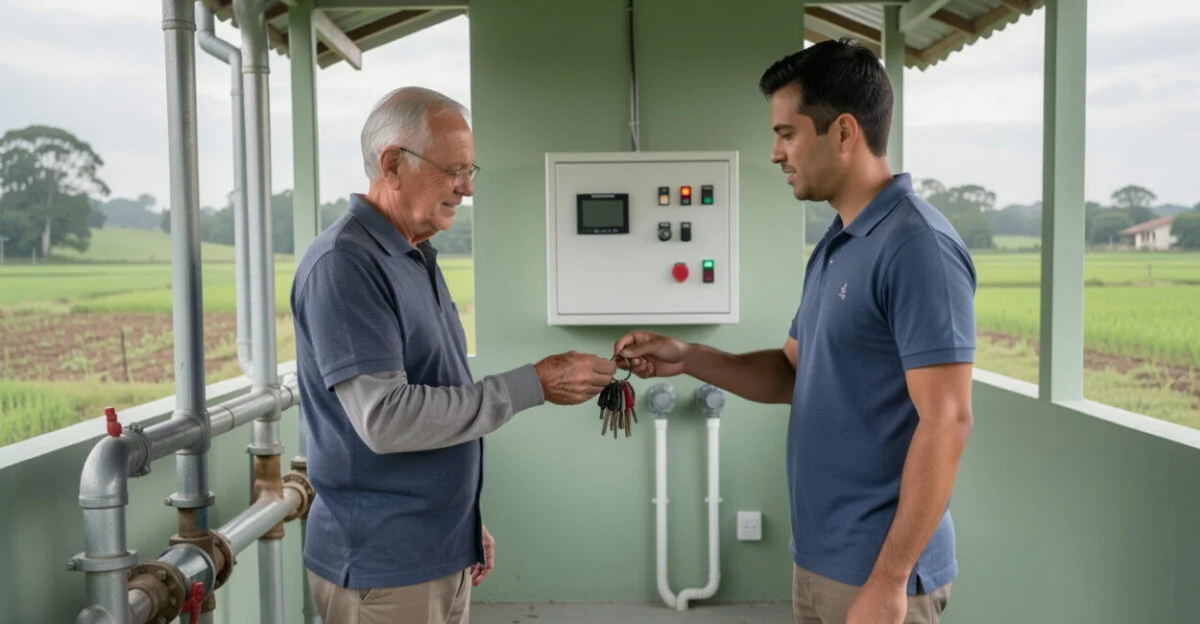
Test operational continuity: imagine the owner is temporarily unavailable and note what would stop. Check who knows the payment schedule, supplier contacts, lease terms, and how to access the necessary systems. One detail that is often overlooked is authorization: knowing an account exists does not mean you have permission to use it.
Compare the available skills with the farm’s actual needs. If no one is ready for a critical role, the answer may be training, gradual delegation, or hiring—not assigning the job to an unprepared family member.

3. How to build a succession plan step by step

Document the process as specific, verifiable decisions. A conversation without assigned owners and next steps tends to leave the same issues unresolved at the next meeting.
Step What to identify or decide Practical outcome Family and business goals Priorities, expectations, and operational limits Criteria to guide decisions Initial inventory Assets, commitments, routines, and operational information A clear picture of what needs to keep running Roles and responsibilities Tasks, authority, limits, and backups Clearly assigned responsibilities Transition and contingency What changes, when it changes, and what to do if someone is absent A transition plan and a response to unexpected events Documentation and review Decisions completed, postponed, or changed An up-to-date tracking document
Use this checklist for the initial inventory:
- Relevant assets and operations
- Contracts and financial commitments
- Critical production and administrative routines
- Current owners of responsibilities and possible backups
- Information and access needed to keep work going
- Outstanding decisions
When delegating a task, put its scope, level of authority, limits, and reporting requirements in writing. A management plan organizes decisions, but it does not replace contracts, wills, or other formal instruments required in the relevant jurisdiction. In Brazil, the Brazilian Civil Code, available on the Planalto government portal, is a legal reference; applying it to a specific situation requires local legal and tax advice.
When planning, also document anything that remains unresolved. A document that leaves out disagreements can create the appearance of consensus and make implementation harder later.
Read also: Rural Tourism: How to Create a Farm Experience
- Create an inventory: List real estate, machinery, livestock, debts, contracts, production activities, and documents. Include property records, tax records, and lease or partnership agreements.
- Define the owner’s goals: Cutting back on work, staying involved in the operation, and transferring control are different scenarios and may call for different steps.
- Map people and roles: Record who works on the farm, what decisions they already make, and which skills they need to develop. Do not confuse family involvement with the ability to manage.
- Set authority and limits: Determine who is responsible for purchases, staff, cash, crop sales, and investments. Specify which decisions require consulting the owner or other responsible parties.
- Create a flexible timeline: Assign each step to someone and set a clear completion marker, such as leading a negotiation or closing the monthly cash report.
- Review with professional support: Have qualified professionals check the legal, accounting, and tax aspects. The right structure depends on the assets, the family, and applicable law.
4. How to involve the family and handle disagreements
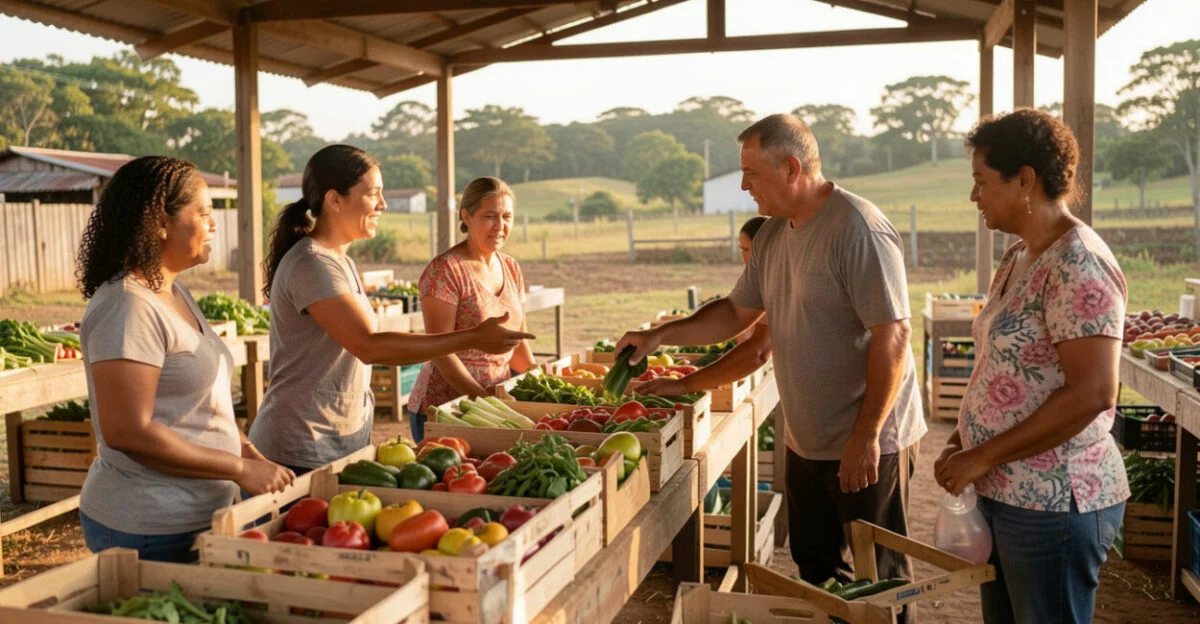
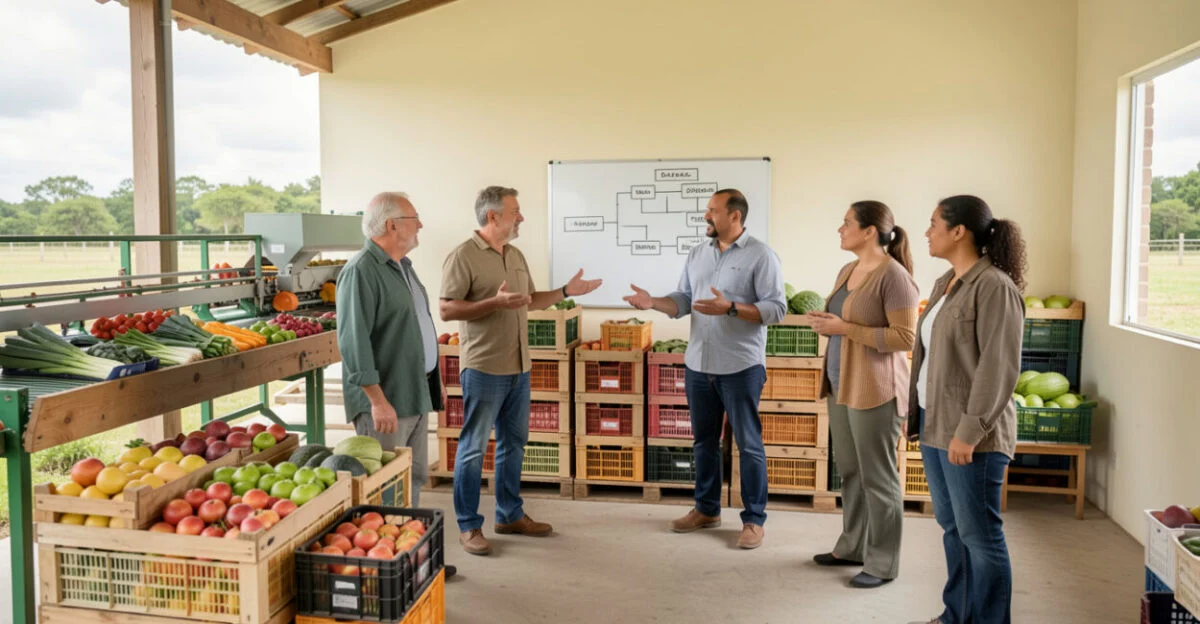
Not everyone needs to attend every meeting. Invite the people directly connected to the topic: managers and potential successors to discuss operations, and family members affected by decisions about assets to discuss those matters. Set the agenda in advance and document decisions, owners, and open issues.
If there is a disagreement, separate the issues. A disagreement over who supervises the team is not the same as a dispute over ownership of assets. If the family cannot decide who should take on a role, they can test the responsibility temporarily and agree on evaluation criteria in advance, such as the quality of decisions, completion of tasks, and communication with the team.
Read also: Rural Well Permits: What to Know Before Pumping Water
A structured conversation can help clarify expectations and improve communication. If meetings stall, an independent mediator or facilitator can help guide the discussion, though there is no guarantee everyone will reach an agreement.

5. What to transfer and when: management, ownership, and legal instruments
Delegating operational decisions does not, by itself, transfer ownership of the farm; owning an asset does not determine who runs the day-to-day work, either. For each change, identify what is being transferred and which formalities apply.
- Leadership: Who sets priorities and is accountable for the organization’s decisions.
- Day-to-day management: Who handles or supervises purchasing, production planning, and staff within a defined scope of authority.
- Asset ownership: Who owns land, equipment, or business interests, and how ownership may change under local law.
There is no required sequence. For example, the family can first delegate team supervision while leaving other decisions with the owner. Contracts, wills, and business structures require appropriate legal and tax advice; their effects depend on the documents, the type of asset, and the jurisdiction.
The Brazilian Civil Code does not set rules for other countries. Even in the United Kingdom, inheritance and ownership rules differ across England and Wales, Scotland, and Northern Ireland. The GOV.UK guidance on inheritance tax applies to the jurisdiction covered by that service and should not automatically be applied to farms elsewhere.
6. How to protect production, cash flow, and your team
Organize the transition so that payments, purchases, and production decisions do not depend on one person alone. Before changes take effect, tell the team who makes decisions, where to direct problems, and which responsibilities have changed.
Review working capital and financial commitments with professionals who understand the operation. Cash needs depend on the production cycle and the farm’s obligations, so do not assume there is a standard amount. Contacts for buyers and routes to market from farm to shelf should also be available to whoever takes over the work.
If the farm plans to develop a family-owned agricultural processing business, include it in the map of responsibilities and commitments. When assessing how to organize a family-owned agricultural processing business, also consider who is responsible for operations, contracts, and customer communication. Systems and digital information should have authorized access and clear instructions for use; do not share passwords without considering security and permissions.
Checklist for an unexpected absence:
- Authority to make urgent decisions
- Communication with the team
- Priority operational tasks
- Essential contacts for suppliers, customers, and professionals
- A plan to cover for anyone who is unavailable
Continuity depends on the team understanding its responsibilities before a leader’s absence puts them to the test.
7. How to track the plan and address gaps
Assign someone to record what has been completed, postponed, or changed, along with the person responsible for each step. Review the plan when the family, roles, operation, or external conditions change; a fixed review schedule may not work for every farm.
Check that the team understands its current responsibilities and that formal documents remain consistent with the family’s decisions. When the farm or family changes, also make sure the list of access permissions, backups, and contacts still reflects how the operation works.
To get started, bring together the key people and map the tasks that cannot stop. In your first structured conversation, choose one specific gap identified by the continuity test and decide who will address it and when to review the result.
Frequently asked questions
Do all heirs need to attend meetings about the farm?
No. Participation should depend on the topic and who will be affected by the decision. People involved in the operation can discuss management, while family members affected by decisions about assets should take part in the relevant conversations.
What should go in the farm’s initial inventory?
Include relevant assets, operations, contracts, commitments, critical routines, responsible parties, backups, and information needed to keep work going. Also document pending decisions and tasks that depend on one person alone.
How can you prepare the team for a leadership change?
Tell the team in advance who makes decisions, where each person should report problems, and when new responsibilities begin. The team also needs to know what to do if someone is unexpectedly unavailable.
Do delegated tasks need to be documented in writing?
Documenting the scope, authority, limits, and reporting requirements helps prevent misunderstandings. Requirements may vary depending on the task, the assets involved, and the jurisdiction; internal documentation does not replace legal instruments when those are required.
What should you do if the family still disagrees about how to assign roles?
Separate the disagreement by topic and avoid mixing management issues with ownership. If circumstances allow, try assigning a responsibility temporarily and agree on evaluation criteria in advance; an independent facilitator can help if the discussion stalls.
How do you know when the plan needs to be reviewed?
Review it after changes in the family, operation, roles, or external conditions. Also check it when formal documents no longer reflect the decisions or when the team is unsure who is responsible for a task.
Artigos Relacionados
 The Best Careers of the Future: A Detailed Look at Promising Fields, Essential Skills, and How to Prepare for the Job Market
 Essential 21st-Century Skills: Prepare for the Future
 Rural Succession: How to Prepare Your Farm for the Future
 Farm Insurance: Coverage and How to Choose a Policy
 Short Story Models for Essays on Strong Agriculture, Sustainable Futures
 Why Local Agroecology Attracts Young People and Offers a Future
