
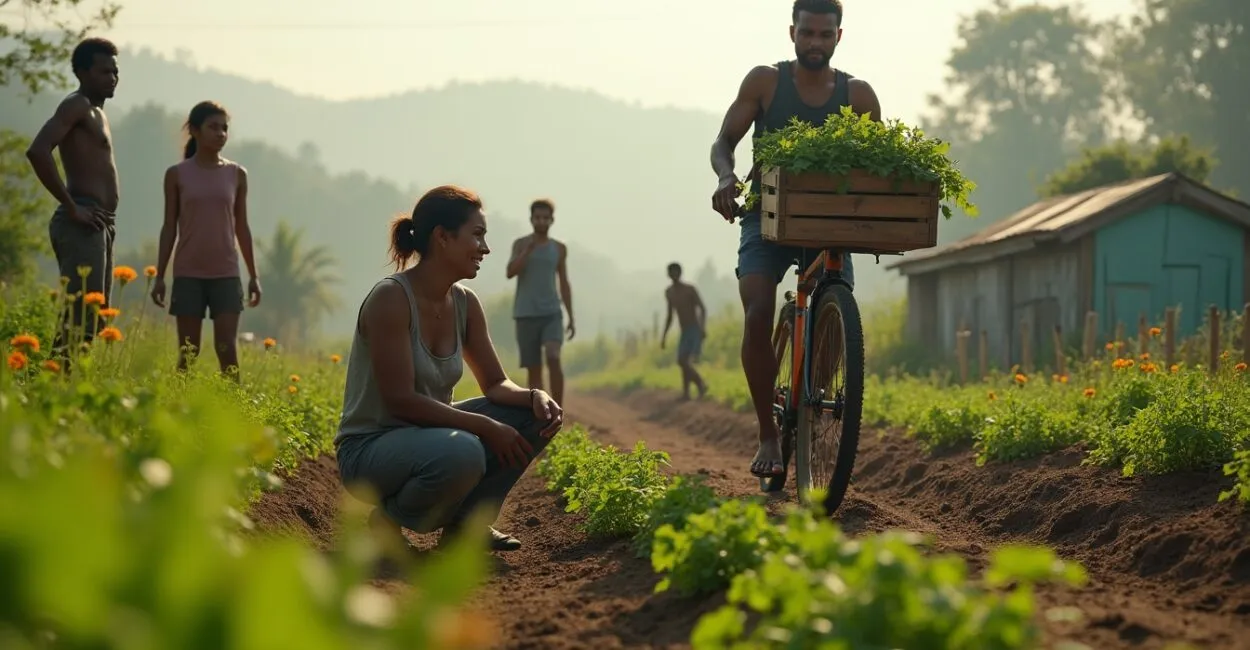
Have you noticed something changing on farms in your area—a new energy that comes not just from technology, but from people? Local agroecology is an answer for those who want to produce with purpose, earn a living, and care for the soil without sacrificing the future.
I’ll introduce you to young people who moved to the countryside, educational initiatives that teach through hands-on experience, and projects that bring food from the garden to the table faster. Stick around, and you’ll see why this approach is reshaping rural communities and creating new local food networks.

Why Local Agroecology Attracts Young People and Offers a Future
Have you noticed young people returning to the countryside in search of purpose, not just profit? Many are drawn by independence, direct-to-consumer sales, and a visible environmental impact.
What’s Driving This Trend
It’s a mix of frustration with the traditional market and a desire to build projects with a distinct identity. Some have found support through programs such as those offered by Embrapa, Brazil’s agricultural research corporation, and technical agroecology courses that combine science with traditional knowledge.
- A connection to the land
- Direct sales to consumers
- Hands-on, collaborative learning
These factors help explain why many young people see local agroecology as a viable alternative that makes both economic and ethical sense.
How Educational Projects Are Training a New Generation of Farmers
Agroecology schools, extension programs, and rural collectives are creating hands-on learning spaces. Think about it: learning to grow crops, make compost, and handle marketing together is far more powerful.
Partnerships That Work
Universities and nonprofits contribute knowledge, while the community brings experience. Rural extension programs that connect students with productive home gardens are a great example.
Leia também: Cultural Funding: Risks and New Sources for 2025
- Hands-on workshops
- Peer mentoring
- Local markets
These activities bring technical expertise together with local culture, speeding adoption and strengthening nearby consumer networks.

The Role of Simple Technology in Short Supply Chains

You don’t need high-tech solutions—you need accessible tools: management apps, digital payments, and local logistics. Together, they improve efficiency without losing the personal connection.
Leia também: Neighborhood Store: 5 Ways to Attract Customers in 2025
Tools I Recommend
Payment platforms such as PicPay, a Brazilian digital payment app, and community marketplace solutions help farmers sell directly to consumers. Here’s the key: technology is an ally when it makes a producer’s life easier.
Comparison: Traditional Farming vs. Local Agroecology
| Criteria | Traditional Farming | Local Agroecology |
|---|---|---|
| Inputs | Industrial chemicals | Composting and biodiversity |
| Market | Intermediaries | Direct sales, farmers markets, and CSA |
| Social impact | Rural exclusion | Local job creation |
The table offers a quick look at how changing models affects economic and social outcomes—and why many young people prefer the second approach.

How to Build Short Supply Chains in Practice
Want to shorten the path from farm to table? Start by identifying local customers, setting up a subscription program (CSA), and taking part in farmers markets. Pick up the phone and talk to restaurants and neighborhood grocery stores.
Local Agroecology and CSA
Community Supported Agriculture (CSA) connects farmers and consumers through advance payments, helping with cash flow. This model builds strong relationships and makes income more predictable, which is essential for farm planning.
- Weekly subscriptions
- Restaurant partnerships
- Farmers markets and pickup locations
It takes organization, but the payoff is greater stability and a direct relationship with the people who buy your food.
What to Avoid When Starting with Local Agroecology
- Copying models without adapting them to the local area
- Underestimating financial management
- Working in isolation instead of building networks
Avoiding these common mistakes helps keep a project from burning out too quickly. Planning, collaboration, and continuous learning are essential to turn good intentions into lasting income.
Real-World Examples and Where to Find Support
Rural cooperatives, youth collectives, and public programs are already showing the way. Look into projects in local networks and agencies such as Brazil’s Ministry of Agriculture for funding opportunities. For practical examples, explore initiatives documented by Embrapa, Brazil’s agricultural research corporation, and guidance from the FAO, which can help you build projects on a strong technical and social foundation.
Conclusion You’ve seen why local agroecology has become a promising option for young people, bringing purpose and market opportunity together. It’s not a fad—it’s a way of life and a smart economic strategy. Now look around your community: what role could you play in this local food network? Get involved, spread the word, support a nearby project, and watch its impact grow.
Frequently Asked Questions
What Exactly Is Local Agroecology?
Local agroecology is a set of farming practices that combines traditional and scientific knowledge, prioritizes biodiversity and soil management, and serves nearby markets. It’s both a social and production model that aims for economic and environmental sustainability, promotes local food consumption, strengthens communities, and reduces reliance on middlemen and the risks associated with large quantities of outside inputs.
How Can Young People Start an Agroecology Project?
Start by getting hands-on experience, taking extension courses, and connecting with local collectives. Planning what to grow, managing finances, and choosing sales channels such as CSA or farmers markets are crucial. Seek partnerships with universities, nonprofits, and public agencies that offer training and technical support, and test your idea on a small scale before expanding.
What Are the Most Common Startup Costs?
Costs include basic tools, seeds, composting materials, simple irrigation infrastructure, and packaging for direct sales. Marketing and logistics costs may also come up. Many projects cut expenses through local exchanges, community workdays, and institutional support, making it possible to get started with a modest investment.
Where Can You Find Customers Interested in Local Products?
Look for customers at farmers markets, in responsible-consumption groups, at restaurants that value knowing where their food comes from, and on digital platforms. Partnerships with neighborhood grocery stores and subscription programs (CSA) can help ensure steady demand. Direct communication about a product’s quality and story helps attract loyal customers.
What Institutional Support Is Available for Local Agroecology?
Support may include rural extension programs, specialized credit lines, and grant opportunities. Agencies such as Embrapa, Brazil’s agricultural research corporation, and state agriculture departments offer technical assistance and training. Also reach out to nonprofits, farmer networks, and universities that can help you access resources and build visibility.
.Artigos Relacionados
 Financial Literacy for Young People: A Complete Guide to Building a Secure Future
 Family Agribusiness: The Hidden Risk in Local Supply Chains
 Climate Change: Causes, Impacts, and Solutions for the Future
 Online Education Degrees: The Hidden Risk Few People Discuss
 Teaching Careers: How to Plan Your Future in Education
