
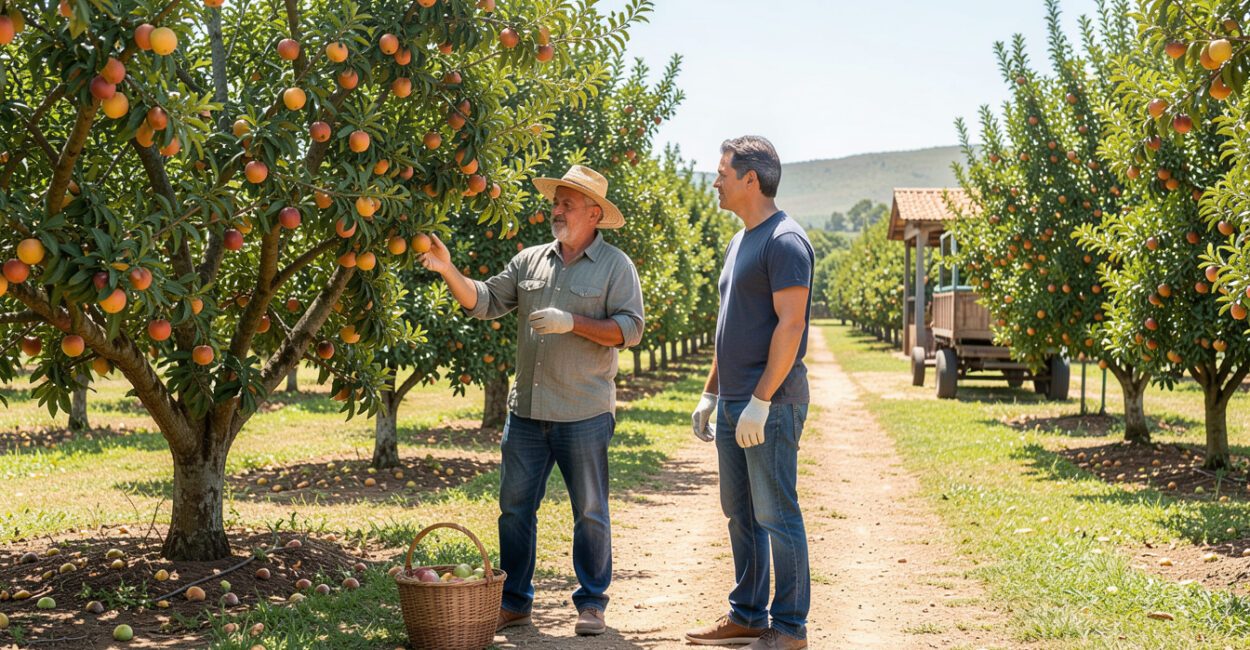
A scenic trail or a productive orchard isn’t enough on its own to sustain visitor activities. To figure out how to start rural tourism, begin by identifying what your property can safely and consistently offer; then choose an audience, test a small-scale experience, and check costs and local requirements before investing in renovations or lodging.
Rural tourism is tourism developed in rural areas and connected to agricultural production, the landscape, and country life. For visitors, it might mean following a harvest, learning where their food comes from, or spending the day in a natural area. For hosts, it means organizing these experiences as a service without disrupting the farm’s work.

The safest approach is to design an offering that fits the property’s routine and capacity. Lodging can be part of the plan, but it isn’t a prerequisite: a guided tour lasting a few hours may be an easier first option to test.
Key takeaways
- Choose an experience connected to the farm’s production, landscape, or local culture.
- Define your audience, visit length, group size, and activities before setting a price.
- Start with small groups to gauge demand and identify operational adjustments.
- Check municipal and state rules based on the services you plan to offer.
How to start rural tourism and assess your farm’s potential
To create a rural tourism offering, turn an actual farm resource into an organized, safe experience that fits the production schedule. Map attractions, access, facilities, risks, and staff availability; then choose a format you can test on a small scale. Viability depends on visitor interest as well as your ability to host guests without disrupting farm activities.
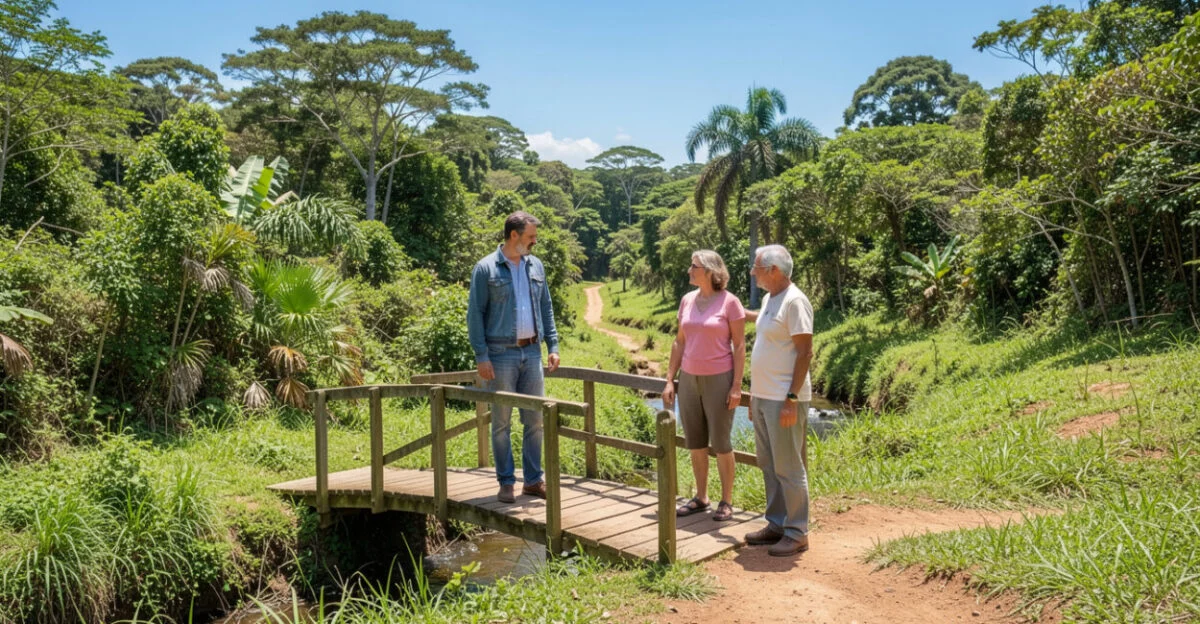
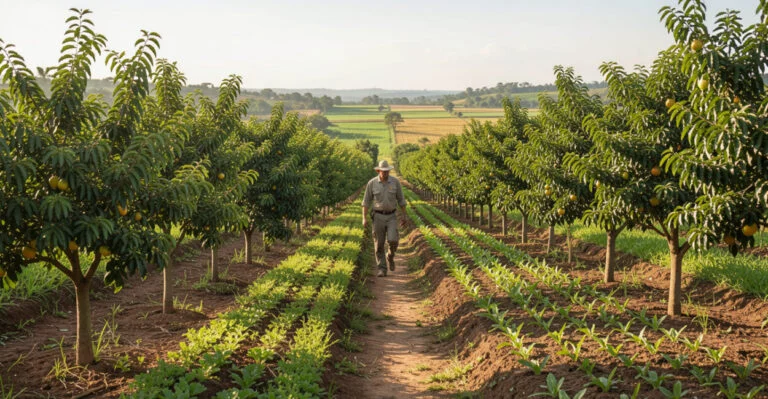
Take an honest inventory. An orchard might support a seasonal visit, but may not be suitable for hosting groups year-round. A stream may attract visitors, but it requires a risk assessment, signage, and clear rules for access. Also note things that are easy to overlook: available restrooms, shade, parking, cell service, and whether people can get around on rainy days.
Consider how visits fit with farm work. If harvesting happens in the morning, for example, schedule arrivals to avoid interfering with machinery, animals, and staff. Understanding an agricultural technician’s routine helps show why knowing the production calendar and site conditions is part of planning—not just a detail of welcoming guests.
How to define your audience and the experience your property offers
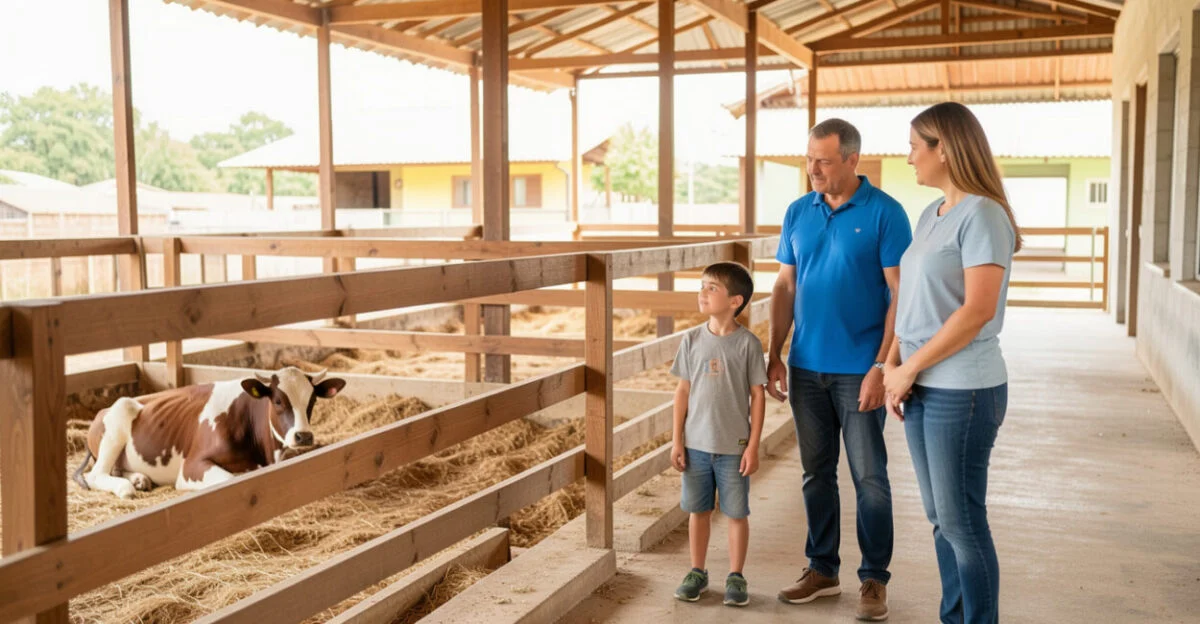
First decide who is most likely to enjoy what your property offers, and then design the activity. Families with children may prefer short, hands-on visits; school groups need educational content, organized transportation, and careful supervision; couples may be looking for good food or a relaxing stay. An offer designed for everyone tends to feel generic and is hard to price.
Describe the experience in concrete terms: what visitors will do, how long they’ll stay, what’s included, and what they should bring. “Visit the farm” doesn’t explain what you’re offering. “A two-hour orchard tour with an overview of cultivation and a tasting of seasonal products” helps customers decide whether the activity matches their interests.
Be clear about what the tour doesn’t include, too. If visitors can’t enter certain barns or touch the animals, let them know before they book. Transparency helps prevent disappointment and protects both visitors and farm operations.
What kinds of farm experiences can you offer?

The right format depends on available resources, the time of year, and the level of infrastructure the operation can maintain. The table compares some options; it doesn’t mean every one is right for every property.
Format Example activity Facilities and considerations Potential audience Production experience Guided harvest or an introduction to a stage of production Designated area, hygiene rules, and staff supervision Families, school groups, and people interested in food Farm-to-table dining Tasting, coffee, or a meal featuring ingredients from the property Suitable food-service space and confirmation of local health requirements Visitors interested in cooking and regional products Nature and scenery Guided hike, bird-watching, or a visit to a spring Assessed trail, signage, guidance, and a plan for changing weather Small groups and people interested in outdoor activities Lodging Overnight stay in a farmhouse, cabin, or adapted accommodation Facilities, cleaning, maintenance, guest services, and applicable lodging requirements People seeking longer stays and time in a rural setting
Experiences connected to farm production can showcase what the farm already does, but they require care around biosecurity and visitor access. If the property has apiaries, for example, visitors must keep a safe distance and follow beekeeping protocols. The overview of beekeeping on a rural property can help explain the specific considerations involved.
A hike may not be possible during the rainy season, and a harvest tour may depend on a narrow window. Plan an alternative or cancel the activity when conditions aren’t suitable. Sustainable rural tourism means protecting soil, water, plants, and animals, while also respecting the local community and the property’s visitor capacity.
How to plan facilities, safety, and guest services
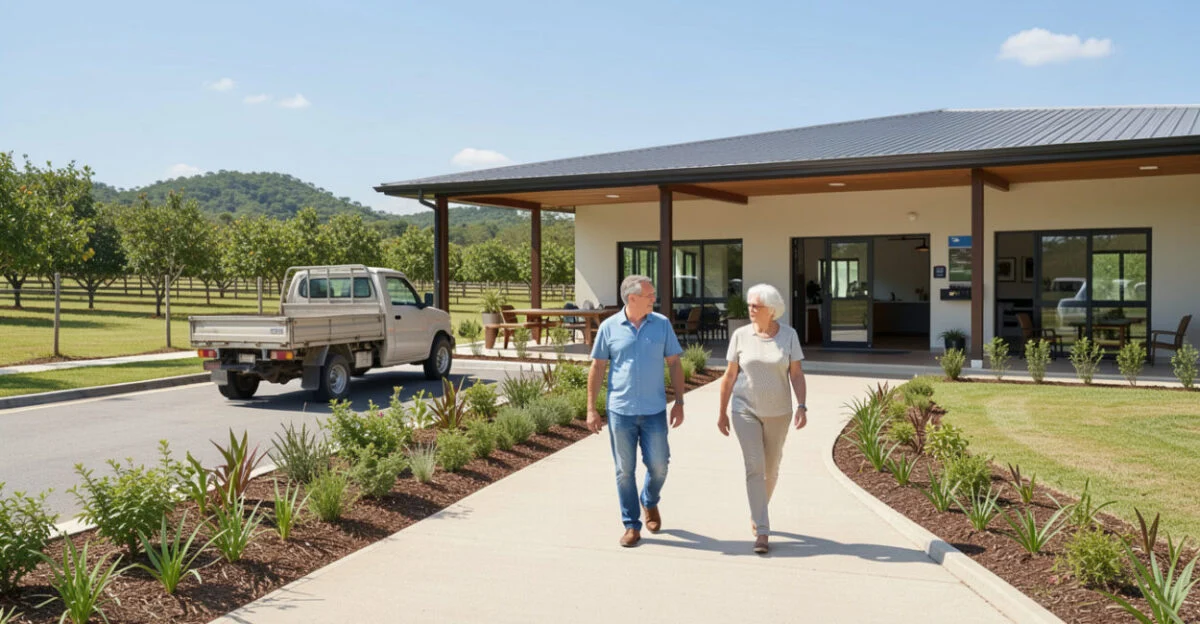
Size your facilities for the group your staff can manage, not for the amount of space on your land. A large field doesn’t make up for a lack of restrooms, shade, parking, or clear directions. To get started, limit bookings and track how long it takes to welcome, guide, and see off each group.
Read also: Rural Well Compliance: What to Check Before Drawing Water
Walk the route as if you were a visitor, from the arrival point to the restroom, activity area, and exit. Look out for steps, slippery surfaces, hard-to-open gates, stretches without shade, and crossings with vehicles or farm equipment. Practical details like these often cause problems precisely because they seem familiar to people who work on the property.
Build accessibility into the service from the start. Clearly describe the terrain, distances, elevation changes, and available resources; consider possible accommodations, such as a shorter route or an accessible viewing area. Don’t promise universal access if the site’s physical conditions make it impossible to guarantee.
Read also: Efficient Irrigation: How to Plan Farm Water Use
Prepare guidelines for severe weather, accidents, contact with animals, and movement near machinery. Decide who can stop the activity, where visitors should wait, and how staff will call for help. Keep safety instructions brief and give them before the tour—not after the group has reached a hazardous area.
How to calculate costs, pricing, and viability
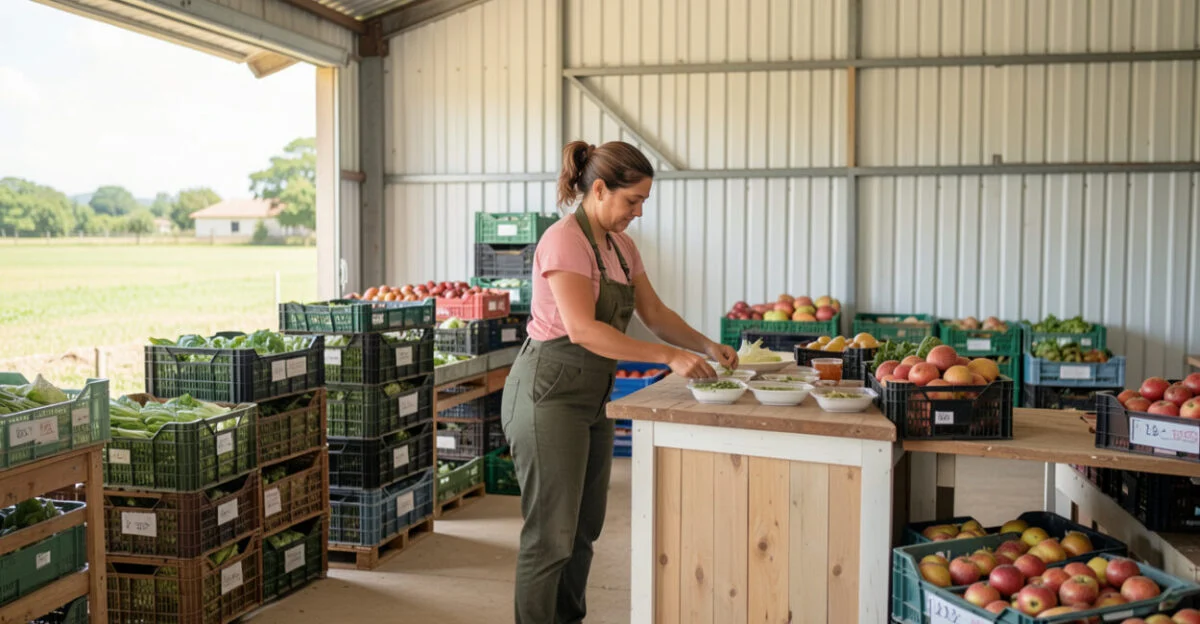
Your price should cover the cost of the experience and compensate the people involved, without relying on visitor numbers the farm hasn’t yet proven it can attract. Calculate preparation and maintenance costs, supplies, food, cleaning, promotion, payment processing fees, and staff hours. Also account for opportunity cost: time spent with visitors can compete with farm duties.
Separate startup investments from recurring expenses. A sign, restroom, or access improvement may require an upfront outlay; cleaning, supply replacement, and maintenance are ongoing costs. There’s no standard investment amount for every property: costs vary based on the format, existing conditions, location, and applicable requirements.
A sample calculation can help organize your numbers. If a visit costs R$ 600 to run and 20 people pay to attend, the operating cost is R$ 30 per person. That’s not the final price: you still need to account for compensation, taxes and fees, any fixed costs, and the margin needed to sustain the activity.
To test demand, offer a few dates with advance reservations and track inquiries, bookings, no-shows, and reviews. If many people ask about an activity but few book, look into price, timing, distance, and how clearly the offer is described before investing in permanent facilities. Digital tools for farm operations can also help manage reservations and organization, as long as the solution is suited to the scale of the operation.
Which registrations and legal requirements should you check?
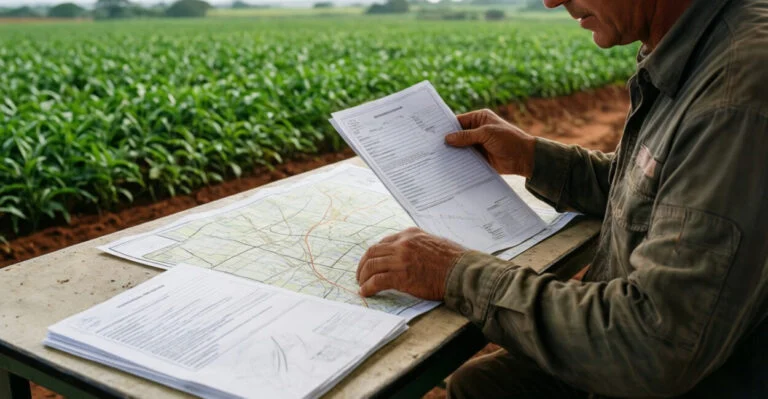
Requirements vary by municipality, state, and type of service, so hosting visitors may involve different checks than serving meals or offering lodging. Contact your city or town government and the relevant state agencies about land use, business permits, health regulations, fire safety, and other licenses that may apply. Don’t assume that compliance for agricultural production automatically covers tourism operations.
Cadastur is the Brazilian Ministry of Tourism’s official registry for tourism service providers. Whether registration is mandatory depends on the type of service and the rules in effect; check official guidance before advertising your activity. Start with the Cadastur website and confirm with local agencies how the requirements apply to your situation.
If you offer food, lodging, transportation, or activities with specific risks, requirements may differ. A guided tour without a meal shouldn’t be treated as equivalent to a business that serves meals and accommodates guests. The correct classification depends on what you actually sell and may require guidance from a local accountant or attorney.
How to promote, manage bookings, and learn from reviews
Give people enough information to decide: duration, price, dates, meeting point, access conditions, what’s included, restrictions, and cancellation policy. Photos should show what visitors can expect, not just a landscape without context. If the activity is seasonal, explain when it usually takes place.
Use channels that fit your audience: a business profile on social media, your own website, digital maps, or partnerships with nearby lodging providers and guides. Agree with partners on commissions, availability, and booking confirmation. For activities connected to family farming, working with local producers and initiatives can expand the offering without requiring one property to handle every step on its own.
Manage bookings in a shared calendar and confirm the time, number of participants, and arrival instructions in writing. After the visit, ask for a review and sort feedback by topic: access, duration, service, food, or activity. Repeated complaints about the same issue point to an operational problem that needs to be fixed—not just answered politely.
Frequently asked questions
Can I start by offering visits on just a few dates?
Yes. Offering visits on selected dates lets you test demand and adjust operations without maintaining a daily schedule. Let visitors know in advance when you’re open and update the calendar if production demands or weather make a visit impossible.
How can I organize visits on a property with poor internet service?
Confirm bookings before visitors arrive and keep a list available to staff with contact details and any needs visitors have shared. Send directions in advance, including landmarks and what to do if the route changes.
What should I do when an activity depends on the harvest?
Make seasonality part of the offering: share the expected season, confirm crop conditions before each date, and have an alternative that preserves the educational value of the visit. If the harvest doesn’t go as planned, explain the change clearly and offer visitors options.
How can I balance visitor access with the privacy of people who live on the farm?
Designate areas for tourism and set visiting hours, keeping residential spaces off the tour route. Staff should know the boundaries and guide visitors courteously; visible signs help keep curiosity from leading people into private areas.
Start by designing a simple pilot: one activity, a defined audience, a few dates, and a participant limit that fits your staff capacity. Before opening bookings, check the route, estimate costs, and confirm requirements with the local government and relevant agencies. Only then decide whether there’s a reason to expand facilities or add services.
Artigos Relacionados
 Beekeeping: How to Start Raising Bees on a Farm
 Rural Succession: How to Prepare Your Farm for the Future
 A Complete Guide to Entrepreneurial Education: Build Leadership Skills, Create an Effective Business Plan, and Start a Successful Career
 Agritourism: 5 Profitable Rural Experiences in 2025
 Crop Insurance: How to Evaluate Farm Coverage
 Agroforestry: How to Combine Trees and Crops on a Farm
