

Choosing among auto insurance coverages means comparing what each policy pays for, which risks remain your responsibility, and how much it costs to transfer those risks to an insurer. Consider damage to your own car, liability for losses caused to others, deductibles, limits and exclusions, as well as how you use the vehicle and your available budget.
How to Choose Car Insurance and Compare Coverage
The best option depends on which risks you want covered and how much you can afford to pay out of pocket if you file a claim. Compare quotes with the same coverages, limits, and deductibles; prices alone don’t show which policy offers the most suitable protection. Insurers use different product names and combinations of coverages, so base your decision on the terms of each policy.

The key difference is what the policy protects: the insured vehicle, losses caused to others, or both, if you purchase the corresponding coverages. A broader policy may cost more, but that doesn’t guarantee it includes every event or service you expect.

What to compare before looking at the price
Insurance coverage is the insurer’s contractual obligation to pay a claim, subject to the specified terms and limits. Roadside assistance, such as towing or mechanical help, is a service with its own rules; it is not the same as claim compensation and may have limits on distance, the number of service calls, or geographic availability. Check these items in the quote and policy documents:
- Damage to your own vehicle: Which events are covered and under what circumstances.
- Theft: Which incidents qualify for compensation and what requirements must be met.
- Liability coverage: Limits for property damage and bodily injury caused to others.
- Deductible: The amount and situations in which you share the cost of repairs.
- Exclusions and obligations: Risks not covered, information you must disclose, and procedures for reporting a claim.
- Assistance and add-ons: Included services, usage limits, and terms, such as rental car availability or glass coverage.
A small difference in how an offer is described can change what’s covered when you file a claim. Brazil’s Superintendência de Seguros Privados (SUSEP), the national insurance regulator, provides consumers with information about insurance and policyholder rights. Use its official information alongside the specific terms of your policy.
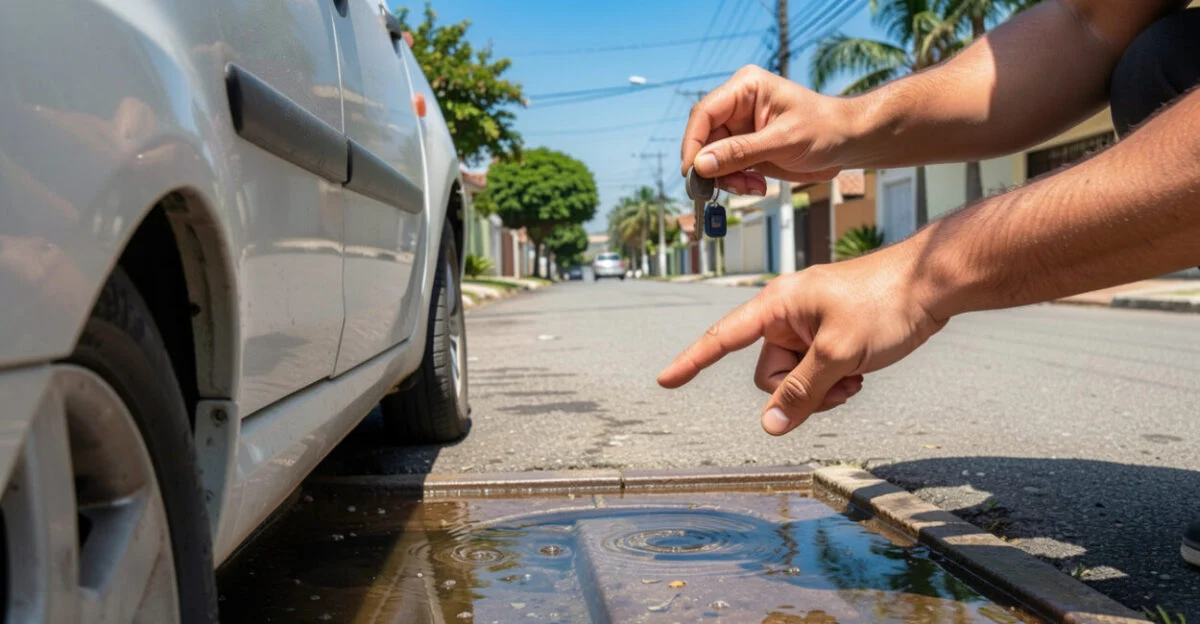
Main car insurance coverage options

Coverage for your own vehicle pays for losses caused by events specified in the policy. Terms like “comprehensive” don’t define a universal package: check which events each insurer includes, the conditions for filing a claim, and any applicable exclusions. If available, an option focused on theft may suit drivers who prioritize that risk. Don’t assume it automatically covers collisions, flooding, or other damage. Also check how the policy handles claim payments and what documents or steps are required.
Brazilian optional motor vehicle liability coverage (RCF-V) may cover property damage or bodily injury caused to others, up to the limits you choose and subject to the policy terms. It doesn’t cover your own car. For the legal basis of insurance contracts in Brazil, consult the Código Civil (Brazilian Civil Code); how it applies depends on the contract and relevant rules.
Glass coverage, rental car coverage, and roadside assistance may be offered as add-ons or services, depending on the policy. Check maximum amounts, time limits, and restrictions. For example, a rental car benefit may be limited to a set number of days and subject to specific eligibility requirements.
Read also: Insurance Agent: A Complete Guide to the Profession

Compare your options side by side
The categories below can help organize quotes, but they aren’t standardized packages. Availability and coverage combinations vary by insurer and policy.
Criteria Broader coverage for your own vehicle Theft-focused coverage, if available RCF-V liability coverage for others Damage to your own vehicle ✓ May include events beyond theft; check which ones Generally, don’t assume other damage is covered Doesn’t cover your own vehicle Theft Check what’s included and the applicable terms ✓ This is the focus; check the terms Doesn’t cover the insured’s vehicle Damage to others Only if you also purchase RCF-V Only if you also purchase RCF-V ✓ Up to the limits you choose and subject to the policy Deductible Check the amount and when it applies Check whether one applies and when Check the terms; don’t assume the same rules as for your vehicle Assistance and add-ons May be included or purchased separately Check availability and limits Don’t assume these are included Key consideration Cost, deductible, covered events, and exclusions Other risks may remain uncovered Claim limits and no coverage for your own car

Deductibles, limits, and exclusions: what affects your decision
A deductible is the amount you pay toward repairs in certain situations, depending on the coverage and policy terms. It doesn’t necessarily apply to every claim. A common mistake is comparing deductible amounts without checking when they apply. To avoid surprises, ask for examples based on the events covered in the quote.
Read also: Auto Insurance: What to Do After an Accident
Coverage limits set the maximum amount available for each type of claim. For RCF-V, check the limits for property damage and bodily injury separately: the limit for one category shouldn’t be confused with the other. Also check whether special rules apply to related expenses.
Exclusions specify situations that aren’t covered, while the policy terms set out the steps for filing a claim. Inaccurate information about how the car is used or who drives it can affect the claim review. Read what you’re required to disclose and keep your information up to date with the insurer.
A lower deductible or higher limit isn’t always the best choice. The cost of the policy and your ability to pay for an uncovered loss both matter. To understand how this could affect your budget, it may help to organize your finances when your income varies.
How to compare quotes without assuming they’re equivalent
Get quotes with the same coverages, limits, deductibles, and services. Then check whether roadside assistance offers the same scope and whether add-ons, such as glass coverage or rental car coverage, have equivalent terms. One offer may seem cheaper because it leaves out coverage included in another.
If the summary doesn’t explain a difference, ask the agent or insurer and request written confirmation before buying. Keep the quote and policy documents you receive: marketing materials alone don’t replace the policy and its terms.
- Which events are covered for damage to my vehicle?
- What limits apply to each type of liability coverage?
- When do I pay a deductible, and how much is it?
- Which risks and services are excluded or limited?
- What do I need to disclose about drivers and vehicle use?
The insurance cost should also fit your budget without jeopardizing essential expenses. Organizing your expenses and budget can help you decide how much to set aside for the policy and for potential uncovered costs.
Which option makes sense for different drivers
Consider broader coverage if:
- You also want to cover damage to your own car, in addition to considering protection against theft.
- You drive frequently and don’t have enough financial cushion to cover certain repairs.
- The coverage, deductible, and quote cost fit your budget.
Consider theft-focused coverage if:
- This is the main risk you want to reduce and the insurer offers this type of coverage.
- You’re willing to pay for other damage not covered by the policy.
- You’ve read the claim payment terms and checked the exclusions.
Consider RCF-V if:
- You want to reduce the financial risk of causing harm to others.
- You’ve compared the limits for property damage and bodily injury.
- You understand that this coverage doesn’t protect your own vehicle.
If you drive infrequently or have a limited budget, compare the policy cost with the risks you’re willing to take on, rather than automatically choosing the lowest price. If the quote doesn’t clearly state the limits, deductibles, or exclusions—or if the uncovered risks exceed what you can afford—none of the options you reviewed is suitable without adjustments.
Frequently Asked Questions
Can you add coverage after buying a policy?
It depends on the insurer’s rules and the policy. Before relying on a change, confirm whether it requires a new review, changes the price, or takes effect only on a specified date.
Can switching insurers leave your car without coverage?
There may be a gap between the end of one policy and the start of another if the dates aren’t coordinated. Confirm the new policy’s effective date in writing, and don’t assume coverage starts when you get a quote or make a payment.
Can an insurance policy include towing without covering collisions?
Yes. Towing may be a roadside assistance service purchased separately or included in an offer, while collision coverage depends on the insurance coverage specified in the policy. Check the limits and terms for each item.
What should you do when two quotes use different names for similar coverage?
Compare the covered events, exclusions, limits, and conditions for filing a claim under each option. Before choosing, ask the agent or insurer to explain the differences in writing.
Does liability coverage include unlimited claim payments?
No. RCF-V is subject to the limits you choose and the policy terms. Check the amounts for each type of damage and consider whether they provide the level of protection you want.
Because prices and terms vary among insurers and policies, confirm the amounts in a current quote and review the policy terms and SUSEP’s official channels for the applicable rules.
Artigos Relacionados
 Life Insurance: How to Choose Coverage for Your Family
 Farm Insurance: Coverage and How to Choose a Policy
 Health Insurance: How Waiting Periods and Coverage Work
 Travel Insurance for Families With Kids: How to Choose
 Itaú Home Insurance: Quotes, Coverage, and Is It Worth It
 Crop Insurance: How to Evaluate Farm Coverage
