
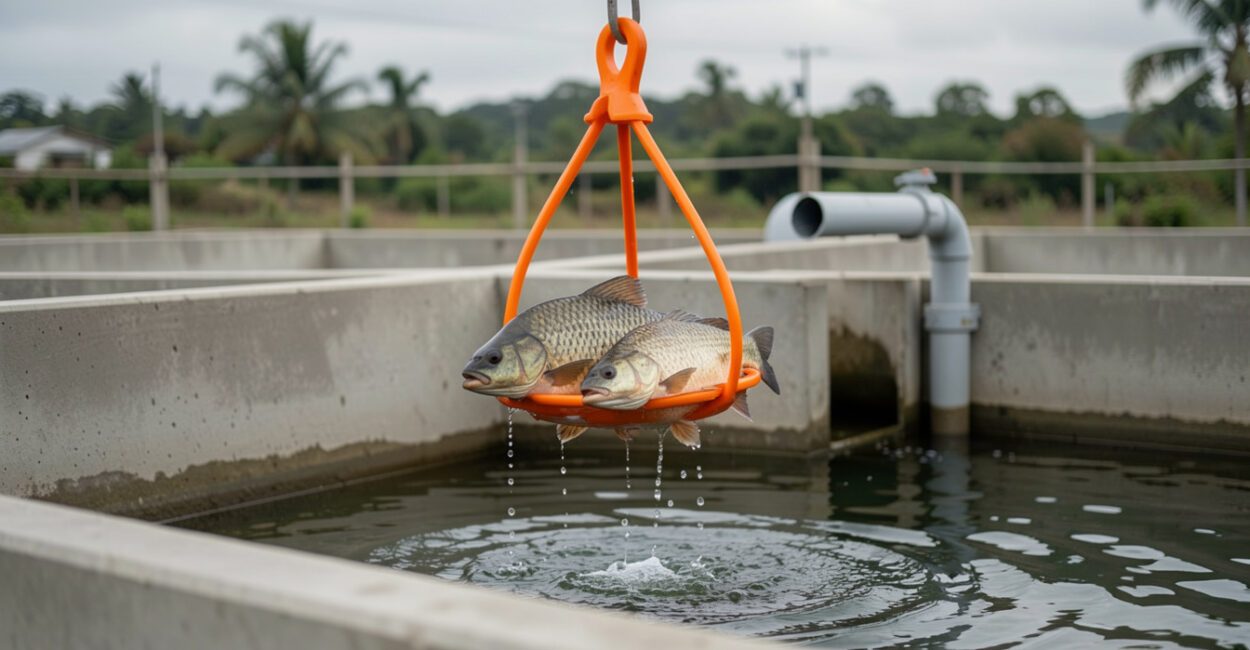
To start a fish farm, define your goals, choose a species suited to your region, and size the system based on your land, water, and market. Before building ponds or buying fish, check environmental and water-use requirements and prepare a budget. There is no one-size-fits-all answer to how much space you need for 1,000 tilapia: it depends on the system and planned biomass.
Fish farming is a business that requires planning before you stock your first fish. A rushed decision about ponds or species can affect water quality and your ability to sell the fish. The steps below will help you make choices, estimate costs, and plan daily management. For more on rural planning, also see this guide to planning a fish farm on your property.

Key Points to Decide Before Investing
- What is your goal: home consumption, local sales, or commercial production?
- Which species are suited to your region, and are there buyers nearby?
- What water source is available, and how reliable is it?
- Which system fits your land, infrastructure, and management capacity?
- What local rules apply to setting up the farm and using water?
1. Decide how to start fish farming and define your goals
Fish farming is the raising of fish in a controlled or managed environment. Aquaculture is a broader term that also includes other aquatic organisms. Put simply, all fish farming is aquaculture, but not all aquaculture involves fish. Your goal will shape the project. For home consumption, the scale and setup can be modest. If you plan to sell fish, work out production volume, the production schedule, transportation, and buyers before stocking the ponds.
Choosing tilapia simply because it is a familiar species is a common mistake. The species must suit local conditions, and production only makes sense if there is a market for the size and product format you plan to sell. Embrapa, Brazil’s Agricultural Research Corporation, provides technical resources on aquaculture species and production systems. Review guidance relevant to your region before making your choice.
2. Choose a farming system and tank type
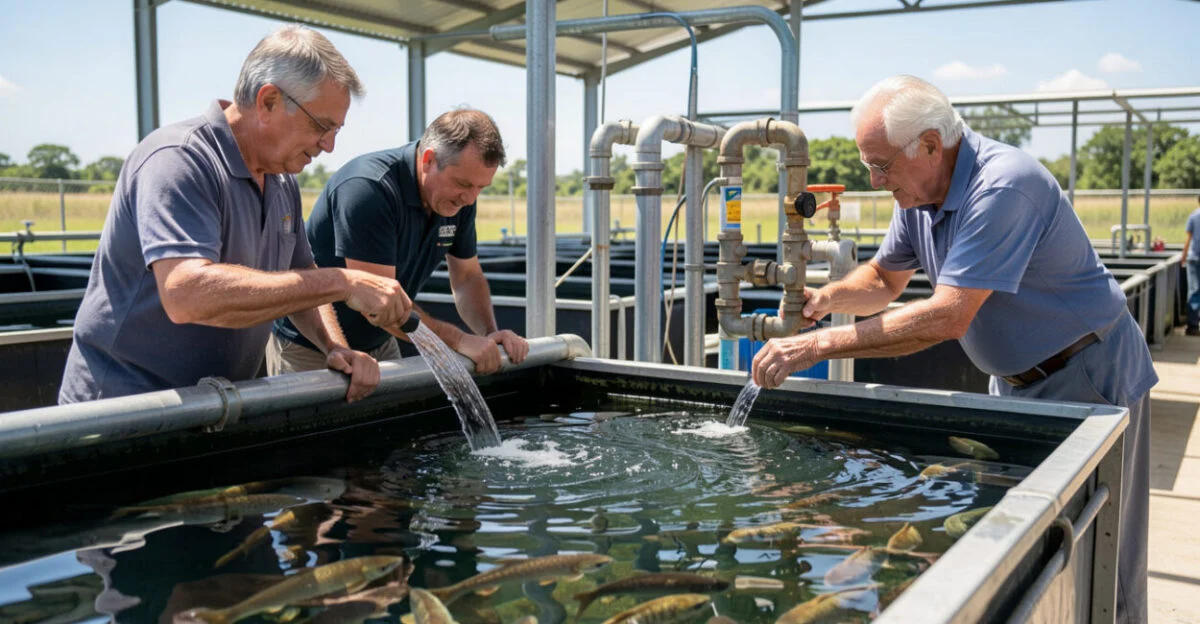
Your land, available water, production scale, and ability to control water quality determine which system makes sense. No tank type is best for every property; each option requires its own infrastructure and management.
Farming system General features Factors to assess Areas that require technical guidance Excavated pond Structure built into the ground, with planned water inlets and outlets. Soil type, slope, water supply, drainage, and access for construction. Design, earthmoving, water exchange, and effluent management. Net pen Structure installed in a body of water, with water flowing through the mesh. Reservoir conditions, water flow, access, and rules for use of the site. Carrying capacity, installation, fish management, and applicable permits. Tank-based recirculating system Tanks connected to equipment that treats and recirculates water. Access to electricity, space, water supply, and the ability to operate the system. Filtration, aeration, monitoring, backup equipment, and water discharge.
Have the site assessed by a technical professional before building or installing structures. Your choice also affects startup costs, management routines, and permitting requirements, which you should confirm with the responsible agencies.
3. Plan the site, water supply, and production space

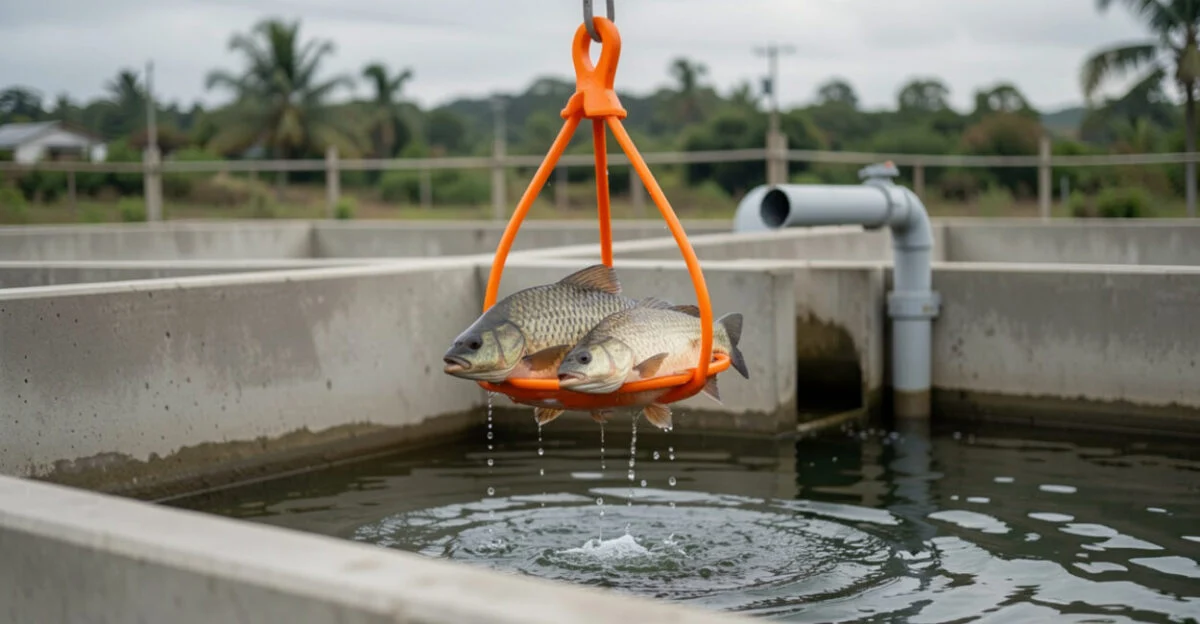
Check the reliability of the water supply, water quality, drainage, access to the property, and site conditions. Clear water does not necessarily mean good water quality: factors you cannot see may also affect the fish. The space needed to raise 1,000 tilapia depends on the system, the size the fish will reach, water exchange, stocking density, and production target. The number of fish alone is not enough to size a farm. You need to calculate the biomass—the total weight of the fish in the system—and determine whether the setup can support that load.
If you plan to draw water from a well, check local rules before using it for production. This resource on rural well permits and water withdrawal considerations can help you identify questions to raise with the relevant agencies.
Read also: Pruning Fruit Trees: When to Do It and How to Get Started
Caution
Do not start construction or withdraw water before checking the environmental and water-use requirements in your area. Rules may vary by state, municipality, system, and production scale.
4. Calculate startup and production costs
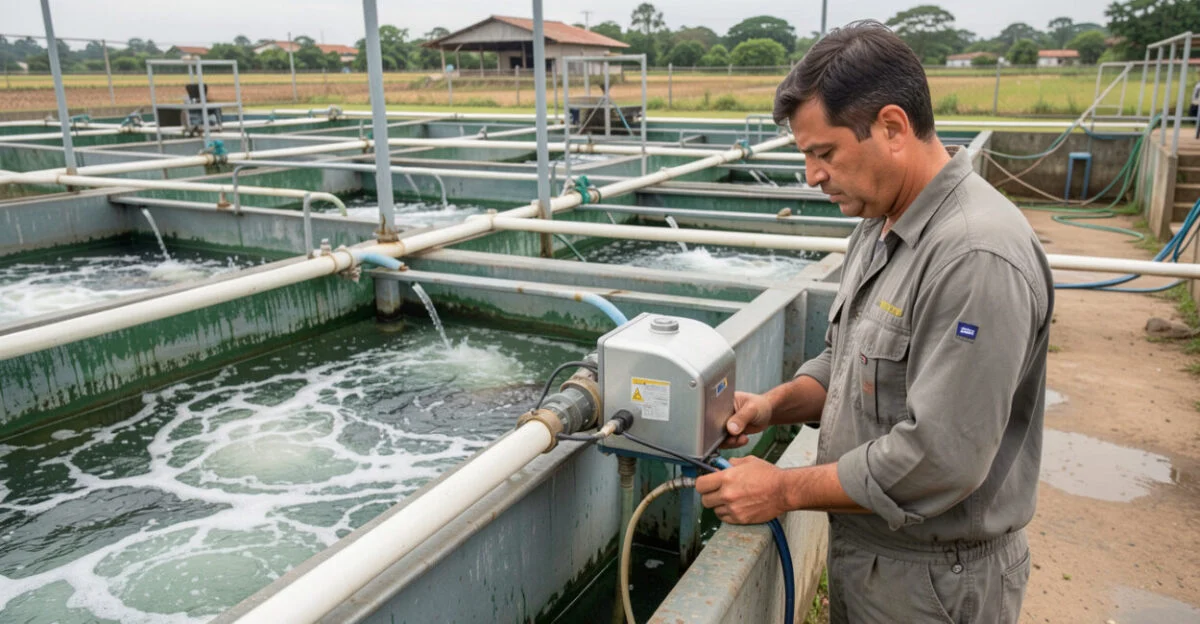
The cost of a fish farm depends on the system, scale, site conditions, and existing infrastructure. A useful budget also accounts for the gap between upfront expenses and incoming revenue: feed and electricity must be paid for throughout the production cycle, while sales come later.
Cost category Examples Depends mainly on Setup Planning, permits, construction, or tank installation. System, site, scale, and local requirements. Stocking Fingerlings and transportation to the property. Species, quantity, supplier, and logistics. Feed Feed suited to the species and stage of development. Production plan, feeding management, and cycle length. Energy and operations Electricity, pumping, aeration, and equipment maintenance. System energy use, utility rates, and operating needs. Labor and technical support Daily management, monitoring, and technical guidance. Scale, system complexity, and staff availability. Transportation and sales Shipping, product preservation, and delivery. Distance to buyers, volume, and sales format.
Estimate production based on local conditions and talk with potential buyers before investing. Track when each expense will occur and when revenue may come in. Without this cash-flow plan, a project may look viable on paper but run short of money during the production cycle.
Read also: Growing Soybeans: How to Plan the Season and Manage the Crop
5. Plan stocking and daily management
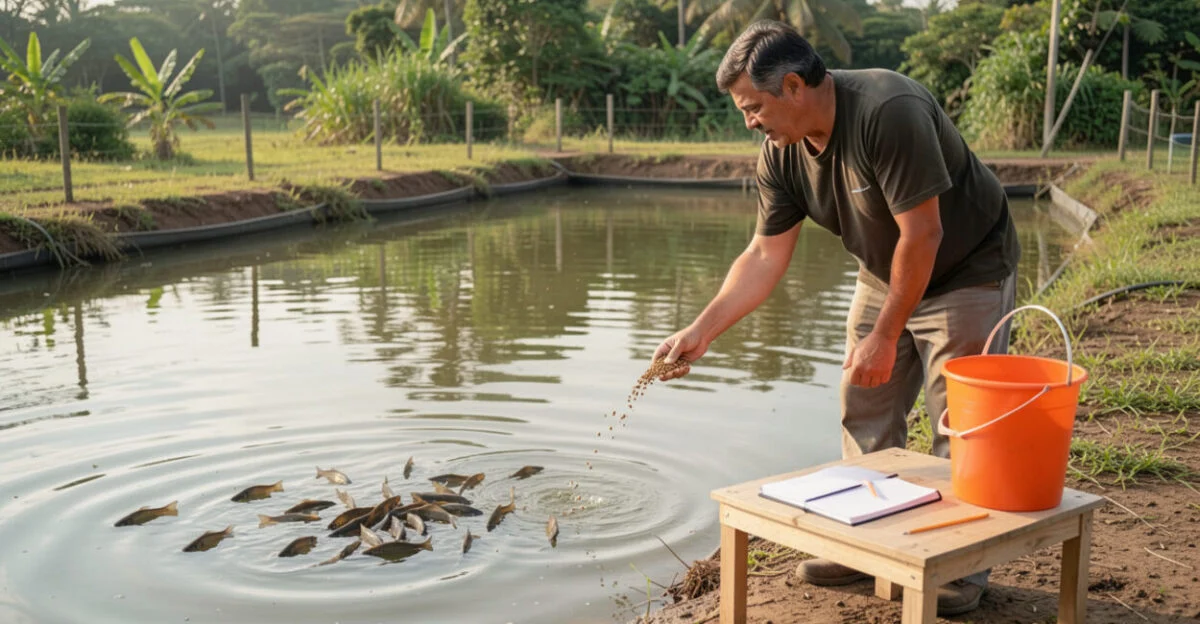
Prepare the system, check the water, and only then receive the fingerlings. Buy from a reputable supplier and acclimate the fish according to technical guidance, since differences between transport water and pond water can stress them. Feed should be appropriate for the species and stage of development. Adjust the amount and frequency based on recommended practices and how the fish respond. Uneaten feed can degrade water quality, while lower-than-usual consumption may signal a problem.
Monitor fish behavior, feed consumption, mortality, and the water parameters recommended for your system. Keep records of stocking, feeding, growth, incidents, treatments recommended by a professional, and expenses. These records can help you spot changes in the fish and adjust management based on facts.
If your property already has other production activities, assign responsibilities and set schedules so the fish farm is not left unattended. This article on organizing records and food traceability offers useful guidance for keeping records.
6. Prevent fish deaths and respond to signs of disease
No single measure can prevent fish deaths. Prevention depends on water quality, stocking density suited to the system, proper feeding, and attention to signs of stress. Reduced feeding, changes in behavior, or unusual mortality warrant investigation. Do not medicate fish on your own: the cause may be water quality, management, or a health issue, and the wrong treatment can make things worse.
Keep equipment clean, limit the movement of fish and people between production units, buy fingerlings from a reliable source, and dispose of dead fish properly. If mortality is unusually high or you suspect disease, seek help from a qualified professional.
7. Check regulations, technical support, and the market before investing
Contact the relevant agencies to confirm environmental permits, water-use rules, and requirements for your location, system, and project scale. Brazil’s Ministry of Fisheries and Aquaculture publishes information about aquaculture. For setup decisions, also confirm requirements with environmental and water-resource agencies in your region. Before selling, check the health and marketing requirements that apply to your product and its destination. Local technical support can help size the system, set monitoring parameters, and avoid applying general advice to different conditions.
- Production goals defined.
- Species suited to the region and identified market.
- System and site assessed by a technical professional.
- Water availability and quality checked.
- Technical sizing and budget prepared.
- Environmental and water-use requirements reviewed.
- Fingerling supplier and technical support identified.
- Sales plan in place.
The next step is to gather information about your water and land and take it to an aquaculture professional in your area. With that assessment, you can compare systems and costs before committing to construction or stocking expenses.
Frequently asked questions
What is fish farming called?
It is called fish farming or pisciculture. It is a type of aquaculture, a term that includes the farming of many kinds of aquatic organisms.
How can I keep fish from dying?
Keep water conditions appropriate for the species and system, stay within the system’s carrying capacity, and monitor feeding and behavior. If you see unusual mortality or signs of disease, investigate the cause with professional help rather than medicating the fish yourself.
How much does a fish farm cost?
There is no single price that applies to every project. The budget depends on the system, scale, site conditions, existing infrastructure, and costs for feed, energy, labor, and sales.
How much space do you need to raise 1,000 tilapia?
You cannot determine the space needed without knowing the system, expected fish size, planned stocking density, and water conditions. Sizing should account for total biomass and the structure’s carrying capacity, not just the initial number of fingerlings.
How do you choose a fingerling supplier?
Look for suppliers who can identify the fish’s origin and provide information about the stock they offer. Check with local technical support to confirm that the species and batch are suited to your system and property conditions.
Artigos Relacionados
 Rural Fish Farming: How to Plan a Fish-Raising Operation
 Beekeeping: How to Start Raising Bees on a Farm
 Corn Farming: How to Plan Planting and Harvesting
 A Complete Guide to Entrepreneurial Education: Build Leadership Skills, Create an Effective Business Plan, and Start a Successful Career
 30-Day Action Plan: How to Start Your Business
 Coffee Cultivation: How to Plan Your Farm and Care for Plants
