
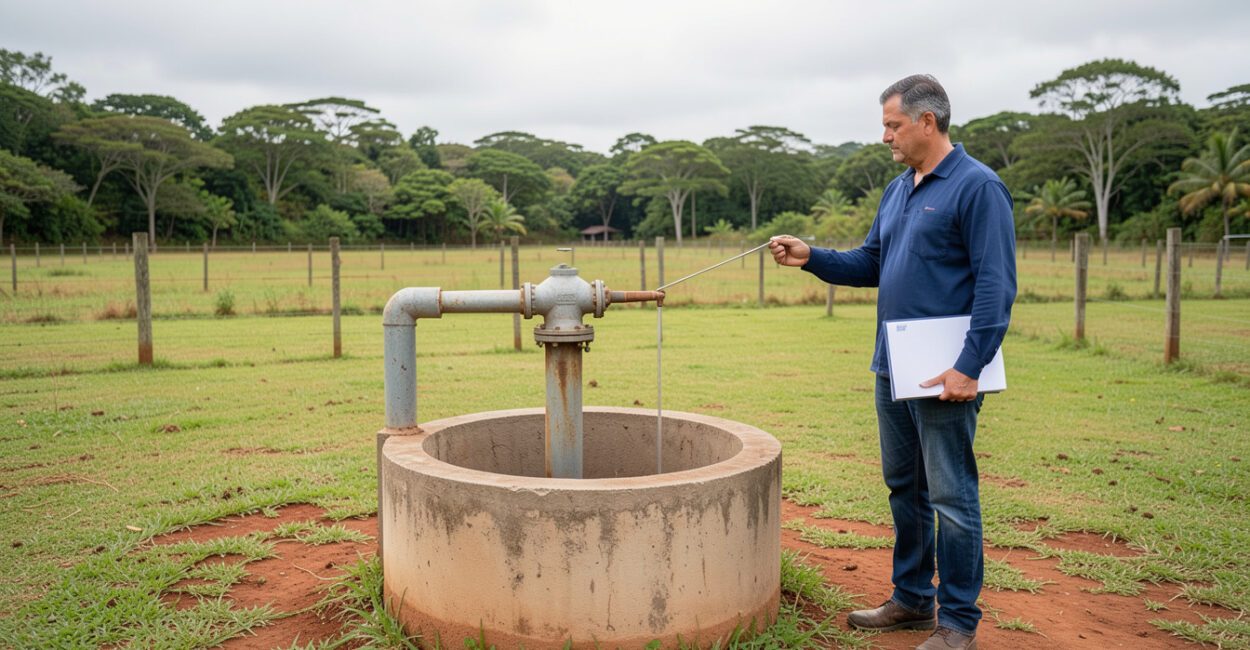
# Rural Well Permitting: What to Check Before Pumping Water
Rural well permitting means checking which approvals, water-use rights, or registrations are required under the rules that apply to your location before drilling a well or pumping groundwater. Requirements vary by state, purpose, and amount of water used. Before drilling or turning on the pump, contact the appropriate water resources management agency.

Well permitting involves environmental law and water management requirements. The guidance below can help landowners, occupants, and farmers identify what information to gather and what questions to ask the responsible agency. Because requirements can differ from state to state and even by watershed, confirm the current rules for your property.
What rural well permitting means and why it matters
Permitting a rural well means bringing the well construction and groundwater withdrawal into compliance with administrative and technical requirements set by the relevant authorities. In simple terms, this may involve approval to drill, a water-use permit or exemption, well registration, and compliance with operating conditions.
Documentation may be required even when the water will be used only on the property where the well is located. Household use, irrigation, watering livestock, and commercial activities may be treated differently depending on state rules and the details of the withdrawal. To coordinate water planning with other land management practices, it may help to learn about sustainable agriculture.
Permitting also allows the agency to assess water availability and set conditions for use, such as flow limits or monitoring requirements, where applicable. A common mistake is to assume that a well does not need approval simply because it is in a rural area or on privately owned land. Owning the land does not, by itself, exempt a well from water resource management rules.
Which rules and agencies to check before starting the process
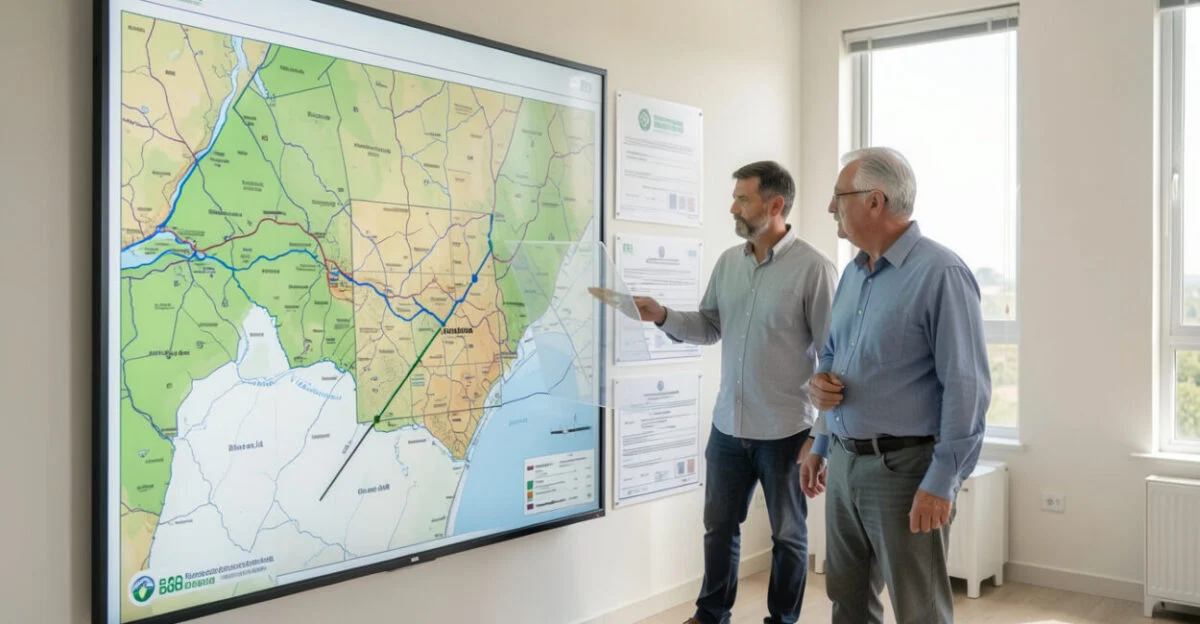
Brazilian Law No. 9,433/1997, which established the National Water Resources Policy, provides for water management and requires permits for certain uses. See the current text on the Planaltos Legislation Portal, the Brazilian federal government’s official legislation site. How these rules apply to groundwater also depends on state regulations and the rules of the responsible management agency.
Groundwater is generally managed by the state where it is withdrawn. Contact the state water resources agency and check whether the property is in an area with specific rules, restrictions, or its own registration system. Brazil’s National Water and Basic Sanitation Agency (ANA) provides information about water-use permits and enforcement; also contact the state agency to find out which procedure applies to your well.
Approval to drill and approval to withdraw water may be separate actions. The first covers construction, while the second regulates water use. The sequence, forms, and even the names of the documents vary. Ask the agency whether you need a license or approval before drilling, must register the well afterward, or need to complete both steps.
Water-use permits, registration, and exemptions: What may be required

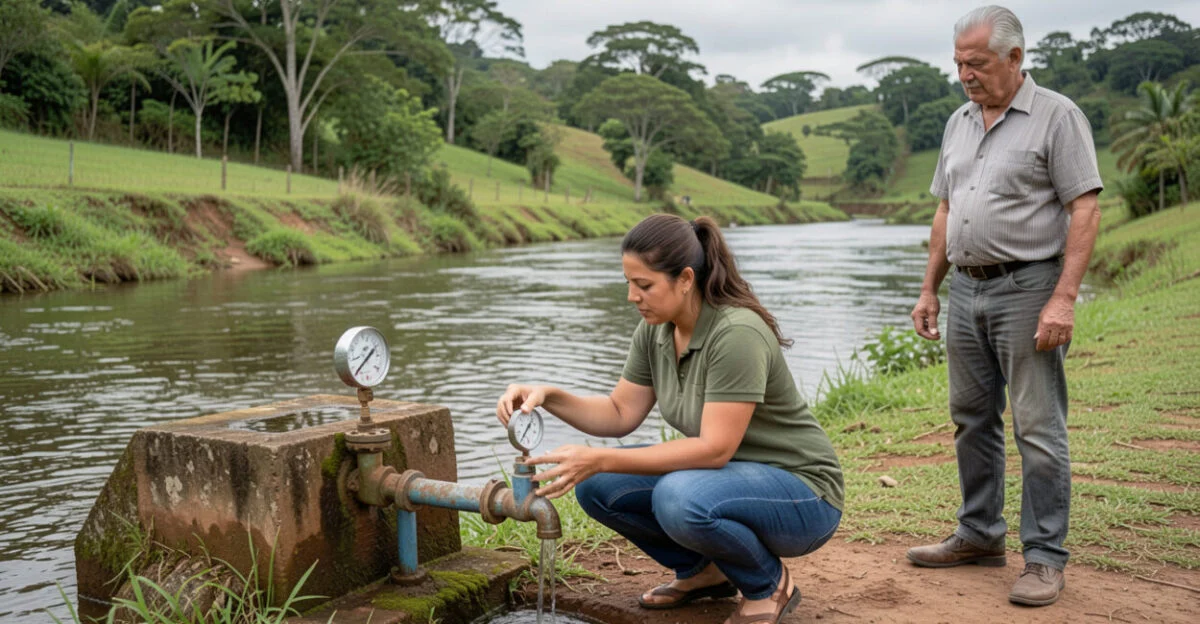
A water-use permit is an administrative authorization granting a user the right to use water resources for a set period and under specified conditions. Where an exemption is available, it means the use qualifies for an exemption from that permit; however, registration, notification, or other requirements may still apply. Registration records information about the withdrawal and does not automatically serve as authorization.
State law specifies which situations require a permit and which may qualify for an exemption, including based on water volume, purpose, and well characteristics. Don’t assume a small withdrawal is exempt: thresholds and criteria are not universal. Brazil’s ANA provides guidance on water resource management, but the agency responsible for groundwater in your state must confirm the applicable procedure.
How long is a water-use permit valid?
The validity period varies depending on the issuing authority and the conditions specified in the permit. Check the expiration date, monitoring obligations, and renewal requirements in the permit and state regulations; don’t assume it will renew automatically.
Read also: Efficient Irrigation: How to Plan Water Use on the Farm
How much does a permit to drill an artesian well cost?
There is no single nationwide fee. Costs may include government fees, technical studies and documents, drilling, and services from qualified professionals; amounts depend on the state and the project. Before hiring a contractor, confirm which approvals are required and request an itemized estimate that separates government fees from private services.
Documents and information to gather before applying
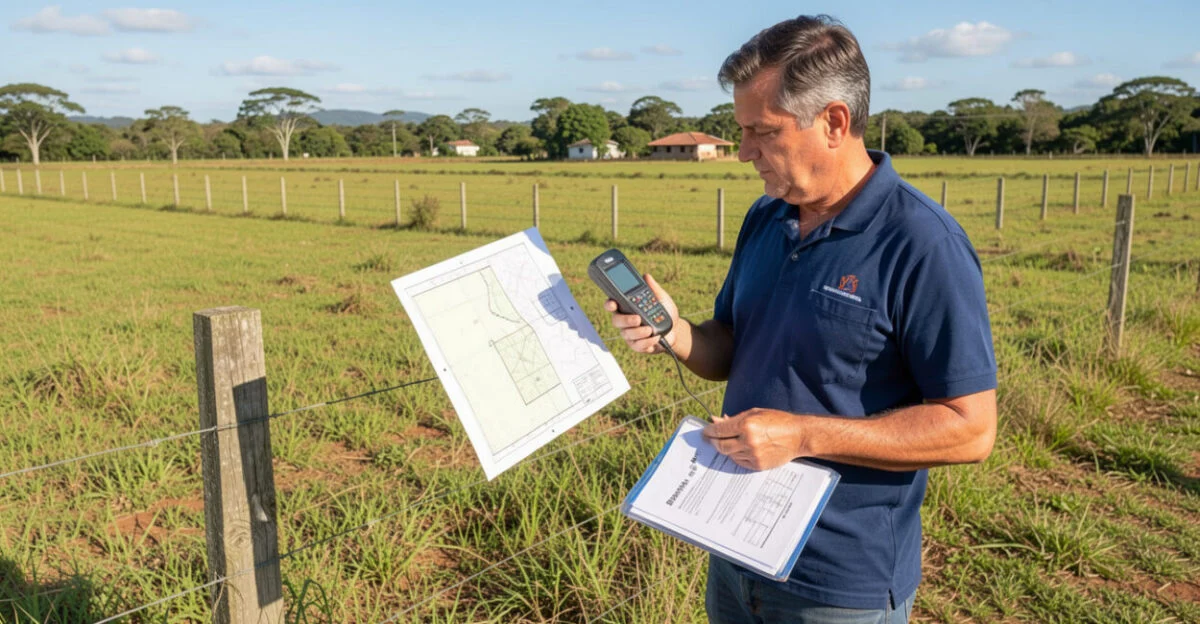
Required documents vary by agency and property. Before submitting an application, check the official list of requirements: an incomplete application may prompt a request for more information and delay the review. In many cases, you’ll need to provide applicant details, the exact location, and technical information about the well.
Read also: Rural Fish Farming: How to Plan a Fish-Raising Operation
- Owner or applicant identification
- Proof of ownership, occupancy, or other connection to the property
- Well location and coordinates
- Purpose and estimated water use
- Drilling and pump specifications, if available
- Project plans, technical report, or licensed professional in charge, if required
- Any previous registration or application related to the well
How can you regularize rural land without a deed?
Accepted documents depend on the agency and state rules; proof of occupancy or another legitimate connection to the property may be requested. Before gathering documents, ask the agency what types of proof it accepts for an application. Not having a deed alone does not determine whether the application will be accepted or denied.
How to regularize an existing well or apply for approval to drill a new one
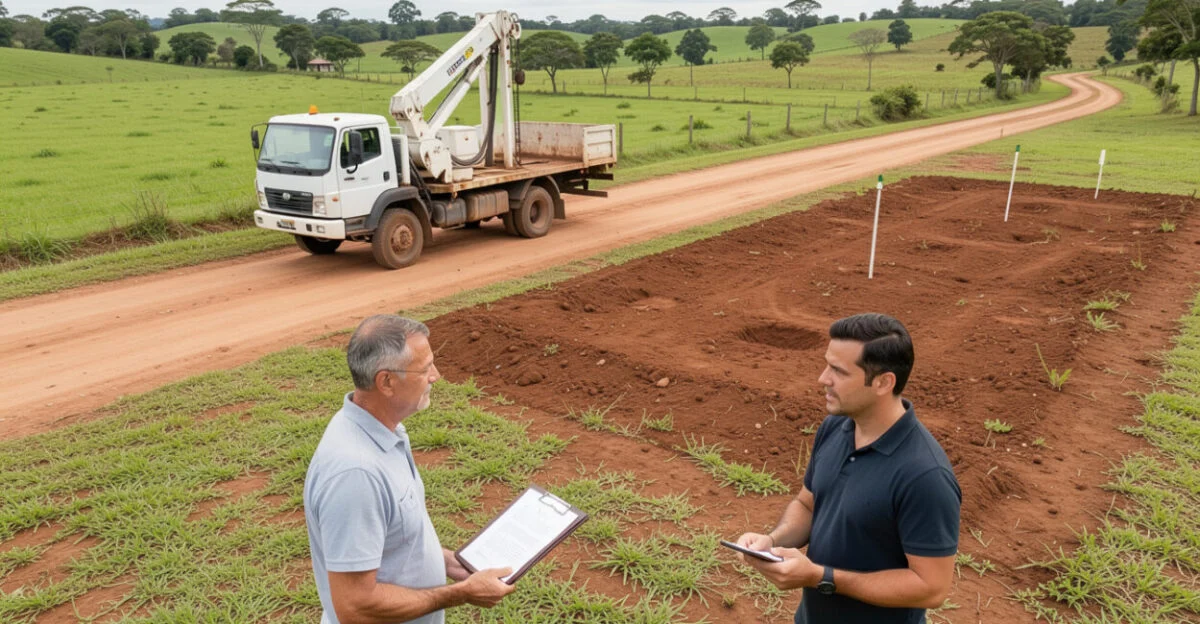
For an existing well, gather any available records about the drilling, location, flow rate, and current use. Then contact the state agency to find out whether you need to register the well, obtain a water-use permit or construction license, bring the well structure into compliance, or take more than one of these steps. For a new well, check with the agency before hiring a drilling contractor or starting to pump water.
- Identify the use. State whether the water will be used for household needs, irrigation, livestock, or a business, and estimate the demand.
- Find the responsible agency. Contact the state water resources manager and confirm whether local requirements apply to the area.
- Check which approvals are required. Ask separately about drilling, water withdrawal, registration, and any exemptions.
- Prepare the application. Gather property documents and technical information; confirm whether the agency requires project plans or a licensed professional.
- Wait for formal guidance. Don’t start pumping until you’ve confirmed that the required approval has been granted and understand its conditions.
Missing construction records can make it harder to apply for approval for an existing well. Owners often know the approximate depth but lack records of flow rate, construction details, or precise coordinates. Ask the agency how to document this information before hiring someone to conduct surveys or modify the well.
Is it a crime to have an unlicensed artesian well?
Unauthorized water withdrawal may result in administrative penalties and other consequences under applicable law, depending on the facts and local rules. It is not possible to say generally that every situation constitutes a crime: the consequences depend on the conduct, applicable rules, and the authorities’ assessment. Contact the water management agency to find out how to bring the withdrawal into compliance, and seek technical or legal advice if you receive a notice or citation or face possible penalties.
What can affect the requirements: location, purpose, and amount of water used
The agency assesses the well and water withdrawal, not just whether the property is rural. A location in a water-restricted area, the type of use, and the amount of water requested may affect the required documents, whether a permit is needed, and the operating conditions.
Factor What it may affect What to confirm Location State rules, area restrictions, and water availability Which agency and rules apply to the property’s coordinates Purpose How the withdrawal is classified and which technical documents are required How to report each use, including multiple uses Volume and flow rate Whether a permit, exemption, or monitoring is required Which method to use to estimate and report demand New or existing well Approval steps and proof of construction Whether drilling requires prior approval and how to register an existing well
If the water will serve more than one purpose, report all of them. For example, reporting household use alone may not accurately describe the withdrawal if the water is also used for irrigation or livestock. This can affect the application review and the conditions the agency sets.
After permitting: monitoring, water quality, and renewal
Receiving a water-use permit or registering a well does not end your obligations. Read the document to check withdrawal limits, monitoring requirements, reporting deadlines, and renewal conditions. If a meter or recordkeeping routine is required, keep the data organized and available in case of an inspection.
Water-use approval does not, by itself, confirm that water is safe to drink. If people will consume the water, test its quality and determine what treatment may be needed, following guidance from public health authorities. Changes to the pump, flow rate, or purpose may also require notification or a permit revision; check before changing how the well operates.
An unlicensed well or one with uncertain documentation requires careful review of local rules and existing records. Don’t continue or increase withdrawals based only on a submitted application, a pending request, or verbal information. If you’ve received a citation, have a dispute over property occupancy, or are unsure how to bring an older well into compliance, you may need advice from a professional with environmental or water law experience.
Don’t confuse an application receipt with an approved permit: submitting an application does not, by itself, authorize water withdrawal. Before drilling or turning on the pump, get written confirmation from the agency about which approvals are required and when you may begin construction and use the water.
Frequently Asked Questions
Are the requirements for rural artesian wells the same in every state?
No. Each state may have its own procedures, exemption criteria, and documentation requirements for groundwater. Contact the agency responsible for the area where the well is located.
Does every well have to be registered?
That depends on state rules and the characteristics of the withdrawal. Even when a water-use permit is not required, the agency may require registration or notification. Confirm the applicable rules before using the water.
Does well registration replace a water-use permit?
Not necessarily. Registration and permits serve different purposes, and registration should not be treated as authorization to withdraw water unless the responsible agency formally confirms that it qualifies as one.
Does a drilling permit allow you to withdraw water?
Not always. Approval for construction and authorization to withdraw water may be separate. Find out whether you need both and when each one must be obtained.
Assessing a specific situation may require reviewing state rules, property documents, and the well’s technical characteristics. If you have questions about requirements, a citation, or bringing an existing withdrawal into compliance, an attorney who practices in this area can review the documents and advise you on next steps.
Artigos Relacionados
 Rural Tourism: How to Create a Farm Experience
 Rural Succession: How to Prepare Your Farm for the Future
 Rural Sustainability: 9 Practices That Can Fail
 Efficient Irrigation: Reduce Water Use and Boost Yields
 Rural Innovation Is Redefining Harvests: An AgTech Example for 2025
 Professional Training in Agriculture: Advance Your Rural Career
