
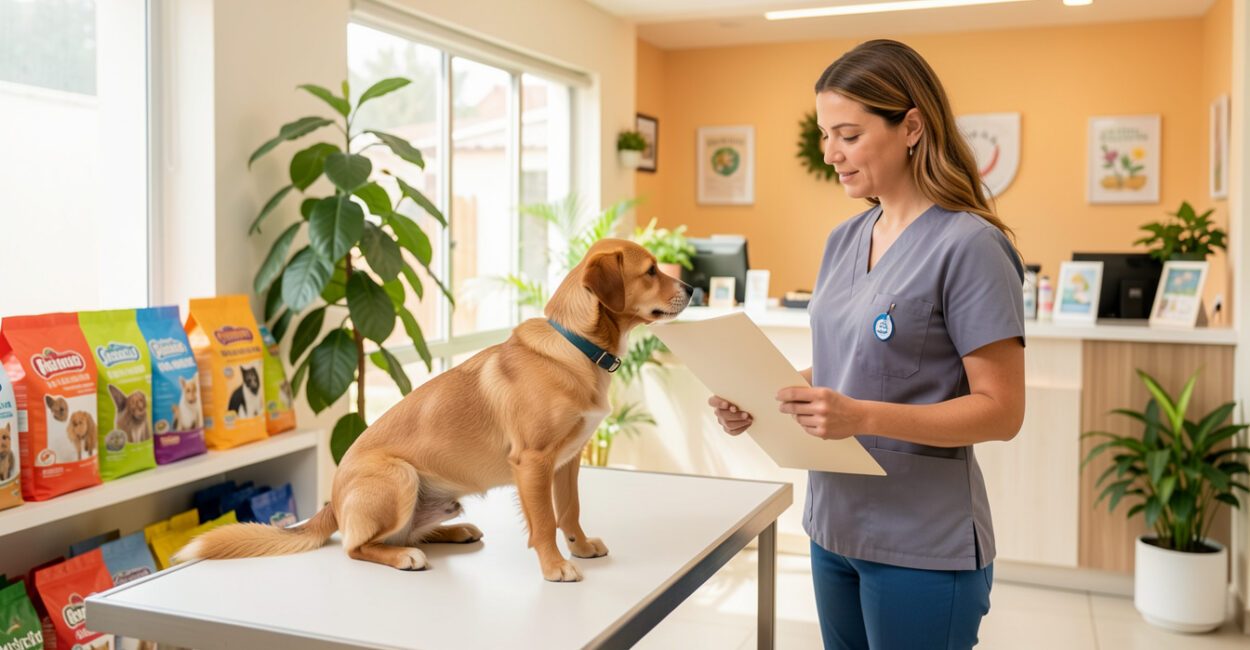
Pet insurance can refer to different products: health plans that provide care through a network and insurance that reimburses you for expenses, depending on the contract. To choose, compare coverage, limits, waiting periods, copays, and access to veterinarians in your area. The right option depends on your pet’s needs and how much you can afford to pay each month and for unexpected expenses.
Pet insurance or a pet health plan: which should you choose?
A pet health plan may be a better fit if you want to use an in-network provider and track veterinary expenses covered by the product’s terms. Insurance with reimbursement may suit you if you prefer to choose your own veterinarian, provided the contract allows it and you can pay for the visit before requesting reimbursement. Compare how care is provided and what the limits are—not just the monthly premium.

In technical terms, insurance is a contract that provides compensation or reimbursement for covered risks and expenses, subject to the policy terms. A pet health plan organizes access to veterinary services through a network, coverage, and usage rules. In everyday use, marketing terms can overlap, so check the contract and don’t assume that two products called “pet health” offer the same services.
Guidance from SUSEP, Brazil’s insurance regulator, can help consumers understand why contract terms matter. The applicable classification and oversight depend on the product’s structure; not every veterinary service operates as insurance regulated in the same way.

What to consider before buying
Start by checking what the contract pays for and what you’ll have to cover yourself. The word “comprehensive” in an offer doesn’t replace a list of procedures, limits, and exclusions.
- Coverage: Check whether office visits, tests, hospitalization, surgery, vaccines, and emergency care are included. Don’t assume they all are.
- Limits: See whether there are caps per procedure, incident, period, or beneficiary. An annual limit could be used up after an expensive treatment.
- Provider network: Look for nearby clinics and confirm they accept that product and plan type. A clinic appearing in a search doesn’t guarantee it has appointments available or offers the procedure your pet needs.
- Waiting periods: Check the waiting period for each service. It may differ for office visits, tests, surgery, and emergency care.
- Copays: Confirm how much you’ll pay when you use the plan and whether the charge applies per visit, procedure, or service.
- Exclusions and preexisting conditions: Read the restrictions on previously diagnosed conditions, ongoing treatments, age, and other situations listed in the contract.
A common mistake is choosing a clinic before confirming which plan type it accepts. You arrive for an appointment and find out that the clinic only serves members of another network, or that the service requires prior authorization. Avoid this by asking the clinic and the company how care works before signing up, and keep a record of their answers.
For a look at how contract terms matter for other products, read this article on what to check before buying credit life insurance. The coverage is different, but it’s just as important to read the terms.
How much does a pet plan cost, and what affects the price?

Cost depends on the company, location, your pet’s needs, the type of plan, and the coverage you choose, so there’s no single price that works for comparing every plan. Request a current quote and add the monthly premium to copays, excluded procedures, and any expenses you must pay upfront before getting reimbursed.
“How much does pet insurance cost?” requires an individualized quote and a review of the current terms. Compare similar plans with the same coverage needs and limits rather than looking at the monthly price alone.
Hypothetical example: Say a plan costs R$ 100 per month, with a R$ 30 copay per visit, and your pet uses the service twice in one month. You’d pay R$ 100 + (2 × R$ 30) = R$ 160, not including excluded expenses. This shows why a low monthly premium alone doesn’t mean a lower overall cost.
Asking how much it costs to open a veterinary clinic is a different question. It involves starting a business, property, equipment, staff, and local requirements—not the price of buying a pet plan. It requires a separate analysis of costs and the city where the business would operate.
Read also: Life Insurance: How to Choose Coverage for Your Family

How to compare Petlove, Itaú, Porto Seguro, and other options
Petlove, Itaú, and Porto Seguro may offer different products, partnerships, and terms, which can also change over time. The table below shows what to compare without making claims about coverage or prices that depend on the current offer.
Criteria Petlove Itaú Porto Seguro Other options Product type Confirm whether it’s a plan, insurance, or partner service Confirm the plan type and responsible company Confirm the plan type and responsible company Review the contract and provider Network or reimbursement Check the network, rules, and local availability Check the network or reimbursement rules Check the network or reimbursement rules Compare how care is provided Limits and procedures Check the limits and included services Check the limits and included services Check the limits and included services Compare the same procedures Waiting periods Check each procedure Check each procedure Check each procedure Don’t assume the waiting period is the same Copays Confirm charges and how they’re calculated Confirm charges and how they’re calculated Confirm charges and how they’re calculated Factor in the cost per use Total price Request a current quote Request a current quote Request a current quote Add the monthly premium and extras
To decide whether a Petlove plan is a good value, check whether its network includes providers near you, covers services your pet is likely to need, and has limits and copays that fit your budget. The Itaú pet health plan, the possible Amigoo Pet Itaú offering, and a Porto Seguro pet plan should also be assessed by their exact product names and current terms. Don’t assume different brands offer equivalent coverage.
Read also: Farm Insurance: How Coverage and Enrollment Work
Searches for Porto Seguro pet insurance, Porto Seguro Petlove, Nubank pet insurance, Santander pet insurance, or Itaú pet insurance price may turn up products, partnerships, or information that can change. Check the official channel to confirm who provides the service, who is responsible under the contract, and which document governs coverage. The term “pet life insurance” does not automatically mean that office visits and veterinary treatments are covered.
If you’re already researching another type of protection, you can use this comparison of Itaú homeowners insurance coverage and terms as a reference, but don’t apply that product’s rules to veterinary care.

Pet health plan with no waiting period or copays: what to check
A plan advertised as having no waiting period or copays only delivers on that promise for the procedures and conditions specified in the contract. Check whether it applies to every service and whether there are exceptions, limits, additional fees, or different rules for preexisting conditions.
For a pet health plan with no waiting period, ask when each type of coverage begins and whether there’s a difference between the enrollment date and when you can access care. For a pet health plan with no copays, check whether you’ll still pay for services outside the coverage, use of a specific network, or partial reimbursement.
There’s no general answer to which option costs less. A plan with no copays may make monthly expenses more predictable, while a plan that charges per use may have a different price structure. To compare them, get quotes and make a realistic estimate of how often your pet will need care.
Which pets and pet owners might benefit from insurance?
The right choice depends on your budget, your pet’s health, and the availability of in-network veterinarians. The service also doesn’t replace day-to-day care: you’re responsible for your pet’s routine and finding veterinary care, the veterinarian evaluates and treats your pet, and a pet sitter provides agreed-upon care while you’re away.
A plan or insurance may be a good fit if:
- an unexpected veterinary bill would strain your budget;
- there are in-network clinics within a reasonable distance that offer the services your pet needs;
- the limits and rules for accessing care fit your pet’s needs;
- you’re comfortable paying the monthly premium even when you don’t use the plan.
It may not be the best choice if:
- the local network doesn’t meet your pet’s needs;
- your pet’s main existing conditions are listed as exclusions;
- you can build an emergency fund and prefer to pay out of pocket after weighing the costs and risks;
- the limits are too low for the type of treatment you’re concerned about.
Pet life insurance may serve a different purpose from a veterinary health plan. Before buying, find out what situations the product covers, and don’t expect it to pay for office visits unless the contract says so.
How to enroll and avoid surprises
Before paying, request the full contract or terms, confirm the network with clinics, and get the limits, waiting periods, exclusions, and authorization rules in writing. Keep a record of the reference number, date, and response from customer service; a promotional claim won’t settle a disagreement about what the plan will pay for.
- Make a list of the services that matter most for your pet.
- Request quotes with comparable coverage and calculate the monthly cost plus charges when you use the plan.
- Confirm with the company and clinic how care works, including in emergencies.
- Keep a copy of the terms in effect when you enroll, along with payment records.
Legislation and rules published by the Federal Council of Veterinary Medicine (CFMV), Brazil’s veterinary regulator can provide context on veterinary practice, but they don’t replace the plan’s commercial terms. Network, reimbursement, and coverage rules vary by product and location, so a comparison for another city may not apply to you.
For other types of protection, this article on the risks and benefits of a digital insurance policy also highlights the importance of keeping and reviewing contract documents.
Frequently asked questions
Does “pet health” always mean a pet health plan?
No. The phrase is used for different offers. Check the contract to find out whether it’s a plan, insurance, a provider network, or another type of service.
Is the Itaú Personnalité pet health plan the same as other Itaú pet products?
Don’t assume they’re the same. Check the product name, eligibility, responsible company, and specific terms of the Personnalité offer through Itaú’s official channels.
Can I see any veterinarian and request reimbursement?
Only if the contract allows it. Some products arrange care through a network; others may offer reimbursement subject to limits, required documents, and specific procedures.
What happens if my pet needs an excluded procedure?
In general, you’ll be responsible for the cost if the procedure isn’t covered, but the exact answer depends on the contract. When possible, ask for confirmation before authorizing the service.
Where can I check current prices and terms?
Check the responsible company’s official quote and contract terms, and confirm the network with clinics before signing up.
Artigos Relacionados
 Auto Insurance: What to Know Before You Buy
 Credit Life Insurance: What It Is and When It’s Worth Buying
 Health Insurance: How Waiting Periods and Coverage Work
 Travel Insurance for Families With Kids: How to Choose
 Auto Loan Credit Life Insurance: Is It Worth It?
 7 Life Insurance Changes for 2025 That Raise Concerns
