
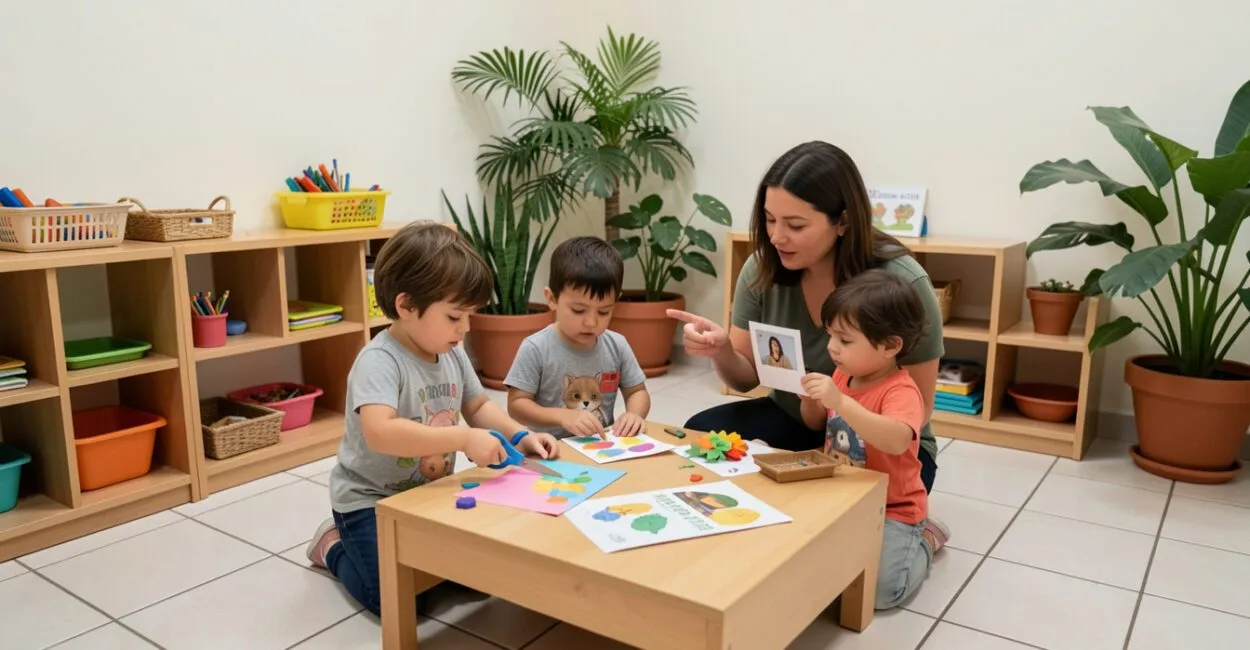
An activity may be open to the whole class and still leave a child out: the scissors require a skill the child hasn’t developed yet, the instructions are only spoken, or the noise makes it hard to stay in the room. Promoting child inclusion means noticing these barriers and adapting the setting to increase every child’s participation. In early childhood education, this involves planning accessible activities, organizing routines, welcoming different forms of communication, and developing strategies with families and the school team. Start by observing what the child can do, what gets in the way of participating, and which changes make sense right now.
What Does Child Inclusion Mean in Early Childhood Education?
Child inclusion is the process of identifying and removing barriers to learning and participation, ensuring that every child can take part in educational experiences with the support they need. In everyday practice, this means adapting the environment, activities, and ways of interacting without reducing a child to a diagnosis or simply being physically present in the classroom. Inclusive education recognizes differences in development, communication, mobility, sensory perception, culture, and experience. The Convention on the Rights of People with Disabilities, incorporated into Brazilian law, and Brazil’s Inclusion Law guide efforts to uphold rights and remove barriers to participation. The Brazilian Inclusion Law is a key reference for understanding this commitment.

A classroom may enroll and regularly attend to every child and still have barriers: materials out of reach, instructions that are hard to follow, or activities that allow only one way to respond. A useful teaching question is: What about this activity is keeping someone from participating?
How Can You Identify Barriers to Children’s Participation?
Identify barriers by observing when, where, and under what conditions a child participates or has difficulty. Record specific situations without turning a single observation into a conclusion about the child’s abilities or needs. Pay attention to arrival, transitions between activities, playtime, meals, and group activities. A child who moves away during circle time may be bothered by the noise, unsure of what comes next, or need more time to express themselves. Describe the context in your notes—for example, “left the area when the group started singing”—rather than labeling the child “uninterested.”
It also helps to talk with other professionals and compare situations. The same activity may be accessible in a small group but difficult with the whole class; a change in timing, materials, or who is interacting with the child may affect participation. These observations can guide adjustments and, when needed, help determine whether to seek a specialized evaluation.
How Can You Adapt Activities for Different Needs?

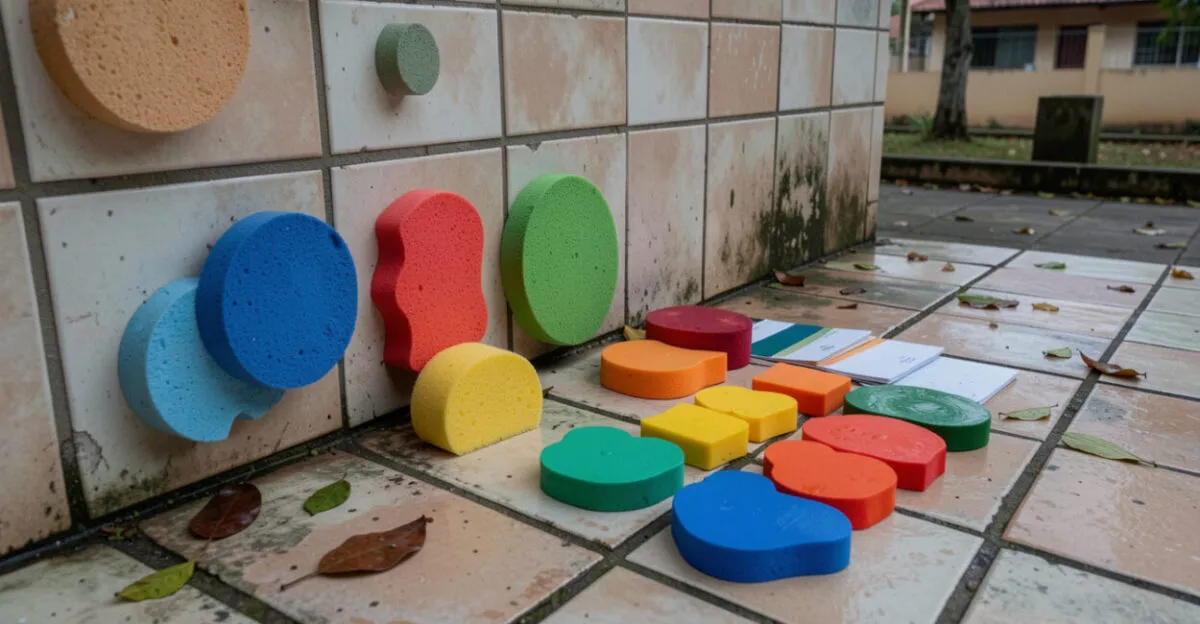
Adapt how a child accesses an activity, the materials, the amount of time, or the way they respond, while preserving the learning goal whenever possible. A child may show understanding by pointing, choosing pictures, using objects, or speaking; participation doesn’t have to take just one form.
For an art activity, for example, offer thicker brushes, sponges, or paper secured to the table. If the activity involves telling a story, let the child choose pictures or arrange characters while an adult narrates. For movement activities, offer different ways to get around and set rules that don’t exclude children who need more time or support.
Before planning an adaptation, ask which skill or experience the activity is intended to develop. If the goal is to explore colors, requiring children to use scissors may create a barrier unrelated to the intended learning. But if the focus is developing fine motor skills, adjust the challenge without removing every opportunity to try.
Ideas for an art workshop using simple materials can inspire activities with different ways to handle materials and create. Group activities can also benefit from cooperative games, as long as the rules and roles are accessible to everyone.
Complete guide: Teaching Practices in Early Childhood Education
How Can You Make Communication More Accessible and Welcoming?
Give clear instructions, allow children time to process, and accept different forms of communication, including gestures, pictures, facial expressions, and augmentative and alternative communication tools. Simply speaking louder or repeating the same sentence quickly won’t resolve a comprehension difficulty.
Break longer instructions into short steps and, when helpful, pair spoken directions with demonstrations, objects, or pictures. Instead of saying only, “Now we’re going to put everything away and then line up,” give the first instruction, wait for the child to respond, and then signal the next transition. A visual schedule can show what’s coming next and reduce uncertainty.
Also read: Creative Planning: Strategies for More Engaging Lessons
When talking, address the child, not just the adult accompanying them. Don’t finish the child’s sentences without giving them time to respond. If the school uses communication boards, signs, or another communication tool, coordinate with the family and school team to make sure it’s available in different settings.
What Changes to Routines and Spaces Increase Participation?
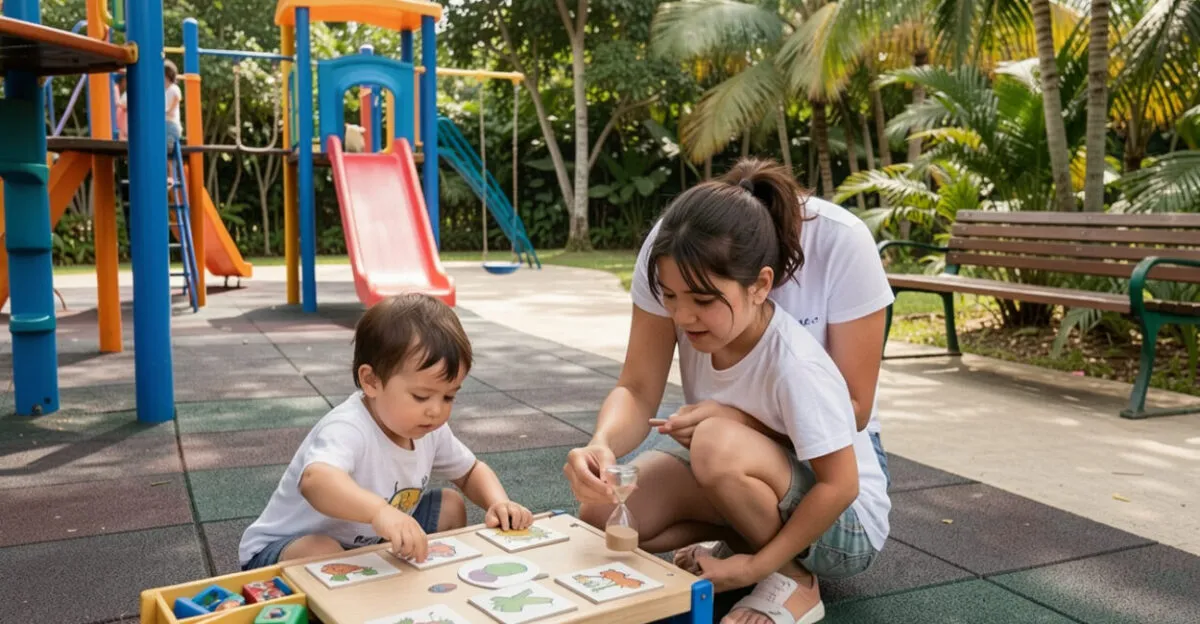
Predictable routines, clear pathways, and accessible materials can increase participation, but adjustments should reflect the needs observed in that class. Small changes can support independence without separating a child from the group.
- Use visual cues to mark steps in the routine and let children know when a change is coming, using signals they can understand.
- Keep materials within reach and pathways clear for moving around and using assistive devices.
- Provide a quieter place for breaks without using it as punishment or excluding children from group activities.
One everyday detail often goes unnoticed: transitions can be harder than the activity itself. Putting toys away, crossing the room, and sitting somewhere else within a few minutes requires following several instructions. Giving advance notice and time to complete the transition can help a child avoid missing the start of the next activity.
For movement-based games, consider whether the route offers alternatives and whether the group can take part without relying on speed or competition. A movement course using everyday objects can be adapted with different heights, distances, and ways to complete each step.
How Can You Build a Partnership with Families and the School Team?
The partnership works best when families and schools share specific observations and agree on practical strategies, while respecting each other’s roles. Families know a child’s history, preferences, and ways of communicating; the school team sees how the child participates in activities and interacts with the group.
In conversations, describe what happened and ask what tends to help in similar situations at home. Share what has worked at school, too, without expecting the family to take sole responsibility for adaptations the school should provide. When a special education teacher, school coordinator, support professional, or other specialists are involved, communication among them can help align resources and goals.
Brazil’s Inclusion Law provides for access, continued enrollment, participation, and learning in the education system. The Ministry of Education’s official website provides information about education policies; for decisions about a specific case, the school should consider applicable regulations and consult qualified professionals.
When Should You Seek Specialized Guidance and Incorporate Adjustments into Planning?
Seek specialized guidance when barriers persist, there are questions about communication, development, or accessibility, or school-based adjustments aren’t enough to ensure participation. Classroom observations can help frame questions, but they don’t replace a clinical evaluation or recommendations from qualified professionals.
There is no one-size-fits-all adaptation for every child with the same diagnosis. Resources that help one child may not suit another, and some needs vary with the environment, fatigue, or activity. The team should therefore try adjustments, observe their effects, and revisit the plan in consultation with the family and specialists involved.
To keep strategies part of instructional planning, record the barrier observed, the agreed-upon adjustment, who is responsible, and how participation will be evaluated. This record prevents inclusion from depending only on one professional’s memory and helps connect supports to the class’s goals. These practices can be integrated into planning age-appropriate experiences, without assuming that age alone determines what each child can do.
Start with one activity this week: identify who is having difficulty participating, adjust one part of the setting, and observe what changes. Record the results and bring your observations to the planning discussion with the school team and family.
Question Answer What is inclusion? Removing barriers to increase learning and participation. How can activities be adapted? Adjust materials, time, or ways to respond based on the learning goal. What should change in the environment? Organize pathways, access to materials, predictability, and options for breaks. When should you seek a specialist? When barriers persist or guidance beyond the scope of educational practice is needed.
Frequently Asked Questions About Inclusive Practices
Does a Child Need a Diagnosis to Receive Accommodations?
No. Schools can adapt activities and the environment based on observed barriers without waiting for a diagnosis. Specialized evaluations can help identify specific needs, but they shouldn’t be a prerequisite for welcoming a child and supporting their participation.
How Can You Avoid Singling a Child Out with an Adaptation?
Whenever possible, offer different materials or ways to participate to the whole group. This lets each child choose the resource that works best without making support feel like unwanted attention; some individualized accommodations may still be necessary.
What Should You Do When a Strategy Stops Working?
Reassess the situation and talk with the child, family, and school team. A change in environment, fatigue, or developmental stage can affect how well an adjustment works, so the plan should reflect what you observe.
What Role Does a School Support Professional Play in Inclusion?
A school support professional can help with a child’s care and participation, based on the child’s needs and applicable regulations. Their presence doesn’t replace the teacher’s planning or restrict the child’s interactions with classmates and other adults at school.
Artigos Relacionados
 A Guide to Early Childhood Education: Best Practices, Play-Based Activities, and Innovative Approaches to Whole-Child Development
 Early Childhood Education: The Importance of Play in Child Development
 What Creative Early Childhood Education Means
 School Adjustment in Early Childhood Education: How to Help
 Recycled Toys for Early Childhood Education: How to Make Them
 Environmental Activities for Early Childhood Education
