
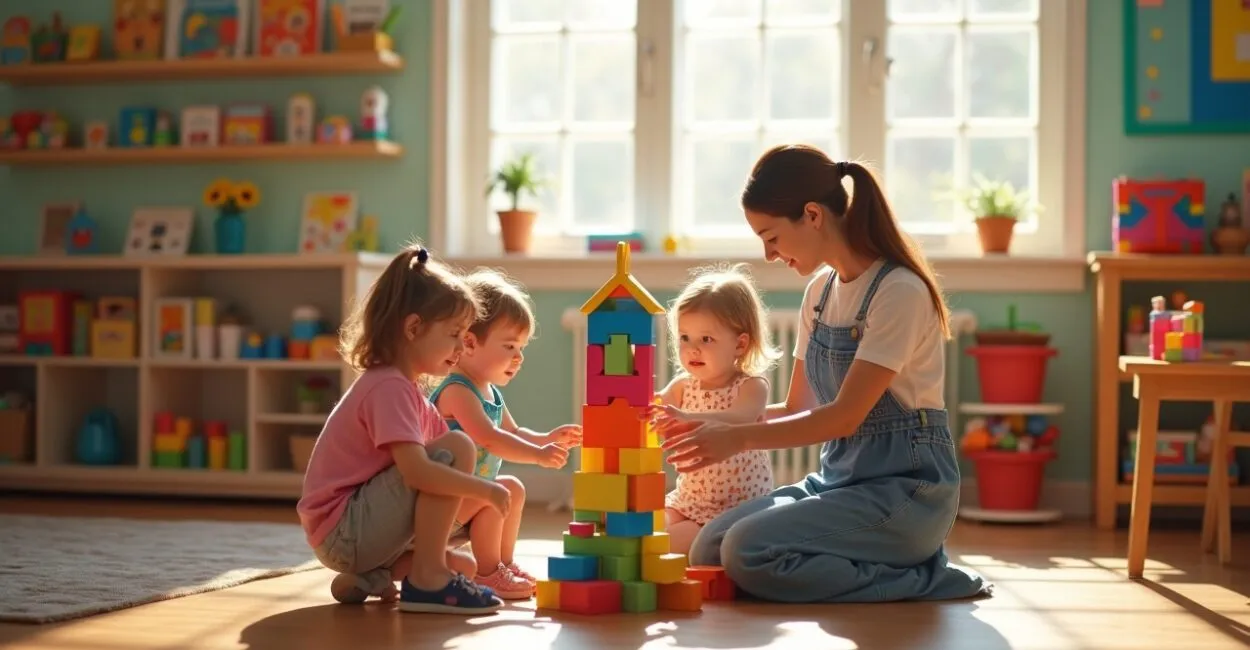
Complete early childhood education goes beyond simply caring for young children. It encompasses a broad range of teaching practices and approaches designed to support a child’s whole-child development, including cognitive, social, emotional, and physical growth. It involves creating a safe, stimulating environment where children can explore, experiment, interact, and build their understanding of the world.
Today, early childhood is increasingly recognized as a crucial period in human development, making investment in complete early childhood education essential. Challenges include training qualified professionals, creating relevant and accessible curricula, and ensuring families are actively involved. The opportunity is to help children grow into better-prepared, creative citizens who are engaged with their communities.

Key Takeaways
- Complete early childhood education is a vital investment in the future, positively affecting children’s cognitive, social, emotional, and physical development.
- The quality of interactions between educators and children is a key factor in the success of complete early childhood education, making qualified, engaged professionals essential.
- Play is a powerful teaching tool in complete early childhood education, encouraging exploration, creativity, and learning in an enjoyable way.
- Active family involvement is essential to the success of complete early childhood education, creating a support network that encourages children’s development.
- Innovative teaching approaches, such as Waldorf education and the Pikler approach, offer valuable alternatives for complete early childhood education by respecting each child’s individuality and pace.
Why Complete Early Childhood Education Is Essential to Whole-Child Development
Complete early childhood education is more than preparation for elementary school; it is a unique and crucial period for developing essential skills that will shape a child’s future. It provides a strong foundation for lifelong learning, problem-solving, creativity, and building relationships with others. Overlooking this stage means missing a unique opportunity to help children reach their full potential.
Impact on Cognitive Development
Complete early childhood education encourages cognitive development through activities that challenge children to think, explore, and discover. Games, play, and interactions with their surroundings and other children help form neural connections, strengthening learning and memory. Studies show that children who attend early childhood education programs tend to perform better academically later on and have stronger concentration and logical reasoning skills. This early investment pays lasting dividends.
Social and Emotional Development in Early Childhood Education
Beyond cognitive growth, complete early childhood education plays a essential role in children’s social and emotional development. Through interactions with other children and adults, they learn to share, cooperate, resolve conflicts, and express their emotions in healthy ways. Building positive relationships and developing social skills are essential to emotional well-being and successful social interactions throughout life. A strong emotional foundation helps children become more resilient and adaptable adults.
Best Teaching Practices for Complete Early Childhood Education
Many teaching approaches can be used in complete early childhood education, each with its own characteristics and areas of focus. Some practices, however, stand out for their effectiveness in supporting children’s whole-child development. The most appropriate approach should be selected based on each child’s specific needs and characteristics, as well as the context in which early childhood education is provided.
The Importance of Free Play
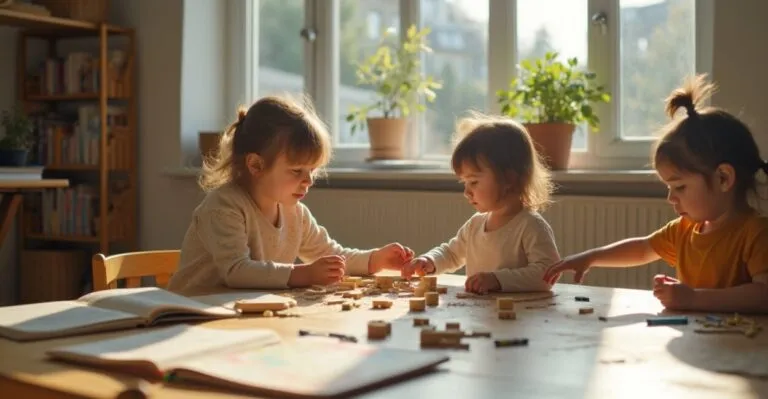
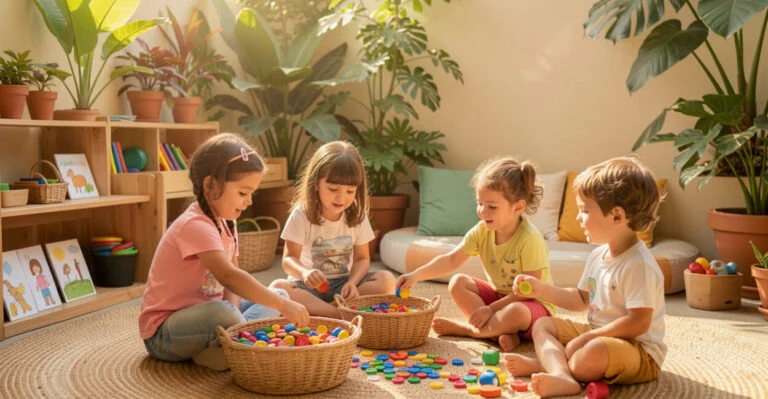
Free play is one of the most important teaching practices in complete early childhood education. Through play, children explore the world, experiment, create, imagine, and learn spontaneously and joyfully. Free play supports creativity, independence, problem-solving, and social skills. Children need time and space to play freely, without excessive adult intervention. Educators should provide a safe, stimulating environment with a variety of materials and opportunities for exploration.
The Role of Reading and Storytelling
Reading and storytelling are powerful tools for developing language, imagination, and critical thinking in complete early childhood education. Through books and storytelling, children encounter different cultures, characters, and situations, expanding their vocabulary and understanding of the world. Reading and storytelling also encourage imagination and creativity, allowing children to create their own stories and imaginary worlds. Educators should encourage reading from an early age by offering age-appropriate books and planning activities that involve reading and storytelling.
Play-Based Activities That Support Child Development

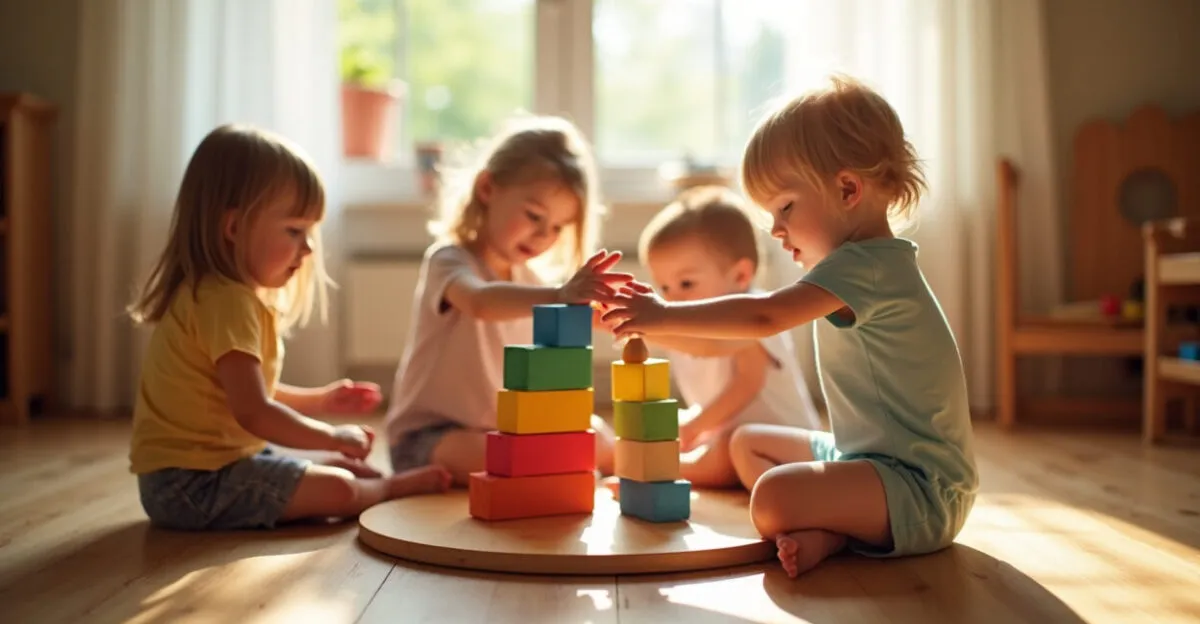
Play-based activities are an essential part of complete early childhood education because they make learning fun and engaging. Contrary to what some people think, these activities are not purposeless games; they are carefully planned to develop specific skills, such as motor coordination, language, logical reasoning, and creativity.
Building and Construction Games
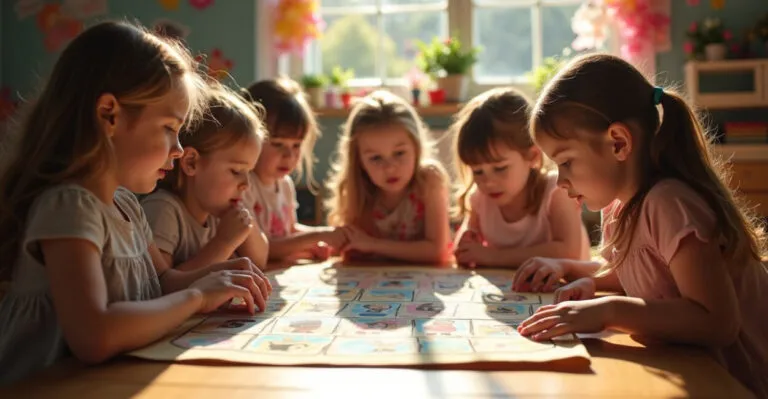
Building and construction games, such as wooden blocks, LEGO, and puzzles, are excellent for developing fine motor coordination, spatial awareness, and logical reasoning in complete early childhood education. As children handle the pieces, they learn to plan, solve problems, and work as a team. These games also encourage creativity and imagination, allowing children to build their own structures and imaginary worlds.
Read also: Social and Emotional Development From Birth to Age 6: A Practical Guide
Art and Music Activities
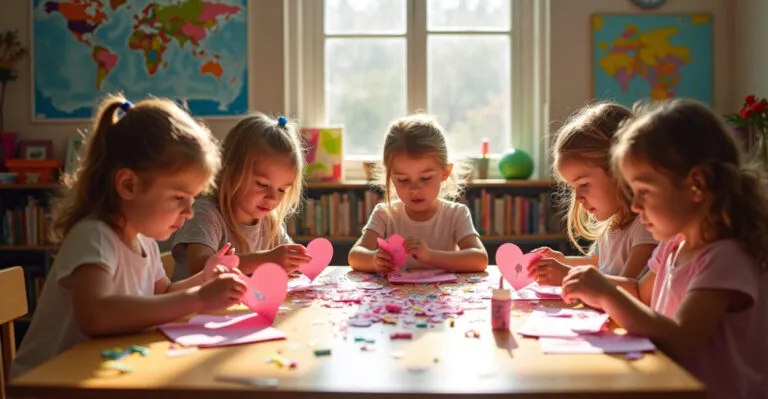
Art and music activities, such as painting, drawing, modeling, music, and dance, are essential for developing creative expression, aesthetic appreciation, and motor coordination in complete early childhood education. Through these activities, children learn to express their emotions, explore different materials and techniques, and appreciate the beauty of art and music. Art and music also build self-confidence, self-esteem, and a sense of belonging.
The Role of Educators in Complete Early Childhood Education
Educators play a vital role in complete early childhood education because they create the learning environment, plan activities, and interact with children. A qualified, engaged educator can support children’s whole-child development by nurturing their potential and providing the help they need to overcome challenges.
Essential Qualifications and Skills
To work in complete early childhood education, educators need a strong background in education, with a focus on child development. They also need skills such as empathy, patience, creativity, communication, and teamwork. A good educator takes the time to get to know each child, respect their differences and needs, and continually improve their teaching practices.
The Importance of Ongoing Professional Development
Complete early childhood education is constantly evolving, with new research and teaching approaches emerging all the time. Educators should therefore invest in ongoing professional development by taking courses, attending workshops, seminars, and other events, and staying current with the latest trends and practices in the field. Ongoing training helps educators build their skills, exchange ideas with colleagues, and provide increasingly high-quality early childhood education.
The Importance of Family Involvement in Complete Early Childhood Education
Family involvement is crucial to the success of complete early childhood education. When families take an active role in a child’s school life, the child feels more secure, valued, and motivated to learn. Family involvement also strengthens the connection between the school and the community, creating a support network that contributes to child development.
How to Encourage Family Involvement
There are many ways to encourage family involvement in complete early childhood education. Schools can organize meetings, events, workshops, and talks for parents, invite them to take part in classroom activities, create effective communication channels, and provide families with support and guidance. Schools should recognize and value families’ role in children’s education, encourage their involvement, and offer opportunities to participate actively in school life.
Benefits of the Family-School Partnership
A strong partnership between families and schools offers many benefits for complete early childhood education. When families and schools work together, children feel more secure and supported, which promotes their emotional and social development. The partnership also helps educators better understand each child and their needs, allowing them to adapt activities and teaching strategies to each child. It further strengthens the connection between the school and the community, creating a more welcoming and stimulating learning environment.
Innovative Teaching Approaches in Complete Early Childhood Education
Alongside traditional approaches, such as teacher-centered and constructivist education, several innovative approaches are gaining traction in complete early childhood education. They emphasize each child’s individuality, free play, independence, and active family involvement.
Waldorf Education
Waldorf education is an approach that supports children’s whole-child development, taking into account their physical, emotional, social, and spiritual needs. Free play is central to the Waldorf approach because it allows children to explore the world, develop creativity, and learn spontaneously. Waldorf education also emphasizes art, music, nature, and hands-on activities such as gardening and cooking. Its goal is to nurture free-thinking, creative, and responsible individuals who can help transform the world.
The Pikler Approach
The Pikler approach values children’s independence and freedom of movement. Educators carefully observe children and respect their individual pace and needs. The environment is arranged to offer age-appropriate challenges, allowing children to explore, experiment, and learn independently. The approach also emphasizes the quality of interactions between educators and children, creating an atmosphere of trust and security.
Decisions That Make a Difference in Complete Early Childhood Education
Throughout this guide, we have explored different aspects of complete early childhood education, from its importance to children’s whole-child development to best teaching practices and innovative approaches. Now it’s time to consider the decisions that make a difference when providing high-quality early childhood education.
The most important decision is to invest in qualified, engaged professionals who love their work and take the time to get to know each child. It is also essential to create a safe, stimulating, and welcoming learning environment where children feel comfortable exploring, experimenting, and learning. Finally, families should be actively involved in children’s school lives, building a network of support and collaboration that promotes child development. These decisions help children grow into better-prepared, creative citizens who are engaged with their communities.
Why Is a Well-Structured Curriculum Important in Early Childhood Education?
What is the importance of a well-structured curriculum in complete early childhood education? A well-structured curriculum guides educators, ensuring that all key areas of child development are addressed systematically and progressively. It sets clear learning objectives, selects appropriate activities, and tracks children’s progress, supporting balanced growth across cognitive, social, emotional, and physical domains. An effective curriculum also allows educators to adapt their practices to each child’s individual needs, fostering an inclusive and stimulating learning environment.
How Can Neuroscience Improve Early Childhood Education Practices?
How does neuroscience help improve practices in complete early childhood education? Neuroscience offers valuable insights into how children’s brains learn and develop. By applying this knowledge, educators can refine their teaching strategies to better meet children’s developmental needs. For example, activities involving movement and social interaction are known to strengthen neural connections, supporting learning and memory. Neuroscience also highlights the importance of a safe, stimulating environment for healthy brain development, encouraging practices that reduce stress and promote emotional well-being.
What Are the Common Challenges in Providing Complete Early Childhood Education?
What are the most common challenges in implementing complete early childhood education, and how can they be overcome? One common challenge is a lack of funding, which can limit access to teaching materials, suitable spaces, and educator training. To address this, it is essential to seek partnerships with businesses, non-governmental organizations, and government agencies. Another challenge is that some parents may resist innovative teaching approaches. In these cases, transparent communication is important, along with workshops and clear information about how these practices benefit child development.
How Does Including Children With Special Needs Benefit Everyone?
How does including children with special needs enrich complete early childhood education for everyone? Inclusion fosters empathy, tolerance, and respect for diversity among all children. By spending time with peers who have different abilities and face different challenges, children learn to value individual differences and work together to create a more inclusive and welcoming environment. Inclusion also encourages creativity and innovation, as educators adapt their practices and develop teaching strategies that meet the needs of all students.
How Can Digital Technology Be Used Effectively and Safely?
How can digital technology be integrated effectively and safely into complete early childhood education? Digital technology can serve as a complementary tool to enrich learning and encourage creativity. It is important to choose educational apps and software that are age-appropriate and promote interaction, collaboration, and the development of relevant skills. It is also essential to set clear screen-time limits and ensure that adults supervise children’s use of digital technology, protecting them from inappropriate content and promoting healthy habits.
Artigos Relacionados
 Early Childhood Education: The Importance of Play in Child Development
 The Importance of Play in Childhood for Whole-Child Development
 Early Childhood Education: Essential Practices for Development
 Fun Women’s Day Activities: 10 Playful Ways to Celebrate Women’s Strength in Early Childhood Education
 Women’s Day Cards for Early Childhood Education: Creative Ideas, Inspiring Messages, and Fun Activities to Celebrate Gender Equality
 Early Childhood Activities: A Daily Routine for Emotional Development
