
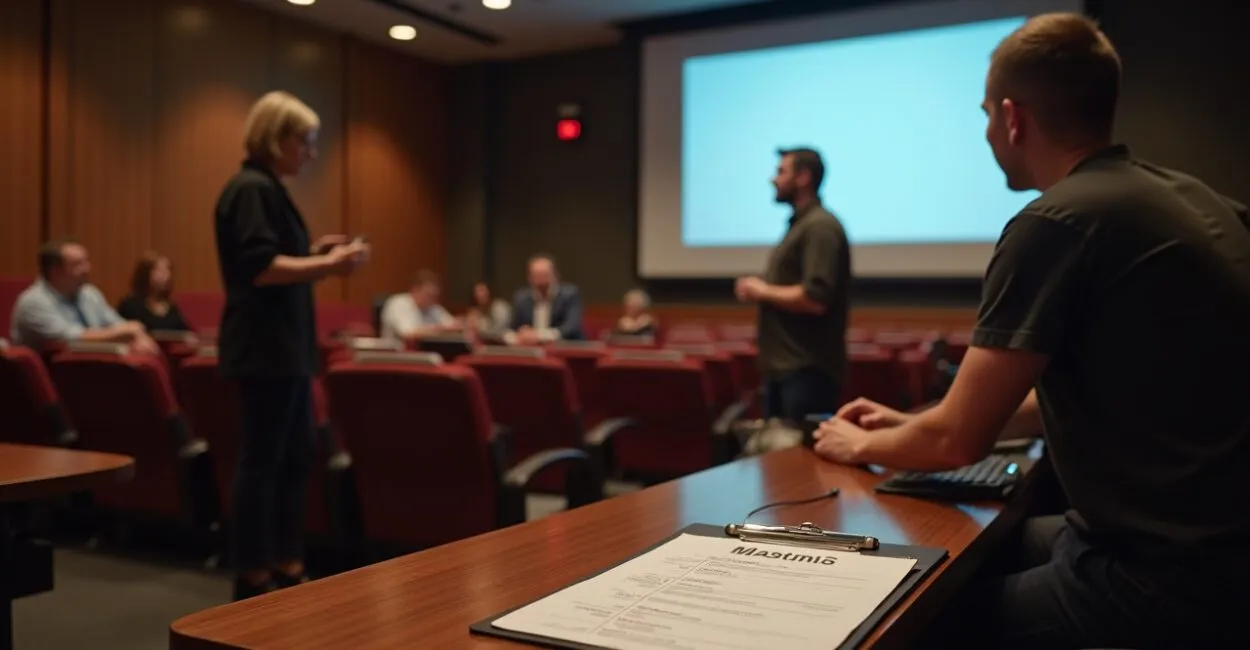
The projector goes dark, but half the chairs are still empty. The speaker trips over a cable, and the client whispers, “This wasn’t supposed to happen.” If you’ve experienced this kind of chaos, you know the impact of poor event and conference planning—and the relief of an event that runs like clockwork. Here’s a practical, straightforward guide to avoiding surprises, with a timeline, checklist, budget, and techniques for delivering memorable corporate events.
Why 90% of Problems Stem from Simple Mistakes
Unexpected problems aren’t bad luck—they’re signs of a weak process. In event and conference planning, small details can turn into major issues: the wrong outlet, a missed speaker confirmation, or a late ride. A well-built timeline can reduce these risks by hours, not minutes. Think of it this way: replacing a lightbulb at 8 a.m. takes 10 minutes; swapping out equipment in the middle of an event could derail the whole show. Assign an owner and firm deadline to every task. That keeps small mistakes from snowballing.

The Timeline That Turns Anxiety into Control
A good timeline is a chain of check-ins, each with an owner and a time. For event and conference planning, break the day into blocks: setup, rehearsal, check-in, main session, breaks, and teardown. Schedule a check-in 60, 30, and 10 minutes before each block. Use shared spreadsheets and phone alerts for every step. When everyone knows what comes next, the event runs smoothly—and a smooth routine builds confidence. Add extra time for unexpected issues (20% of the technical schedule).
Essential Checklist: What You Should Never Forget

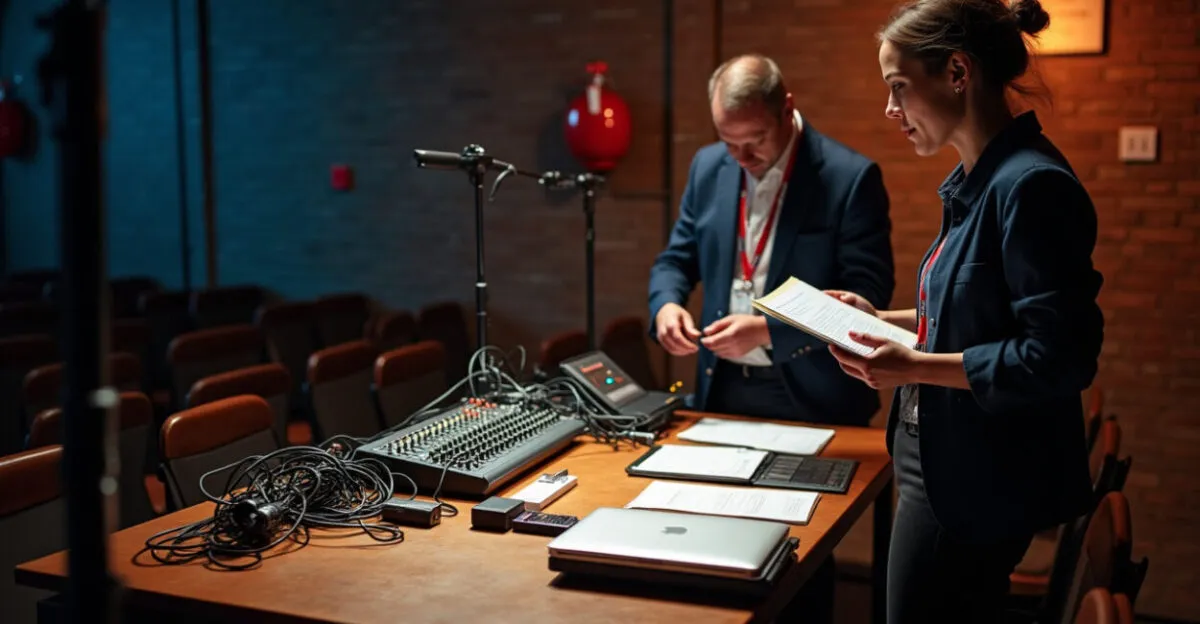
Skip this checklist, and you’ll be improvising. For event and conference planning, the basics include audiovisual equipment (check cables and adapters), badges, signs, a first-aid kit, meal tickets, and vendor contracts. Common mistakes we’ve seen include failing to test the audio with the speaker, not having a backup presentation, and forgetting to make a fire extinguisher visible. Assign two people to each item, and keep a printed copy of the checklist onstage and at check-in.
Practical Budgeting: How to Cut Costs Without Sacrificing the Experience
Cutting costs isn’t just about trimming expenses. In event and conference planning, focus on the impact of every dollar spent. Negotiate vendor packages, prioritize the attendee experience (good sightlines and sound), and replace expensive giveaways with valuable digital content. Compare your options in a table—for example, Room A with premium coffee service versus Room B with better projection—and choose what will deliver the best results. Expectation vs. reality: skimping on sound often costs more in lost credibility later.
Execution Techniques That Seem Like Magic but Are Really Just Good Process
What looks like improvisation is actually coordination in action. For event and conference planning, use clear communication tools: walkie-talkies for the technical crew, quick messages for hosts, and a command station with printed checklists. Rehearse a backup plan for every critical point. One underused technique: a 15-minute sound and microphone check before the official start. Short rehearsals can save your reputation. They reveal what needs adjusting and put the speaker at ease.
What to Avoid: 7 Mistakes That Can Ruin an Event
Some mistakes crop up again and again. For event and conference planning, avoid: 1) confirming vendors only by email, 2) failing to back up media files, 3) underestimating transportation needs, 4) skipping the audio run-of-show, 5) failing to direct attendee traffic, 6) neglecting the speaker, and 7) leaving key decisions until event day. Any one of these can put the whole event at risk. Instead of saying, “We’ll figure it out on the fly,” assign owners and define backup procedures. That turns panic into action.
From Attendee Experience to the Next Contract: Metrics That Win Business
Clients don’t buy events; they buy results. For event and conference planning, track attendee satisfaction (NPS), attendance rate, engagement (questions per session), and ROI based on leads generated. Send a short survey at the end and review registration data. One surprising comparison: events with structured follow-up see 40% higher conversion to contracts. Concrete data helps secure repeat business. Document everything and turn what you learn into a sales proposal.
Want your next event to be remembered for what went right, not what went wrong? Plan with clear guidelines, train your team, and treat every detail as part of the experience. The rest comes down to execution—and that can be learned.
How Do I Build a Timeline If I’ve Never Done It Before?
Start at the end: set the finish time and work backward. List every stage (setup, testing, check-in, presentations, breaks, teardown) and assign a duration and owner to each one. Use 15–30-minute blocks for operational tasks and reserve a 20% buffer for unexpected issues. Share the timeline with vendors and the technical team, and review it at least twice before the event. This helps prevent last-minute decisions and leaves time for rehearsals.
What’s the Ideal Team Size for a Mid-Sized Corporate Event?
It depends on the format, but for a corporate event with 100–300 attendees, a practical starting point is: 1 event lead, 1 technical manager, 2–3 audiovisual technicians, 2 check-in staff, 1 logistics/vendor coordinator, and 1 person handling media and social channels. If you have simultaneous workshops, add one room lead for each concurrent session. An undersized team gets overloaded and can’t respond quickly; an oversized team adds cost without improving results. Base your staffing on the tasks in your checklist.
How Can I Create a Realistic Budget Without Surprises Later?
Build a spreadsheet with clear categories: venue, technical needs, food and beverages, transportation, staff, printed materials, and contingency (10–20%). Get actual quotes from vendors and ask for detailed proposals. Include hidden costs such as overtime, insurance, and travel. Always negotiate cancellation terms and payment deadlines. Review every line item with the client before finalizing the budget. This discipline prevents surprises and keeps your profit margin predictable.
What Techniques Help Keep Speakers at Ease?
Simple touches build confidence: send the run-of-show and session timing in advance, hold a technical rehearsal with the microphone and clicker, have digital support materials ready, and assign one person to look after the speaker on event day. Provide water, a place to rest, and time for feedback. Clear communication about arrival, hotel, and transportation also helps. A relaxed speaker delivers better content; taking care of them helps ensure a high-quality event.
How Do You Measure Success Beyond Attendance Numbers?
Look beyond the head count. Measure engagement during sessions (questions and app interactions), the quality of leads generated, media coverage, and qualitative attendee feedback. Send a short three-question survey covering overall satisfaction, likelihood to recommend, and suggestions for improvement. Review open-ended comments—they can show you where to innovate. These qualitative signals often determine whether an event becomes a case study or just another meeting.
Sources supporting professional practices include corporate event data and safety guides: the Brazilian Government Portal and studies published by universities and industry organizations, such as reports from academic centers and event associations (SciELO).
Artigos Relacionados
 Career Counseling for High School Students: Planning Ahead
 Montessori: 5 Techniques That Reinvent the Classroom
 Personalized Instruction: Techniques for Fair Assessment
 Active Learning: Practical Classroom Techniques
 Active Learning: Practical Techniques to Engage Students
 Collaborative Learning: Techniques to Boost Participation
