
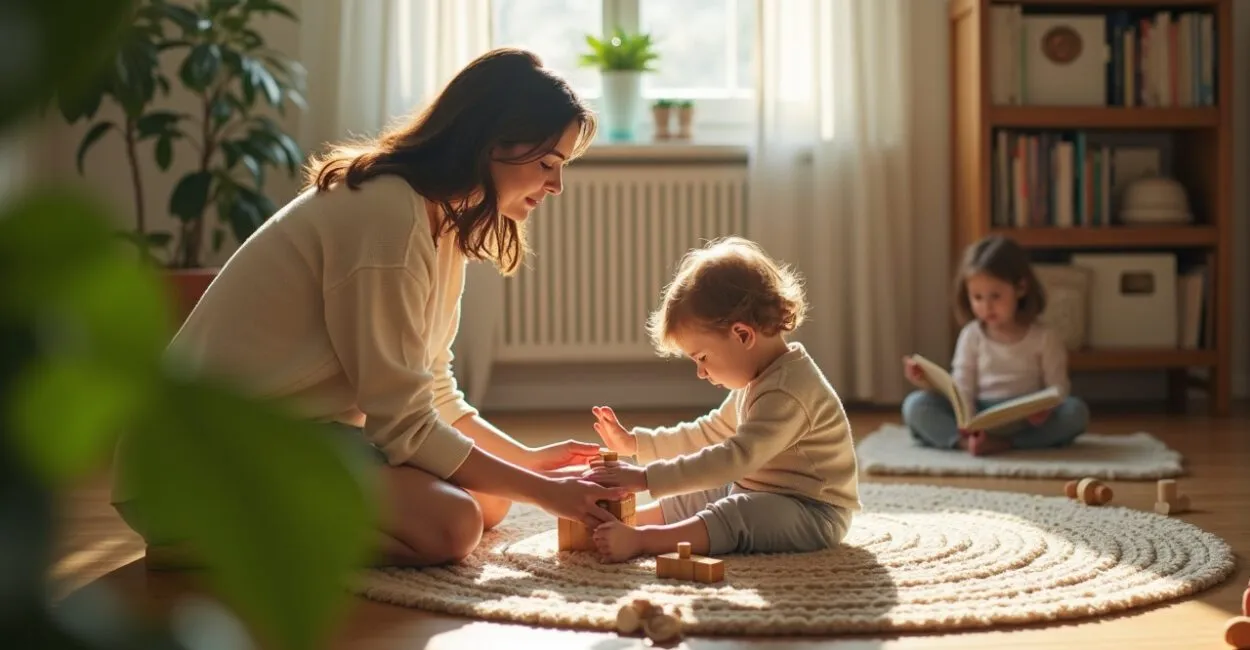
This is the process through which children learn to identify emotions, regulate behavior, form bonds, and navigate social relationships. It involves skills such as empathy, self-regulation, social awareness, and conflict resolution. These skills take shape especially between birth and age 6, when the brain and environmental experiences interact intensely at the synaptic level.
Key Takeaways
- The foundations of socioemotional development are built through daily interactions with caregivers: responsive care and clear boundaries foster security and self-regulation.
- Empathy and self-regulation are skills children can learn; consistent practices can change behavioral trajectories before age 6.
- Effective boundaries combine predictability, brief explanations, and immediate consequences; harsh punishment undermines attachment and self-regulation.
- Strong family bonds grow through routines, responsive attention, and play that teaches safe social interactions.
- Practical tools include modeling emotional skills, predictable routines, guided books and games, and brief, structured caregiver training.
Why Socioemotional Development From Birth to Age 6 Shapes Future Outcomes
Ages 0 to 6 are a critical period because neural systems involved in emotional regulation and social interaction are highly plastic. Experience shapes which synaptic connections are strengthened: consistent caregiver responses reinforce circuits that support inhibitory control and empathy. Longitudinal studies show that socioemotional skills in this age group predict school performance, mental health, and interpersonal relationships during adolescence. Early investment can therefore improve the odds of healthy cognitive and social development.

Neurobiological Mechanisms and Sensitivity to Context
Repeated experiences activate and stabilize cortical and subcortical networks responsible for stress regulation and reading social cues. Chronic exposure to toxic stress alters the HPA axis and increases emotional reactivity. By contrast, consistent support lowers cortisol and improves attention. The interplay of genetics and environment (epigenetics) makes some children more responsive to interventions; recognizing these differences helps avoid one-size-fits-all approaches that may not work.
How to Set Boundaries That Foster Security and Independence
Effective boundaries are predictable, explained simply, and enforced calmly. Instead of abstract commands, use concrete language: “Put the toy car in the box in three steps.” Consequences should be immediate and logical, not punitive. Consistency among caregivers is essential: conflicting rules confuse children and make it harder for them to internalize expectations. Boundaries are meant to teach self-control, not simply control behavior, so pair each limit with an acceptable alternative.
Practical Approaches for Different Ages
Babies learn boundaries through routines and sensory cues; quick responses to crying build trust. Children ages 2 to 3 need limited choices to feel a sense of agency. For ages 4 to 6, pair brief explanations of why rules matter with behavioral practice through role-play. Avoid lengthy time-outs that take children away from learning opportunities; instead, use brief breaks followed by guided re-engagement.
Developing Empathy: Practical Steps for Caregivers

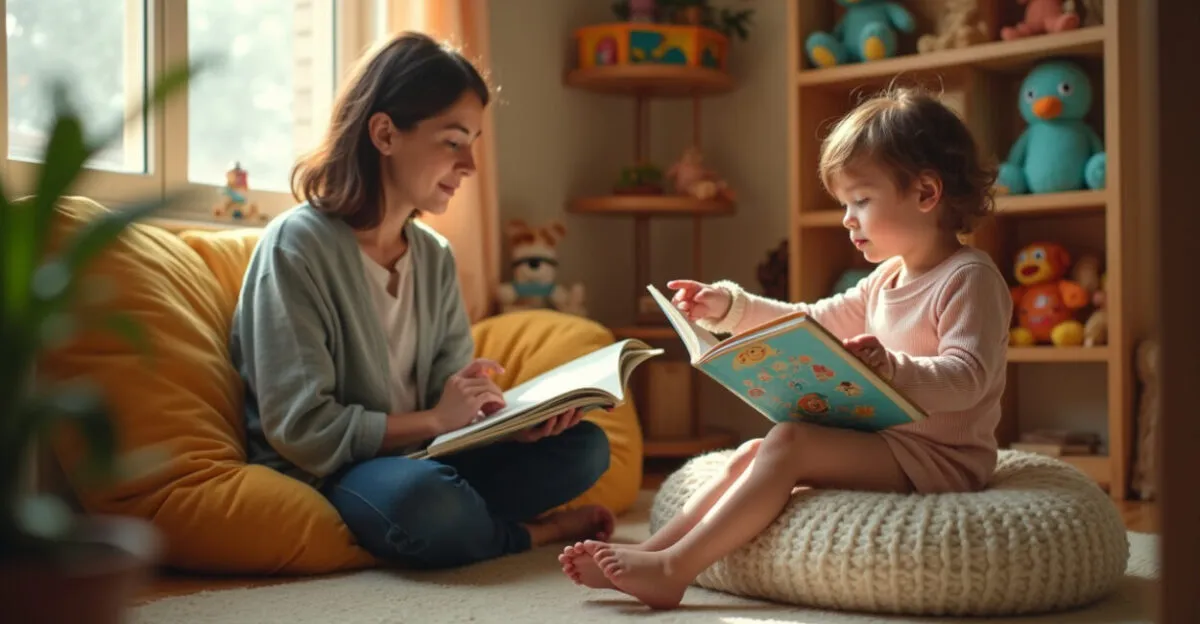
Empathy grows when children see emotional skills modeled and hear language that names feelings. Naming emotions in both adults and children (for example, “You’re frustrated because the toy broke”) helps children recognize their inner states. Use stories and books to discuss people’s motives and the consequences of their actions. Practicing conflict resolution through structured play helps children see things from another person’s perspective. Don’t force children to comfort others; give them time to connect with someone else’s distress at their own pace.
Read also: Socioemotional Development in Schools
Specific Activities and Tools
- Interactive reading about emotions, using picture books and open-ended questions.
- A facial-expression game with a mirror to help children identify and name emotions.
- Brief role-play scenarios using puppets to act out conflicts and solutions.
- A daily “How was your day?” routine with focused questions.
These practices work because they turn theory into repeated experience, reinforcing the ability to apply skills in different social situations.
Emotional Self-Regulation: Strategies That Work in Practice
Self-regulation involves both cognitive and physical skills: recognizing an emotion, using calming strategies, and returning to a task. Simple techniques for young children include guided breathing with a visual prompt (such as pretending to blow bubbles), comfort objects, and a “calm-down corner” with visual instructions. It’s important to practice self-regulation when children are calm so the strategy is available under stress. Early screening can help identify children who need more intensive support.
Measuring Progress and Warning Signs
Signs to watch for include persistent difficulty calming down, frequent aggression, social withdrawal, and disrupted sleep. Brief validated tools, such as adapted versions of the Strengths and Difficulties Questionnaire (SDQ), can help guide referrals. If several indicators persist for months and disrupt daily routines, consider a professional evaluation.
Strengthening Family Bonds Through Routines and Communication
Attachment is a direct predictor of emotional security. Predictable routines—meals, bedtime, and reading—create a safe setting for socioemotional learning. Responsive caregiving means noticing a child’s cues, responding sensitively, and repairing the relationship after a misstep. Clear, empathetic communication among caregivers reduces coercion and models how adults resolve conflicts. Investing in small daily routines yields greater benefits than complex one-off interventions.
How to Turn Routines Into Socioemotional Learning
For example, bath time can include naming feelings from the day and a brief gratitude exercise. Diaper changes offer a chance to respond to signs of discomfort and teach frustration tolerance. Making routines educational lets caregivers build skill development into the day without overloading the family schedule.
Interventions and Support Resources: From Home to Institutions
Brief parent-training programs, such as 6- to 12-hour workshops with hands-on practice, have been shown to improve children’s self-regulation and reduce oppositional behavior. Early childhood programs that adopt universal socioemotional curricula report better engagement and fewer suspensions. Useful resources include materials from the World Health Organization (WHO) and studies published in child development journals.
| Intervention | Focus | Evidence |
|---|---|---|
| Parent workshops (6–12 hours) | Improved parenting responses and fewer outbursts | Meta-analyses show a moderate effect on behavior |
| Socioemotional curricula in preschool | Social skills and self-regulation | RCTs indicate academic and social gains |
| Family-focused therapy | Cases involving risk or trauma | Effective in repairing attachment and improving regulation |
Principles for Assessment and Decision-Making
Assess children using multiple sources: direct observation, caregiver reports, and standardized tools. Prioritize functional signs, such as effects on routines, sleep, eating, and learning. Start with low-intensity interventions at home; if significant effects persist for more than three months, seek specialized services. Document responses to changes and adjust strategies in short cycles. This helps avoid unnecessary escalation and ensures interventions are proportionate to the level of risk.
Next Steps for Implementation
Map out daily routines and identify three opportunities for socioemotional support: morning, transitions, and evening. Teach caregivers two basic techniques: naming emotions and taking a regulation break. Set measurable goals—for example, reducing tantrums by 30% in six weeks—and use a simple log to track progress. If risk signs persist, connect the family with local services. Plan a review in 8–12 weeks to adjust the approach.
How Can You Strengthen Learning at Home?
Turn routine moments into brief socioemotional lessons through open-ended questions, modeling, and positive reinforcement. Practice naming emotions every day, rehearse solutions through play, and keep boundaries brief and consistent. Avoid lengthy explanations; show children what to do and offer immediate feedback instead. If the family has questions or faces barriers, a brief caregiver workshop may be more effective than relying on written materials alone.
How Can You Tell When It’s Time to Seek Professional Help?
Seek a professional evaluation if a child shows persistent aggression, severe social withdrawal, a loss of previously acquired skills, or symptoms that affect sleep and eating for more than three months. Clear reasons to seek help include risk of self-harm, exposure to domestic violence, or delays in motor or cognitive development. Professionals who can help include pediatricians, child psychologists, and child and adolescent mental health services.
Which Scientific Resources Can You Consult to Learn More?
Consult systematic reviews in journals such as Child Development and Developmental Psychology, as well as the World Health Organization guidelines on child development. In Brazil, data from the Brazilian Institute of Geography and Statistics (IBGE) and research published in Brazilian academic journals offer additional context. Use RCTs and meta-analyses to prioritize practices with evidence of effectiveness.
How Can You Adapt Practices for Families From Different Cultural Backgrounds?
Respect family norms when adapting techniques: focus on principles (responsive care, predictability, and logical limits) rather than rigid scripts. Work with caregivers to adapt language, routines, and play examples. In multilingual settings or with families with limited literacy, prioritize demonstrations and visual aids. Cultural adaptation improves engagement and effectiveness.
What Common Mistakes Should You Avoid When Teaching Socioemotional Skills?
Avoid three common mistakes: 1) using harsh punishment instead of logical consequences; 2) expecting children to “know better” without guided teaching; 3) using interventions sporadically instead of consistently. Another mistake is confusing calmness with neglect: supervision and structure are part of responsive care. Correcting these issues helps maximize the benefits of support at home and in institutions.
Frequently Asked Questions
What’s the Difference Between Self-Regulation and Behavior Control?
Self-regulation is the internal ability to recognize an emotion and choose strategies to manage it; it involves attention, working memory, and inhibitory control. Behavior control is the observable expression of that regulation in social situations. Young children often have limited self-regulation skills and need external support, such as routines and guidance from adults, to translate those skills into adaptive behavior. The goal is for external regulation to gradually become internal.
When Does Punishment Stop Being Useful for Setting Boundaries?
Punishment loses its effectiveness when it is unpredictable, disproportionate, or fails to teach an alternative behavior. Punishment that humiliates or isolates a child without explanation increases anxiety and undermines attachment. Effective boundaries combine logical consequences with guided follow-up: use a brief consequence, explain the reason in simple terms, and show the child an appropriate way to act. This teaches a skill, while punishment alone only suppresses behavior temporarily.
How Can You Measure Socioemotional Development at Home?
Keep simple records: the number of tantrums per week, the average time it takes to calm down, and observations of social interaction during play. Brief tools, such as adapted versions of the SDQ or self-regulation scales, can help quantify change. Combine objective data with caregiver reports about sleep and eating. Review progress every 4–8 weeks and adjust strategies based on trends rather than isolated fluctuations.
What Role Should Schools Play in Socioemotional Development?
Schools should build on what families begin by offering universal socioemotional curricula, predictable routines, and brief teacher training. Group activities that teach conflict resolution, cooperation, and active listening help children apply these skills in different settings. Regular communication with families to align approaches at home and school promotes consistency. In high-risk situations, schools can help identify needs and refer families to specialized services.
How Can You Respond to Tears and Anger Without Undermining Attachment?
Stay calm and present: acknowledge the feeling in simple words, validate the child’s experience, and offer help with calming down. Avoid dismissing their feelings (“Don’t cry”) or rewarding an emotional outburst. A practical approach is to name the emotion, offer a calming step (breathing or a hug), and restate the boundary with an alternative. This teaches children that emotions are manageable and that adults are a source of security, strengthening attachment while building self-regulation.
Artigos Relacionados
 Cognitive Development From Birth to Age 6: Encourage Learning
 Motor Milestones From Birth to Age 6: Signs and When to Seek Help
 School Political-Pedagogical Project for Whole-Child Education: A Practical Guide
 School–Community Integration: A Complete Practical Guide
 Child Development Stages: A Guide to Ages 0–5
 Educational Process: A Practical Guide to Learning
