
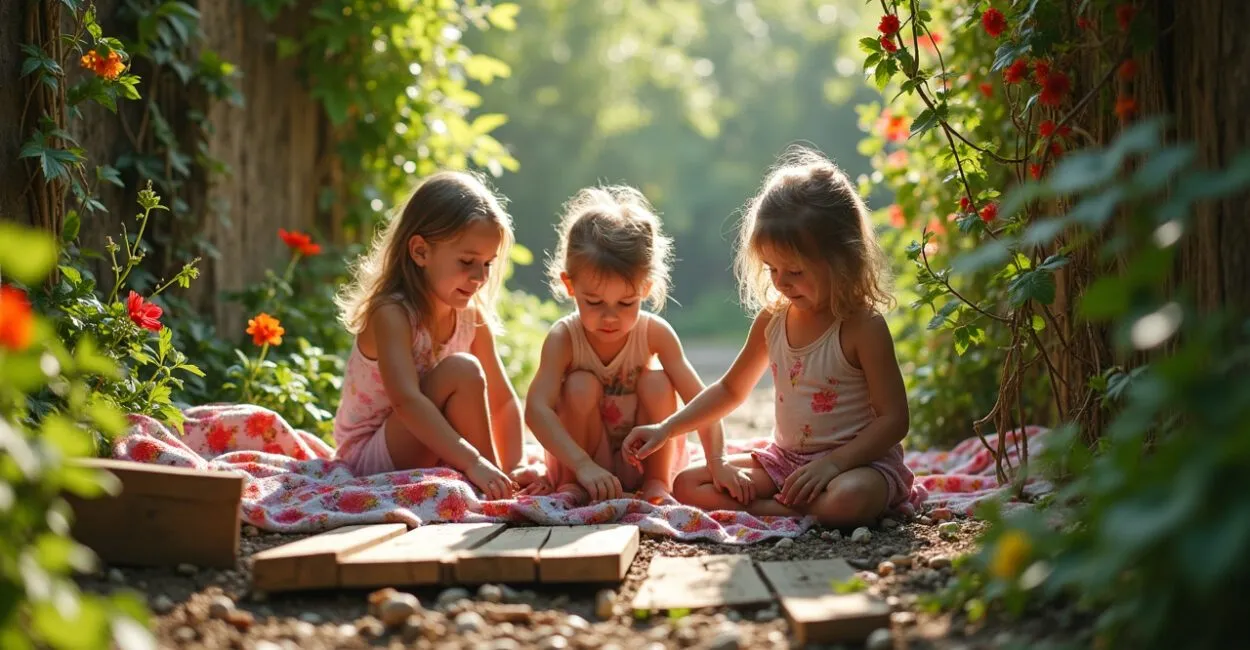
Why play matters goes far beyond simply entertaining children. Play is essential to children’s cognitive, social, emotional, and physical development. Through play, children explore the world, try out different roles, develop problem-solving skills, and learn how to interact with others.
In a world increasingly focused on results and performance, the importance of play is often underestimated. Children are increasingly exposed to structured activities and excessive screen time, while free, spontaneous play is neglected. Recognizing and encouraging play is crucial to supporting the healthy, well-rounded development of future generations.

Key Takeaways
- Play is essential to children’s cognitive, social, emotional, and physical development, allowing them to explore the world and try out different roles.
- Free play encourages creativity, imagination, and problem-solving—skills that are crucial to success in adulthood.
- Social interaction during play teaches children to cooperate, negotiate, share, and develop empathy—all fundamental social skills.
- Parents and educators should create environments rich in play opportunities, with a variety of materials and free time for spontaneous exploration.
- Limiting screen time and prioritizing outdoor play are important steps toward promoting healthy, balanced child development.
Why Play Matters for Child Development
Child development is a complex, multifaceted process shaped by many factors. Play is one of its cornerstones, providing children with unique opportunities to learn and grow. Play is more than entertainment; it is an active process through which children build knowledge and skills.
Play as a Tool for Cognitive Learning
Through play, children explore the world around them, experiment with different materials and situations, and develop essential cognitive skills. Handling objects, solving puzzles, and creating games foster logical reasoning, memory, attention, and planning skills. A University of Cambridge study found that children who regularly play with building toys perform better on tasks requiring spatial skills.
Play and Language Development
Play also plays a crucial role in language development. When children play with others, they learn to communicate, express their ideas, and understand the ideas of others. Pretend play, in particular, encourages creativity and imagination, allowing children to explore different roles and create complex narratives. Verbal interaction during play expands vocabulary and strengthens communication skills.
How Free Play Fosters Creativity and Imagination
Free play—play that isn’t structured or directed by adults—is essential for fostering children’s creativity and imagination. During this kind of play, children are free to explore their own interests, make up their own rules, and invent their own worlds. The importance of free play lies in the independence and freedom it offers.
Benefits of Free Play
Free play offers many benefits for child development. It encourages creativity, imagination, problem-solving, independence, and self-confidence. When children play freely, they learn to make decisions, cope with frustration, and persevere through challenges. Free play also promotes socialization and interaction with other children.
Creating an Environment That Encourages Free Play
To create an environment that encourages free play, offer children a variety of engaging materials, such as building blocks, play dough, paints, paper, fabric, and natural objects. It’s also important to give children free time to play without constant adult supervision. Adults should observe and facilitate, offering support and guidance when needed.
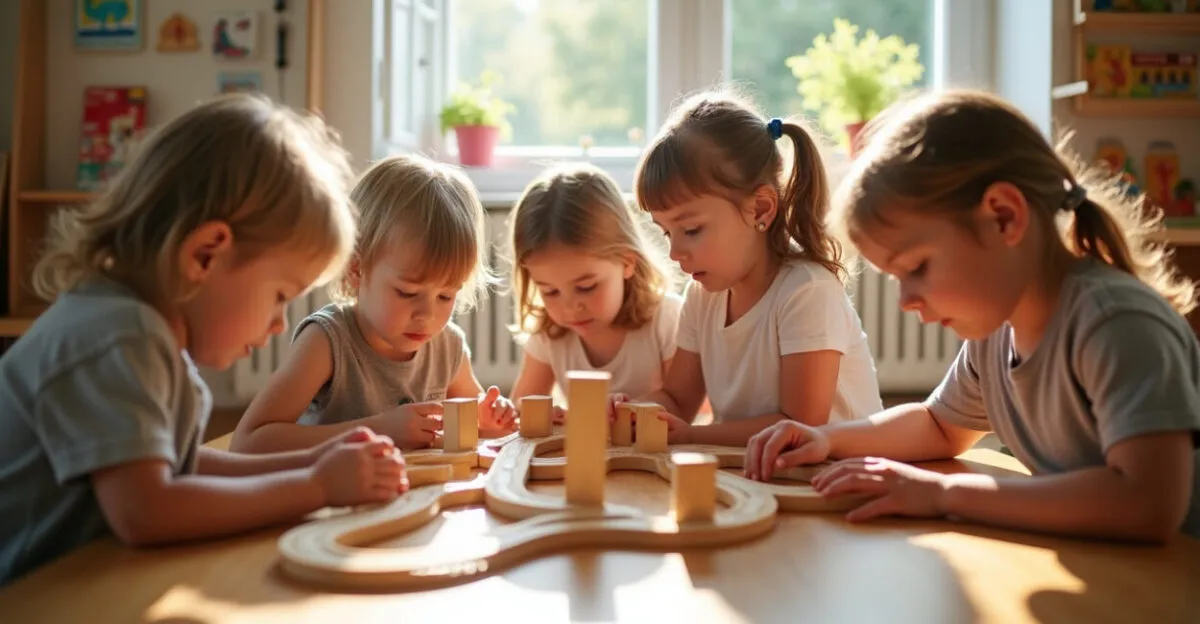
Why Play Matters for Socialization and Emotional Development

Play isn’t just an individual activity; it also gives children a chance to interact with others and develop social and emotional skills. The importance of group play lies in its ability to teach children to cooperate, negotiate, share, and resolve conflicts.
Play and the Development of Empathy
When children play with others, they learn to put themselves in someone else’s shoes, understand how others feel, and develop empathy. Pretend play, in particular, lets children try out different roles and perspectives, helping them develop emotional intelligence. Studies show that children who regularly play with others are better able to regulate their emotions and navigate complex social situations.
Read also: A Whole-Child Approach to Education: 7 Essential Pillars of a Teaching Routine
Play and Identity Development
Play also plays an important role in helping children develop their identities. As they play, children explore their interests, try out different roles, and discover their talents and abilities. Interacting with other children gives them a chance to compare themselves with others and define their own identities. Play is therefore essential to developing self-confidence and self-esteem.
Playing and Learning: The Connection Between Play and Education
Play is essential in early childhood education. Playing and learning aren’t separate activities; they complement each other. Play is a natural and effective way to learn, allowing children to explore the world, try out different situations, and build their own knowledge. Early childhood education should value play as an essential teaching tool.
Play as a Teaching Strategy
Teachers and educators can use play as an effective teaching strategy to teach important concepts and skills. Educational games, guided play, and hands-on activities can make learning more fun and engaging for children. Using play as a teaching tool encourages creativity, imagination, participation, and engagement.
Play Activities and the Development of Specific Skills
Different types of play can help children develop specific skills. Building games, for example, foster logical reasoning and spatial skills. Pretend play develops creativity, imagination, and language. Board games teach children to follow rules, plan, and make decisions. Choose activities based on educational goals and children’s needs.
The Impact of Technology on Play: Challenges and Opportunities
Technology is playing an increasingly large role in children’s lives, and that affects how they play, too. While technology offers new ways to play, such as digital games and educational apps, it also presents challenges, including physical inactivity, social isolation, and exposure to inappropriate content. It’s essential to strike a balance between technology use and traditional play.
Opportunities Technology Offers
Technology can be a powerful tool for encouraging children’s creativity, imagination, and learning. Educational digital games can teach complex concepts in fun, interactive ways. Drawing and painting apps let children explore their creativity and try different artistic techniques. The internet provides access to a vast range of information and educational resources. The importance of play with technology lies in using it thoughtfully and in moderation.
Challenges Presented by Technology
Excessive technology use can negatively affect child development. Physical inactivity, social isolation, exposure to inappropriate content, and technology dependence are some of the challenges it presents. It’s important to limit children’s screen time and encourage outdoor play and social interaction. Parents and educators should pay attention to the content children access online and teach them to use technology responsibly.
How to Create an Environment That Encourages Exploration, Creativity, and Imagination
Creating an environment that encourages exploration, creativity, and imagination is essential to promoting healthy, balanced child development. This environment should be safe, engaging, and full of opportunities for free, spontaneous play. The importance of play is clear in an environment where children feel free to explore, experiment, and create.
Tips for Creating an Engaging Environment
Offer children a variety of engaging materials, such as building blocks, play dough, paints, paper, fabric, natural objects, and musical instruments. Give children free time to play without constant adult supervision. Create safe, comfortable play spaces, both indoors and outdoors. Encourage children to play with others and take part in group activities. Limit children’s screen time and encourage outdoor play.
The Role of Parents and Educators
Parents and educators play a key role in creating an environment that encourages exploration, creativity, and imagination. They should be role models for creativity and curiosity, encouraging children to explore the world around them and ask questions. They should offer support and guidance when needed, without interfering too much in children’s play. Adults are facilitators: their role is to create a safe, engaging environment for children’s development.
Next Steps for Putting These Ideas into Practice
Understanding why play matters is only the first step. Putting this knowledge into practice takes a shared effort from parents, educators, and society as a whole. We need to create a culture that values play as an essential tool for child development and gives children opportunities to play freely and reach their full potential.
Start putting these ideas into practice today, in your own life and in the lives of the children around you. Offer a variety of engaging materials, give children free time to play without constant adult supervision, create safe, comfortable play spaces, and encourage outdoor play and social interaction. Remember that play is a fundamental right of every child and that investing in play means investing in the future.
A Common Question
What’s the ideal age to start encouraging free play?
There’s no specific age, but the sooner you start, the better. Even babies benefit from sensory exploration with safe, colorful objects. As children grow, free play can evolve to include pretend play, building games, and outdoor activities. The key is to choose materials and activities suited to a child’s age and interests, giving them the freedom to explore and learn independently. The presence of a parent or caregiver, even just as an observer, provides reassurance and encouragement as children venture out and discover new possibilities.
A Common Question
How can I help children who would rather spend time in front of screens than play?
This is a common challenge in the digital age. One approach is to gradually limit screen time and offer appealing alternatives. These could include outdoor activities, board games, art supplies, or trips to parks and museums. Involving children in choosing activities and joining in can increase their interest. It’s also important to set an example by showing that adults enjoy activities away from screens, too. The key is to create a balanced environment where play and technology can coexist in a healthy way.
A Common Question
What types of play are best for encouraging creativity?
Activities that encourage imagination and problem-solving are ideal. Pretend play, where children create their own settings and characters, is a great choice. Building with blocks or other materials lets children create structures and objects, encouraging spatial thinking and motor coordination. Drawing, painting, and modeling with play dough are great ways to express ideas and emotions. The key is to offer a variety of materials and let children explore freely, without preset rules or expectations.
A Common Question
How can play help children who have difficulty socializing?
Play provides a safe, fun environment for practicing social skills. Group games teach children to cooperate, share, negotiate, and resolve conflicts. Role-play lets children try different perspectives and develop empathy. Choose activities suited to the child’s age and interests, and encourage them to join in gradually without forcing interaction. An adult facilitator can help support communication and problem-solving, creating a positive, welcoming environment.
A Common Question
What are the benefits of outdoor play for child development?
Outdoor play offers a range of benefits for child development. Time in nature engages the senses, encourages physical activity, and strengthens the immune system. Running, jumping, climbing, and exploring the natural environment develop motor coordination, balance, and spatial awareness. Outdoor play also creates opportunities for social interaction, exploring nature, and developing creativity and imagination. Encourage outdoor play from an early age by providing a safe, engaging environment.
Artigos Relacionados
 Exploring the World Through the Senses: 10 Creative, Safe Sensory Activities to Support Early Childhood Development
 A Guide to Early Childhood Education: Best Practices, Play-Based Activities, and Innovative Approaches to Whole-Child Development
 Women’s Day Cards in Early Childhood Education: Celebrating Equality and Women’s Empowerment Through Art and Creativity
 Play at School: Bringing Free Play Into the Early Childhood Curriculum
 Early Childhood Education: The Importance of Play in Child Development
 Free Early Childhood Education Courses: Where to Start Today
