
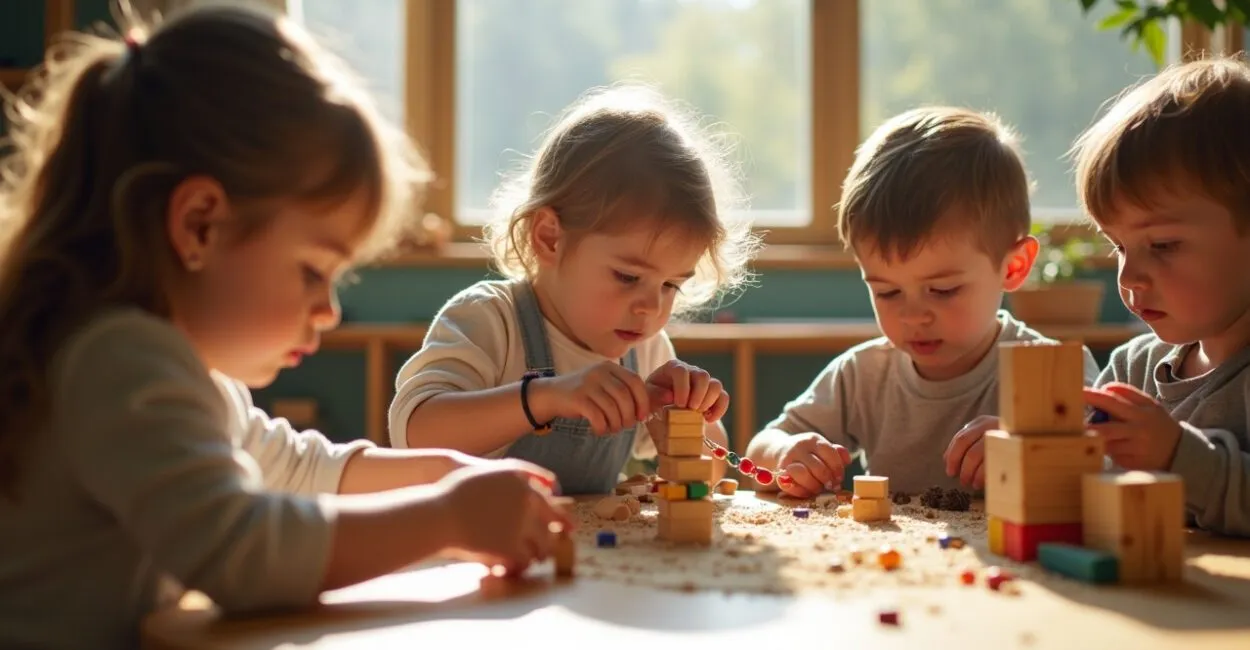
Neuroscience in early childhood education is an interdisciplinary field that explores how children’s brains develop and learn, drawing on neuroscience, psychology, and education. Essentially, it seeks to understand the neural mechanisms behind learning and cognitive, emotional, and social development during the first years of life.
The importance of this field lies in its ability to provide a solid scientific foundation for more effective educational practices. In a world where children encounter increasingly complex and varied stimuli, understanding how their brains process information and respond to different teaching approaches is crucial to supporting learning and healthy development. Neuroscience offers valuable insights for overcoming educational challenges and creating more engaging learning environments tailored to each child’s individual needs.

Key Takeaways
- Neuroscience in education for young children offers insights into how children’s brains learn, helping educators develop more effective, personalized teaching methods.
- Rich, stimulating experiences in the first years of life are crucial for brain development and the formation of lasting neural connections.
- Brain plasticity is greatest during childhood, making this an ideal time for interventions designed to support learning and development.
- Strategies based on neuroscience can help improve children’s attention, memory, and social-emotional skills.
- Understanding how stress affects children’s brains is essential to creating safe, supportive learning environments.
How Neuroscience in Early Childhood Education Uncovers the Secrets of Learning
Neuroscience in early childhood education sheds light on the complex processes unfolding in the developing brain, offering a deeper understanding of how children learn. By investigating the neural foundations of learning, we can identify strategies and practices that help every child reach their full potential.
Brain Plasticity: A Window of Opportunity in Childhood
Brain plasticity—the brain’s ability to change in response to experiences—is especially high during childhood. This means children’s brains are highly malleable and adaptable, making this period crucial for learning and development. Rich, stimulating experiences can strengthen neural connections, while a lack of stimulation can lead to the loss of important connections.
This plasticity creates a unique window of opportunity to shape children’s brains in positive ways. Early interventions, such as literacy programs and activities that support cognitive and social-emotional development, can have a lasting impact on children’s futures.
The Role of Neurotransmitters in Learning
Neurotransmitters, the chemicals that carry signals between neurons, play a key role in learning and memory. Dopamine, for example, is associated with pleasure and reward, which means activities that create positive feelings can increase children’s motivation and engagement in learning. Serotonin, meanwhile, helps regulate mood and sleep, which affects children’s ability to focus and learn.
Understanding the role of neurotransmitters can help educators create learning environments that promote the release of these beneficial chemicals. This could include using games and play-based activities, offering positive feedback, and establishing routines that support adequate sleep.
The Impact of Early Experiences on Brain Development
The experiences children have during the first years of life profoundly affect their brain development. The quality and quantity of these experiences can shape the brain’s structure and function, influencing children’s ability to learn, adapt, and thrive.
Stimulating Environments: The Foundation for a Healthy Brain
Environments rich in sensory, social, and cognitive stimulation are essential for healthy brain development. These environments give children opportunities to explore, experiment, and learn, strengthening neural connections and supporting brain growth. Interactions with attentive, responsive caregivers are also crucial because they provide the emotional and social support children need to feel safe and confident.
Studies show that children who grow up in stimulating environments are more likely to develop stronger cognitive, language, and social-emotional skills. They also tend to do better in school and in life.
The Effects of Toxic Stress on the Developing Brain
Toxic stress, caused by prolonged and intense adverse experiences such as abuse, neglect, or exposure to violence, can have a devastating impact on the developing brain. It can damage brain structures involved in regulating emotions, learning, and memory, leading to mental health problems, learning difficulties, and behavioral challenges.
It is essential to create safe, supportive environments where children feel protected and loved. Early intervention is key to helping children who have experienced toxic stress recover and build resilience.
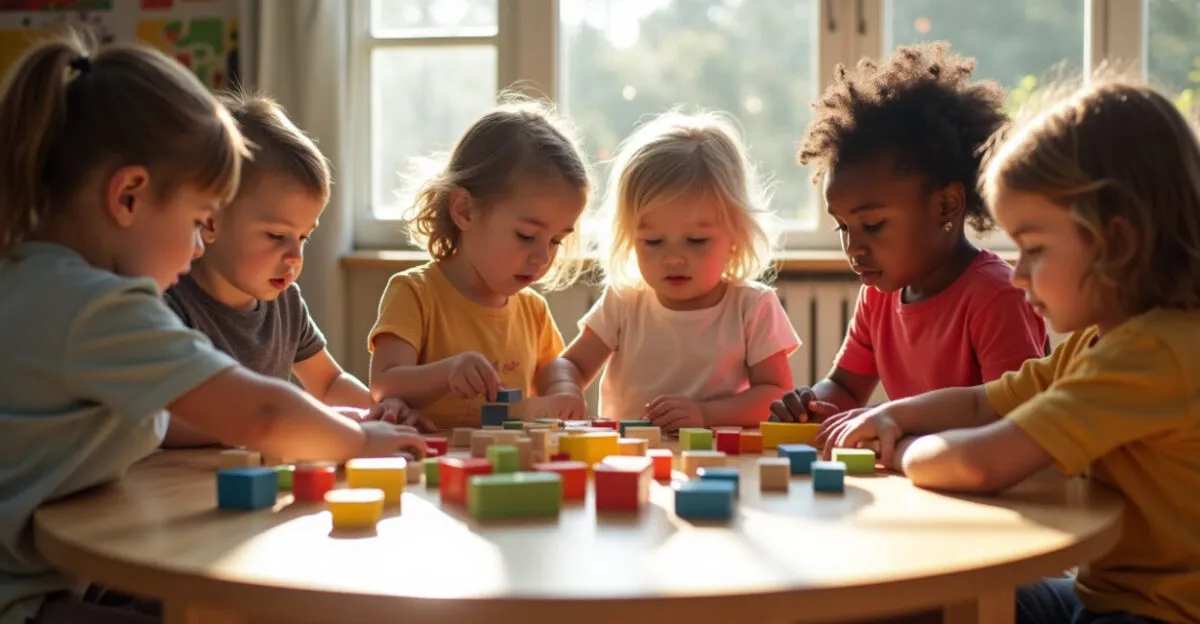
Neuroscience-Based Strategies to Optimize Learning

Neuroscience offers a range of strategies that can help optimize children’s learning. These strategies are grounded in scientific principles and designed to support healthy brain development and maximize learning potential.
Active Learning: Engaging the Brain in the Learning Process
Active learning, which involves children in hands-on activities, discussions, and problem-solving, is more effective than passive learning, which simply involves listening to or reading information. Active learning encourages the brain to process information more deeply and meaningfully, leading to better retention and understanding.
Educators can promote active learning through a variety of techniques, including group projects, simulations, games, and experiments.
Spaced Repetition: Strengthening Long-Term Memory
Spaced repetition—reviewing information at gradually increasing intervals over time—is an effective way to strengthen long-term memory. When children review information repeatedly, the brain strengthens the neural connections associated with it, making it easier to remember later.
Read also: AI in Early Childhood Education: Transforming How Children Learn
Educators can use spaced repetition to help children learn vocabulary, historical facts, and other types of information.
The Importance of Attention and Memory in Children’s Learning
Attention and memory are essential cognitive skills for learning. Attention allows children to focus on relevant information, while memory allows them to store and retrieve that information later.
Read also: ChatGPT-4: Transforming the Future of Education
Strategies to Improve Children’s Attention
Several strategies can help improve children’s attention. One is to reduce distractions in the learning environment. This could mean turning off the TV, putting away toys, and creating a quiet study space.
Another strategy is to break tasks into smaller, more manageable steps. This can help children stay focused and avoid feeling overwhelmed. It is also important to offer regular breaks so children can relax and recharge.
Techniques to Strengthen Children’s Memory
There are also several techniques that can help strengthen children’s memory. One is visualization, which involves asking children to create mental images of the information they are trying to learn. Visualization can make information more memorable and easier to recall.
Another technique is association, which involves connecting new information to things children already know. Association can help children make sense of new information and see why it matters.
Neuroscience and Social-Emotional Development in Early Childhood Education
Social-emotional development—which involves understanding and managing emotions, building healthy relationships, and making responsible decisions—is just as important as cognitive development. Neuroscience shows how the brain processes emotions and how social experiences can shape social-emotional development.
The Role of the Amygdala and Prefrontal Cortex in Emotions
The amygdala, a brain structure involved in processing emotions, plays a key role in fear and anxiety responses. The prefrontal cortex, on the other hand, is responsible for emotional control and rational thinking. A balance between the amygdala and prefrontal cortex is essential for healthy social-emotional development.
Strategies that promote emotional regulation, such as mindfulness and deep breathing, can help strengthen the prefrontal cortex and reduce the amygdala’s reactivity.
The Importance of Empathy and Theory of Mind
Empathy—the ability to understand and share other people’s feelings—and theory of mind—the ability to attribute mental states to oneself and others—are essential social-emotional skills for successful relationships. Neuroscience shows that these skills are associated with specific brain regions, such as the anterior cingulate cortex and medial prefrontal cortex.
Activities that encourage empathy and theory of mind, such as reading stories, role-playing, and discussing moral dilemmas, can help children develop these skills.
Challenges and Opportunities in Applying Neuroscience to Early Childhood Education
Despite the potential benefits of neuroscience in early childhood education, applying these findings in practice presents significant challenges. One major challenge is that educators often lack training and knowledge in neuroscience. Many do not have access to current, relevant information about the brain and learning.
Addressing Gaps in Training and Knowledge
To address this challenge, it is essential to invest in ongoing educator training. This could include offering courses, workshops, and seminars on neuroscience and education. Educators should also have access to resources and tools that help them apply neuroscience principles in their teaching.
It is also important to encourage collaboration between neuroscientists and educators. This collaboration can help translate neuroscience findings into effective, relevant teaching practices.
Adapting Strategies to Each Child’s Needs
Another challenge is adapting neuroscience-based strategies to each child’s individual needs. Every child is unique and learns differently. Educators therefore need to be able to assess each child’s individual needs and adapt their teaching practices accordingly.
This could include using different teaching methods, offering individualized support, and creating flexible, adaptable learning environments.
Next Steps for Implementation
Integrating neuroscience into early childhood education is not just a trend; it is a necessity if we want to give children the best possible education, grounded in solid scientific evidence. The future of early childhood education depends on turning complex neuroscience findings into accessible, effective teaching practices.
To move forward, it is crucial to invest in ongoing educator training and foster collaboration between neuroscientists and education professionals. Schools and education systems must also take a flexible, adaptable approach that makes it possible to tailor learning to each child’s individual needs. By doing so, we can help children reach their full potential and become successful, fulfilled adults.
Natural and Specific Question?
How Can Neuroscience Help Identify Learning Difficulties in Young Children?
Neuroscience offers tools and knowledge that make it possible to identify learning difficulties early. By observing behavior, assessing cognitive functions, and, in some cases, using neuroimaging, professionals can identify atypical developmental patterns that may indicate dyslexia, ADHD, or other conditions. Early intervention based on neuroscience-informed strategies can minimize the effects of these difficulties and support healthier, more balanced development. Appropriate identification and support are essential to ensuring every child has the opportunity to reach their full potential.
Natural and Specific Question?
What Are the Biggest Myths About Children’s Brains That Neuroscience Debunks?
One of the biggest myths is the belief that the brain stops changing after childhood. Neuroscience shows that the brain remains plastic throughout life, although this plasticity is strongest in the early years. Another myth is that using only one side of the brain (the right or left) determines a person’s abilities. In reality, both hemispheres work together. The idea that “earlier is always better” is also questionable; development follows individual timelines, and excessive pressure can be harmful. Debunking these myths helps educators make informed choices that respect children’s development.
Natural and Specific Question?
How Does Sleep Affect Children’s Learning and Brain Development?
Sleep plays a crucial role in children’s learning and brain development. During sleep, the brain consolidates information learned during the day, strengthens neural connections, and clears out toxins. Sleep deprivation can cause difficulties with attention, memory, and emotional regulation. Children who do not get enough sleep are more likely to have behavioral problems and struggle in school. To support cognitive and emotional development, it is essential to ensure that children get quality sleep, with regular bedtimes and an environment conducive to rest.
Natural and Specific Question?
How Does Nutrition Influence Children’s Brain Development?
Nutrition has a direct and significant influence on children’s brain development. Essential nutrients, including omega-3s, iron, zinc, and B vitamins, are crucial for the formation and function of neurons, the myelination of nerve fibers, and the production of neurotransmitters. A balanced diet rich in fruits, vegetables, whole grains, and lean proteins provides the building blocks for a healthy brain. Nutrient deficiencies can impair cognitive development, learning, and emotional regulation. Encouraging healthy eating habits from childhood is therefore an essential investment in children’s futures.
Natural and Specific Question?
How Does Technology Affect Children’s Brains, and How Can Its Use Be Balanced?
Technology can affect children’s brains in both positive and negative ways. Excessive screen time can lead to attention problems, sleep difficulties, and a sedentary lifestyle. Used thoughtfully and in moderation, however, technology can provide opportunities for interactive learning and skill development. It is essential to balance screen time with outdoor activities, creative play, and social interaction. Parents and educators should monitor the content children access and encourage the use of educational apps and games that promote reasoning, problem-solving, and creativity.
Artigos Relacionados
 Effective Brain Stimulation in Early Childhood Education
 Collaborative Learning in Early Childhood Education
 Early Childhood Education: The Importance of Play in Child Development
 The Power of Free Play: Exploring Why Play Matters in Early Childhood Education and How to Foster Creativity and Imagination
 Exploring the World Through the Senses: 10 Creative, Safe Sensory Activities to Support Early Childhood Development
 A Guide to Early Childhood Education: Best Practices, Play-Based Activities, and Innovative Approaches to Whole-Child Development
