

These are instructional, environmental, and behavior-management practices designed to reduce barriers to attention, self-regulation, and learning at school. Essentially, they involve adjustments to instruction and the school environment that improve access to the curriculum while maintaining high expectations and providing practical support so students can succeed. These strategies combine universal accommodations, explicit instruction, and individualized interventions integrated into everyday classroom routines.
Key Takeaways
- Environmental adjustments and structured instructions reduce attention lapses and improve performance in reading and math.
- Combining positive reinforcement, breaking tasks into smaller steps, and visible routines reduces disruptive behavior and increases time on task.
- Collaboration among teachers, families, and multidisciplinary teams is essential for effective, measurable plans.
- Frequent progress checks and objective data (time on task, correct answers, completed assignments) guide instructional decisions.
The following sections cover practical strategies, scientific evidence, and examples for elementary school classrooms. The article focuses on steps teachers can start using right away, along with criteria for monitoring their effects and adjusting practices throughout the school year.

Why Organization and Routines Are Key to Successful Inclusive Strategies for Students with ADHD
Organization and routines reduce students’ cognitive load. When expectations and task steps are predictable, students rely less on working memory and inhibitory control. This increases productive attention and helps students complete tasks accurately. In the classroom, visual routines and short sequences support more consistent behavior and make more time for effective instruction.
Visual Routines and Classroom Scripts
Use schedules, checklists, and visual cues to signal when activities begin and end. Short scripts for transitions (for example, “1 — put away my materials; 2 — sit down; 3 — open my notebook”) reduce ambiguity. Teach these scripts and practice them daily during the first two weeks of each grading period. Self-monitoring with cards or timers helps students internalize routines.
Organizing Materials and Time
Provide color-coded folders, notebook cover templates, and a chart of due dates. Break large assignments into 10–15-minute steps and record daily goals.
Visible timers and scheduled breaks improve sustained attention and emotional regulation.
How Explicit Instruction and Breaking Tasks Into Smaller Steps Improve Learning for Students with ADHD
Explicit instruction and breaking tasks into smaller steps improve skill acquisition. Teaching each step through modeling, guided practice, and immediate feedback reduces errors and reinforces cognitive-behavioral strategies.
For students with ADHD, dividing assignments into measurable steps is more effective than simply increasing total study time.
Modeling and Distributed Practice
Present the lesson objective in simple language. Model the first attempt out loud, then lead guided practice with targeted questions. Schedule short practice sessions throughout the week instead of one long session. This improves retention and helps students apply skills in new situations.
Immediate Feedback and Clear Goals
Immediate feedback corrects errors before they become ingrained. Use clear criteria for success (for example, “solve 8 out of 10 problems with fewer than 2 errors”).
Set incremental goals and celebrate small gains with social praise or points students can accumulate.

Behavior Management: Positive Reinforcement, Contracts, and Discreet Cues

Behavior management should balance high expectations with concrete support. Consistent positive reinforcement increases desired behaviors.
Simple behavior contracts and discreet cues to remind students of rules reduce interruptions and protect students’ self-esteem.
Reinforcement Systems and Individual Contracts
Create systems that award points for observable goals (time on task, assignments turned in, participation). Contracts outline the responsibilities of the student and teacher, as well as the reinforcing actions to be used.
Review contracts every two weeks using objective data, and adjust goals based on progress.
Discreet Cues and Minimal Intervention
Use visual signals or a light touch to redirect the student without drawing attention to them. These cues work when they are taught in advance and used consistently. Brief, well-timed interventions interrupt escalating patterns and preserve a positive classroom environment.
Environmental Adjustments That Improve Attention and Reduce Distractions
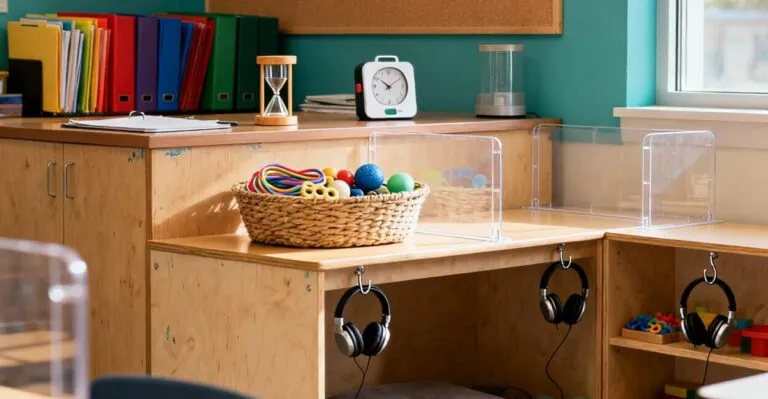
The physical environment directly affects attention. Seating students near the teacher, reducing noise, and limiting visual stimuli increase time on task. Small changes, such as preferred seating and quiet work areas, can have a measurable impact on behavior and performance.
Read also: Teaching Practices in Early Childhood Education
Classroom Layout and Strategic Seating
Seat students with ADHD near the teacher and away from windows or doors. Create low-stimulation areas for reading or tests. Organized furniture and materials reduce distractions and make transitions between activities smoother.
Sensory Tools and Movement Breaks
Allow discreet sensory items (stress balls, footrests) if they help with self-regulation. Two- to three-minute movement breaks between demanding work blocks can restore focus. Use timers and clear expectations so breaks don’t become a way to avoid tasks.
Read also: Collaborative Assessment: Criteria and Practical Strategies
Assessment, Monitoring, and Data Use to Adjust Inclusive Strategies for Students with ADHD
Frequent assessment and data use guide instructional decisions. Simple measures—percentage of time on task, number of assignments completed, and assessment accuracy—are enough to monitor progress. Data can show when to withdraw support or increase it if progress stalls.
Practical Metrics and Data Collection Routines
Record time on task in 10-minute intervals on two days each week. Count assignments started and completed each week. Document behavior incidents by recording the antecedent, behavior, and consequence. This data supports family meetings and decisions about accommodations.
Collaborative Assessment and Adjustments
Bring together the teacher, parents, and, when available, a learning specialist to review data every 4–6 weeks. Develop hypotheses about what works and test changes in 2–4-week cycles. Document results and communicate them to the family in clear language.
Technology and Digital Tools That Enhance Inclusive Strategies for Students with ADHD
Well-chosen technology can support self-regulation, organization, and access to content. Timer apps, visual organizers, and platforms that break assignments into smaller steps can increase independence. However, technology needs clear rules to prevent new distractions.
Tools for Organization and Self-Regulation
Apps such as visual timers, digital checklists, and shared calendars help with planning. Tools that break assignments into steps and send brief reminders are especially useful. Teach students how to use them and limit notifications unrelated to class.
Adaptive Platforms and Accessibility
Platforms that adjust the level of challenge and provide immediate feedback can improve engagement. Use text-to-speech tools and readable fonts when reading is a barrier. Always pair technology with direct instruction to ensure students can apply their skills elsewhere.
Comparing Accommodations and When to Use Them
Not every accommodation works for every student. The table below compares common options and indicates when to prioritize them. This helps teachers choose effective combinations without relying solely on trial and error.
| Accommodation | Expected effect | When to prioritize |
|---|---|---|
| Seating near the teacher | Improves attention and reduces distractions | Students distracted by visual or auditory stimuli |
| Breaking assignments into steps | Improves task completion and reduces procrastination | Long assignments or tasks with multiple steps |
| Visual timers | Builds time awareness and self-regulation | Difficulty managing time |
| Behavior contracts | Increases accountability and consistency | General classroom rules have not been effective |
For guidance and evidence, consult the CDC’s ADHD resources and school practice materials from the World Health Organization. In Brazil, practical resources from the Ministry of Health, Brazil’s federal health agency, supplement local protocols.
Next Steps for Implementation
Start with a functional assessment in the classroom: track three simple metrics for two weeks. Choose two interventions (for example, strategic seating and breaking tasks into smaller steps) and implement them for a four-week cycle. Review the data at the end of the cycle and make adjustments. Involving family members and professionals supports consistency at home and at school.
Plan brief training sessions for school staff on ADHD signs and basic strategies. Encourage teachers in the same grade level to share practices. Coordinated action maximizes impact and reduces stigma.
Frequently Asked Questions
How Can You Tell ADHD-Related Inattention from Lack of Motivation or Insufficient Sleep?
Systematic observation is essential. ADHD tends to involve persistent patterns: ongoing difficulty starting tasks, frequent forgetfulness, and fluctuating attention during both enjoyable and less enjoyable activities. Lack of motivation often improves when the content is interesting; insufficient sleep affects all students and may cause sleepiness and sluggishness upon waking. Track behavior for two weeks, ask the family about sleep and symptoms outside school, and favor assessments using validated rating scales completed by teachers and parents.
Which Accommodations Are Most Effective for Tests and Assessments?
Breaking tests into sections, offering a moderate amount of extra time (for example, 25–30%), and providing a quiet location generally improve assessment validity. Allowing extra scratch paper, giving clear instructions, and showing students the test format can reduce anxiety. Avoid changing the content being assessed; focus on removing barriers to access. Record performance with and without accommodations to adjust support as needed and ensure that assessments fairly measure what students have learned.
When Should a Student Be Referred for a Multidisciplinary Evaluation?
Refer a student if classroom interventions have been in place for 6–8 weeks and progress remains insufficient. Warning signs include significant impairment across several areas (academic, social, and emotional) and symptoms that are consistent at home and school. A referral is also appropriate when the diagnosis is unclear, co-occurring conditions are suspected (such as anxiety or learning difficulties), or medication may be needed. Document school data and family reports to support an accurate evaluation.
How Can You Involve Families Without Blaming Them or Creating Conflict?
Take a collaborative, data-based approach. Share objective observations, clear goals, and simple strategies the family can try at home. Listen to their concerns and offer options rather than instructions. Hold brief, regular meetings focused on measurable progress. Recognize the family’s strengths and limitations, and suggest referrals when needed. Transparency and small wins build trust.
What Indicators Can Help Decide When to Reduce School Support?
Decisions should be based on multiple indicators: consistently increased time on task, stable assignment completion for 6–8 weeks, improved standardized assessment results, and fewer behavior incidents. Gradually reduce support and monitor the results (fading) to see whether progress is maintained. Keep a contingency plan to quickly reinstate support if the student regresses. Document all changes and inform the family in advance.
Artigos Relacionados
 Attention Teachers: Changes to the School Routine for Students with ADHD
 Practical Resources for Building Student Autonomy Into the School Day
 Play-Based Learning: Practical Strategies for Teachers
 Inclusive Education in Elementary School: Practices and Support
 Elementary School Activities: Creative, Practical Ideas
 Inclusive Education in Schools: Transformative Paths for Every Student
