
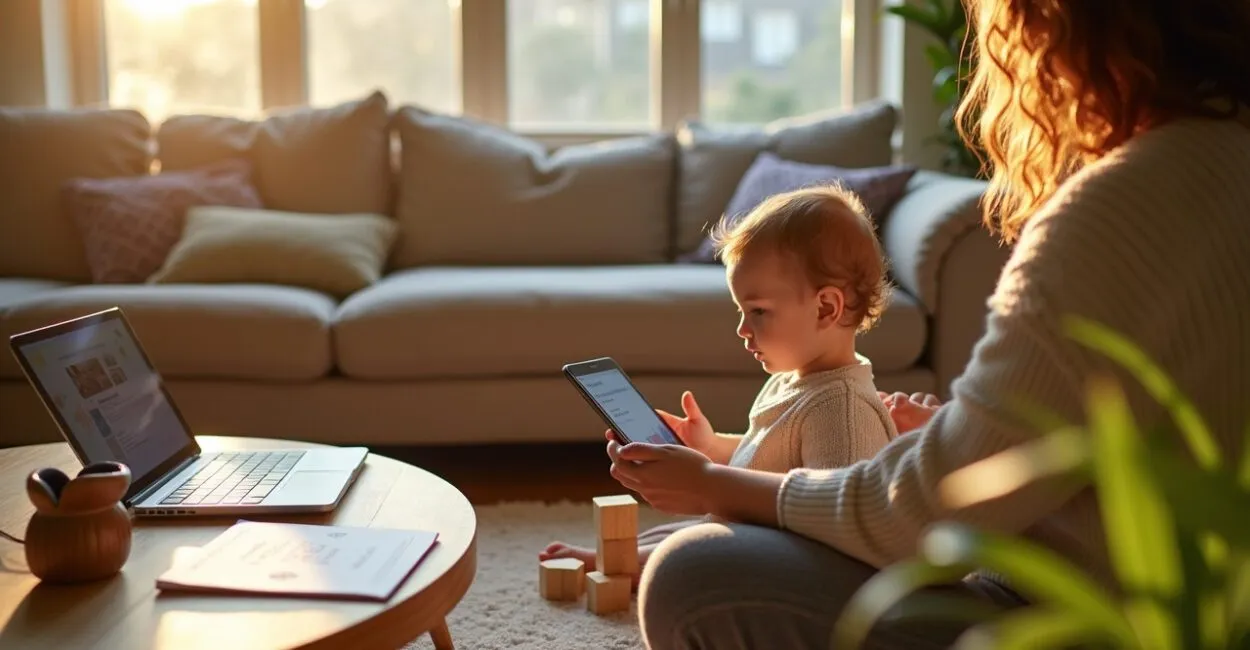
These are educational programs offered at no direct cost to learners, ranging from short video lessons to structured courses with assessments and certificates. Essentially, they are educational resources that people can access without paying, though they may require registration, attendance at scheduled sessions, or supplemental materials. For parents new to early childhood education, these courses offer practical knowledge about development, routines, cognitive stimulation, and safety—all without straining the family budget.
Key Takeaways
- Well-chosen free courses help parents learn evidence-based early childhood education practices they can use from birth through age six.
- Prioritize courses with assessments, practical content, and research references; certificates and tutor support can make learning more effective.
- Public-sector and university resources (.gov, .edu) tend to have stronger educational credentials and tested methods; pair them with short, practical modules.
- Common mistakes include choosing courses based on marketing, failing to check whether the content is current, and skipping hands-on activities that reinforce parenting skills.
Why Quality Determines the Success of Free Courses for New Parents
Educational Rigor and Practical Value
Not every free course is high quality. Success depends on educational rigor: clear objectives, a well-planned sequence, hands-on activities, and assessment. New parents need guidance that explains why certain actions matter—for example, how playing with language supports future literacy—not just a set of instructions. Courses that cite research, use recognized developmental scales, and provide step-by-step guidance can lead to meaningful changes in everyday caregiving.

How to Spot Quality in Free Courses
Look for a bibliography, citations of recent studies (from the past five years), and connections to recognized institutions such as education departments or universities. Check for a certificate that lists the course hours, a description of activities, and reviews or feedback from other parents. If the course offers a tutor, discussion forum, or formative assessment, learners are much more likely to retain and apply the techniques. These signs reduce the risk of outdated or ineffective practices.
Essential Topics Every Free Course Should Cover
Child Development Basics
A good free course covers motor, language, and social development, as well as emotional self-regulation. Parents need to understand developmental windows of opportunity—such as heightened sensitivity to language during the first three years—and how to adapt activities to support them.
Explaining the signs of developmental delays and how to seek a professional evaluation is a critical part of practical course content.
Routines, Safety, and Bonding
Practical topics include establishing daily routines, sleep, feeding, accident prevention, and ways to build secure bonds. Effective free courses provide daily activity plans, home safety checklists, and examples of interactions that strengthen attachment.
These elements turn theory into practical steps for busy parents.
Recommended Formats and Platforms for Free Courses

Public and University Platforms
Institutions such as state education departments, government portals, and universities offer free courses aligned with public policy. These courses often draw on research and undergo academic review. You can also check platforms such as Coursera and edX, which host university courses (some with free modules) and let you audit courses at no cost.
Read also: Early Childhood Curriculum: What to Expect from Online Courses
Independent Platforms and Nonprofits
Nonprofit organizations and social initiatives also create free courses for parents. Many focus on low-cost, high-impact practices. Check where the content comes from, and favor organizations that publish their sources and impact measures. Pair short, practical modules with additional reading to get the most out of your learning.
What an Ideal Free Course for Parents Looks Like: From Microlearning to Practice
Short Modules You Can Put to Use Right Away
The ideal format for parents consists of 15–30-minute modules, each with a clear objective and a hands-on activity to try that day. Microlearning makes it easier to apply and reinforce what you learn. For example, a module on language stimulation might suggest three five-minute games a day to build vocabulary.
Read also: Early Childhood Education Courses for Parents
Hands-On Assessment and Feedback
Look for checklists, demonstration videos, and self-assessments. Free courses that offer feedback from tutors or peers make it more likely that learners will apply what they learn. Even without a tutor, activities with clear criteria and before-and-after examples can help parents track their progress.
Metrics and Evidence for Choosing Effective Free Courses
Objective Indicators of Quality
Look for metrics such as completion rates, participant reviews, impact studies, and alignment with national child development guidelines. A course with a completion rate above 60% and positive reviews may have an effective format. Controlled studies or reports that measure developmental outcomes can increase confidence in the content.
Practical Comparison — Criteria Table
| Criterion | What to look for | Why it matters |
|---|---|---|
| Source | Reputable public institution, university, or nonprofit | More likely to offer evidence-based content |
| Format | Short modules + hands-on activities | Makes it easier for parents to put lessons into practice every day |
| Assessment | Checklists, quizzes, feedback | Helps families measure and adjust their practices |
Common Mistakes When Using Free Courses—and How to Avoid Them
Choosing Based on Price or Popularity
Popularity doesn’t guarantee quality. Many parents choose the first free courses that show up in search results without checking whether the content is current or evidence-based. Avoid this mistake by checking the bibliography, update history, and credentials of the content reviewers. Treat popularity as a secondary indicator, not a guarantee.
Skipping Hands-On Activities and Exercises
Many free courses offer solid theory, but parents skip the exercises because they’re short on time. Without practice, learning doesn’t translate into behavioral change. Set aside short periods each day to try the suggested activities; this can lead to real, measurable progress in your child’s development.
Resources and Next Steps: Where to Start Today
A Quick Action Checklist
- Choose one short course from a trusted platform (.gov or .edu) and complete one module each week;
- Try at least one hands-on activity each day and jot down a few observations;
- Find a second source (article or video) for each new technique you learn;
- Join a group or forum to ask questions and see real-life examples.
Useful Links and Recommended Reading
For reliable guidance, consult resources from Brazil’s Ministry of Health and universities. For example, Brazil’s Ministry of Health and public university portals often offer up-to-date courses and guides. Pair these resources with practical courses from reputable educational platforms to build a consistent learning plan.
Next Steps for Putting What You Learn into Practice
In short, prioritize free courses that offer practical applications, references, and assessments. Start with a short module, try the technique for a week, and track the results. Then choose a complementary module. This approach helps you learn without overloading your family’s routine and builds practical early childhood education skills. Over time, look for courses that offer impact measures or professional support to help reinforce changes.
When choosing free courses, don’t settle for outdated materials. Check the sources and put what you learn into practice every day. With careful selection, free courses can be a powerful tool for improving your routine and supporting your child’s development at no cost.
Frequently Asked Questions: 1. What’s the Difference Between Free Courses and Standalone Free Resources for Parents?
Free courses are structured programs with a learning sequence, defined objectives, and ideally, assessments or a certificate. Standalone resources include articles, videos, and posts without an organized sequence. For parents, a course offers the benefit of planned progression and hands-on exercises that encourage behavior change. Standalone resources can supplement learning, but without systematic guidance, they rarely ensure that what you learn carries over into everyday caregiving.
Frequently Asked Questions: 2. How Can I Tell Whether a Free Course Is Evidence-Based?
Check whether the course cites studies, authors, or recognized guidelines and whether its bibliography includes recent sources (from the past five years). Look for references to validated methods, developmental scales, or public policies. Courses affiliated with universities, education departments, or health institutions are more likely to draw on evidence. Impact assessments, completion rates, and peer review are additional signs of quality.
Frequently Asked Questions: 3. Is a Free Course Still Worth Taking If It Doesn’t Offer a Certificate?
Yes, as long as it offers practical content, hands-on activities, and reliable sources. A certificate can document your participation, but for parents, the most important measure is whether the practices taught are effective. Evaluate the course based on whether it leads to observable changes in your routine and your child’s development. A course with activity plans and self-assessments can be highly valuable even without a certificate.
Frequently Asked Questions: 4. How Much Time Should I Spend on a Free Course Each Day to See Results?
Setting aside 15 to 30 minutes a day for learning and practice is usually enough. Consistency is key: short, repeated activities have more impact than long, occasional sessions. For example, three five-minute language and play activities each day can show results within a few weeks. Track your observations weekly so you can adjust and maintain effective practices.
Frequently Asked Questions: 5. What Signs Mean I Should Seek Professional Help in Addition to Taking Free Courses?
Seek professional help if you notice persistent delays in motor milestones, limited language beyond expected ages, loss of previously acquired skills, concerning interaction patterns, or behaviors that pose a safety risk. Free courses can support prevention and stimulation, but they don’t replace a clinical evaluation. If you have ongoing concerns, ask a pediatrician, speech-language pathologist, or multidisciplinary team to evaluate your child.
Artigos Relacionados
 The Ideal Course Length for Early Childhood Education
 Early Childhood Education Courses for Parents
 Play at School: Bringing Free Play Into the Early Childhood Curriculum
 Early Childhood Education: Essential Practices for Development
 Maker Education: 5 Easy Projects to Start Today
 Early Childhood Education: A Guide for Parents
