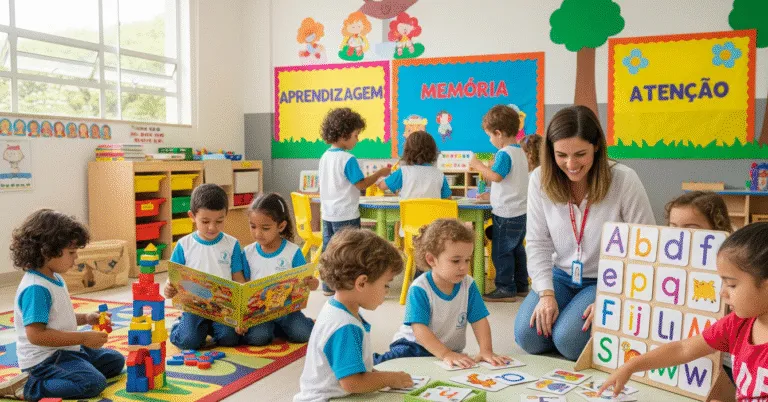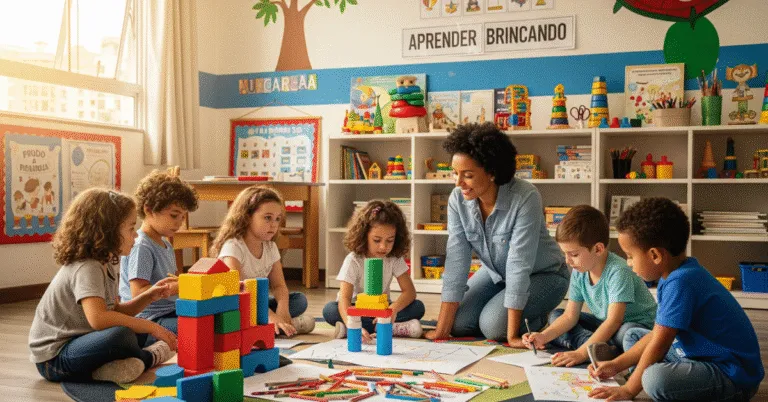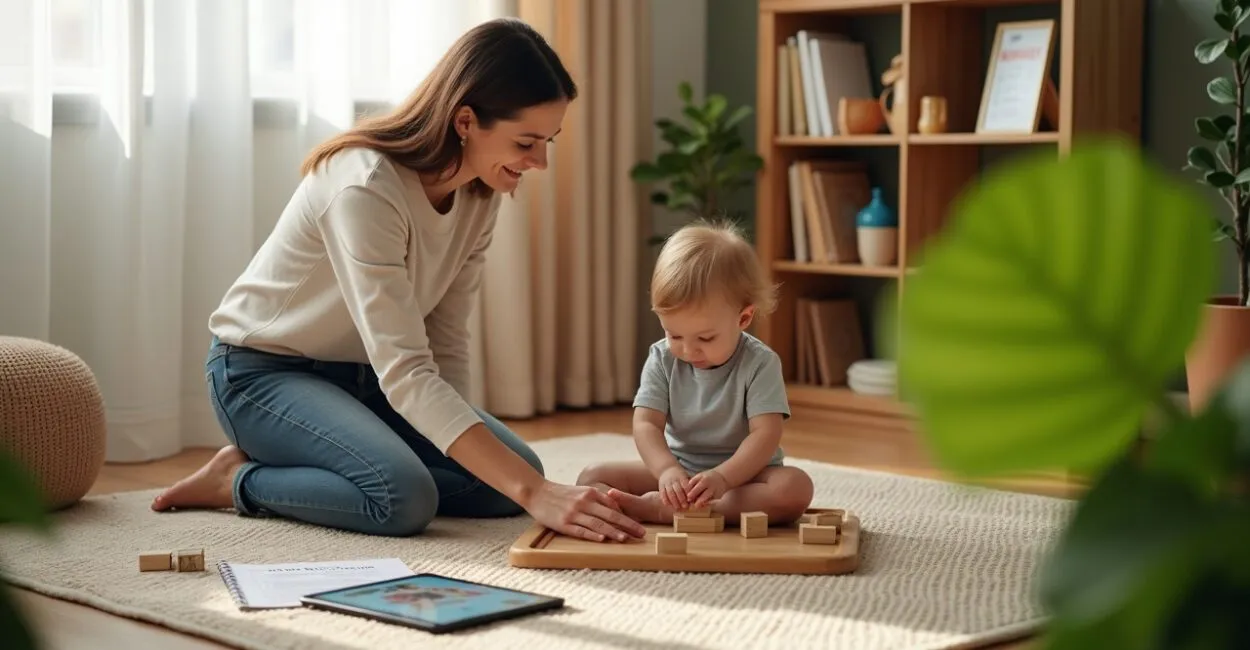
These in-person or online programs are designed for professionals and families seeking to support the overall development of children ages 0 to 6. Topics include motor, language, and social-emotional development, guided play, age-based curricula, and formative assessment strategies. In essence, they translate research findings into everyday practices that can be used in child care centers, infant and toddler classrooms, and at home.
Key Takeaways
- The quality of early childhood education courses can be measured by whether the curriculum is based on developmental milestones, instructors are well trained, and ongoing assessments provide practical evidence of progress.
- For parents, the best online course combines applied theory, practical weekly plans, and support for adapting activities to family routines.
- Consider course length and price alongside the amount of hands-on practice. Short courses with guided assignments can be more effective than longer courses without practical application.
- Reliable platforms offer previews, recognized certificates, and opportunities for live interaction. Check their credentials and independent reviews.
Why Choosing an Early Childhood Education Course Shapes the Early Learning Experience
Choosing an early childhood education course determines which practices are emphasized in the first years of life, when the brain forms critical connections. A course that focuses only on theory without practical application leaves gaps in a child’s daily routine.

When selecting a course, it’s essential to check whether its learning objectives align with science-based developmental milestones and whether it provides concrete strategies for use at home or in an educational setting.
A Curriculum Based on Developmental Milestones
An effective curriculum aligns activities with age-based language, motor, and social-emotional milestones. This avoids generic activities and makes it possible to track progress.
Strong courses explain why each activity supports a specific area of development and when to increase its intensity or adjust the level of challenge.
Practical Use in Family Life
Courses for parents should provide weekly plans, simple supply lists, and alternatives for families with limited time. Assessments should suggest observable indicators, such as the number of new words learned each week or time spent in independent play, so progress can be measured.
How to Assess the Educational Quality of Early Childhood Education Courses
Assessing quality means looking beyond a seal of approval or marketing claims. Examine the instructors, scientific references, assessment methods, and evidence of impact.
Leading courses explain their theoretical foundations (developmental theories and learning psychology) and translate them into rubrics, demonstration videos, and activities with clear objectives.
Credentials and Evidence
Look for courses taught by professionals with degrees in Education, Psychology, or Early Childhood Education, preferably with advanced training. Check for citations of research or university partnerships. Sources such as IBGE (Brazil’s national statistics agency) and reports from the MEC (Brazil’s Ministry of Education) provide context on demographic data and public policies that influence local practices.
Assessment Tools Included in the Course
Good programs include observation rubrics, age-based checklists, and sample reports for families. Instructor feedback and activity reviews help ensure that adult learners—parents or educators—apply what they learn and make real changes to their caregiving and teaching practices.
The Ideal Curriculum: What Early Childhood Education Courses Should Include

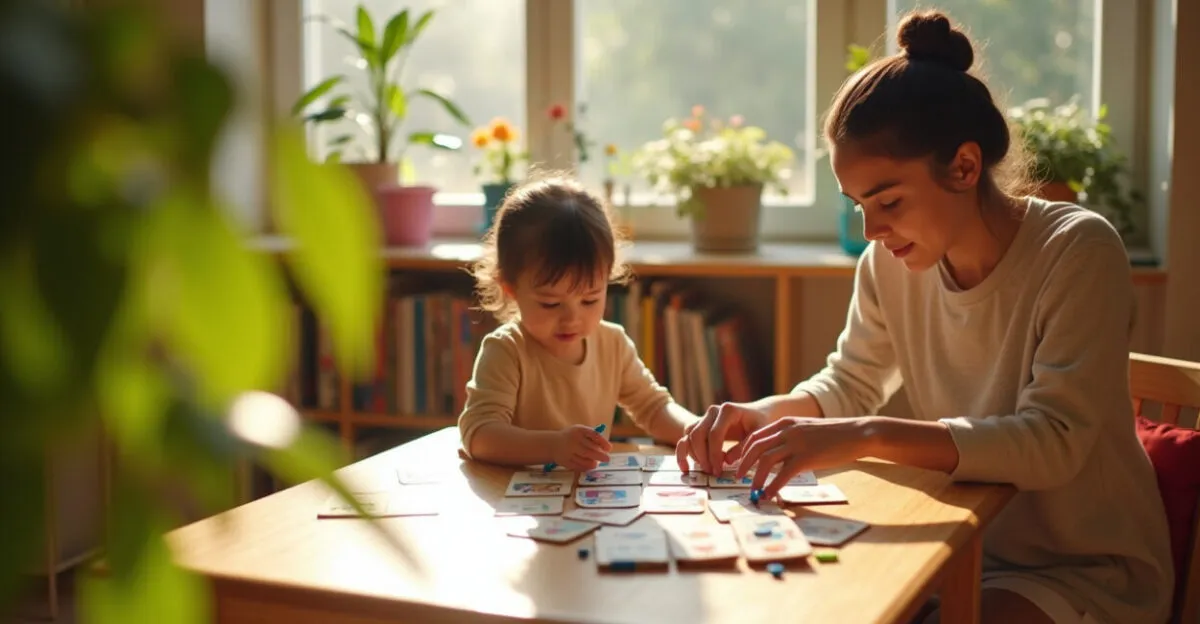
The ideal curriculum combines five areas: language and pre-literacy, fine and gross motor skills, social-emotional development, early math, and creative development through play. Each area should include clear objectives, practical activities, alternative materials, and simple assessment criteria. Strong courses show how skills build over time and how to adapt activities to individual needs.
Learning Sequences and Progression
Progression means moving from supported actions to independent ones. In language development, for example, children might start with shared reading, move on to guided conversations, and then create simple stories. Courses that map this progression make it possible to provide more targeted support and avoid unnecessary repetition.
Read also: The Ideal Course Length for Busy Parents: A Practical Guide
Inclusion and Adaptability
Quality curricula offer adaptations for children with developmental delays or disabilities and explain how to track their progress. This reduces reliance on specialized services and supports early intervention when needed.
Format, Length, and Cost: What Parents Should Consider
Format (asynchronous, synchronous, or hybrid), length, and price all affect outcomes. Asynchronous courses are flexible but require self-discipline; live instruction allows for immediate feedback. Courses with 8 to 24 hours of instruction, divided into practical modules, often strike a good balance between depth and application. The price should reflect the level of support, materials, and certification—not just the number of video hours.
Read also: Blockchain in Education: Ensuring the Authenticity and Security of Academic Certificates
Course Models and Their Impact on Learning
Short courses with practical assignments and instructor feedback tend to lead to faster changes in behavior. Longer, theory-based programs are more effective when they provide supervision during real-world implementation. Consider what the course offers: low-cost programs without support rarely change practices.
How to Compare Price and Value
Compare what’s included: tutoring hours, practical materials, access to a community, and the option to earn a recognized certificate. A more expensive course may be worth it if it reduces the need to buy additional resources or hire a consultant later.
Top Platforms and Recommended Courses in Brazil
Reliable platforms combine expert-developed content, student support, and independent reviews. In Brazil, university-based and private options have a track record of strong performance. Before choosing a course, check for free previews, refund policies, and reviews from external sources. Here’s a brief comparison of key features.
| Platform | Audience | Key advantage |
|---|---|---|
| University or extension program (e.g., university courses) | Professionals and families | Academic rigor and recognized certification |
| Specialized private platforms | Parents and hands-on educators | Practical focus, video examples, and instructor support |
| Massive open online course platforms (MOOCs) | People looking for low-cost options | Scalable courses and short modules; support varies |
Final Selection Criteria
Choose a course based on how well its content fits your family’s routine, the availability of practical previews, opportunities to interact with the instructor, and independent reviews. Look for courses that offer a refund or a trial module so you can test whether the material is practical before committing.
How to Apply Course Content to Your Child’s Daily Life
Turning theory into practice takes simple planning. Choosing three concrete actions from the course each week and building them into your routine is more effective than trying to follow all the material at once. Record your observations, adjust activities, and set small, measurable goals every two weeks.
A Practical Routine: Sample Weekly Plan
Monday: share a book and ask guided questions; Wednesday: try a 15-minute sensory activity; Friday: do an outdoor gross motor activity. At the end of the week, record two observations about language progress or independence. Repeating activities with variations is more effective than occasional bursts of intense practice.
When to Seek Professional Help
If you notice consistent delays across developmental areas, such as little progress in communication after three months of targeted activities, seek a professional evaluation. Early intervention improves outcomes. Quality courses explain warning signs and provide referrals.
Next Steps for Putting What You’ve Learned into Practice
Make an evidence-based decision: match your child’s goals to the course curriculum, try a pilot module, and assess the impact after 6–8 weeks using simple indicators. Invest in courses that offer adaptation support and feedback. Record routines and adjustments to create a sustainable plan for your family.
Immediate Practical Recommendations
1) Ask for access to a trial lesson; 2) Set three measurable goals; 3) Apply them for two weeks and track progress; 4) Adjust or switch courses if you see no observable change. These steps reduce costs and increase the likelihood of success.
A Note on Ongoing Learning
Early childhood education is an ongoing process. The best choice today may need to be updated in 6–12 months. Prioritize courses that include continued support and long-term progress monitoring.
Frequently Asked Questions
What Objective Criteria Should I Use to Choose Online Early Childhood Education Courses?
Use clear criteria: qualified instructors with verifiable credentials, a curriculum aligned with developmental milestones, practical activities, assessment tools (rubrics and checklists), instructor support, and independent reviews. Also check lesson previews, refund policies, and verifiable testimonials. Prioritize courses that offer ways to adapt the material to your routine and show evidence of impact, such as standardized reports or pre- and post-assessment results.
How Long Should a Course Be Before I See a Change in My Child’s Behavior?
Observable changes often appear after 6–8 weeks of consistently applying specific activities, provided the adult uses the strategies every day. Courses with practical modules and instructor feedback can speed up the process. What matters isn’t the total course length, but the consistency and quality of implementation: 15–30 well-structured minutes a day can be more beneficial than hours of passive video watching.
How Can I Compare Certification Credentials Across Courses and Universities?
Certificates from universities and recognized institutions tend to carry more weight in the professional marketplace. Check for institutional accreditation, a certified number of instructional hours, and proof of assessment. For parents, the most important factors are content quality and practical application; academic certification is valuable for educators seeking career advancement.
What Are the Signs That a Course Isn’t Working for My Child?
Warning signs include no measurable progress after 6–8 weeks, activities that don’t fit your family’s routine, a lack of support when questions come up, and no feedback or assessment. If the content is too generic, offers no guidance on adjusting difficulty, or doesn’t match the course’s marketing promises, consider stopping and trying a more practical, personalized alternative.
How Can I Coordinate Course Content with My Child’s Daycare or School Routine?
Share the course goals and activities with your child’s daycare team, suggest simple adaptations (such as using the same songs or similar materials), and ask for brief observation reports. Use the course’s rubrics and checklists to align practices. Collaboration between families and educators creates a more consistent environment and helps children transfer skills more quickly, while also avoiding duplicated effort.