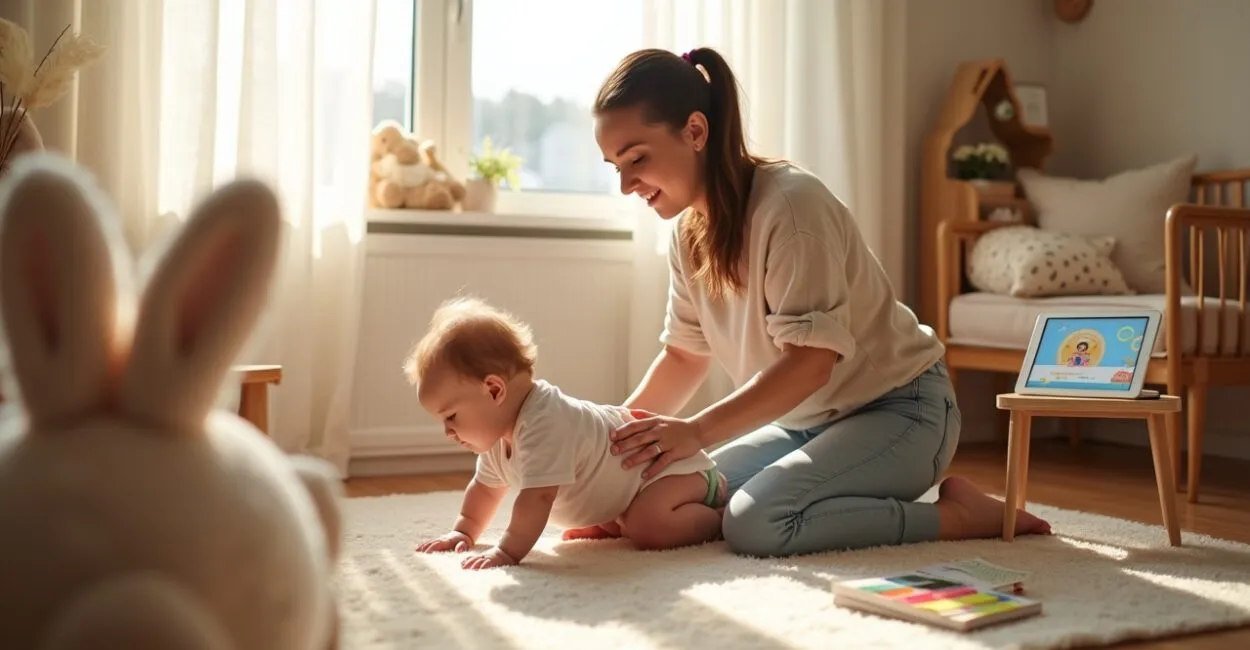
Best courses are educational programs judged by the quality of their content, practical value, institutional credibility, and overall cost. When it comes to early childhood education for first-time parents, the best courses provide knowledge about health, social-emotional development, everyday care, and teaching strategies suited to a baby’s or toddler’s age.
Key Takeaways
- The best courses for first-time parents combine evidence-based theory with practical exercises and access to experts.
- Comparing course content, price, certification, and target audience helps you make the right choice and save time.
- Courses with peer reviews, up-to-date materials, and post-course support have a greater impact on parents’ behavior.
Why Specific Criteria Define the Best Early Childhood Education Courses
Defining the “best courses” requires objective criteria: scientific accuracy, current information, practical value, student support, and measurable outcomes. For first-time parents, the deciding factor isn’t just who teaches the course, but whether it teaches them to recognize signs of atypical development, manage sleep and feeding, and provide age-appropriate stimulation for cognitive and emotional development.
Essential Criteria and Why They Matter
Content grounded in pediatrics, developmental psychology, and early childhood education is essential. Courses that cite guidance from organizations such as the Brazilian Society of Pediatrics (Sociedade Brasileira de Pediatria) or peer-reviewed studies reduce the risk of adopting misguided practices. In addition, hands-on modules with demonstration videos and step-by-step protocols improve retention and make it easier to put what you learn into practice.
How to Weigh Each Criterion When Choosing
The instructor’s credentials matter, but they’re less important than evidence that the course works, such as verified testimonials and post-course reviews. Consider the price in relation to what’s included: a short, inexpensive course may be useful for specific questions, while a more comprehensive, higher-priced program may be worth it if it offers ongoing support and reusable materials.
A Detailed Comparison: What Every Good Course Should Cover
The best courses organize content by age, learning goals, and common challenges. For first-time parents, the minimum scope should include basic health care, sleep, breastfeeding and feeding, developmental milestones, communication, and home safety.
Essential Modules and What Each One Covers
A sleep module should explain infant sleep physiology, effective routines, and signs of sleep disorders. A feeding module should cover hunger cues, introducing solid foods, and allergies. Each module should end with practical checklists and action plans for the first 48–72 hours of putting new strategies into practice.
Advanced Topics That Set the Best Courses Apart
Top courses cover advanced topics such as emotional regulation, attachment, positive discipline techniques, and early identification of developmental delays. These topics call for a strong theoretical foundation and case studies showing how to adapt strategies to different family circumstances.

Price and Certification: How to Evaluate Value for Money

Price doesn’t equal quality. Consider the course length, support, included updates, and certification (if it’s valid for professional use). Certificates from universities or recognized institutions carry more weight for parents seeking training they can cite when applying for jobs at child care centers or support groups.
Pricing Models and What to Expect
There are three common models: one-time purchase, subscription (ongoing access), and blended (online content plus live sessions). A subscription is usually worthwhile if it includes updates and an active community; one-time courses are useful for quickly learning specific skills.
Verifying Certification and Its Practical Value
Check that the certificate identifies the institution and lists the course hours and assessment criteria. If you plan to use it in a professional setting, confirm that the course hours and requirements meet local standards or those of the hiring organization.
Who Each Course Format Is Best For
Not every course is right for every family. The best courses are tailored to specific audiences: first-time parents, professional caregivers, single parents, and families with special needs. Matching the format to the audience makes it easier to stick with the course after signing up.
Short vs. Long Courses: Choose What You Need
A short course (4–8 hours) is ideal for reviewing basic practices and getting answers to immediate questions. A longer course (20+ hours) is a better fit for those seeking lasting changes in behavior and confidence. For busy parents, self-paced micro-courses make it easier to put lessons into practice gradually.
Accessibility and Adaptation for Diverse Families
The best courses offer captions, plain-language materials, and translation options for immigrants and family members with limited literacy. Courses with varied examples—including single-parent and multigenerational families, as well as families with disabilities—are more useful in real life.
Teaching Methods That Change Behavior
A good course goes beyond teaching information and focuses on changing practices. Active learning—with simulations, reflection exercises, and individualized feedback—has been shown to be more effective for teaching parenting skills.
Proven Teaching Techniques for Parents
Role-playing, guided video reviews, and weekly action plans help turn knowledge into everyday routines. Adult learning research shows that timely feedback and small goals improve participation and help people maintain new practices.
Measuring Impact: How to Tell If a Course Works
The best courses include pre- and post-course assessments, behavioral measures (for example, how often a sleep routine is followed), and 30–90 days of follow-up. Without measurements, claims of effectiveness remain anecdotal.
Common Mistakes When Choosing Courses and How to Avoid Them
The most common mistakes are choosing based on marketing, prioritizing price over content, and failing to check credentials. Parents often look for quick fixes, which increases the risk of trying techniques that are ineffective or even harmful.
Evaluation Mistakes and Warning Signs
Warning signs include promises of “guaranteed results” with no explanation of the methods, a lack of scientific references, and instructors without relevant training. Avoid courses that offer one-size-fits-all solutions without accounting for children’s individual differences.
A Practical Checklist for Evaluating a Course Before You Buy
- Check the instructor’s credentials and links to their publications.
- Look for verified reviews from other parents.
- Review the curriculum and included materials, such as videos and checklists.
- Confirm the refund policy and post-course support.
Using this checklist reduces the chance of making the wrong choice and helps ensure the course meets your actual goals.
Resources, Research, and Links for Further Learning
To make an informed choice, consult reliable research and guides. The Brazilian Society of Pediatrics (Sociedade Brasileira de Pediatria) publishes guidance on infant sleep and nutrition. PubMed provides access to peer-reviewed articles on child development. These resources can help you compare a course’s content with the scientific evidence.
Quick references: Brazilian Society of Pediatrics (Sociedade Brasileira de Pediatria), PubMed, and research on adult learning through Google Scholar. Use these sources to check a course’s claims before you buy.
Next Steps for Putting What You Learn Into Practice
Make your decision in three steps: (1) identify your family’s most immediate need (sleep, feeding, or medical care), (2) select 2–3 courses that address it and compare their curricula and support, and (3) choose a course with a satisfaction guarantee or refund policy so you can try it risk-free. Plan to apply what you learn in two-week cycles and track simple changes, such as sleep routines or following a plan for introducing solid foods. Prioritize courses that offer post-course support and reusable materials. The best choice is the one that turns knowledge into a habit within the first few weeks.
Frequently Asked Questions
How Can I Tell Whether an Online Early Childhood Education Course Is Evidence-Based?
Look for up-to-date bibliographies and citations to peer-reviewed studies. Evidence-based courses list their sources, refer to medical association guidelines (such as those from the Brazilian Society of Pediatrics, Sociedade Brasileira de Pediatria), and describe the methods used in each module. Also check whether the instructors have verified training in pediatrics, developmental psychology, or early childhood education. Former students’ reviews and pre- and post-course assessments can help confirm practical effectiveness. A lack of sources or promises of a “quick fix” are clear warning signs.
Which Course Format Offers the Most Practical Value for First-Time Parents?
Blended courses (a mix of self-paced content, live sessions, and individual feedback) tend to offer the most practical value. They combine flexibility with interaction, allowing for demonstrations and corrections to technique. If a parent’s schedule is especially busy, self-paced micro-courses with weekly exercises can also work, as long as they include useful checklists. What matters is post-course support and practical materials—not just the number of hours or theory-heavy slides.
Does a Parenting Course Certificate Have Practical Value or Is It Just Symbolic?
It depends on who issues the certificate. Certificates from universities or recognized institutions have practical value, especially for those planning to work at child care centers or in community programs. Certificates from private platforms can document participation, but tend to carry less weight in professional settings. More important than the certificate is evidence that the learning can be applied: impact reports, pre- and post-course assessments, and verified recommendations increase its practical value.
What Simple Metrics Can I Use to See Whether a Course Worked for My Family?
Use direct, easy-to-track measures over 2–8 weeks: the number of consecutive nights with an established sleep routine, how often you follow a feeding plan, fewer stressful episodes at bedtime or mealtimes, and parents’ confidence rated on a simple 1–5 scale. Track changes week by week. Courses that provide standardized assessment tools make the process more reliable and let you adjust your approach based on real data.
How Can I Choose Between Free and Paid Courses Without Sacrificing Quality?
Free courses can be useful for specific topics, but they often lack support and updates. Check for references, a clear curriculum, and feedback from other users. Paid courses should justify their cost with support, exclusive materials, and follow-up. If you choose a free course, supplement it with reading from reliable sources, such as the Brazilian Society of Pediatrics (Sociedade Brasileira de Pediatria) and articles on PubMed. Look for courses with a refund policy or free preview so you can assess the quality before you commit.
Artigos Relacionados
 Early Childhood Education Courses for Parents
 How to Choose the Best Online Financial Education Course
 Instituto Mix Courses: 7 Free Options With Quick Certificates
 Parents and Social-Emotional Development: How to Support Children
 Parents and Speech: Practical Strategies to Encourage Conversation
 Parents and Play: A Guide to Encouraging Playful Freedom