
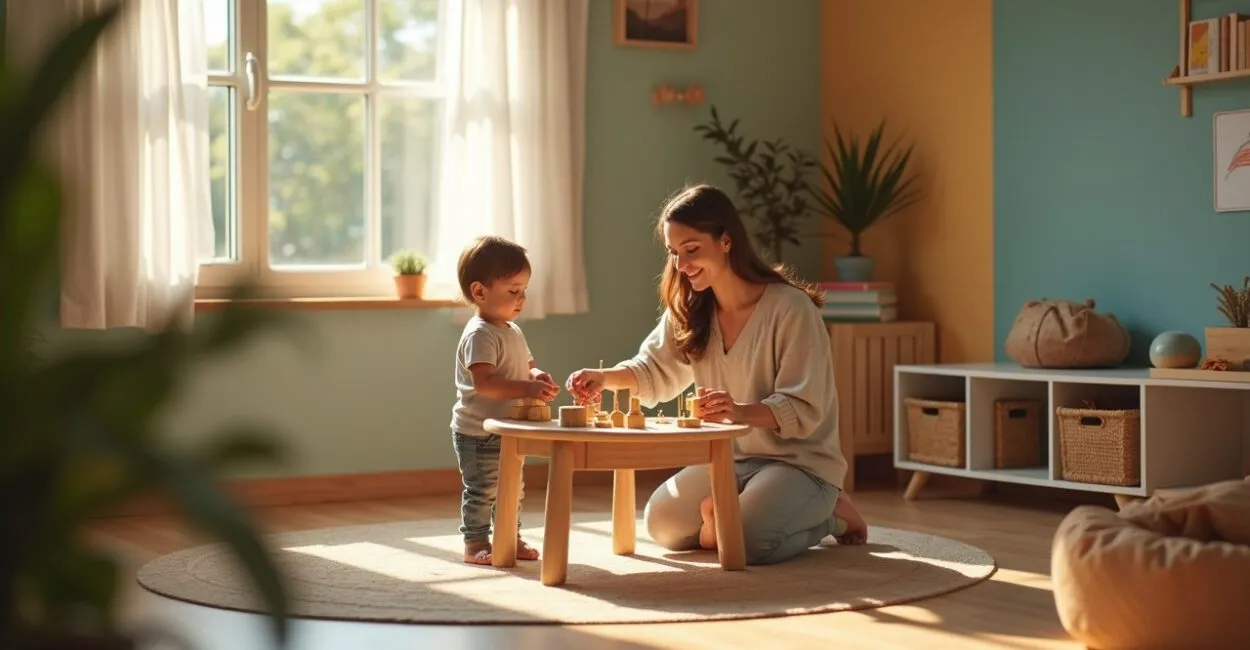
A learning environment is the intentional combination of physical spaces, routines, materials, and relationships that shape how a child perceives, interacts, and learns. In essence, it is not just the classroom where teaching takes place, but the sensory, social, and temporal setup that guides attention, emotion, and curiosity—the three forces that drive neural change in developing brains. Here, I define a learning environment as an adaptive system designed to align stimuli with stages of brain development and educational goals.
Key Takeaways
- An effective learning environment regulates sensory input, reduces stress, and expands attention spans to support memory consolidation.
- Organized spaces, predictable routines, and hands-on materials produce measurable effects on executive functioning and social-emotional engagement.
- Simple interventions—learning zones, calming corners, and start-and-end rituals—can improve behavior right away and boost academic performance over time.
- Track changes using structured observations, emotional regulation scales, and attendance and time-on-task data to establish practical cause and effect.
Why Learning Environment Design Shapes Attention and Memory
How a space and its routines are organized directly affects the brain networks responsible for sustained attention and memory consolidation. Environments with too much sensory input fragment children’s attention, overload the prefrontal cortex, and impair working memory.

By contrast, spaces with clear focal points—visually organized areas with less noise—reduce cognitive load and allow the hippocampus and cortex to work together efficiently to form long-term memories.
Sensory Design and Cognitive Load
Reducing irrelevant stimuli (bright colors, background noise, random objects) lowers the amount of processing students have to do. This frees up resources for complex learning, such as problem-solving and retaining concepts. Neuroscience research shows that reducing distractions improves performance on tasks requiring working memory by 10–20% in children.
Routines as Scaffolding for Memory
Predictable rituals (a morning routine, a transition cue) work as contextual cues that make it easier to retrieve memories. When the learning context is consistent, information is encoded more efficiently and knowledge is more easily generalized. Establishing routines reduces the need for constant executive control.
How to Organize Space to Support Emotional Regulation
Physically organizing areas for self-regulation and socializing reduces episodes of dysregulation and improves the classroom climate. Children in environments with safe spaces to calm down have fewer disruptions and spend more time actively learning. Emotional regulation is a prerequisite for cognitive networks to work efficiently; without it, declarative learning and complex thinking skills are impaired.
Calming Corners: Design and Purpose
A calming corner should have soft lighting, tactile materials, and simple visual instructions for breathing and self-control exercises. It is not a punitive timeout area; it is a tool for learning emotional skills. Teaching children how to use the space is just as important as setting it up.
Integration with Teaching Practices
Teachers who build 2–5-minute regulation breaks into the schedule between demanding activities see fewer disruptive behaviors and greater engagement. These breaks can be brief routines involving light movement, guided breathing, or short sensory activities.
Materials and Activities That Align Neural Stimulation with Educational Goals

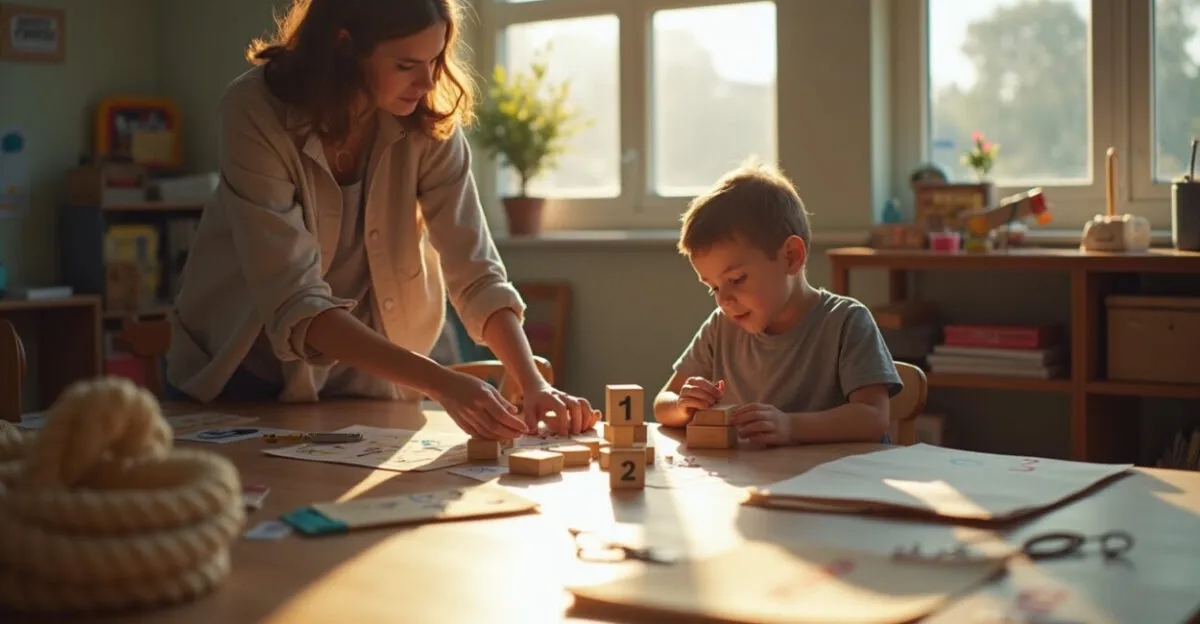
Choosing materials means choosing which neural networks you want to activate. Hands-on materials (blocks, sequences, instruments) activate sensorimotor circuits and support procedural learning. Texts and tasks that require elaboration engage declarative memory and semantic connections. Combining different types of materials in one sequence promotes multimodal consolidation, which is more resistant to forgetting.
Instructional Sequences and Plasticity
Short sequences that alternate between explanation, guided practice, and independent practice make use of windows of plasticity: input, processing, and application. This improves retention and transfer. Adjust the timing for students’ ages: younger children need more hands-on practice, while older children can handle longer periods of abstract thinking.
Low-Cost Materials with a Big Impact
Simple supplies—boxes, string, paper, markers—make building and modeling activities possible, developing planning and problem-solving skills. Cost does not determine effectiveness; activity design does.
Routines, Cues, and Micro-Rituals That Shape Brain States
Routines act as “anchors” that prepare the brain for specific kinds of attention. Short auditory cues (a bell, a 15-second song) reduce transition time between tasks and help groups get in sync. Micro-rituals, such as 60 seconds of breathing before a test, reduce cortisol and improve memory test performance.
Read also: Brain Plasticity in Learning: How to Accelerate It
Fast, Predictable Transitions
Poorly managed transitions can eat up 10–15 minutes of every class hour in some classrooms. Use consistent cues and visual routines to reduce this cost. Predictability reduces uncertainty and, in turn, chronic activation of alert systems that interfere with learning.
Rituals for Assessment and Reflection
Brief end-of-class rituals that ask students to spend two minutes writing about what they learned help consolidate memories and promote metacognition. These small habits have a cumulative effect on performance over several weeks.
Practical Measurement: How to Tell if a Learning Environment Is Working
Measurement is essential for validating changes. Use a combination of behavioral data, teacher reports, and academic indicators. Standardized structured observations (attention and engagement checklists), emotional regulation scales, and time-on-task metrics provide a triangulated view. Reliable results come from repeated data collection and straightforward analyses—for example, comparing the percentage of time students are on task before and after an intervention over three weeks.
Key Indicators and Tools
Useful indicators include time on task, disruptions per hour, emotional regulation scores, and performance on standardized tasks. Tools include direct observation, classroom logs, and short retention tests. Choosing quick, reliable tools improves participation.
Interpreting Results and Making Adjustments
If the data show improved attention but lower creativity, adjust the balance of activities. Ongoing measurement helps identify trade-offs and optimize the environment for clear goals.
Practical Examples and Action Plans for Transforming a Classroom
Here’s a three-step plan: (1) identify problems through a week of observation, (2) implement three low-cost changes (a focus zone, a calming corner, and a transition routine), and (3) measure results for three weeks. This PDSA (Plan, Do, Study, Act) cycle turns theory into practice and reduces the risk of poorly targeted interventions.
Example: Early Elementary Classroom
Problem: Students are easily distracted during desk work. Intervention: We removed some posters, set up workstations with visual dividers, and introduced a 10-second bell cue for the start and end of activities. Expected result: a 20% increase in time on task and fewer disruptions. Measurement: direct observation and weekly reading assessments.
Implementation Checklist
Quick checklist: identify a focus area, set visual rules, teach students how to use the calming corner, standardize cues, and record baseline metrics. The order and consistency make a difference.
Policy, Training, and Scalability: Bringing Effective Practices Beyond the Classroom
Scaling improvements requires teacher training focused on observable practices, support materials, and policies that allow time for data collection. Effective professional development programs combine brief theory sessions with in-class coaching and video feedback. Without this investment, changes remain isolated and are not sustained over time.
Training Models That Work
Short workshops followed by in-person coaching sessions and weekly data reviews have a greater impact than lengthy theory-based courses. The focus should be on practices that are replicable and measurable.
Scalability and Cost
Layout and routine changes are low-cost and offer high returns. Policies that subsidize materials and initial training support adoption. Scaling means standardizing protocols, not classrooms—adapt principles to local contexts.
Next Steps for Implementation
Prioritize high-impact, low-cost actions: define learning zones, create a calming corner, and standardize transition cues. Collect simple data before and after to evaluate the effects. Form a small group of teachers to test changes for six weeks, document results, and make adjustments. Use local evidence to secure support from school leaders and the district. With rapid iteration and measurement, you can transform the classroom and make lasting improvements in brain development and academic performance.
Frequently Asked Questions: How Can You Objectively Measure Whether a New Classroom Layout Improves Children’s Attention?
Use structured observations in 10- to 15-minute periods, recording time on task versus off task in 30-second intervals. Combine this with a count of disruptions per hour and a short retention assessment at the end of the activity. Take measurements before the change, in week 2, and in week 6 to check for trends. Analyze percentage differences and ask teachers for qualitative feedback. This triangulation provides practical evidence of effects on behavior and learning.
What Are the Key Components of an Effective Calming Corner?
An effective calming corner has soft lighting, tactile materials (cushions, rubber balls), visual instructions for brief breathing exercises, and a visible timer. It should be near the teacher for monitoring and should not be used as punishment. Teach children how to use it and record visits to assess whether it is being used appropriately. The goal is to reduce heightened emotional arousal and help children return to activities better able to focus.
How Can You Align Teaching Materials with Children’s Stage of Brain Development?
Assess developmental stage (motor skills, language, and self-control) and select materials that exercise the target skill. For young children, prioritize sensorimotor materials and short activities; for older children, increase cognitive complexity and introduce planning tasks. Sequence activities to alternate between encoding, practice, and application. Adjust the difficulty to provide enough challenge without causing frustration, supporting plasticity without overload.
What Common Mistakes Undermine the Effectiveness of Learning Environment Interventions?
Common mistakes include making changes without measuring results, filling the space with new resources without explaining how to use them, treating the calming corner as punishment, and failing to train teachers in micro-routines. Another mistake is focusing only on aesthetics without considering sensory load. Addressing these issues requires an implementation plan with hands-on training, data collection, and a rapid adjustment cycle to ensure the changes produce the desired effects.
What Evidence Supports a Link Between the Physical Environment and School Outcomes?
Studies in neuroscience and education show that environments with less noise, clear visual organization, and predictable routines improve attention, behavior, and retention. Systematic reviews indicate moderate effects on academic performance when classroom practices reduce distractions and promote self-regulation. Field data from schools often report 10–20% gains in attention measures and gradual improvement on standardized assessments after well-designed, measured interventions.
Artigos Relacionados
 Parent Involvement Tips to Support Early Learning at Home
 Effective Brain Stimulation in Early Childhood Education
 Educational Metaverse: A New Frontier for Interaction and Collaboration in Learning Environments
 Brain Development: Practices for Early Literacy
 Supporting Oral Language Development: Ages 0–5
 Play Environment: Creating Spaces That Encourage Play
