

It is a set of integrated procedures that combines neuropsychological measures, behavioral observation, and environmental analysis to identify cognitive and emotional profiles that affect children’s learning. In essence, it maps neurocognitive strengths and weaknesses that help explain academic difficulties, guiding educational interventions and clinical referrals.
This approach matters because it connects neuroscience evidence to practical school decisions: it reduces delayed diagnoses, personalizes curriculum accommodations, and improves academic and social-emotional outcomes. In settings with high demand for inclusion and measurable results, neuroeducational assessment becomes a decisive tool for prioritizing resources and measuring impact.

Key Takeaways
- Neuroeducational assessment combines standardized tests, family interviews, and classroom observation to build a functional profile of the child.
- Well-structured protocols help distinguish neurocognitive causes (e.g., attention and working memory) from environmental or instructional factors.
- Actionable reports outline specific school accommodations, intervention goals, and objective criteria for reassessment.
- Implementation requires a multidisciplinary team, ongoing training, and a clear referral process between the school and health services.
Why Neuroeducational Assessment Shapes Effective School Decisions
The decision to accommodate, intervene, or refer a student depends on data that explain the source of the learning problem. Neuroeducational assessment provides that foundation. It distinguishes difficulties caused by attention deficits, working memory limitations, phonological processing difficulties, or inadequate instruction. Without this assessment, interventions tend to be generic and ineffective.
Direct Impact on Instructional Planning
When an assessment identifies, for example, weak working memory, the instructional plan changes how content is presented: tasks are broken into smaller steps, visual supports are used, and practice is spaced out. These strategies can measurably improve retention and performance.
Reports with measurable goals make it possible to monitor effectiveness in 8- to 12-week cycles.
Fewer Unnecessary Referrals
A sound protocol prevents premature referrals to mental health or neurology services when the barrier is inadequate instruction. This saves time and resources and improves the family’s experience.
Conversely, when there are clear signs of neurological risk, the assessment speeds access to additional testing and specialized treatment.
Essential Components of a Neuroeducational Assessment Protocol
A robust protocol combines standardized instruments, structured interviews, direct observation, and sensory screening. Each component serves a purpose: tests measure cognitive functions; interviews provide context; and observation validates performance in a natural environment.
Combining these data produces a functional profile, not just an isolated score.
Recommended Tools and Their Uses
Use age-appropriate, validated tools: verbal and nonverbal intelligence tests, working memory batteries, sustained attention assessments, oral language and reading assessments, and social-emotional screenings. Examples include the WISC-V (selected components), NEPSY-II (specific domains), and TEA-Ch for attention.
Selection should take cultural validity and local norms into account.
Interviews and Observation: What to Ask and Watch For
Interviews cover prenatal history, sleep, nutrition, stressful events, study routines, and screen use. Classroom observations document engagement, independence, self-correction, and interactions with peers.
Contextual information often explains discrepancies between test results and school performance.

How to Organize School Workflows for Effective Assessment

Organizing assessments requires clear processes: initial screening, informed consent, test administration, a multidisciplinary meeting, and a feedback session with a plan. Without standardization, steps are duplicated and delayed.
Set maximum timelines: screening within 2 weeks, assessment within 4–6 weeks, and a feedback session within 2 weeks of completion.
Roles and Responsibilities
An ideal team includes an educational specialist, a neuropsychologist or psychologist trained in neuropsychology, a speech-language pathologist, the student’s primary teacher, and a social worker when needed. The school should appoint a case coordinator to bring information together and track deadlines. All professionals should document their actions and results in a shared system.
Family Communication and Assent
Obtain written informed consent, explaining the goals, limitations, and possible referrals. Share findings in clear language, with practical recommendations for home and school. Involve the family in setting measurable goals and invite them to periodic reviews.
Assessment Methods by Cognitive Function
Assessing cognitive functions requires tools and observations tailored to each domain. Subjectivity in interpretation is a risk, so use operational criteria and normative cutoffs when available. Below are practical models by domain, each with clear instructional implications.
Attention and Self-Regulation
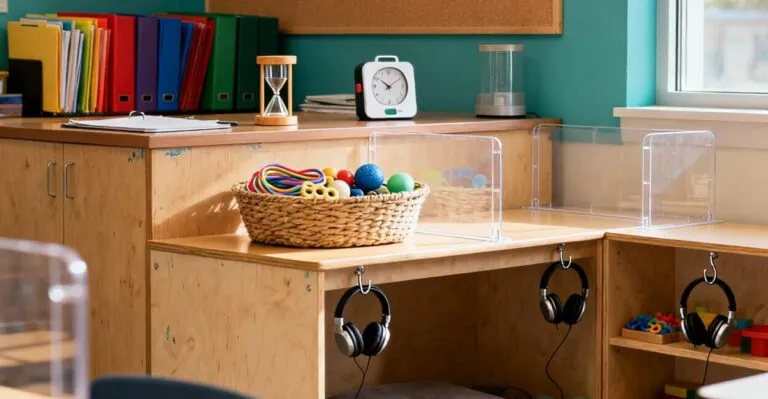
Use sustained and selective attention tests along with observational rating scales. Attention difficulties affect a student’s ability to follow directions and stay on task. Interventions include adjusting the environment, shortening tasks, and providing immediate reinforcement, as well as making a referral when persistent clinical symptoms are present.
Working Memory and Processing
Working memory predicts learning in math and reading. Specific tests can identify the need to reduce cognitive load and use external supports (notes, charts). Memory training has modest effects; the focus should be on adapting instruction.
Reporting Tools: From Assessment to an Actionable Plan
Reports that work for schools have three sections: an executive summary, detailed evidence, and an action plan with measurable goals. The summary guides teachers; the technical section supports clinical decisions; and the plan translates recommendations into classroom accommodations. Avoid jargon and provide practical examples of supports.
| Report Section | Content | Expected Outcome |
|---|---|---|
| Executive Summary | Functional profile in 3–5 sentences | Quick reference for teachers |
| Results | Scores, observations, and history | Technical justification |
| Action Plan | Accommodations, goals, and reassessment criteria | Classroom implementation and progress monitoring |
Success Indicators and Timeline
Define operational indicators: a one-level gain in reading fluency, fewer calculation errors per minute, or a 20% increase in time on task. Use 8–12-week cycles to measure progress and adjust strategies. Document everything to evaluate the effectiveness of school-based interventions.
Common Mistakes and How to Avoid Them
Common mistakes undermine the usefulness of an assessment. These include assessing without school context, relying on a single test, recommending interventions without measurable goals, and failing to reassess. Each mistake has a practical solution that reduces false positives and wasted resources.
- Assessing in isolation: always combine testing with observation.
- Generic reports: include concrete actions for each subject.
- Insufficient team training: invest 8–16 hours in professional development each year.
Addressing these issues requires a written protocol, ongoing training, and an annual internal audit. Schools that follow this routine show greater accuracy in referrals and better academic outcomes in cohort studies.
Integration with External Services and Legislation
Neuroeducational assessment connects with health services and inclusive education policies. Knowing the local service network, timelines, and legal rights is essential to ensure timely referrals and appropriate support. Formal documentation helps protect children’s rights and hold institutions accountable.
Referrals and Strategic Partnerships
Keep an up-to-date list of services: developmental pediatric care, clinical psychology, speech-language pathology, occupational therapy, and academic support centers. Establish formal partnerships through agreements that define timelines and responsibilities. This reduces wait times and improves continuity of care.
Legal Considerations and Educational Rights
Know local laws on special education and specialized educational services. In many cases, formal assessment reports support legal measures to provide resources and curriculum adjustments. Document decisions and communications to ensure proper records in administrative proceedings.
Next Steps for Implementation
Start with a pilot protocol: define screening criteria, a core team, and an assessment timeline. Conduct 10–20 pilot assessments over one semester. Use these cases to refine tools, train the team, and validate reports. Prioritize transparency with families from the outset.
After the pilot, review operational indicators and expand the program. Invest in ongoing training and digital tools for documentation and follow-up. Consistent use of neuroeducational assessment improves how schools allocate resources and delivers measurable gains in children’s performance and well-being.
When Should a School Request a Neuroeducational Assessment?
A school should request a neuroeducational assessment when there is a persistent gap between estimated cognitive potential and academic performance, when difficulties occur across multiple subjects, or when well-implemented instructional strategies fail to produce progress. Other warning signs include avoiding tasks, loss of previously acquired skills, frequent complaints about difficulty understanding, and high levels of frustration. Request an initial screening to prioritize cases and avoid unnecessary referrals.
Which Professionals Are Essential to a Neuroeducational Assessment Team?
An effective team typically includes a school psychologist trained in assessment, an educational specialist, a speech-language pathologist, and the student’s primary teacher. For more complex cases, the team may also include a neuropsychologist, occupational therapist, and social worker. Each professional contributes different evidence: cognitive test results, academic skills, language, and family context. Integrating these data leads to practical recommendations that fit the school environment.
Which Tools Should a Basic Protocol Include?
A basic protocol combines cognitive screening, oral and written language assessment, attention and working memory tests, and behavioral rating scales. Examples include standardized intelligence subtests, the TEA-Ch for attention, the NEPSY-II for specific functions, and norm-referenced reading and decoding tests. Choose tests with local or culturally validated norms, and supplement them with classroom observation to ensure the results are interpreted in context.
How Do You Build a School Action Plan Based on the Assessment Report?
Turn each finding into a measurable accommodation: describe the curriculum adjustment, instructional routine, and success criterion. For example, limit written tasks to three at a time, use visual supports for 80% of directions, and measure progress every 8 weeks using objective measures. Identify responsible staff, necessary resources, and a reassessment date so the intervention can be adjusted based on results.
How Often Should Students Be Reassessed After an Intervention?
Conduct a formal reassessment 3 to 6 months after starting the intervention, depending on the severity of the concerns and the goals established. Shorter 8–12-week cycles can be used to monitor progress and adjust strategies. Waiting too long can delay necessary changes; reassessing too often can create fatigue and increase costs. Use criteria defined in advance in the plan to decide whether to continue, intensify, or refer the student to clinical services.
Artigos Relacionados
 Formative Assessment in Elementary School: How to Use It
 Play at School: Bringing Free Play Into the Early Childhood Curriculum
 Formative Assessment: Workshops That Strengthen Learning
 Sustainable Workshops: Low-Cost Activities for Schools
 Hands-On Learning Workshops: 12 Ideas for Schools
 Attention Teachers: Changes to the School Routine for Students with ADHD
