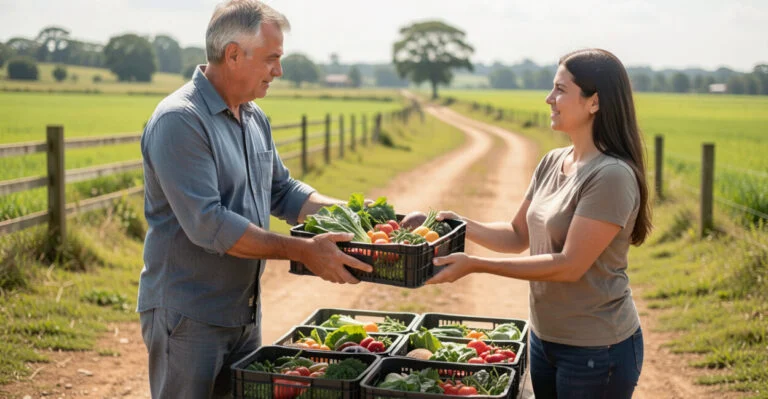
Farm accidents can involve machinery, animals, pesticides, heat, and tasks performed far from immediate help. Farm workplace safety combines hazard identification, organization of work activities, maintenance, training, and protective measures suited to each task. This guide covers seven areas of prevention, from risk assessment to emergency response.
The sequence moves from recognizing hazards to applying controls and assigning responsibilities. This makes the guide useful for farms, ranches, and agribusiness operations, without reducing prevention to a checklist of personal protective equipment.

1. Identify the risks of each task
Farm workplace safety and health means the technical, organizational, and educational measures used to prevent work-related injuries and illnesses in work activities. Put simply, it means figuring out what could cause harm during each task and taking action before someone gets hurt.
Farm workplace risks vary depending on the type of work, location, equipment, and weather conditions. In crop production, they may include tractor rollovers, contact with chemicals, dust, and physical strain. In livestock operations, hazards include kicks, bites, crushing injuries in handling chutes, and exposure to biological agents. In warehouses and agribusiness facilities, machinery, conveyors, silos, and slippery floors pose distinct hazards.
Look at the entire task, including travel, cleaning, refueling, and maintenance. A common mistake is to assess only the main job: hazards can also arise when someone clears a jam without shutting off a machine or crosses a tractor’s path to save time. For more context on farm activities and their impacts, see our article on sustainable agriculture and farm management.
2. Control hazards before relying on PPE
Preventing accidents means prioritizing controls that eliminate hazards or reduce exposure; PPE supplements these measures when risks remain. The right combination depends on the task and should include work organization, equipment maintenance, and training.
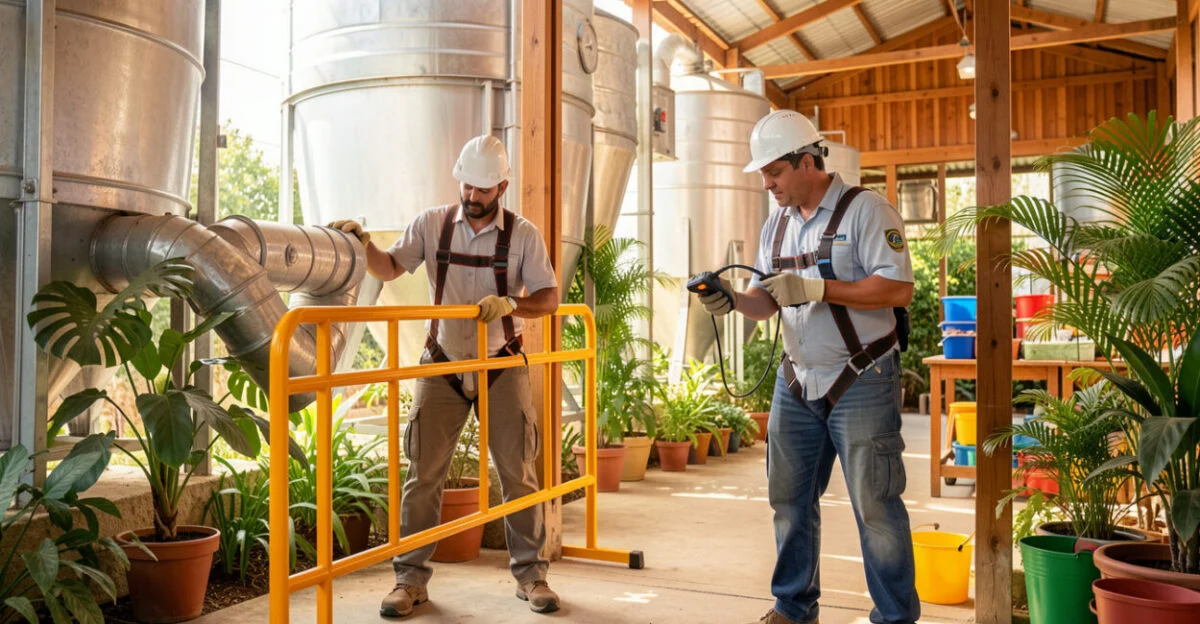
Hazard or task Prevention Additional protection Tractors and implements Maintenance, guards on moving parts, trained operators, and designated traffic areas Seat belt and rollover protective structure, when applicable Pesticide application Planning, reading the label and instructions, calibrated equipment, and following application requirements PPE specified for the product and operation Livestock handling Suitable facilities, escape routes, and restraint systems appropriate for the species Footwear and clothing suited to the task Heat and physical exertion Scheduling, breaks, drinking water, and adjusting the pace Sun protection appropriate to the exposure Silos and confined spaces Entry procedures, environmental assessment, and access control Protection determined through an assessment and a rescue plan
The table is a starting point, not a substitute for assessing hazards on the property. For example, a respirator must be compatible with the contaminant and fit properly; using just any model can create a false sense of security. Controls and equipment should match the actual hazard and applicable requirements.
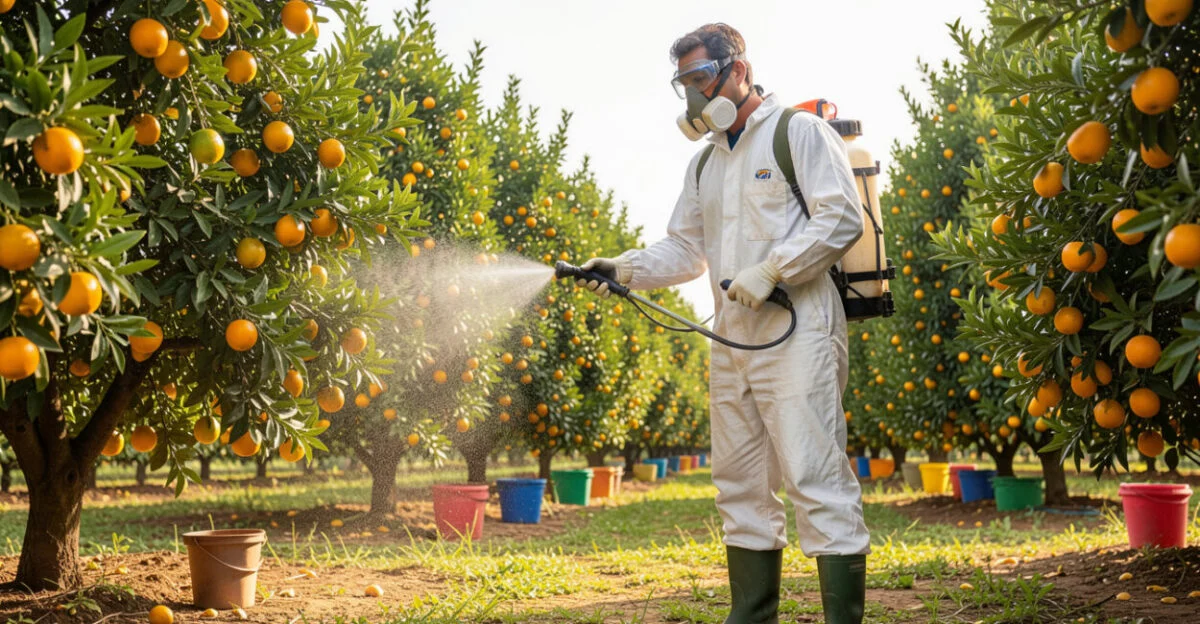
3. Apply NR 31 to the specific conditions of your operation

NR 31 is Brazil’s workplace safety and health standard for agriculture, livestock, forestry, forest management, aquaculture, and other activities covered by the regulation. It addresses work organization, prevention, machinery, pesticides, facilities, and training; its requirements should be applied with the task and specific circumstances in mind.
Yes, NR 31 applies to pesticide application. The standard includes requirements for work with these products, such as preparation, application, storage, and container disposal, as well as training and protective measures. Consult the NR 31 published by Brazil’s Ministry of Labor and Employment to check the current text.
NR 31 does not override other rules that may also apply, such as standards for machinery, equipment, or chemicals. Specific obligations may vary depending on the activity, operation size, work organization, and current laws. If you have questions about which requirements apply, consult an occupational safety and health professional or the appropriate authority.
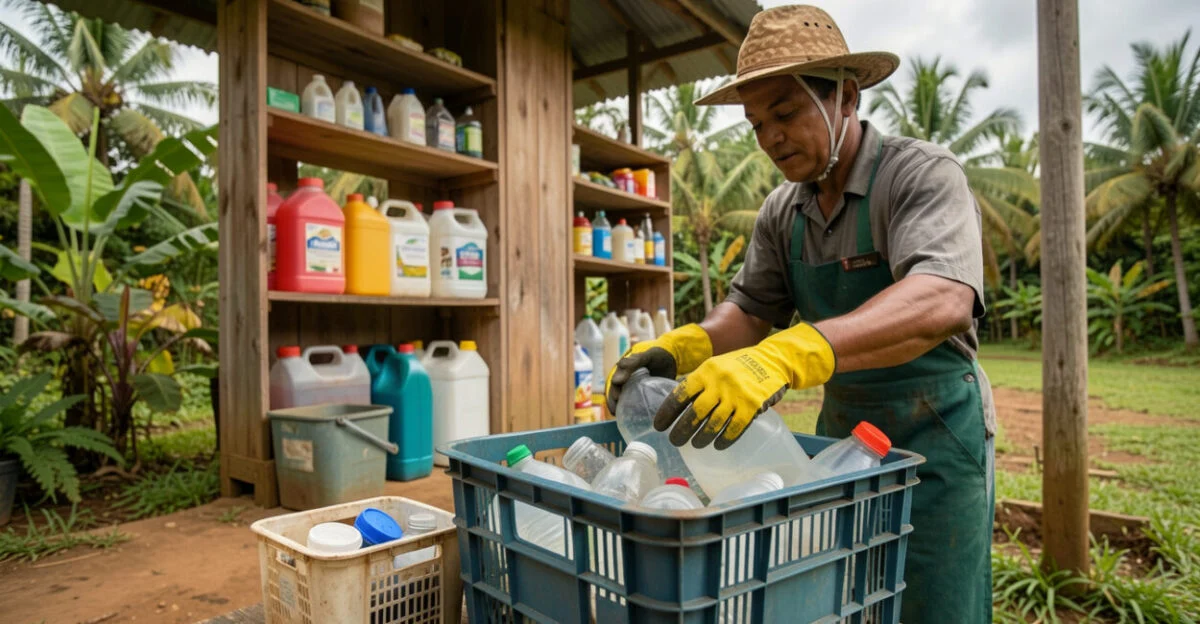
4. Take specific precautions with pesticides, machinery, and equipment
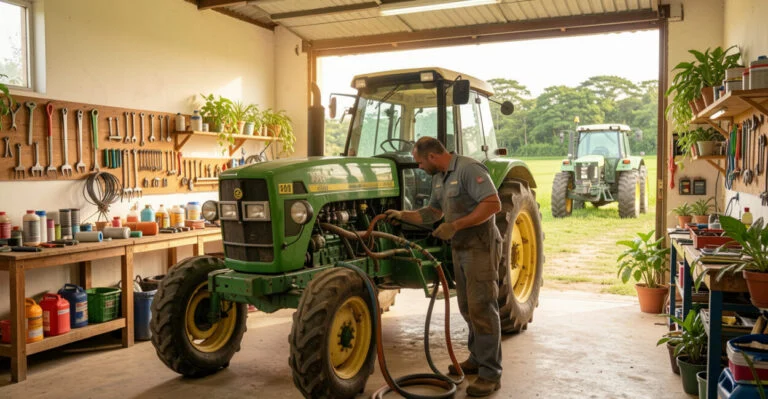
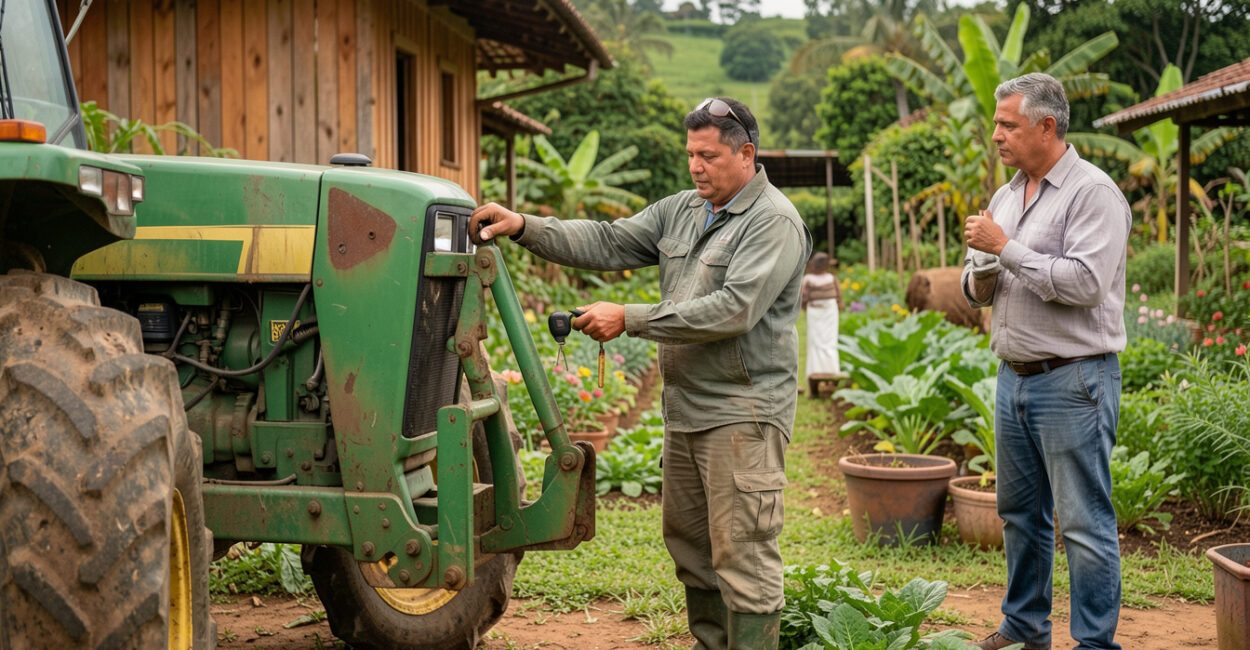
Pesticides and machinery pose different hazards, so each requires its own procedures. Before operating equipment, check guards, brakes, tires, controls, and attachment points. Before performing maintenance or clearing a blockage, shut off the machine, prevent unexpected startup, and follow the applicable procedure.
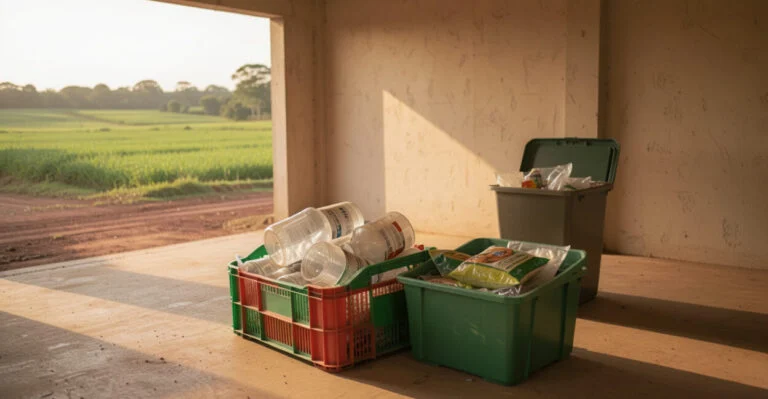
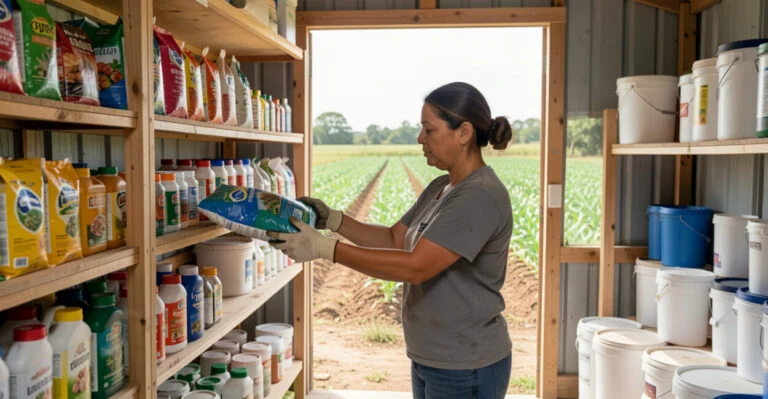
When applying products, consult the label and instructions, use calibrated equipment, and consider wind, temperature, and the possibility of exposing people, animals, or neighboring areas. Clean and maintain equipment according to the manufacturer’s instructions and safety rules. Empty containers must be disposed of according to specific regulations, not thrown out with regular trash.
One detail that often gets overlooked is changing clothes after application: bringing contaminated clothing into the home can expose others. Keep work clothing separate, follow washing instructions, and avoid unprotected contact with residues. Organizing grain storage should also account for access, equipment, and the specific hazards of silos and storage facilities.
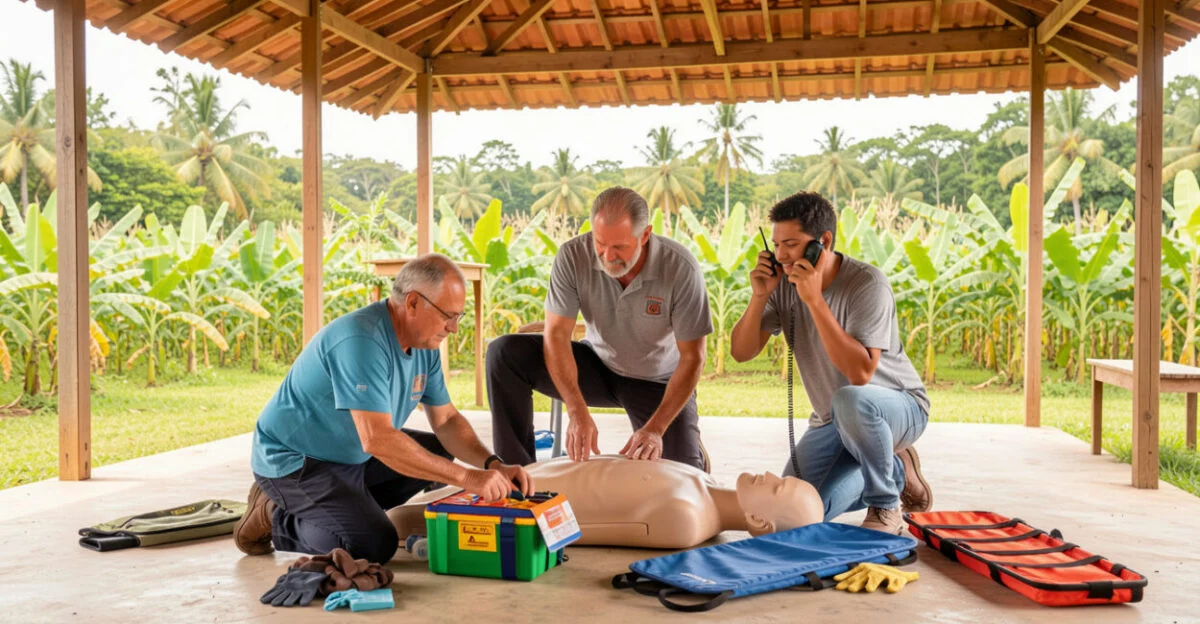
5. Prepare training, assign responsibilities, and plan for emergencies
Training should match the work being performed and the hazards involved, with hands-on guidance on equipment operation, procedures, and what to do when something goes wrong. NR 31 requires training for activities covered by its provisions; the duration, content, and format depend on the circumstances and the current text of the standard.
Employers and those responsible for the work must meet applicable requirements, inform workers about hazards, and provide the means to prevent them. Workers should follow procedures, use the required protective equipment correctly, and report hazardous conditions. On family farms, the lack of a formal structure does not eliminate the need to agree on responsibilities and safe routines.
Decide how to call for help, who will accompany an injured person, and where emergency contacts and first-aid supplies are kept. In an accident involving a chemical product, consult the label and safety data sheet, avoid exposing anyone providing assistance, and contact emergency professionals. Training related to family farming can help organize learning and knowledge-sharing on the farm.
6. Find reliable training and reference materials
To learn about agricultural workplace safety, consult NR 31 and technical resources from Fundacentro, Brazil’s occupational safety and health research center, and Embrapa, Brazil’s agricultural research corporation. A PDF on farm workplace safety or a PowerPoint presentation can be a useful teaching aid, but it should include sources, dates, and context. Old or generic slides do not replace the current standard or required training.
If you’re looking for a free NR 31 course with a certificate, check directly with recognized institutions to see whether a class is available, whether it’s free, what it covers, and whether the certificate meets your needs. Courses are not guaranteed to remain available, and not every online course replaces hands-on training or meets the legal requirements for a particular activity.
Occupational safety professionals can work on farms, at cooperatives, in agribusiness facilities, for consulting firms, at government agencies, and in other sectors. The scope of work depends on their education, professional qualifications, and the requirements for each position.
7. Start with a practical improvement plan
Record the tasks, hazards identified, who may be exposed, and which controls are already in place. Prioritize situations that could cause serious injury, involve frequent exposure, or have inadequate safeguards. Then assign people and deadlines to actions such as repairing a guard, organizing machinery traffic, or training operators.
Review the plan when crops change, new equipment is introduced, an accident occurs, or a new task is added. A simple inspection log can help: note the date, the problem, the action taken, and whether the fix worked. Safety is not about buying equipment without a plan; it depends on keeping controls in place and suited to the work.
How to choose the right measures for your farm
Start by asking which tasks pose the greatest risks, who performs them, and under what conditions. Consider how often workers are exposed, the potential severity of an injury, whether temporary workers are involved, and how far away emergency care is.
Next, determine whether the hazard can be eliminated or reduced by changing the process, performing maintenance, adding a barrier, or reorganizing the work area. Only then choose suitable personal protective equipment and the necessary training. Check the date and source of reference materials; for specific legal or technical decisions, confirm your interpretation with a qualified professional or the appropriate authority.
A farmworker’s pay depends on current laws, location, job duties, and collective bargaining agreements. Check official sources and current agreements before relying on any figure; an average found online may not reflect the minimum wage or rate that applies to a particular job.
Frequently asked questions
Does NR 31 apply to pesticide application?
Yes. NR 31 covers requirements for work with pesticides, including application, training, and protective measures. The specific procedures depend on the product, the task, and current regulations.
Where can I find a free NR 31 course with a certificate?
Check with recognized institutions, such as workforce training services, educational institutions, and government agencies. Confirm whether the course is free, what it covers, how it is delivered, and whether a certificate is issued; these conditions can change and should not be assumed.
Can occupational safety professionals work in agriculture?
Yes. They can work on farms, at cooperatives, in agribusiness facilities, for consulting firms, and at government agencies. Permitted roles depend on their education and applicable professional qualifications.
Is there one standard salary for farmworkers?
No. Pay varies based on current laws, location, job duties, and collective bargaining agreements. To find the applicable rate, check official sources and the relevant local collective bargaining agreement.