
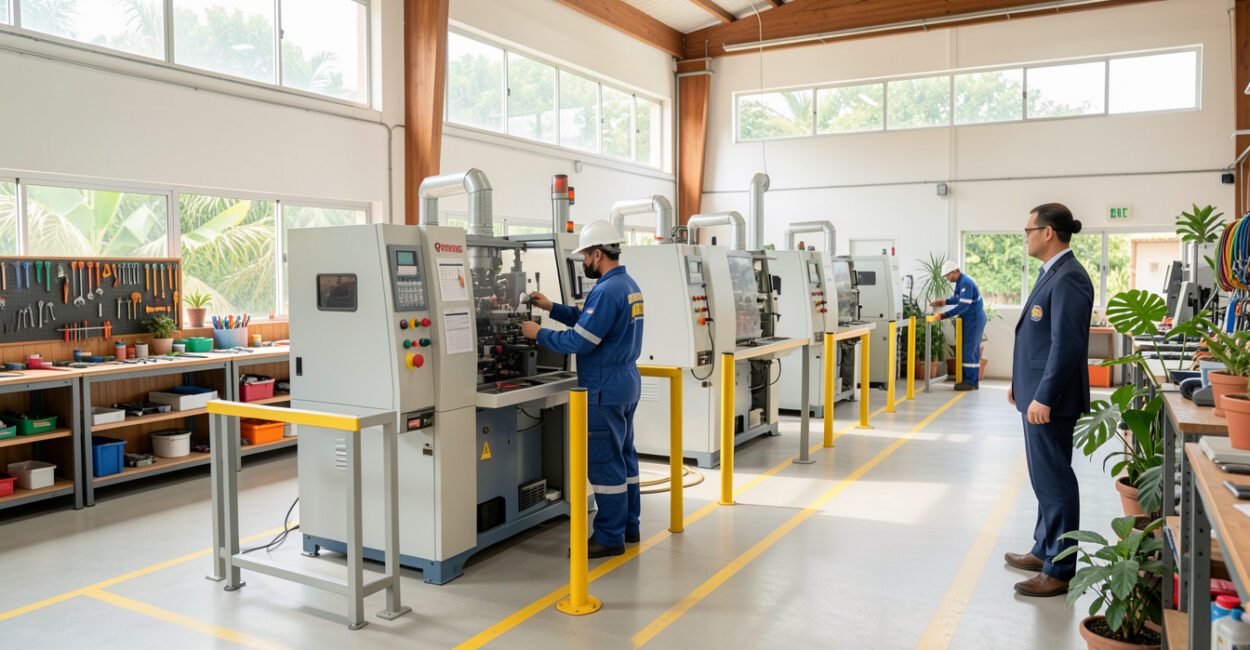
Removing a machine guard to speed up a changeover can turn a routine task into a serious accident. Industrial workplace safety depends on recognizing hazards, assessing risks, and applying controls before and during every task. This requires a routine that involves management, supervisors, and workers, from production planning through maintenance.
Prevention also means monitoring whether the measures in place continue to work when the process, equipment, or team changes. Brazil’s Risk Management Program (PGR) organizes part of this work, but it needs to reflect actual factory-floor conditions.

Before you begin: what needs to be defined
- Which processes, machines, and tasks will be assessed, including cleaning and maintenance.
- Who will participate in the assessment: workers, supervisors, and occupational safety and health professionals.
- Which records are available, such as the risk inventory, procedures, inspections, and incident information.
- How to report hazards and stop work in the event of a serious and imminent risk, in accordance with applicable procedures.
What industrial workplace safety means
Industrial workplace safety is the organized set of measures used to prevent work-related accidents and health problems by identifying hazards, assessing risks, and implementing controls. In practice, this means adapting tasks and processes to reduce exposure, checking that safeguards work, and correcting issues before they cause harm.
Understanding the distinction between these terms helps guide decisions. A hazard is a source or situation with the potential to cause injury or illness; risk combines the likelihood of an event with the severity of its consequences; an accident is an event that results in harm or could have caused it, depending on the context and the reporting criteria used.
A preventive measure is trustworthy only when it works during the actual task and can be verified on site.
Why prevention protects workers and production
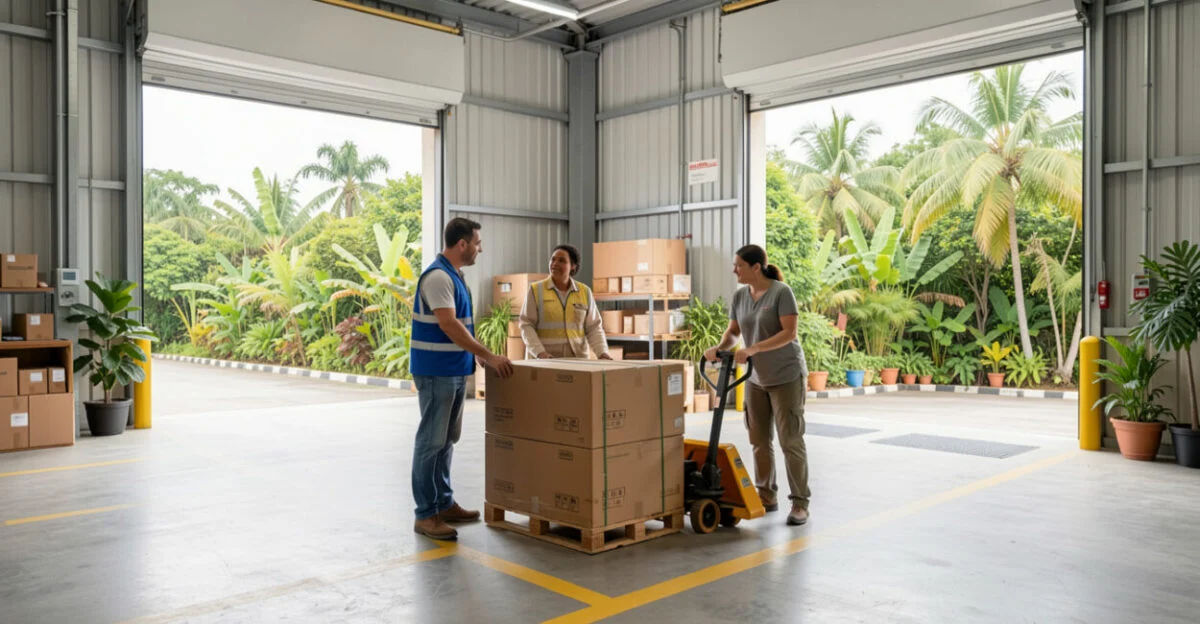
An accident can cause injury, time away from work, and distress for a worker. It can also disrupt production, require an investigation or repairs, and force teams to reorganize. Ongoing exposure to noise, chemicals, or excessive physical exertion, meanwhile, can harm health without causing an immediately visible incident.
When prevention is built into the process, it helps avoid workarounds, unplanned downtime, and reliance on individual solutions. To make that happen, leaders need to treat safety as part of planning and execution, in dialogue with the people who know the operation. Production routines and management skills are also part of a production manager’s role: balancing operational goals with safe working conditions.
Common occupational hazards in industrial settings

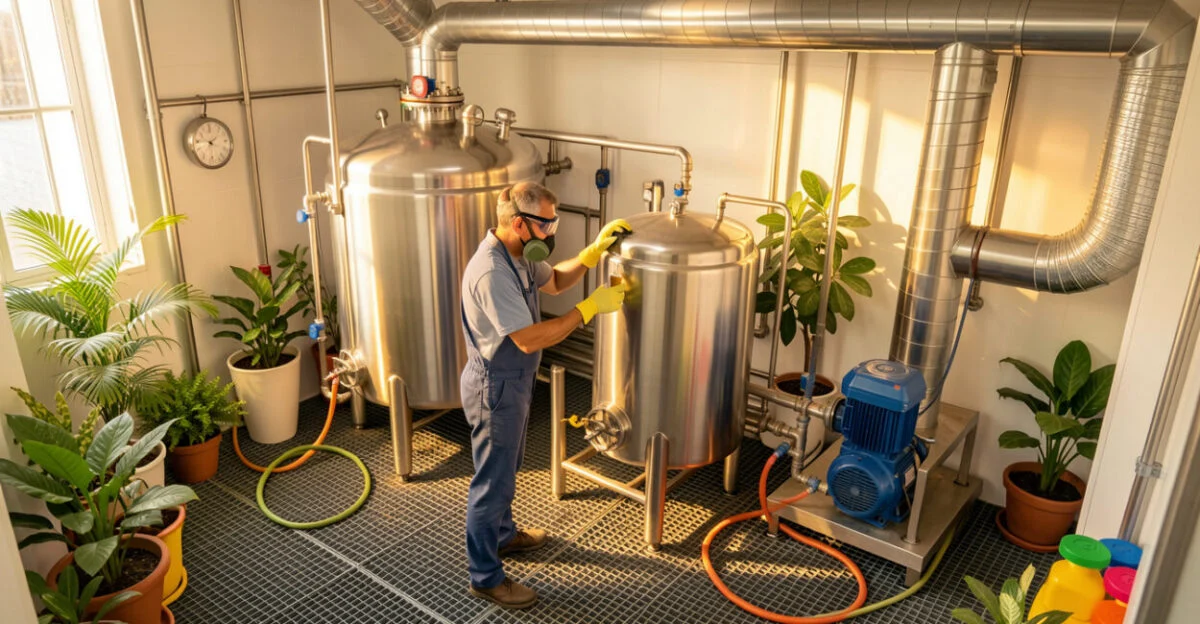
Hazards vary by industry, process, and task, and a single area can involve several categories. Assessments should also consider less obvious exposures, such as noise accumulated over a shift or contact with residue during cleaning.
- Physical: noise, heat, vibration, and radiation, depending on the sources and exposure conditions.
- Chemical: dust, fumes, vapors, mists, and products used or generated in the process.
- Biological: microorganisms or contaminated materials present in specific activities and environments.
- Ergonomic: lifting and carrying loads, repetitive motions, awkward postures, and work pace that creates excessive strain.
- Accident-related: moving parts, electricity, falls, industrial vehicles, tools, and materials that could strike or trap someone.
For example, a forklift moving near a pedestrian area presents a hazard related to internal traffic. The risk depends on factors such as visibility, speed, traffic volume, and separation between routes; a collision or struck-by incident is the possible accident, not the hazard itself.
How to identify and control risks in daily operations
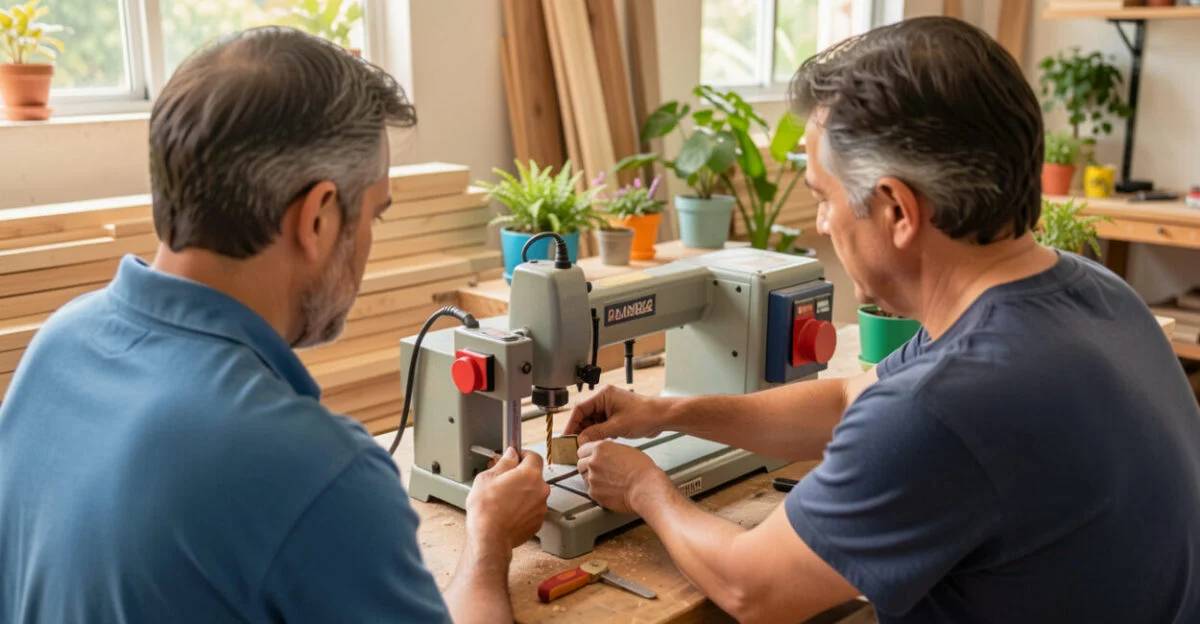
Occupational risk management starts by identifying hazards in the work as it is actually performed, then proceeds to assessment, selection of preventive measures, and monitoring. In industrial settings, this means observing both normal and unusual conditions, such as tool changes, clearing blockages, cleaning, and maintenance.
- Describe how the work is actually done: Document the steps, people involved, equipment, materials, and situations outside the normal routine. Talk with workers, because written procedures may not reflect informal adjustments made to keep production moving.
- Assess and prioritize risks: Consider the likelihood of exposure or an event and its potential severity. Prioritize risks with serious potential consequences and situations where existing safeguards fail or depend on constant attention.
- Select controls according to the prevention hierarchy: First consider eliminating the hazard, followed by substitution, collective protective measures, and administrative controls. PPE supplements other measures and should be selected for the specific risk and task.
- Assign owners and deadlines: Each action needs an owner, a deadline, and an observable completion criterion. “Train the team” is not enough unless it is clear which behavior or condition will be checked.
- Verify and review: Inspect controls, document issues, and update the assessment when the process changes, an accident or failure occurs, or new exposure information becomes available.
A common mistake is to issue PPE and treat the exposure as resolved. This can happen because personal protective equipment is visible and quick to distribute, while addressing the source may require engineering changes or planning. The right approach is to determine whether the hazard can be eliminated or controlled through collective measures. If PPE is still necessary, its suitability, condition, and proper use for the task must be assessed, and workers must be trained.

Types of workplace safety and how they complement one another
In industrial settings, prevention efforts overlap. Machine and facility safety addresses accident hazards; occupational hygiene identifies, assesses, and controls environmental agents; ergonomics examines the relationship between job demands and human capabilities; and occupational health monitors work-related health effects and conditions.
What is occupational hygiene and safety?
Occupational hygiene and safety is an integrated approach to controlling exposure to workplace hazards and preventing accidents and illness. In the technical sense, occupational hygiene identifies and assesses physical, chemical, and biological agents and guides their control; safety addresses accident hazards and working conditions. In practice, an investigation may require both: a machine can pose an entanglement hazard and generate noise.
Fundacentro is a Brazilian institution known for research and expertise in occupational safety and health. Its resources can support further technical study, but control measures must be determined based on the process, exposure, and regulations applicable to the situation.
Who is responsible for prevention, and which regulations and training apply
Employers must implement preventive measures, inform workers about risks, and organize occupational risk management in accordance with applicable requirements. Workers also have duties under the regulations, such as following safety instructions and helping implement the measures. On the floor, supervisors monitor work and flag changes that could undermine controls.
Brazil’s Law No. 6,514/1977 amended provisions of the Consolidation of Labor Laws concerning occupational safety and medicine. The Regulatory Standards (NRs) issued by Brazil’s Ministry of Labor and Employment spell out requirements for different topics and activities. NR-1 covers general provisions and occupational risk management; other standards may apply depending on the machinery, agents, facilities, and tasks involved. Consult the current version on the official Ministry of Labor and Employment Regulatory Standards page.
What subjects are covered in an occupational safety technician program?
Course requirements vary by institution, program structure, and credential. Programs may cover risk prevention and control, occupational hygiene, laws and regulations, ergonomics, fire protection, first aid, accident investigation, and safety and health management. Check the specific program’s academic plan and curriculum.
Training should involve more than signing an attendance sheet. It must address the task and applicable requirements. For example, training on machine operation should cover safeguards, operating conditions, abnormal situations, and what to do if a failure occurs. The format, duration, and refresher training requirements depend on the applicable regulation and risk.
How to monitor controls and improve the PGR
The PGR should remain aligned with the actual process. To develop it, an organization identifies hazards, assesses risks, records the findings in a risk inventory, and plans preventive measures in an action plan, in accordance with applicable requirements. To keep it current, the organization must reassess risks when changes, incidents, or evidence show that controls are not working as intended.
The table helps link each risk to a safeguard and a specific verification step. It is a monitoring template, not a substitute for a technical assessment or the documents required for each situation.
Hazard or exposure
Control to consider
How to verify
Accessible moving parts on a machine
Physical guard and interlock suited to the machine and task
Inspect the guard and test its operation according to a safe procedure
Noise in the work area
Source reduction, isolation, or other collective measures; PPE when needed
Assess exposure using applicable criteria and check the condition of the measures
Forklift and pedestrian traffic
Separate routes, signs, and traffic rules
Observe crossings, visibility, and compliance with traffic flow during operations
Manual handling of loads
Redesign the task, use mechanical aids, and organize the workstation
Observe posture, frequency, distance, and actual use of the aid
A common example: while cleaning a machine, a team finds that a guard must be removed to reach accumulated residue. If the procedure does not specify how to isolate energy sources and prevent unexpected startup, the task exposes the cleaner to hazardous parts. The response is to review the method with maintenance and operations, define the lockout steps, and verify that the machine is safe before work resumes.
To assess prevention, monitor both whether actions are completed and the conditions you find: missing guards, near-miss reports, recurring failures, and overdue measures. An accident report alone does not measure how effective controls are; having no incidents does not prove that risks are under control either. Assessment criteria and methods depend on the hazard, task, and applicable regulations.
The next step is to choose a critical task and walk through it with the people who perform it: describe each step, identify hazards, check controls, and document what needs to change, along with an owner and deadline. Then consult the current regulation that applies to the process and repeat the same check to confirm the fix continues to work.
Frequently asked questions
What is the difference between a risk inventory and an action plan?
The inventory records identified hazards, assessments, and information about occupational risks. The action plan organizes preventive measures, priorities, and monitoring.
When does the PGR need to be reviewed?
It needs to be reviewed when changes to the process, equipment, or work organization affect risks, and also after accidents, control failures, or the discovery of relevant new information. Reviews must follow NR-1 requirements and consider actual working conditions.
Can PPE be the only preventive measure?
As a rule, prevention should prioritize measures that eliminate the hazard or control the risk at the source and through collective protection. PPE is used when necessary, as a supplement or in situations where it is required, after assessing the risk and available measures.
How do you document a near miss?
Record what happened, where and during which task, which safeguards failed or prevented harm, and what needs to be corrected. The investigation should look for causes and improvements rather than simply assigning blame to the person doing the work.
What should you do if production pressures you to restart a machine with a defective guard?
The machine should not return to operation until the unsafe condition has been assessed and controlled. Follow company procedures to report the failure, keep the equipment out of service when necessary, and authorize its return only after repairs and verification of the safeguards.
How does automation change risk assessment?
Automation can reduce some exposures and create others, such as risks during programming, adjustment, maintenance, and interaction with automated equipment. The assessment must consider operating modes, access to hazardous areas, and foreseeable interventions—not just the automatic cycle.
Artigos Relacionados
 Industrial Maintenance: Career Paths and Qualifications
 Industrial Quality Control: Roles and Training
 Industrial Automation: Robots, AI, and Emerging Jobs
 Industrial Salaries: 5 Trends Reshaping Pay in 2025
 Cattle Reproduction: Practices That Improve Efficiency
 Agricultural Input Inventory Management: Best Practices for Farms
