
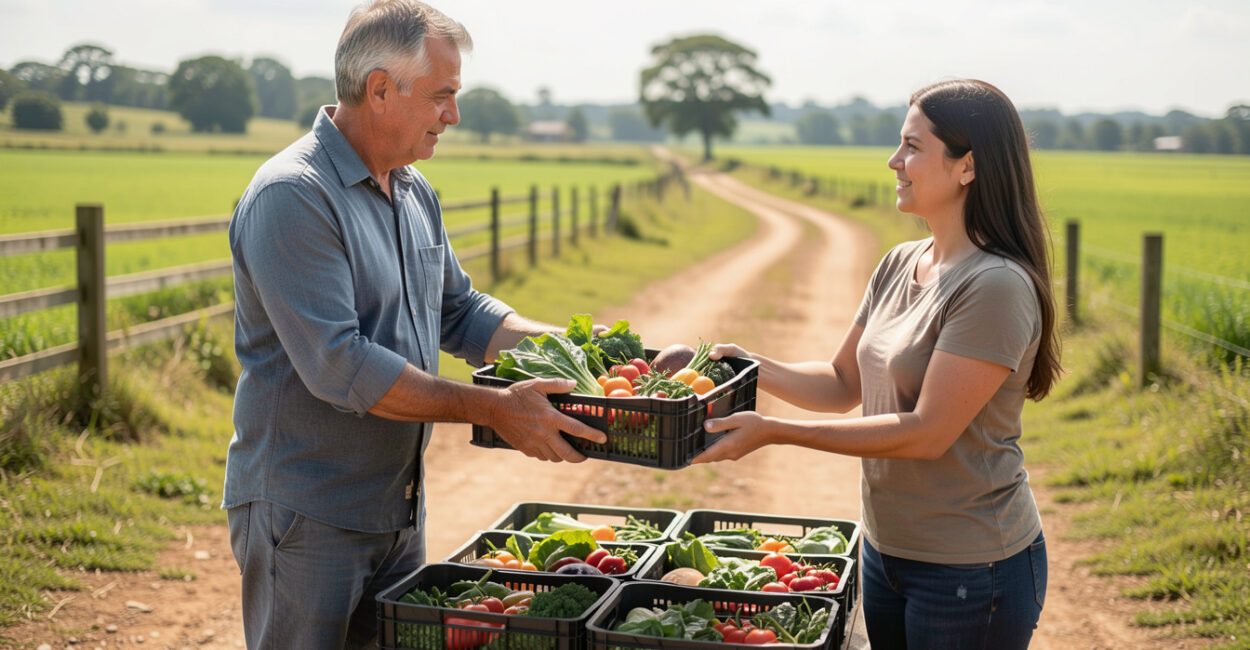
How to Sell Farm Products Directly to Consumers
With direct sales, a higher price can come with tasks that others used to handle: promotion, packaging, customer service, and delivery.

Digital orders, farmers markets, and on-farm sales are all ways to connect what you grow with the people who buy it. The right choice depends on your product, scale, regulatory requirements, and the logistics you can manage.
A common mistake is assuming that cutting out the middleman automatically means more profit. A channel may increase what you earn per unit while also requiring so many hours of customer service or causing so much product loss that it no longer pays off.
Direct-to-consumer sales: what really changes
Direct sales are transactions in which a farmer sells products to the end consumer instead of selling a lot to a wholesaler or retailer for resale. Customers may buy on the farm, at a farmers market, or by placing an order; a platform or pickup location may also be part of the process.
Your sales channel determines tasks, costs, and responsibilities—not just who collects the payment. A platform, for example, may make it easier for customers to find and order your products, but it may also have its own fees and rules. This type of sale covers food and other farm products; it has nothing to do with eligibility requirements for buying vehicles as a farmer.
To compare this option with other routes from farm to consumer, see the article on marketing channels from farm to shelf.
The right channel depends on the product and scale
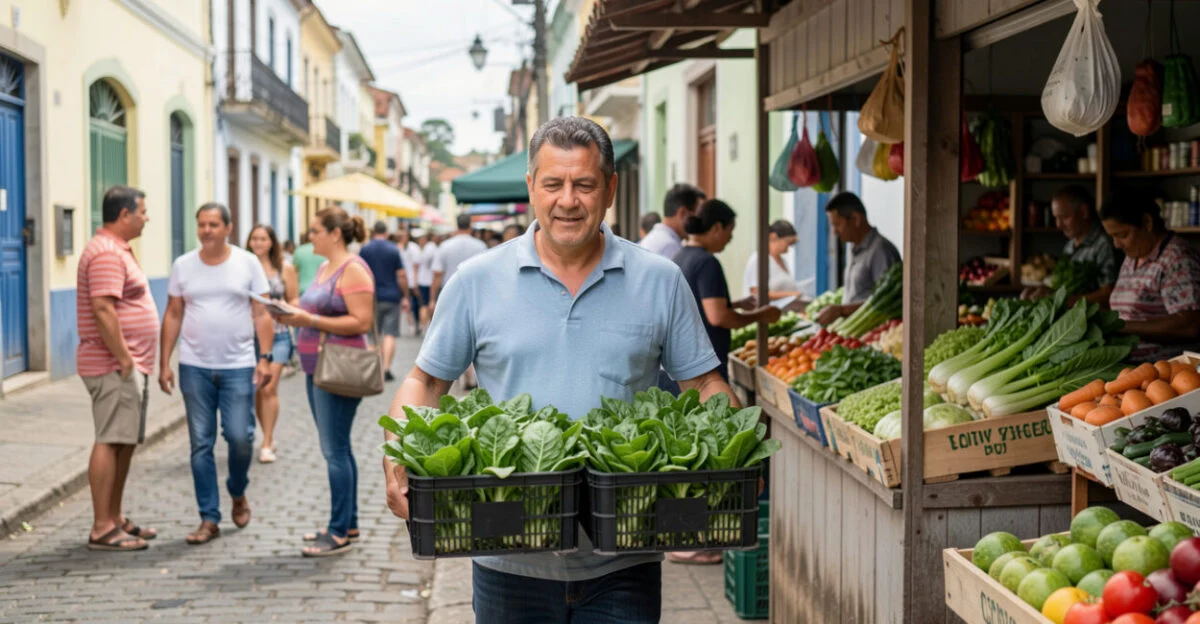
Start by comparing on-farm sales, farmers markets, online orders, and delivery or pickup. The best fit depends on how perishable the product is, the volume you have, the distance involved, and how much time you can devote to customer service. This helps you avoid choosing a channel that looks appealing on paper but is hard to maintain day to day.
Channel Advantage Challenge Best for On-farm sales Direct contact and local pickup Access, hours, and facilities for customers Products available on-site and nearby customers Farmers market Product displays and face-to-face conversations Travel, setup, and unsold products Volumes that can be transported and sold within a set period Online orders Orders are organized before products are packed Promotion and frequent customer service Products with predictable availability and planned pickup or delivery Delivery or pickup More convenience for customers Routes, product preservation, and cost per order Orders clustered within a practical service area
A farmer selling freshly harvested greens may struggle to fill orders spread across a large area; setting a fixed pickup window can cut down on trips and leftover products. For more context on different farming ventures, read about knowledge in family farming.
Start with a small, predictable selection

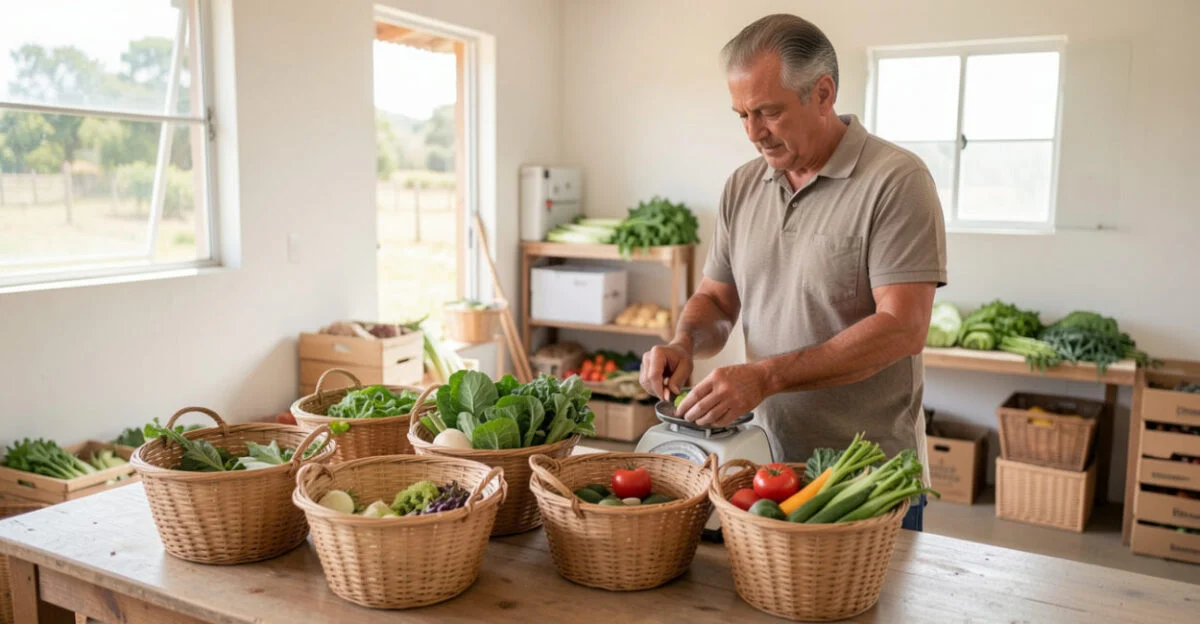
Choose a few products you can pack, store, and offer consistently. Set your service area, order days, and delivery or pickup schedule. In your listing, include the unit or weight, availability, payment method, and order cutoff time.
Read also: Rural Credit: How to Prepare Your Application Documents
Imagine a farmer advertising a mixed produce box without keeping track of what will be ready that week. One item is unavailable, no substitute has been agreed on, and the customer gets an unwelcome surprise. A short list updated before orders open can prevent this kind of friction.
An online presence can help you stay organized, but it won’t run the operation for you: tracking orders and confirming quantities matter more than posting every day. Agrotechnology for everyday farm operations can offer ideas for useful tools, as long as the solution fits the scale of your farm.
Read also: Rural Land Regularization: How to Organize Your Paperwork
Your price must cover the cost of selling, too
When setting a direct-sale price, account for both the cost of production and the cost of getting the product to the customer. Sebrae, Brazil’s small business support agency, recommends factoring in business costs and expenses; don’t count only seeds, supplies, or animal feed.
- Production, harvesting, sorting, and labor.
- Packaging, labeling, and storage materials.
- Transportation, fuel, and any platform or payment fees.
- Losses, unclaimed products, and fluctuations in availability.
A sale that looks profitable can break even once packaging, transportation, and losses are included. Track expenses by channel and compare them with the amount you receive instead of using a generic margin as if it worked for every product.
Regulatory requirements depend on the food and how it is processed
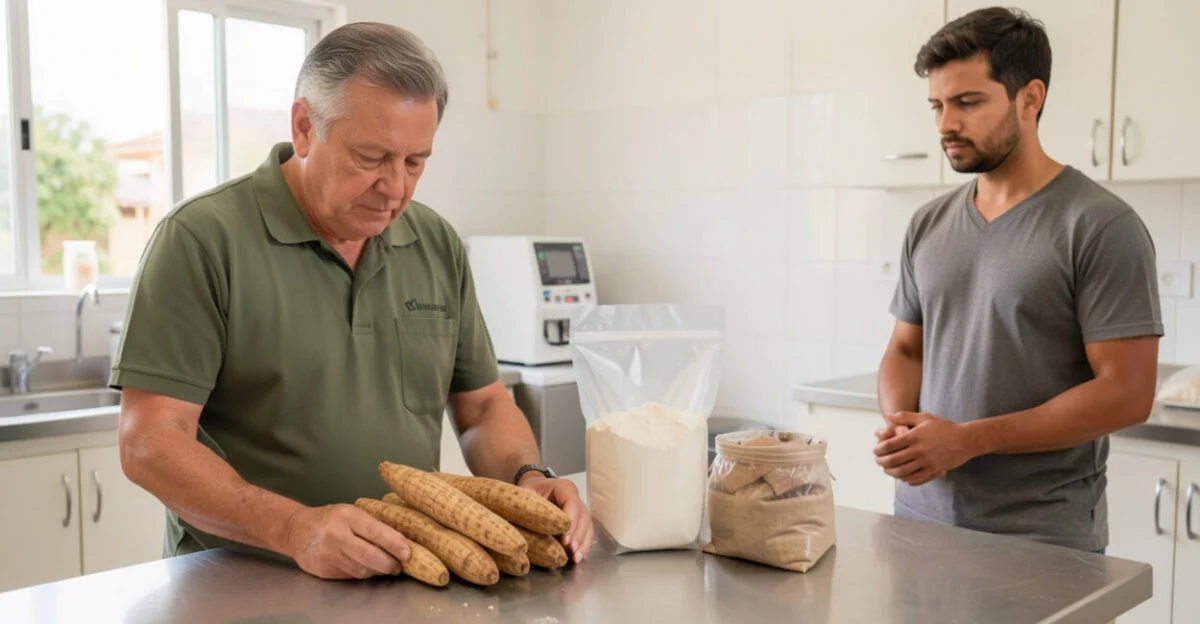
Before advertising your products, check the requirements that apply to the product, how it is processed, and where it is sold. Don’t assume that fresh, unprocessed food is subject to the same rules as processed products; requirements may vary by category and by the authority responsible.
Anvisa, Brazil’s health regulatory agency, provides information about food and sanitation regulations. For animal products, also check the inspection guidance from the Ministry of Agriculture and Livestock. Confirm the requirements with the health surveillance or inspection service responsible for your municipality and region: general guidance is no substitute for checking the specifics of your situation.
Delivery and customer service are part of the offer
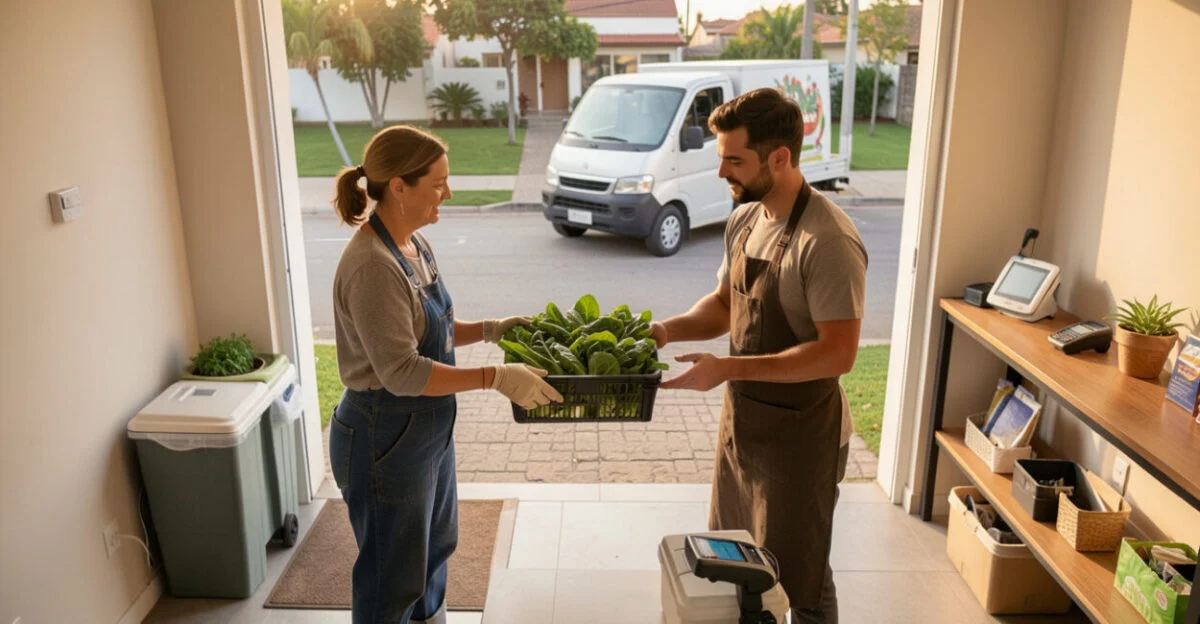
Agree on timing, location, product handling, and payment method before confirming an order. If there’s a delay, an item is unavailable, or a route problem comes up, notify the customer and explain their options. For perishable items, don’t promise delivery conditions you can’t control.
A list of orders with names, quantities, payment status, and pickup times can prevent simple mistakes, such as packing the same item twice or leaving an order unconfirmed. If you use a platform or pickup location, factor its fees and rules into your routine and pricing.
Measure results before expanding
Track how many orders come in through each channel, what it costs to fill them, what is left over or lost, and how many customers buy again. Keep records for a period that reflects your normal routine; a single farmers market or an unusual week isn’t enough to determine whether a channel works.
If your direct sales aren’t organized yet, start with one product, a small service area, and a set day. The first useful sign isn’t a line of customers; it’s being able to fulfill your commitments while keeping track of the cost of each order.
Frequently asked questions
Do I need a store to sell directly?
No. You can start with orders, a farmers market, or on-farm pickup, as long as you can serve customers clearly and meet the requirements that apply to your product.
Can I start by taking orders?
Yes. It’s a way to gauge demand before packing your products, but be sure to set the deadline, available quantities, payment method, and pickup or delivery details.
Do direct sales always pay more?
There’s no guarantee. You may earn more per unit, but packaging, transportation, fees, customer service, and losses all factor into the equation.
Artigos Relacionados
 Pharmaceutical Packaging: Requirements That Sell Your Product
 Agricultural Input Inventory Management: Best Practices for Farms
 Farm Insurance: How Coverage and Purchasing Work
 Solar Energy on the Farm: Uses and Installation Planning
 How to Plan the Purchase of Used Farm Equipment
 Coffee Cultivation: How to Plan Your Farm and Care for Plants
