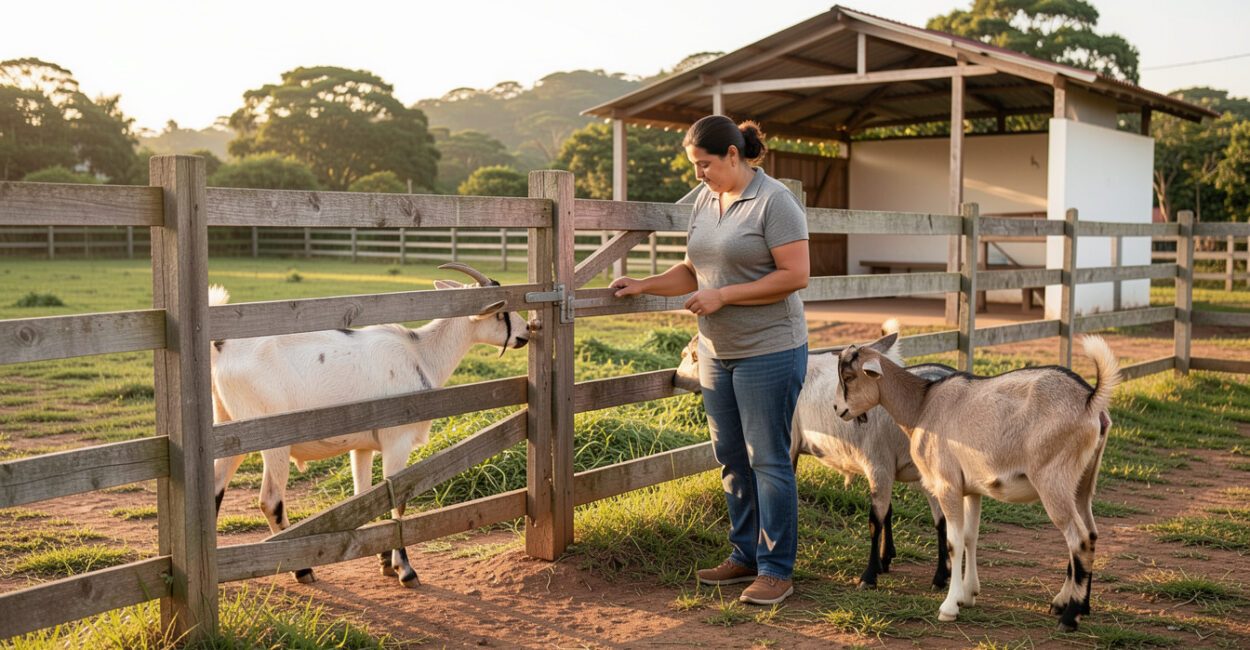
A fence that looks sturdy may not keep a goat contained for long: goats explore gaps, push gates, and find weak spots. That’s why goat farming starts before you buy, with decisions about purpose, space, feed, and veterinary care. Management needs differ depending on whether you plan to raise goats for milk or meat, or keep small breeds as pets.
Goats are ruminants and need a forage-based diet, clean water, dry shelter, and compatible companions to meet their social needs. Planning for these basics first can help you avoid spending money on unsuitable facilities and preventable health problems.

What to decide before you get started
- Purpose: milk or meat production, breeding, or companionship.
- Available space for shelter, an exercise area, and pasture or stored forage.
- Budget for purchase, fencing, feed, maintenance, and veterinary care.
- Whether the animals will have companions and someone to care for them every day.
- Local regulations and any health requirements that apply to the property.
1. Plan your goat farming operation around your goals
To start a goat farming operation, first decide whether your goal is to produce milk or meat, breed goats, or keep them as pets. Then make sure you have suitable space, a workable budget, feed, and veterinary care. Your purpose, local climate, forage availability, and local requirements will all affect your choice of breed and facilities.
Estimate costs, including recurring expenses. In addition to the animals, budget for fence repairs, bedding or other material to keep the floor dry, mineral supplements formulated for goats, transportation, and professional care. The returns from a productive operation depend on the market, scale, management, and local costs; no level of profitability can be guaranteed for every property.
Check with your local government and your state’s official animal health services to find out which rules apply to raising, transporting, and selling goats. For an overview of careers related to agriculture, see this guide to agricultural careers.
2. Choose goats suited for production or companionship
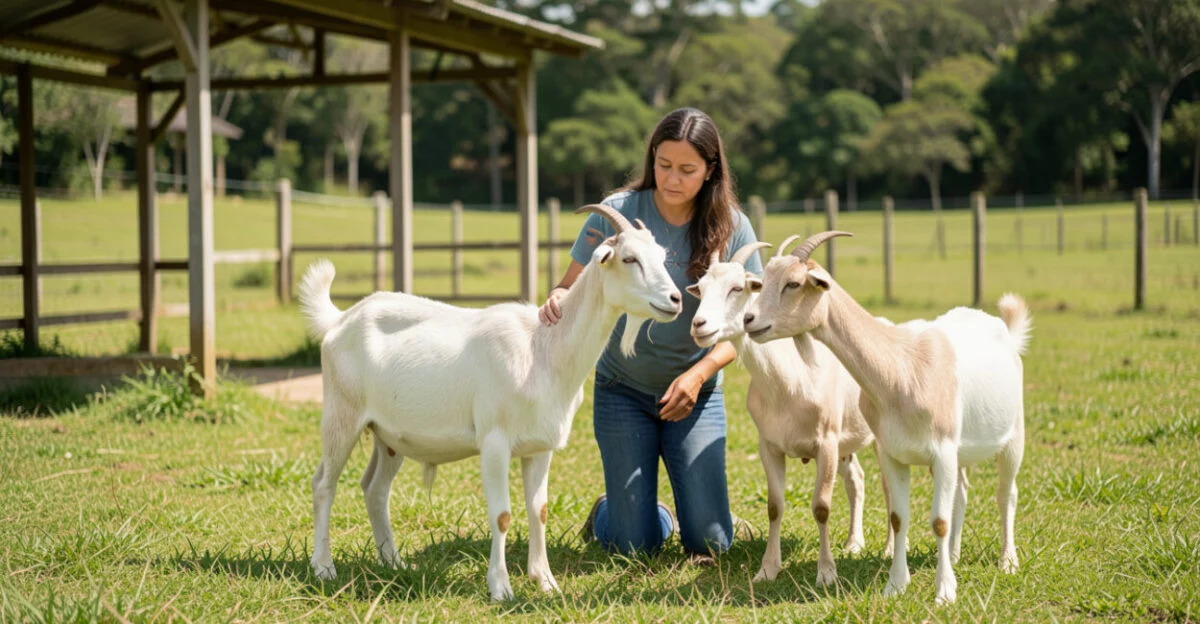
Dairy, meat, and miniature goats have been selected for different traits, but a breed name alone doesn’t guarantee performance. Consider how well the animals are adapted to your local climate, the breeder’s goals, body condition, and the health history provided by the seller.
- Dairy: Look for goats from a known source, with information about their dams’ milk production and management, if available. Feeding and milking routines matter as much as genetics.
- Meat: Consider how well the goats fit your production system, their growth, and feed availability; don’t choose based on size alone.
- Companionship: Prioritize temperament, health, background, and suitability for your space. Goats need social contact and should not be kept alone.
If you’re searching for a dairy goat for sale on OLX or dairy goats for sale in Minas Gerais, use the same evaluation criteria you would anywhere else: a listing doesn’t prove breed, productivity, or health. Before buying, talk with a professional who knows goats and ask for verifiable information about the animal’s background and care.
3. Prepare shelter, fencing, and sanitation before the goats arrive

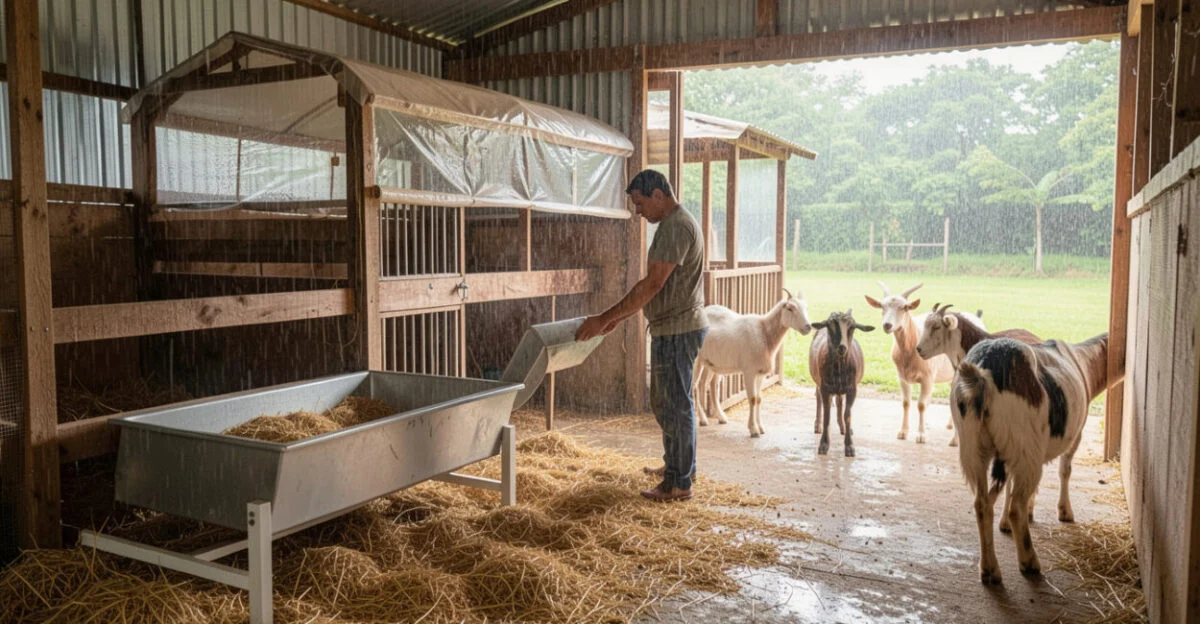
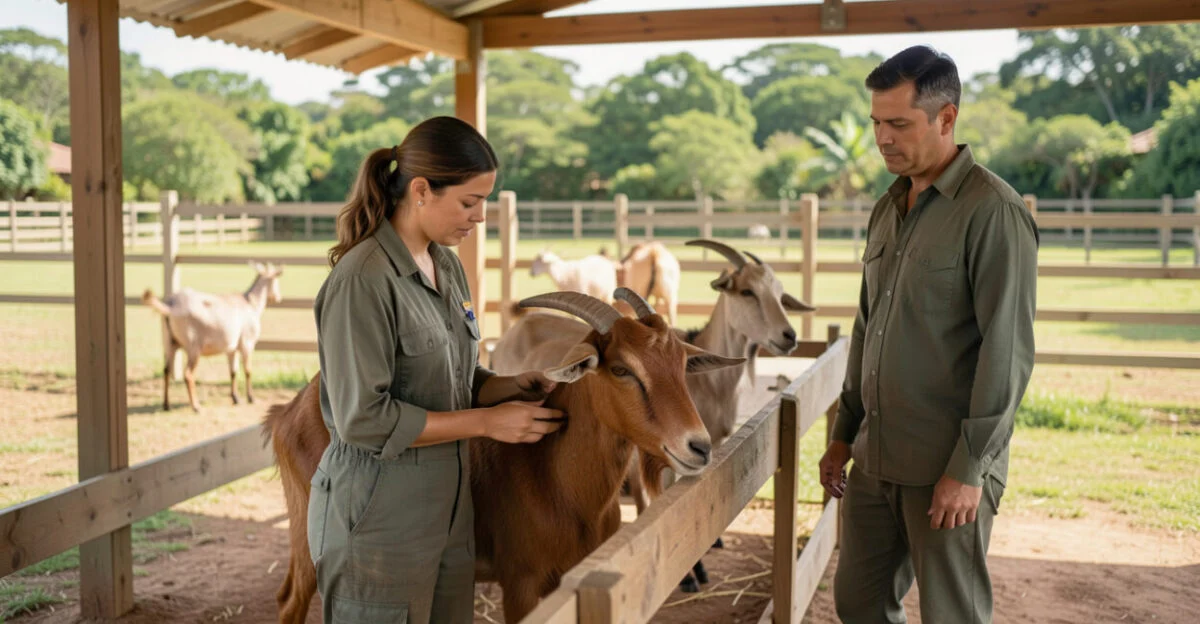
Shelter should protect goats from rain, wind, and intense sun without trapping moisture or restricting airflow. Slippery floors, wet bedding, and areas with poor drainage cause discomfort and make sanitation harder. Also make sure feeders and waterers can be cleaned without contaminating the forage.
- Sturdy fencing with no sharp edges or gaps the goats can squeeze through.
- Securely latched gates that are easy to access during handling.
- Dry, well-ventilated shelter protected from the elements.
- Stable, clean, accessible feeders and waterers.
- A place to temporarily separate an animal that needs to be evaluated.
- An exercise area suited to the number, size, and purpose of the animals.
The space required varies with the production system, the size of the goats, pasture quality, and how long they are kept in confinement. General guidelines can’t replace planning for your specific property. Embrapa Caprinos e Ovinos, Brazil’s agricultural research agency’s goat and sheep division, offers technical resources to support management decisions, but you’ll still need to assess what works for your location.
A common mistake is checking a fence only to see whether it looks tall enough. Also inspect the base, corners, wire tension, and gate latches: a small opening near the ground may be the first spot a goat tests.
4. Adjust feeding to the animal’s stage and condition
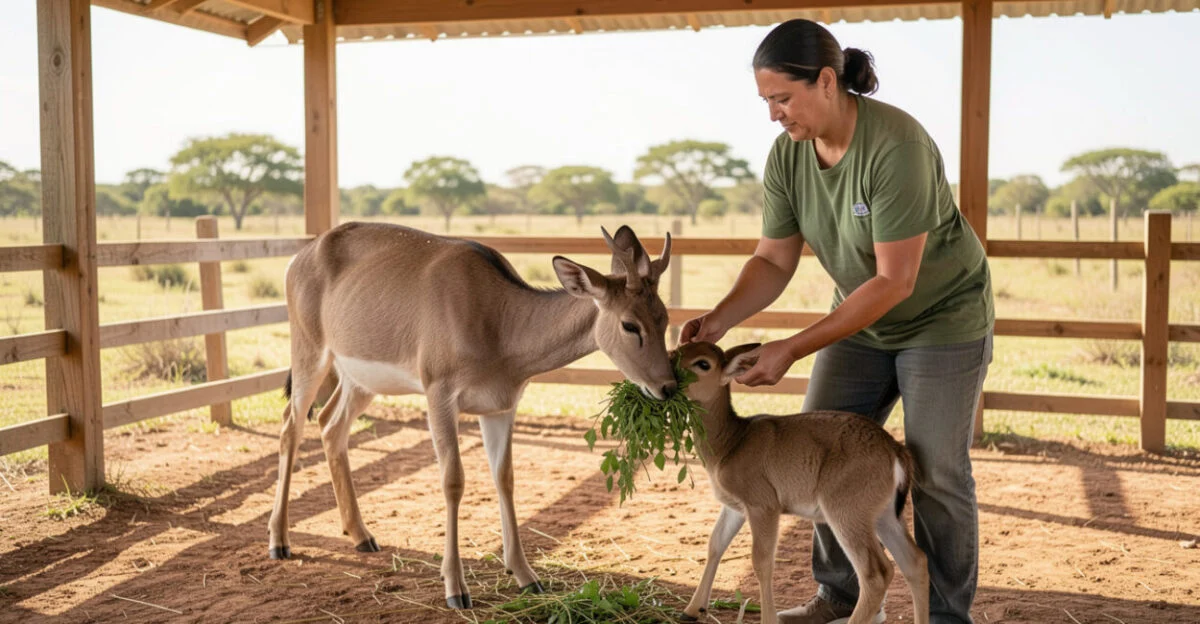
Goat diets should be based on forage, with clean water always available and supplements adjusted to the animal’s life stage and production. Pasture, hay, and other roughage can all be part of the diet, but quality varies. Sudden feed changes or concentrates offered without guidance can cause digestive problems or nutritional imbalances.
Category Feeding priority What to monitor Adult does not in production Quality forage and water Body condition and availability of pasture or stored forage Lactating does A diet suited to milk production Feed intake, body condition, and guidance on supplementation Growing kids Colostrum and milk early in life, followed by an appropriate transition to solid feed Growth, access to feed, and signs of illness Bucks Feed adjusted to body condition and breeding activity Body condition and forage quality
This table is a planning guide, not a diet formulation. Needs change with weight, age, pregnancy, lactation, climate, and forage composition. An agricultural technician can help with production planning, as explained in this article on the work and career options of an agricultural technician. For diet formulation and health assessments, consult a veterinarian.
Leia também: Silage: How to Produce and Store Feed for Your Herd
5. Establish a routine and prevent health problems
A good management routine starts with daily observation: appetite, movement, interaction with the herd, stool appearance, and water intake. Changes from normal behavior may be an early sign that an animal needs attention, but they aren’t enough to make a diagnosis without a professional exam.
Remove wet or dirty feed from feeders and keep the shelter dry. Parasite control should be based on the herd’s history and veterinary assessment. Using dewormers on a fixed schedule without a diagnosis or professional guidance can contribute to resistance and may not address the underlying problem.
The Programa Nacional de Sanidade dos Caprinos e Ovinos (PNSCO), Brazil’s National Goat and Sheep Health Program under the Ministry of Agriculture and Livestock, is an official source of animal health information. For professional services and scope of practice, also consult the Conselho Federal de Medicina Veterinária, Brazil’s Federal Council of Veterinary Medicine. Care should be provided by a qualified professional, with steps suited to the situation and local health regulations.
6. Plan breeding and protect the kids
Plan breeding around the doe’s health and body condition, the herd’s purpose, and your ability to care for the kids. Record breedings, births, animal identification, and any issues. These records help you monitor the herd and give your veterinarian accurate information.
Gestation usually lasts about five months, though it can vary. Prepare a clean, dry area for kidding, and arrange in advance how to get help if the doe has difficulty. Kids need colostrum after birth. If a doe rejects a kid, the kid seems weak, or you’re unsure whether it has nursed, seek veterinary guidance rather than improvising.
A common mistake is keeping a buck with the does without tracking breedings. This makes it hard to predict kidding dates and can lead to unwanted matings, including between related animals. Separate groups and keep records according to your breeding plan.
7. Evaluate a miniature goat before buying
“Mini goat” is a marketing term for small goats of different backgrounds, not a single breed with a standardized adult size. Height and weight vary by lineage and how the animal was raised. Before estimating an adult mini goat’s size, ask for the parents’ measurements, the goat’s age and identification, and information about the size of adult relatives.
How big do mini goats get?
There’s no single size for all adult mini goats; an animal’s size depends on its background and lineage. Ask for the parents’ measurements and, if possible, look at adults from the same herd. The word “mini” in a listing doesn’t guarantee a particular size.
Can a mini goat be kept as a pet?
Yes, as long as it has shelter, suitable feed, a safe space, veterinary care, and the company of other goats. Mini goats aren’t low-maintenance pets: they need daily care and can damage gardens or belongings if left loose unsupervised.
Before finalizing a purchase, ask for any available documents or records, check the animal’s overall condition, and ask about vaccinations, deworming, diet, and health history. Look for discharge, wounds, difficulty walking, or signs of lethargy. An in-person assessment by a professional is safer than making a decision based on photos alone.
When searching for mini goats on OLX or Mercado Livre, or comparing mini goat prices, treat a listing as a starting point, not a guarantee of background or fair pricing. Prices vary by region, age, origin, and purpose. Compare the full details, transportation arrangements, and whether you can visit the farm instead of choosing the lowest price.
A listing might show a small kid without clarifying the parents’ size or the conditions in which it was raised.
Ask about the animal’s background and health and, if possible, see it in person.
Before buying, also make sure your property can accommodate at least two compatible goats. Goats are herd animals, and another goat usually meets their social needs better than human companionship alone or interaction with other species.
Frequently asked questions
Which organizations can provide guidance on management and animal health?
Embrapa Caprinos e Ovinos, Brazil’s agricultural research agency’s goat and sheep division, offers technical management resources, while the PNSCO, under Brazil’s Ministry of Agriculture and Livestock, addresses goat and sheep health. For clinical assessments and treatment decisions, consult a veterinarian.
Do goats need the company of other animals?
Yes. Goats are social animals and generally should live with other compatible goats. People or animals of another species can’t fully replace that companionship.
What should I check before buying a goat listed online?
Ask about the goat’s background, age, identification, diet, and health history, as well as information about its parents if size matters. Whenever possible, visit the property and ask a professional to assess the animal before you complete the purchase.
Your next step is to list the purpose of your operation and check whether shelter, fencing, feed, and companionship are in place. Only then compare animals and listings. For animal health regulations and care decisions, rely on official sources and guidance from qualified professionals.
Artigos Relacionados
 Beef Cattle Management: How to Organize Herd Care and Feeding
 Free-Range Chicken Farming: Housing, Management, and Income
 Grape Growing: Climate, Training, and Vine Care
 Fish Farming: How to Plan Ponds and Raise Fish
 Coffee Cultivation: How to Plan Your Farm and Care for Plants
 Soybean Farming: From Planting to Harvest