
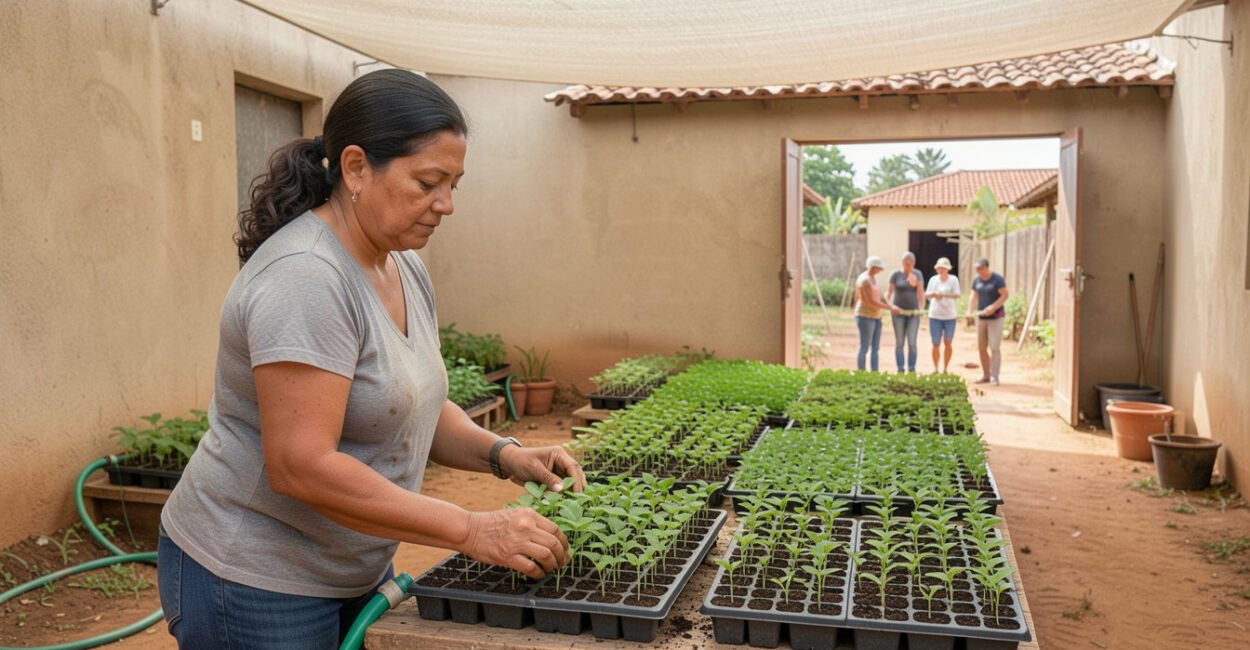
A well-planned nursery starts before the first seed is sown: the species, water supply, and purpose of the seedlings determine the space, materials, and care they’ll need.
When planning seedling production, it’s tempting to start by buying trays or putting up a cover. But the nursery’s size should come after three decisions: what you’ll grow, who it’s for, and when it will be transplanted.

This approach helps you avoid structures that are too large—or a space that’s too small to manage properly. To get started, define the purpose and species, assess the site and water supply, then choose a setup suited to the size of the batch and the care it will need early on.
Define the species and purpose before setting up
A rural nursery is a protected or organized production space for germinating seeds, growing seedlings, and preparing them for transplanting. Put simply, it’s where young plants receive controlled conditions until they’re ready to go to the field or to a buyer.
When sizing the nursery, consider the species, quantity, planting date, and how much you can manage. You can grow seedlings for your own use in smaller batches over time; selling them also means planning for demand, labeling, and applicable regulations. The number of seedlings you can care for properly matters more than the space you have available.
A family that sows vegetable seeds without coordinating production with bed preparation may end up with full trays and nowhere to transplant them. Matching sowing to the farm’s schedule cuts waiting time and reduces wasted potting mix and water.
The site depends on water access and daily routines
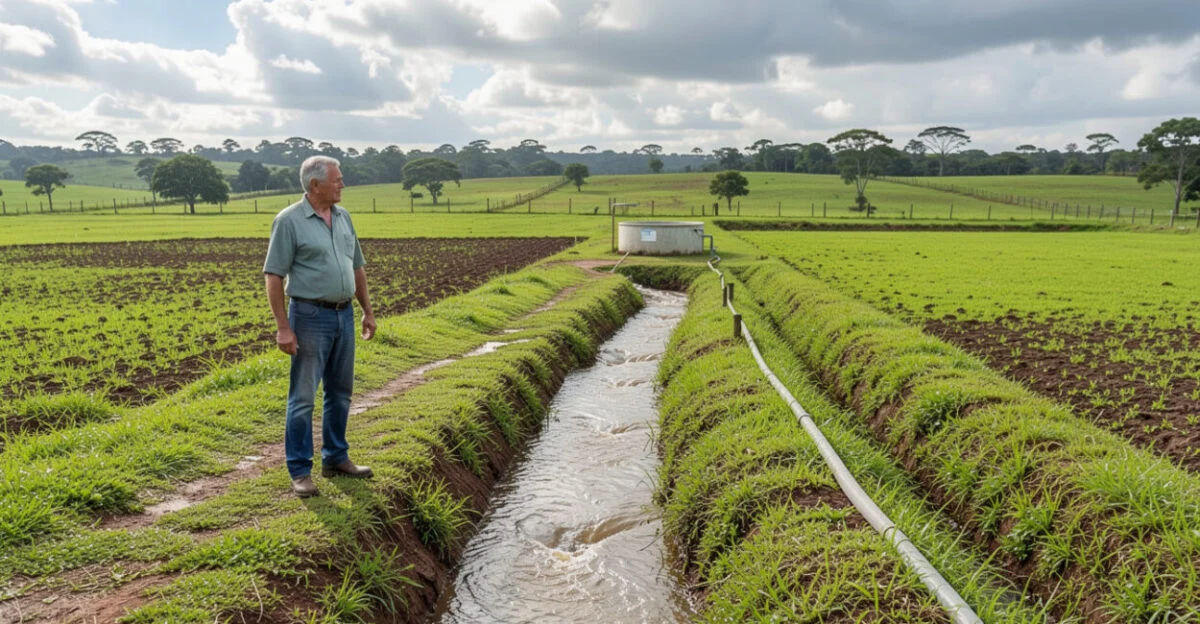
Choose a spot with convenient access to water, good drainage, and room to bring in supplies and move seedlings out. Observe how the ground behaves after rain and during dry spells. Water needs to be available when irrigation is needed, and its quality can also affect plant growth.
There’s no single ideal site for every species and region. Sunlight, wind, and shade requirements vary by crop. Before choosing a permanent location, track how much sunlight it gets and determine whether you can protect plants during the hottest hours without limiting airflow.
If you’re unsure about the species or water, seek advice from a local agricultural specialist. Resources in Embrapa’s publications library can help you find specific technical recommendations, which may vary by climate and production system.
A small setup or a larger nursery?

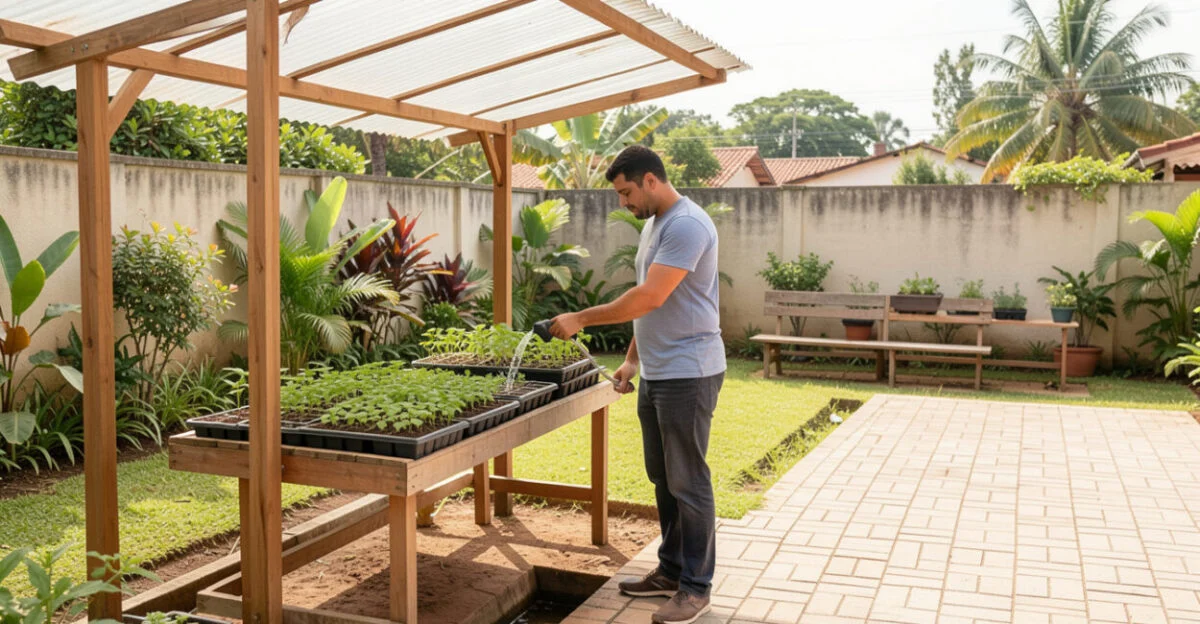
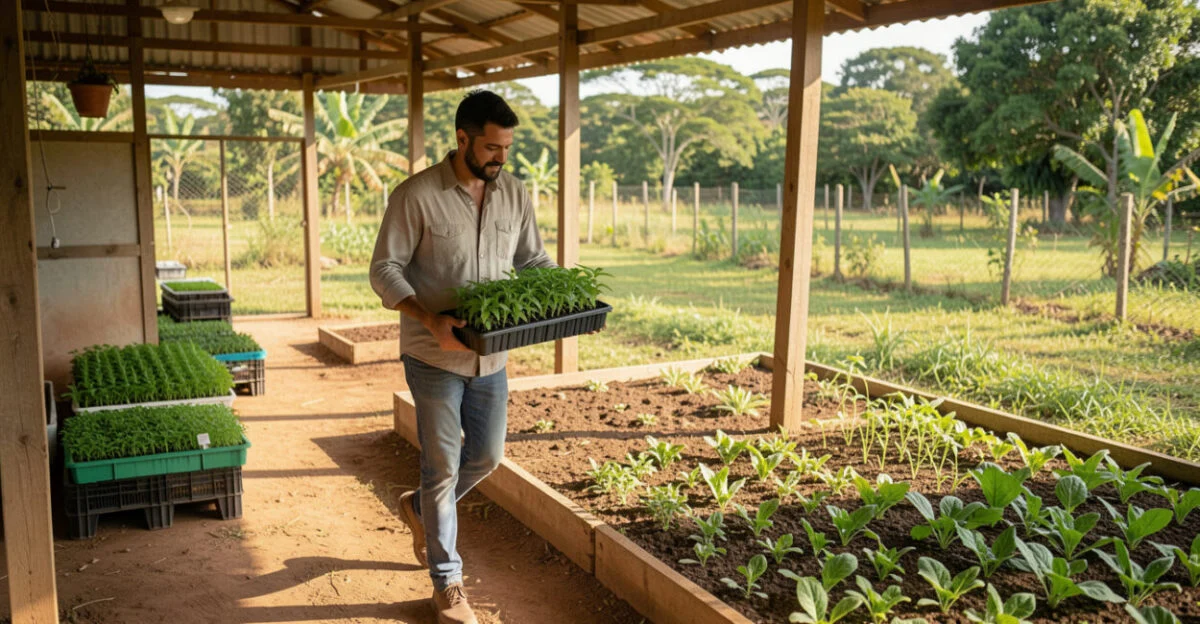
A nursery for your own use can start with a workbench, organized containers, and a simple cover, as long as it provides seedlings with suitable protection. A larger nursery may need separate areas for sowing, growing, and hardening off, as well as more room for walkways and storage.
Read also: How to Compost on a Farm
Start with the essentials: adequate protection, drainage, water access, and an organized growing area. Shade cloth, extra benches, and irrigation systems can be added as your operation grows or needs change. The setup should make it easy to inspect plants and water them without soaking everything around them.
Containers and materials vary by species
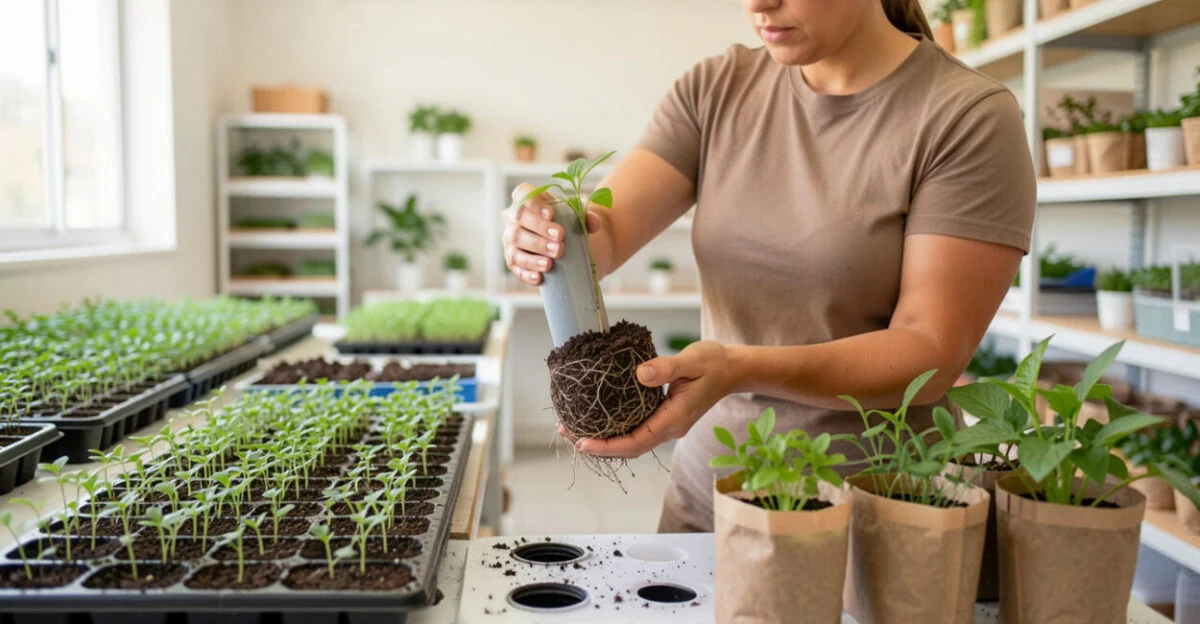
Trays, tree tubes, and bags aren’t interchangeable in every situation. The right choice depends on seedling size, time in the nursery, root type, and ease of transport.
Read also: How to Dispose of Pesticide Containers on a Farm
Option May be useful when… What to consider Tray Seedlings are small and grown together Potting mix volume and room for roots Tree tube The shape makes organization and transport easier Compatibility with the species and growing practices Bag or individual container The seedling needs more room to grow Drainage, weight, and ease of moving
Use potting mix suited to the species and clean containers with drainage holes. Technical recommendations don’t replace observation: crowded roots or mix that stays waterlogged are signs that the container or irrigation practices need to be reassessed.
Follow a sequence from sowing to transplanting
Organize production by batch and record the species, sowing date, and destination. Prepare the containers and potting mix, sow seeds at the depth recommended for the crop, maintain adequate moisture, and monitor germination. Then adjust light, irrigation, and spacing as the seedlings grow.
Before transplanting, gradually acclimate seedlings to outdoor conditions if the species requires it. Embrapa and Senar, Brazil’s National Rural Learning Service, offer technical resources to support planning. For growing recommendations, look for materials specific to the plant you’re producing.
- Decide on the species, quantity, purpose, and likely planting date.
- Check the site’s water supply, drainage, access, and protection.
- Set aside containers, potting mix, and clean tools.
- Label each batch and plan for hardening off and transport.
Common mistakes that can harm a batch
Too much water limits oxygen around the roots and can lead to plant health problems; too little can stunt growth and dry out seedlings. Check potting mix moisture and drainage instead of following a fixed schedule that ignores heat, wind, and species.
Dirty tools and containers can also spread problems from one batch to another. Clean materials before use and remove diseased plants. Another common mistake is sowing without a clear destination: seedlings may grow too large, compete for space, and need care for longer.
To organize tasks and learn about other agricultural work, reading about the day-to-day work of an agricultural technician may help you understand when to seek specialized assistance.
For your own use or for sale: check the regulations
Growing seedlings for your own farm and selling them may involve different requirements. Before selling, review current seed and seedling regulations and guidance from Brazil’s Ministry of Agriculture and Livestock on RENASEM, Brazil’s National Registry of Seeds and Seedlings. Don’t assume that rules for production for your own use also apply to commercial activity.
MAPA provides information about seeds and seedlings; confirm current requirements with the agency and seek local technical guidance. Requirements may depend on the activity and the plant material being produced.
Before buying any equipment, write down what you’ll grow, when you’ll transplant it, and how many seedlings you can manage. This list will usually show you more accurately than an initial budget what kind of nursery your farm actually needs.
Frequently asked questions
Do I need a greenhouse to grow seedlings?
Not necessarily. The setup depends on the species, climate, and level of protection needed.
What’s the best container for seedlings?
There’s no one-size-fits-all option. Consider the root system, time in the nursery, drainage, and transport.
Can I use well water?
It depends on the water quality and the species being grown. If you notice signs of salinity or other problems, get the water tested and seek technical advice before expanding production.
Do I need to register to sell seedlings?
Requirements vary depending on the activity and current regulations. Check with MAPA and confirm whether RENASEM requirements apply before selling.
Artigos Relacionados
 Strawberry Growing: How to Plant and Manage Production
 Solar Energy on the Farm: Uses and Installation Planning
 Rural Well Permitting: What to Check Before Pumping Water
 Rural Tourism: How to Create a Farm Experience
 Rural Fish Farming: How to Plan a Fish-Raising Operation
 Rural Succession: How to Prepare Your Farm for the Future
