
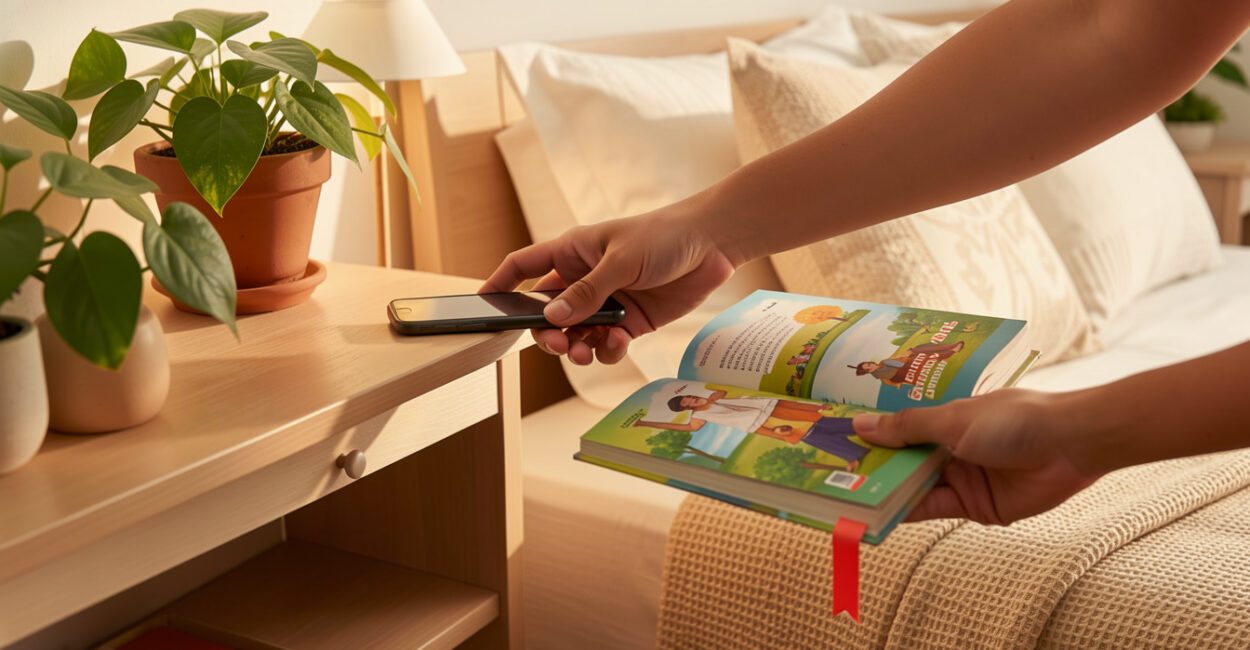
The book is on the nightstand, but the evening ends with your phone in hand and not a page read. To change that pattern, it helps less to promise yourself a reading marathon and more to choose something that sparks your curiosity, set aside a realistic time, and make it easy to get started. That way, reading can fit into your routine without depending on constant motivation.
It’s also worth letting go of the idea that there’s one right format. A print novel, an e-book on the bus, and an audiobook during a walk can all be part of your reading habits.

How to build a reading habit without relying on motivation
To build a reading habit, choose something that makes you want to keep going, pair reading with something you already do, and start with a goal small enough to fit even on busy days. Keep your book or device within reach, and adjust your plan when your routine changes. Consistency comes from removing obstacles, not from demanding a perfect reading session.
One detail that often gets in the way: choosing a time-based goal but waiting until the moment arrives to decide what to read. When a break comes, you have to find a book, pick a chapter, and ignore notifications. Leaving the book open to the right page removes some of that friction.
If starting small sounds appealing, this guide to micro-habits for making changes part of your routine can help you think of easy actions to repeat.

What a reading habit is and why it matters
A habit is a learned behavior that tends to repeat in response to a context or cue, with less need to think it through each time. When it comes to reading, that means a time, place, or preceding activity can serve as a reminder to open a book. Put simply, reading no longer depends on making a fresh decision from scratch.
The importance of reading isn’t about meeting a universal page count. Reading can expose you to new ideas, vocabulary, and perspectives; what you get out of it depends on the material, how much attention you can give it, and your goals. The benefits come from your engagement with what you read, not from a number that works for everyone.
A sustainable reading habit starts when picking up the next text becomes an easy choice within your real-life routine.
How to choose books that keep you reading

The best material to start with is something that matches your curiosity and where you are in life. If your attention span is short lately, a book with brief chapters may work better than a long novel. If you already follow a topic on podcasts, look for something related to it.
Print books, e-books, and audiobooks are all valid ways to read. Audio can be a useful option if you have a commute or other tasks that work well with listening, though it isn’t right for every situation: taking notes, rereading a passage, or looking something up may be easier with written text.
Try a low-commitment test: read a few pages or listen to a short excerpt. If it doesn’t catch your interest, try another genre, author, or format. Setting aside a book that isn’t working is a matter of choosing what to read, not a failure of discipline.

A simple plan for making reading part of your routine
Choose a cue that’s already part of your day, such as breakfast, your commute, or the minutes before bed. Then set a minimum version of the activity—for example, opening the book and reading one page. If you have the time and energy to keep going, great; if not, the small goal still keeps reading within reach.
- Set out your reading material: keep the book in your bag, by your bed, or available in an app.
- Link it to a specific moment: “I’ll read a few pages after lunch” is easier to remember than “I’ll read more.”
- Try it for a few days: see whether the time you picked works, without treating the trial period as a deadline for forming a habit.
- Adjust your goal: shorten your reading time on busy days or read longer when you’re enjoying it.
Can you read 30 pages a day? Yes, if that amount fits your pace and routine; it isn’t a requirement for building consistency. For example, someone who reads 10 pages in one sitting can reach 30 in three sittings, but the time it takes depends on the difficulty of the text, breaks, and individual reading speed. If the goal makes reading feel like a chore, make it smaller.
How to track your progress without turning reading into an obligation
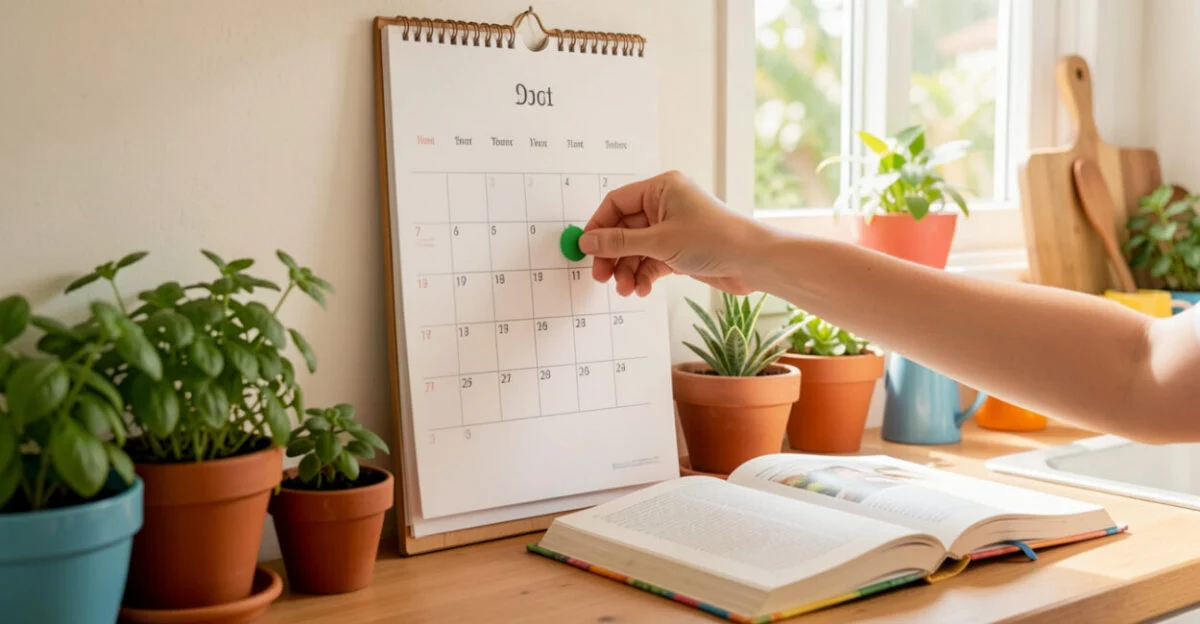
Tracking your reading can help you see what works, but the record should support your routine, not become another task. Choose a method based on what you want to keep track of: consistency, finished titles, or ideas you want to revisit.
Method
What it tracks
Who it may work for
Mark the days you read on a calendar
Frequency, without requiring a set amount
People who want to spot patterns in their routine
Note the title and start or finish date
Books and formats you’ve explored
People who like to keep a simple record
Write down one idea from each reading session
Passages or thoughts that stood out
People who read to study or reflect
If you go a few days without reading, don’t erase your record or try to “make up” for missed sessions with a marathon. Pick up again at the next available opportunity. Getting back on track when your routine changes can also be seen as a skill: adjusting your plan is different from giving up on it.
What to do when your routine changes or you lose momentum
When your routine changes, keep the cue and switch the format or time. If reading before bed has started to compete with your fatigue, try a few minutes during your commute or lunch break. If you lose track of a story, reread the last part you remember or check your notes, if you’ve taken any.
Frequent distraction, by itself, doesn’t prove that someone has ADHD. People with ADHD may have difficulty paying attention, but symptoms vary, and reading is also affected by interest, environment, sleep, and other factors. The CDC, the U.S. public health agency, provides information about the disorder and its symptoms. If persistent attention or reading difficulties are interfering with your routine, seek an evaluation from a health care professional. This article can’t diagnose the cause.
Reading in Brazil: context and barriers to building a habit
Access to books, available time, familiarity with reading, and study conditions vary among people and regions. That’s why individual recommendations alone can’t explain reading habits in Brazil. Retratos da Leitura no Brasil (Portraits of Reading in Brazil), published by Instituto Pró-Livro (Pro-Book Institute), is a national reference for tracking the issue. Check the latest edition available from the institute before using statistics, since findings and definitions may vary between editions.
UNESCO considers literacy an important skill for social participation and lifelong learning. This context helps explain why engaging with texts matters, but it doesn’t mean every adult needs to read the same kinds of books or at the same frequency. Practical access also matters.
For your next step, choose a text that already piques your curiosity, have it ready in the most convenient format, and pair reading with a moment that’s already part of your day. Then adjust the amount of time based on how it goes, without treating pages read or consecutive days as a measure of your personal worth.
Frequently asked questions
How do I choose between a print book, an e-book, and an audiobook?
Think about where and how you plan to read. Print books can make note-taking easier; e-books are convenient for carrying multiple titles; audiobooks fit moments when listening is possible and safe. If you’re unsure, try a short excerpt before deciding.
Do I have to finish every book I start?
No. You can set a book aside if it doesn’t match your interests or suit your current situation. You can also come back to it later.
Does reading on my phone count?
Yes, as long as the content is your focus. If notifications interrupt your concentration, turn on silent mode or use a reading app without alerts during your session.
How do I choose a book for someone who doesn’t read much?
Start with a subject the person already enjoys, and think about how much time they usually have. A short book, a collection of stories, or an audiobook may be more inviting than a long title chosen simply because it’s popular.
Artigos Relacionados
 A Reading Routine at Home: How to Build the Habit Without Pressure
 Reading at Home and Family Engagement: Build Routines, Choose Books, and Motivate Kids to Improve Reading Habits and School Performance
 Sleep Hygiene: Habits for Better Rest and More Energy
 Homework in Elementary School: How to Build Good Habits
 Reading Fluency: 6 Ways to Read with Better Rhythm
 Syllable Games for Dyslexia: 7 Ideas to Build Reading Skills
