
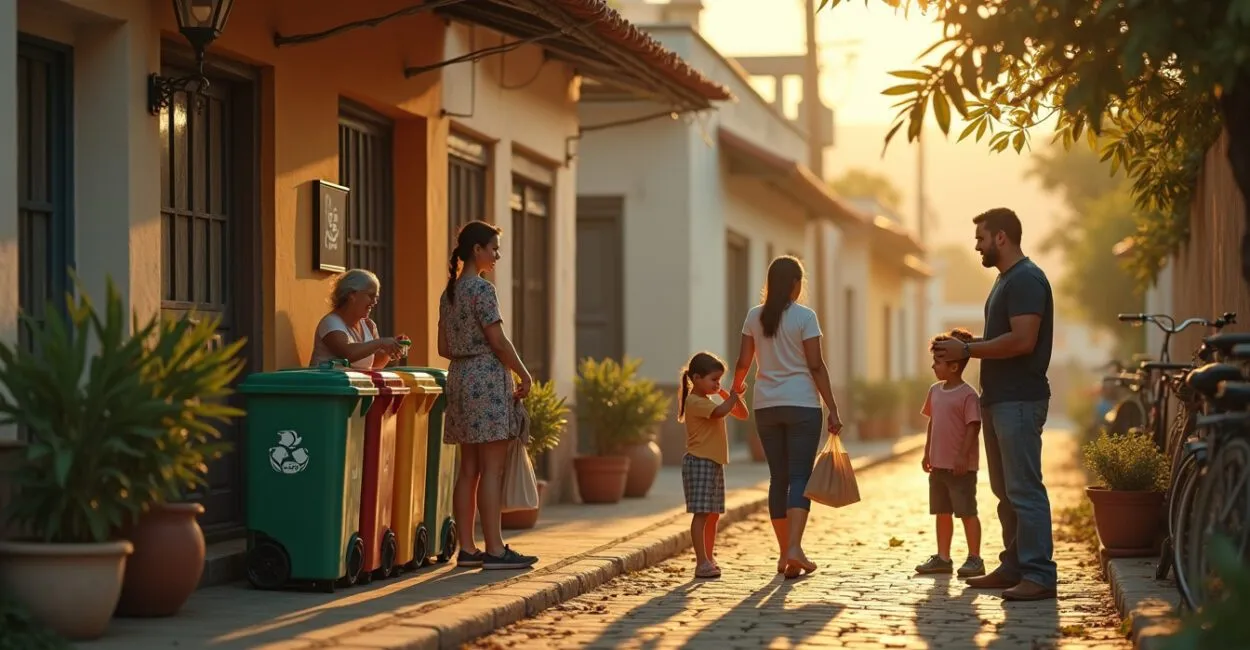
National Environmental Education Day: How to Engage Families and the Neighborhood
When the conversation moves out of the school and into the kitchen, onto the front porch, and into the local bakery, environmental education stops being talk and becomes a habit.

The turning point rarely lies with the student alone. It lies with the household that sorts its trash, the neighbor who lends out a compost bin, and the business that stops handing out plastic for no reason. That’s when how to engage families in environmental education stops being a nice idea and starts making a difference across the whole neighborhood.
If you want to bring parents, residents, and small businesses on board, the fastest way isn’t to “convince” everyone. It’s to offer the right first action, in the right place, with as little effort as possible.
What Changes When Environmental Education Leaves the Classroom
At school, the message competes with class schedules, tests, and recess. At home, it meets real trash, the water bill, and the week’s consumption. This shift is powerful because it closes the gap between talking and doing.
In practice, environmental education means changing behavior by changing the context. In other words, asking for “awareness” won’t help if a family has nowhere to sort recyclables and sees no examples in the neighborhood. That’s why how to engage families in environmental education starts with small, visible actions.
A poster in the hallway doesn’t do much. A seven-day challenge with a simple task and clear feedback, on the other hand, tends to get people much more involved. Anyone who works on community projects sees this all the time: when the action is concrete, the fear of “not knowing where to start” quickly disappears.
How to Engage Families in Environmental Education Without Relying on a Lecture
The biggest trap is thinking participation starts with a long event. It doesn’t. Participation starts with a specific invitation.
- Ask people to do one thing: collect used cooking oil, bring reusable items, or cut down on disposables.
- Explain why in plain language, without judgment.
- Show the results within a few days.
- Create a “home mission” that takes no more than 10 minutes.
In practice, the best format is one that fits into the routine of people who are already tired. If a family has to print something, fill it out, and return it, half will give up. If all they need to do is photograph their sorted recycling or track how much trash they avoided, participation goes up.
Here’s a contrast worth remembering: a lecture builds understanding; a task builds habits. And when it comes to how to engage families in environmental education, habits matter more than good intentions.
The 4 Most Effective Starting Points in the Neighborhood

You don’t have to start with a “big cause.” Start with issues people already deal with every day. They’re more likely to respond.
- Trash: sorting, composting, and properly disposing of cooking oil and batteries.
- Water: leaks, simple ways to reuse water, and cleaning without waste.
- Consumption: bags, bottles, packaging, and impulse purchases.
- Shared spaces: clean streets, well-maintained parks, and clear sidewalks.
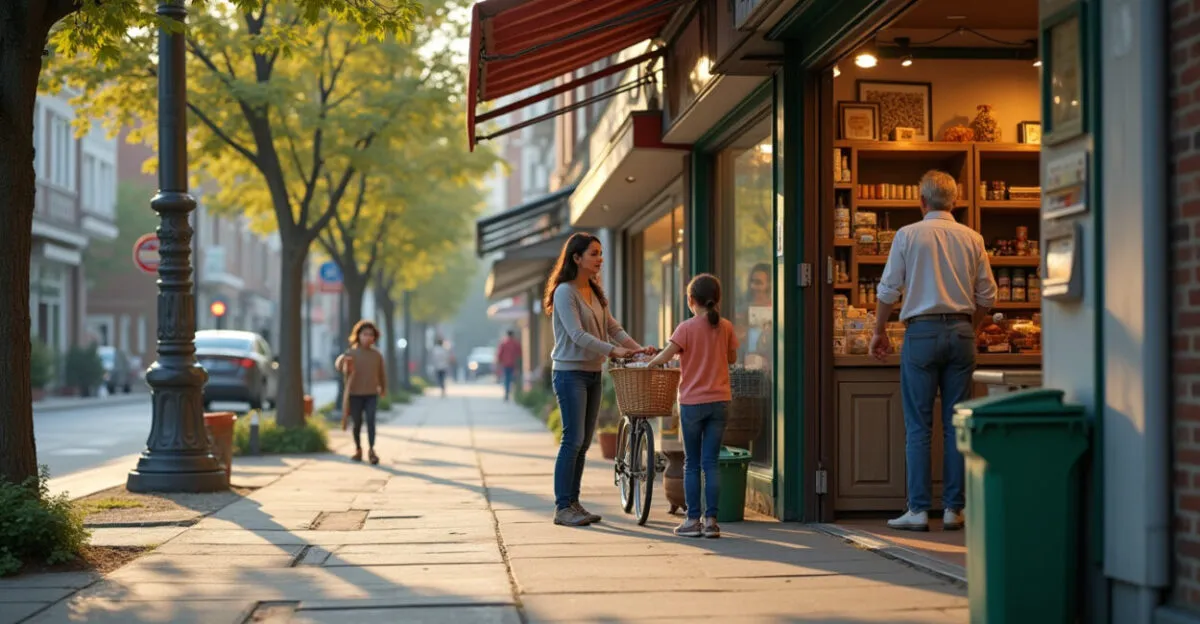
Local businesses can be quiet allies here. A bakery that offers a discount to customers who bring their own containers, a pharmacy that collects batteries, or a corner store that reminds customers to bring reusable bags all show that the neighborhood is on the same page.
Read also: Assessing the Impact of Environmental Education: Indicators That Matter
When children see consistency beyond the school, the message sticks. And when adults see practical benefits, resistance drops. That’s why how to engage families in environmental education works better through a network than in isolation.
The Mistake That Causes Good Projects to Fizzle Out
The most common mistake is asking for a major change without showing quick results. That kills enthusiasm. Another frequent misstep is treating families like an audience instead of partners.
Read also: Environmental Education at School: Mistakes That Weaken the Message
I’ve seen schools launch a great recycling campaign but never explain where to drop items off, what to sort, or how to measure the impact. The result was predictable: a month of great photos, followed by silence. By the next cycle, almost no one remembered the campaign.
To avoid that, do the opposite:
- Set a small, public goal.
- Share progress every week.
- Use visuals, not just text.
- Make it clear who does what.
This kind of planning also connects with broader data on environmental education and civic participation, as shown by the IBGE website, Brazil’s national statistics agency, which publishes surveys on habits and housing conditions. The agenda of the Ministry of the Environment and Climate Change, Brazil’s federal environmental ministry, also underscores the importance of ongoing local action.
A Neighborhood Story of Real Change
In a neighborhood served by a public school, the team started with a modest activity: each class sent home a task, and families had to choose just one environmental action per week. No pressure, no grades, no lectures.
Few people responded during the first week. In the second week, a surprise: a local grocery store decided to offer cardboard boxes to customers who walked over to shop. In the third week, two neighbors arranged to collect used cooking oil. By the end of the month, people were talking about it out front.
The turning point didn’t come from a major campaign. It came from a simple chain reaction: a child asks, an adult tries, a neighbor follows, and a business makes it easier. That’s how how to engage families in environmental education gains real momentum.
What to Ask Parents, Neighbors, and Businesses to Do Today
If your goal is to get started this week, keep it simple. Choose one action for each group and be specific.
Group
Simple request
Expected result
Families
Sort recyclables for 7 days
See how much trash the household generates
Neighbors
Share a drop-off location and a useful tip
Increase participation
Businesses
Offer an alternative to disposable items
Make sustainable behavior the norm
The secret isn’t asking people to do everything. It’s asking for the next step—and making it so clear that even people with little time can take part.
How to Measure Whether the Effort Is Making a Difference
If you don’t measure anything, every effort feels like work and none of it feels like progress. A useful way to measure how to engage families in environmental education is to look at three signs: participation, repeat participation, and growth.
- Participation: How many families tried it at least once?
- Repeat participation: How many took part again the following week?
- Growth: How many neighbors or business owners joined afterward?
This helps show whether the action has become part of local culture or still depends on the school’s push. There’s an important difference between getting started and keeping it going: not every neighborhood responds the same way, because routines, income, and infrastructure all matter.
Environmental education becomes a habit when it fits real life. Not an idealized version of it.
The Neighborhood Learns When Households Start Responding
National Environmental Education Day doesn’t have to be just another date on the calendar. It can be the day the school, families, and local businesses realize that each small change reduces waste and strengthens a sense of belonging.
The neighborhood changes when making less pollution becomes easier than polluting out of habit. This is the kind of transformation no one sees all at once—but everyone feels over time.
How Can You Engage Families Who Say They Don’t Have Time?
Start with actions that take 5 to 10 minutes and have visible results. Busy families won’t respond to a long project; they’re more likely to take on a simple, clear task with no red tape. Usually, what gets in the way isn’t a lack of interest but too many steps. If the activity fits into dinnertime or a trip to the local store, participation is much more likely.
Is It Better to Focus on Recycling or Conscious Consumption?
The two go hand in hand, but recycling is usually the easier entry point. Conscious consumption goes deeper, but it requires changing habits and having more conversations. If the goal is to get people involved quickly, starting with proper disposal tends to work best. Then you can expand to shopping, reuse, and waste reduction.
How Can You Involve Local Businesses Without Making It Feel Like a Demand?
It works best when businesses gain visibility and convenience, not just a sense of responsibility. Suggest simple actions: accept reusable containers, collect batteries, reduce packaging, or share drop-off locations. If business owners see that the initiative improves their image and brings them closer to customers, they’re more likely to join willingly. Pressure creates resistance; partnership builds lasting involvement.
What Should You Do When Parents Participate at First and Then Disappear?
It happens often. Usually, the first activity was good, but there was no follow-up, surprise, or new challenge. Keep things fresh with short prompts: share the week’s results, a neighborhood photo, a new goal, or public recognition. Without something new, the project fades into the background and loses momentum. Small wins help keep it alive.
What’s the Most Effective First Step for a School?
Choose a real issue in the area, such as litter on the street, disposable items, or used cooking oil disposal. Then turn it into a simple household challenge that’s easy to track. When a school focuses on a problem the neighborhood actually faces, families immediately understand why the action matters. That’s when environmental education stops being just content and becomes a shared practice.
Artigos Relacionados
 Environmental Education Projects: 7 Ideas for National Day
 National Environmental Education Day: 5 School Actions That Work
 Environmental Education in Elementary School: Activities That Work
 Environmental Education in Elementary School: Hands-On Activities
 Environmental Activities for Early Childhood Education
 Green Technology: 5 Apps and Gadgets for Environmental Education
