
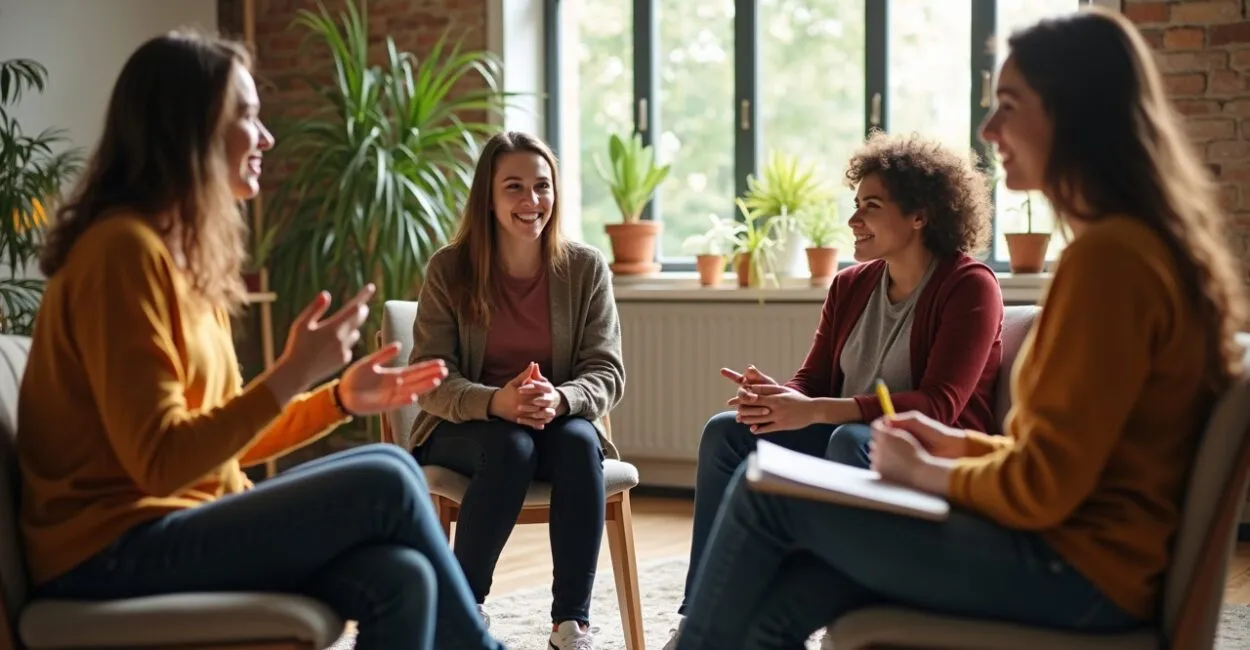
A student who learns to wait their turn in a discussion is also practicing attention, language, and how to get along with others. Social-emotional skills and students’ whole-child development come together when schools turn everyday situations into opportunities to recognize emotions, make decisions, and take part in learning.

These skills can be taught and practiced starting in early childhood, with activities suited to students’ ages and circumstances. This work is more consistent when it is part of lessons and school relationships, involves families, and respects the limits of educators’ roles in mental health.
Before you begin
- Identify an observable need, such as handling disagreements during group work.
- Choose a related skill, such as active listening or self-regulation.
- Consider students’ ages, language, culture, disabilities, and experiences.
- Agree on how the team will track progress without labeling students.
What are social-emotional skills, and how do they support students’ whole-child development?
Social-emotional skills are abilities used to recognize and regulate emotions, understand other perspectives, build relationships, and make responsible decisions. In students’ whole-child development, these skills connect with cognitive, physical, social, and cultural dimensions, influencing participation at school and how students approach challenges.
Put simply, they help students learn about themselves and with others.
There is no universal list that organizes these skills in the same way across all frameworks. Brazil’s National Common Core Curriculum (BNCC), for example, integrates general competencies such as self-knowledge, empathy, cooperation, communication, and responsibility. The CASEL model groups skills into areas such as self-awareness, self-management, social awareness, relationship skills, and responsible decision-making. These frameworks guide planning; they are not tools for diagnosing each student’s personality.
Whole-child development also depends on access to knowledge, safety, a sense of belonging, and the material resources needed to learn. A one-off social-emotional activity cannot make up for violence, discrimination, or a lack of support.
Brazil’s National Common Core Curriculum offers a starting point for integrating this learning into the curriculum.
How social-emotional skills relate to learning and getting along
These connections show up in everyday tasks. Planning steps helps students organize their work; asking for clarification helps them return to an activity; and listening to classmates makes it possible to develop a group response. These practices can support student engagement, but they do not, by themselves, guarantee better grades or an end to conflicts.
A skill can look different depending on the situation. A child may express frustration during a game and still need support to do the same during a test. That is why observing behavior in different settings is more informative than concluding that someone is “out of control” based on a single incident.
Social-emotional skills grow when students can practice them in real tasks, get guidance, and try again.
How to distinguish social-emotional learning from mental health

Social-emotional learning is an educational approach that teaches skills and creates opportunities to practice getting along, reflecting, and making decisions. Mental health involves psychological well-being and may require specialized care when a student experiences ongoing distress or a disruption to daily life. The two areas are related, but they have different goals and responsibilities.
Teachers can offer support, listen without judgment, notice changes, and follow school protocols. Diagnosing disorders or providing treatment is not part of a teacher’s role. If a student’s distress persists, worsens, or interferes with participation or safety, the school should speak with the family and seek appropriate health services. In situations involving immediate risk, local safety protocols should be followed.
Read also: Social-Emotional Skills: 10 Practical Activities
The official website of Brazil’s Ministry of Health provides health information and guidance. Each case needs its own assessment; signs noticed at school can help guide referrals, but they are not enough to determine a clinical condition.
How to develop social-emotional skills in the classroom
Teaching works best when a skill is tied to a concrete situation and revisited over time. A lesson on cooperation, for example, should include opportunities to share responsibilities, make decisions together, and reflect on how the group worked.
- Name the goal: Explain the skill in accessible language, such as “wait your turn so everyone can contribute.”
- Model the behavior: Show how to disagree with an idea without attacking the person who shared it.
- Plan a real-world practice: Assign a partner or group task that depends on listening and negotiation.
- Give specific feedback: Describe the action you observed and suggest a next step without defining the student by that action.
- Reflect on the experience: Invite the class to identify what helped with the task and what they might change next time.
A recurring issue with group activities: assigning roles can help at first, but it may leave one student always responsible for organizing everything while another never gets a voice. Tracking who makes decisions, who speaks, and who does the work makes it possible to adjust roles instead of judging cooperation solely by the final product.
How to resolve conflicts and address student resistance
When a conflict arises, first stop any immediate risk and give the people involved space to calm down. Then, with an educator’s support, each person can describe what happened, explain its impact, and help reach a workable agreement. Any steps to make amends should be proportionate and safe; forcing an apology does not guarantee understanding or restore trust.
Some students may also make fun of discussion circles or activities about emotions. Requiring them to share personal information often increases resistance. Start with fictional cases, situations from books, or dilemmas related to the subject. Let students contribute without sharing private experiences, and set clear expectations against ridicule.
If students continue to resist, consider what the activity communicates to that class. They may fear being judged, the activity may not suit their age, or they may lack trust in their classmates. Teachers can change the format while keeping the educational goal, without turning participation into a public confession.
How to involve educators, families, and different age groups
This work is shared. Schools plan learning opportunities and support a positive school climate; educators model ways to communicate; and families can reinforce listening and independence at home. Aligning expectations helps, but it does not require everyone to use the same words or follow the same routines.
There is no single age to begin: these skills can be encouraged from early childhood, with increasing complexity over time. Young children learn through play, naming emotions, and taking turns speaking. In middle and high school, there is more room for analyzing dilemmas, peer influence, privacy, and decisions with broader consequences.
To guide conversations with caregivers, UNICEF Brazil offers resources on the rights and protection of children and adolescents. Schools should also consider cultural differences, accessibility needs, and students’ life experiences. The same approach may make some students feel supported and leave others feeling uncomfortable.
How to track progress and adjust implementation
Assessments of students’ social-emotional skills should track behavior in context, describe progress, and guide instructional decisions. They should not turn personality traits into grades or labels. To identify progress, compare observations from different times and situations without assuming that a skill looks the same for everyone.
- Record specific actions, such as suggesting how to divide tasks or asking for help before giving up on an activity.
- Use brief self-assessments with questions about which strategies worked and which situations are still difficult.
- Gather evidence from more than one source, such as teacher observations, classwork, and students’ own accounts.
A class may show progress by revisiting disagreements with fewer interruptions and reaching agreements with broader participation. Still, teachers should check whether everyone had a voice and whether the change carries over to other settings. If the record becomes just a “good behavior” grade, it loses its usefulness and may penalize differences in temperament, communication, or support needs.
Common mistakes and first steps
Limited time, staff resistance, and few resources can make implementation difficult. Instead of creating a comprehensive program right away, a school can choose a recurring situation and build in a skill to practice. For example, a class that struggles to discuss texts can try listening rules and turn-taking during a few lessons.
Avoid activities disconnected from the curriculum, requiring students to share private experiences, and expecting complex problems to change quickly. Development depends on opportunities to practice, consistency among adults, and the conditions the school provides. Some challenges require institutional changes or specialized support, not just one more classroom activity.
Choose a skill, describe the behavior you want to observe, and agree on a simple way for the team to track it. Then review the plan with students and families: a small plan, evaluated honestly, creates better conditions for adjusting the next step.
How can we start without turning the activity into therapy?
Focus on skills related to learning and getting along, such as listening, cooperation, and decision-making. Do not pressure students to share personal experiences; if distress persists, follow school protocols and seek specialized support.
How can we tell whether a social-emotional activity is age-appropriate?
Notice whether students understand the activity, can take part without being put on the spot, and can connect the practice to situations they encounter. Adjust the language, length, and format to the class’s needs, including accessibility resources.
Should schools grade social-emotional skills?
Simple grades can confuse a developing skill with a fixed student trait. Descriptive records and self-assessments are often more useful for guiding instruction, as long as they are not used to label or punish students.
Artigos Relacionados
 Social-Emotional Learning in Schools: Transforming Learning and Whole-Child Development
 Social-Emotional Skills: Effective Practices in Whole-Child Education Today
 Building Healthy Relationships: Effective Strategies to Foster Positive Social-Emotional Development at School and Home
 A Guide to Early Childhood Education: Best Practices, Play-Based Activities, and Innovative Approaches to Whole-Child Development
 Parents and Social-Emotional Development: How to Support Children
 Social-Emotional Development for Schools
