

Education quotes help express ideas about learning, teaching, school, and personal development in posts, tributes, and educational materials. The best ones are clear, suit their audience, and say something specific—whether about children’s curiosity, teachers’ work, or the school’s role in the community. Below, you’ll find options organized by theme, along with tips for choosing and using each quote. There are suggestions for early childhood education, school life, and social change, as well as reflections associated with Paulo Freire, Augusto Cury, and Rubem Alves. When attribution matters, check the source before publishing.
The essentials
- Education quotes can sum up ideas about learning, independence, and getting along with others.
- For a caption or tribute, choose words that fit the occasion and the people who will read them.
- In educational materials, connect the quote to everyday life and the activity’s purpose.
- Paulo Freire, Augusto Cury, and Rubem Alves approach education from different perspectives.
- A good choice takes the audience, context, and purpose of the message into account.
What quotes about education reveal about learning and teaching
Education quotes are short statements that express educational, ethical, or emotional ideas about teaching and learning. They can inspire, pay tribute, offer guidance, or prompt reflection in a brief message.

A carefully chosen quote can tie together a school poster, a social media post, or a speech at a ceremony. To make the right choice, consider the specific situation: a message welcoming students at the start of the school year calls for different words than a tribute to teachers. Connecting the quote to its context helps avoid a vague message.
Public discussions about learning and staying in school also help us understand the reach of these ideas. UNESCO’s work on education highlights issues such as access, participation, and equity, which can guide the choice of messages about the role of schools.
A quote can decorate a space or help express an educational purpose. Its context determines what it communicates.
This same care matters in practical classroom materials, such as content about educational games in elementary school, where language should motivate without talking down to students or sacrificing clarity.
Education quotes to reflect on and share
For posts, captions, and tributes
- Education opens doors to new discoveries.
- Teaching means sharing knowledge and building connections.
- Learning expands the choices we can make.
- People who learn to think take an active role in their own journey.
- Education brings ideas, people, and possibilities together.
These quotes are brief and express a central idea without needing a lengthy explanation. For occasions such as Teacher Appreciation Week, graduations, or the first day of school, choose words that recognize dedication, learning, and growth—not just outcomes.
When to use more thought-provoking quotes
Thought-provoking quotes work well in tributes, presentations, and institutional publications. In school campaigns, a specific message can invite participation more clearly. For example, a quote about listening or collaboration may speak directly to a teaching team’s day-to-day work.
Learning involves interpreting the world, connecting ideas, and asking new questions.
Before publishing, make sure the quote relates to the topic. If it could appear unchanged in any situation, it may need to be more specific. A reference to learning, community, or personal development can bring it closer to the message’s purpose.
Early childhood education quotes that resonate with children and adults

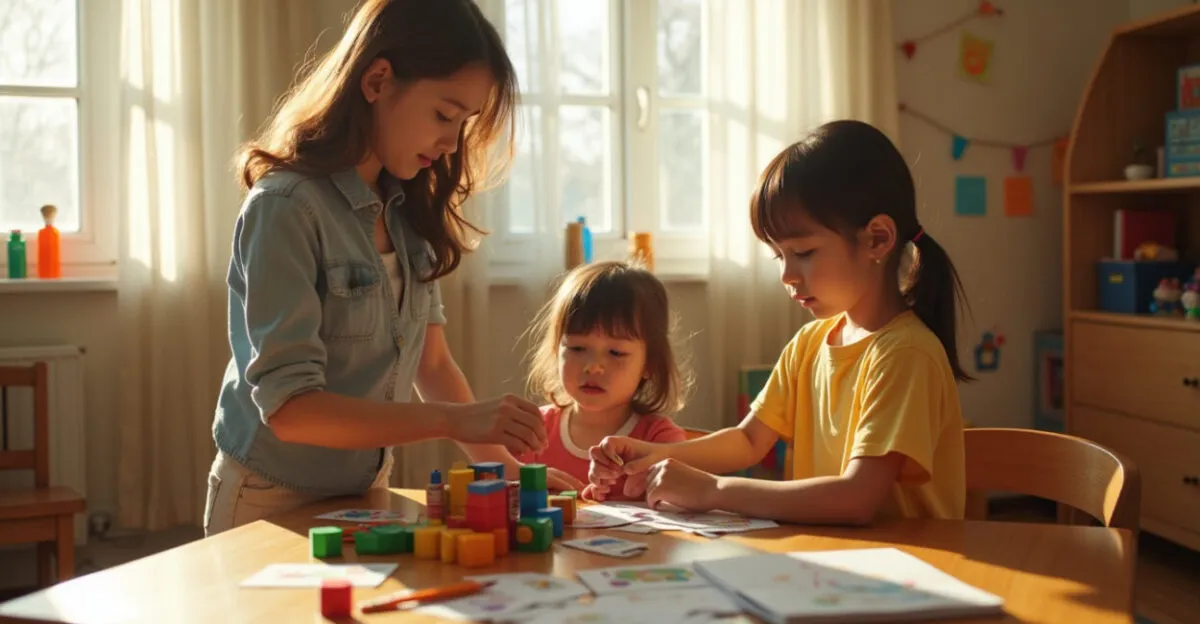
Early childhood education quotes should be warm, gentle, and easy for both children and adults to understand. Play, discovery, feeling safe, and learning at one’s own pace are themes that connect a message to children’s experiences. Young children may have trouble relating to abstract or moralizing messages. Quotes about discovery, affection, movement, and connection are often more accessible. For materials intended for families, this language can also encourage conversations between home and school.
- Creating is a way to learn.
- Play helps us discover the world.
- Every child learns at their own pace.
- Affection is part of the learning process.
- Educating a child means being there for their discoveries.
If you’re planning activities for young children, connect the message to practical ideas, such as those in the article about educational games for teaching literacy. That way, the quote accompanies an activity the class can experience firsthand. The emotional climate matters, too. When children feel unsure or have trouble with their routine, a short, reassuring message may work better than a long text. Choose words that suit the situation and the children’s age group.
Quotes about school and learning for everyday teaching
Quotes about school resonate when they relate to routines, effort, community, and shared growth. Schools are places for learning, socializing, exploring, and developing a range of skills. These quotes can appear on bulletin boards, in planners, newsletters, meetings, and official school posts. A short message can be powerful when it expresses an idea precisely and connects to everyday school life.
Context
Effective tone
Example
First day of school
Encouraging and welcoming
“Learning means starting over with curiosity.”
School bulletin board
Short and visual
“Here, every question opens a path.”
Teaching team meeting
Professional and personable
“Teaching takes preparation, listening, and presence.”
Project caption
Inspiring and practical
“Learning also means trying things out and sharing.”
For example, when opening a meeting after a week of helping first graders settle in, the team might choose a quote about welcoming students and respecting the process. Referring to the situation helps participants recognize the theme and connect it to their work.
Read also: Entrepreneurship for Kids: Early Childhood Education Activities
For ideas on connecting communication with everyday school life, articles about school motivation and children’s reading offer ways to link language, routines, and practical support.
Education quotes about transforming lives and communities
Quotes about education as a force for change can address independence, civic participation, and expanded opportunities. They express how learning helps people interpret the world and take part in their communities.
This topic is also tied to public policy and the practical conditions that make access to education and staying in school possible. Data and reports from Inep, Brazil’s National Institute for Educational Studies and Research, and IBGE, Brazil’s national statistics agency, help put discussions about education in context. When using a quote in informational materials, check the specific data that supports the message.
Read also: AI in Education: The Mistake Students and Teachers Make Most Often
- Education expands opportunities when learners have the conditions they need to learn.
- A welcoming school can strengthen individual and shared journeys.
- Learning to read the world is part of learning.
- Taking part in their own learning helps students shape their path.
- Investing in education means caring for the possibilities available to future generations.
Education supports independence when it expands knowledge and opportunities to participate.
Tailor the message to the occasion. A quote about transformation may suit a ceremony, while an idea connected to familiar discoveries is likely to be clearer for young children.
Paulo Freire quotes about education that still resonate
Paulo Freire quotes about education remain popular because his work addresses dialogue, independence, and critical awareness. His ideas also influence discussions about education and teaching practices in Brazil.
One statement often associated with Freire is: “Education doesn’t change the world. Education changes people. People change the world.” It connects personal development with social action, a perspective found in many discussions of the educator’s work.
In Pedagogy of Autonomy, Freire explores topics such as respecting students’ knowledge, curiosity, and consistency between words and actions. These ideas can help you choose quotes that speak to the real experience of teaching and learning.
To explore the subject further, consult the author’s own works and academic studies on Paulo Freire, critical pedagogy, and teaching practices. This research can help you identify the context of a quote and avoid using attributions that lack a verifiable source.
Quotes attributed to Paulo Freire: use with care
- Education changes people; people change the world.
- Teaching is not transferring knowledge, but creating possibilities for its production.
- Those who teach learn by teaching, and those who learn teach by learning.
- Reading the world comes before reading the word.
Some quotes attributed to Freire circulate online without a clear reference. For institutional materials, school assignments, or publications that identify the author, check the work and edition you’re consulting before using the quote.
Augusto Cury and Rubem Alves quotes about education
Augusto Cury quotes about education and Rubem Alves quotes about education appear in messages for families, teachers, and students. The authors take different approaches to education, so your choice depends on the topic and tone you want.
Augusto Cury writes about emotions, memory, and mental well-being. Rubem Alves uses more poetic language to explore curiosity, the desire to learn, and human connections. Their reflections can appear in tributes and school materials, as long as the quote is put in context.
Quotes attributed to Augusto Cury are often associated with topics such as self-esteem, emotions, and relationships. When choosing a quote, consult the relevant work to confirm the wording and attribution.
Rubem Alves quotes about education often focus on wonder and the desire to learn. His writing can help shape thoughtful messages about curiosity and the school experience.
- Augusto Cury’s work may suit messages about emotions, attention, and human relationships.
- Rubem Alves is a good fit for tributes and more poetic writing.
- In both cases, check the attribution and context before reproducing a quote.
The style should also suit the intended use. A poetic quote may work well in a tribute, while a formal announcement may call for a more direct message. Consider your audience and purpose before choosing.
How to choose the right quote for each purpose
Start with the message’s purpose. To inspire, look for an idea that’s easy to understand; to pay tribute, emphasize warmth and recognition; for an educational activity, choose a quote related to the content or the class’s experience.
Practical tips for choosing well
- Define your audience: children, families, teachers, school staff, or the general public.
- Choose a tone: thoughtful, warm, professional, encouraging, or critical.
- Consider the context: bulletin board, post, presentation, school assignment, or tribute.
- Keep it clear: grand statements can feel out of place when they don’t suit the occasion.
- Check the attribution: verify the source before linking a quote to a well-known author.
For social media, keep quick reading and visual presentation in mind. For a school assignment, look for a quote with a known author and a clear connection to the topic. For an educational project, pair the message with an activity, such as printable or digital educational games and activities about emotional resilience in children.
The right quote serves a purpose in its chosen context. When it communicates a relevant idea and is presented well, it can help people connect with the topic and guide communication.
Next steps for using quotes more purposefully
Choose quotes based on the occasion, audience, and purpose. Instead of collecting quotes at random, organize them by topic: reflection, early childhood education, school life, social change, and authors. This makes it easier to find the right message for each occasion.
Before publishing, read the quote aloud and make sure it fits the available space. Also check that it matches the main message and that its attribution is confirmed, if applicable. If the wording feels generic, look for something closer to the situation you want to describe.
Frequently asked questions about education quotes
What are the best education quotes for posts and captions?
The best quotes for posts and captions are short, clear, and related to the post’s content. Messages about learning, getting along with others, and opportunity can work well, as long as they suit the audience and the poster’s tone. If the quote is by a well-known author, check the source before attributing it.
Which early childhood education quotes are most inspiring?
Quotes that value play, affection, curiosity, and different learning styles are often a good fit for early childhood education. Choose simple, welcoming language that makes sense to children and to the adults who support their development.
What are Paulo Freire’s best-known quotes about education?
Among the best known are the statement that education changes people and people change the world, and the idea that teaching is not transferring knowledge but creating possibilities for producing it. Since many quotes circulate without a reference, consult the original work before using one in public materials.
Which Augusto Cury and Rubem Alves quotes discuss education?
Augusto Cury is often associated with reflections on emotions, the mind, and human development. Rubem Alves explores the desire to learn, curiosity, and connection to school in poetic language. Before reproducing a quote, confirm its wording and attribution in the relevant work.
How can I use education quotes in a school setting without sounding generic?
Connect the quote to the message’s specific purpose. For a bulletin board, choose something short and easy to read; for a teaching team meeting, look for an idea tied to the team’s routine; for a school assignment, use a quote with confirmed attribution and a clear connection to the topic. Referring to the situation makes the message more specific.
Artigos Relacionados
 Water and Energy Conservation: Hands-On Projects for Kids
 Financial Education in Schools: Real-World Results
 5 Teaching Methods That Work for Financial Education
 Activities About Jobs in Early Childhood Education
 Neuroscience in Early Childhood Education: How Children’s Brains Learn and How to Apply This Knowledge to Maximize Learning
 Active Learning Methods for Practical Entrepreneurship Education
