

One child makes a mistake while writing a letter, crumples the paper, and declares they’ll never try again. Another loses a game and cries as if the whole world had ended.
Emotional resilience in children develops in moments like these: it’s the ability to move through discomfort, regain a sense of balance with support, and reengage with life.

This learning starts early, through relationships with adults who welcome feelings and maintain clear boundaries. With simple actions, caregivers can help children recognize what they’re feeling and face age-appropriate frustrations without being expected to hide their tears or solve everything on their own.
In a nutshell
- Resilience involves adapting to stress and recovering with support; it doesn’t require a child to always be calm.
- It can be taught from the earliest years by tailoring conversations and expectations to a child’s development.
- During a tantrum, acknowledge the emotion, stop any behavior that could hurt someone, and talk about alternatives once the child is calmer.
- Before deciding whether to seek a professional evaluation, consider how often difficulties occur, how intense they are, and how much they affect daily life.
What Is Emotional Resilience in Children?
Emotional resilience is the ability to adapt to adversity and recover after a stressful situation, using the resources and support available. For a child, this might mean feeling sad after losing, accepting help to calm down, and later returning to play or trying again. The process varies with age, temperament, and circumstances. Suppressing emotions is different: a child may stop expressing feelings out of fear of being scolded or disappointing an adult, without having learned how to cope with them. A resilient child may cry, feel angry, or ask to be held. Over time, they learn to recognize these feelings, communicate them, and choose a safer response.
Self-regulation—the ability to manage emotions and behaviors—develops over time. At first, children rely more on an adult’s presence to regain their composure. Stable, supportive relationships help build this foundation, as explained by the Center on the Developing Child at Harvard University in its discussion of factors associated with resilience.
Why Building This Ability Early Makes a Difference
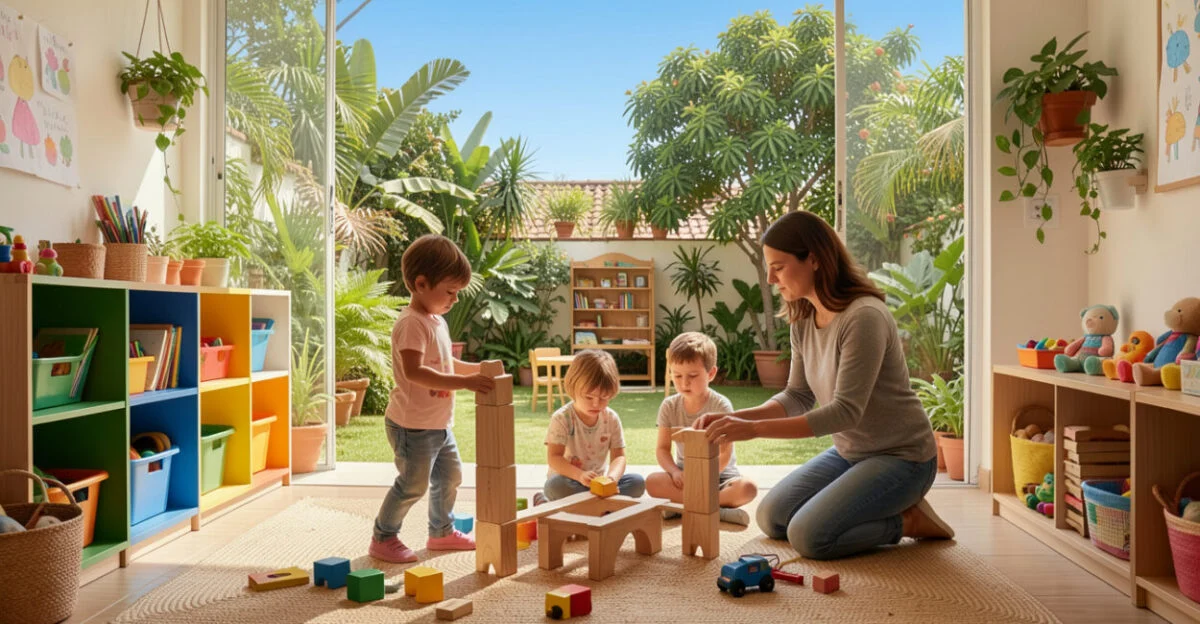
Childhood offers plenty of opportunities to practice handling waits, changes, and conflicts. With consistent support, children can expand their emotional vocabulary and try strategies for calming down, asking for help, or returning to a task. This can support their participation at school and in friendships, though it doesn’t guarantee they’ll never face difficulties.
The benefit doesn’t come from avoiding all discomfort. When an adult solves every problem before a child can try, the child loses opportunities to practice. When expectations are too high, mistakes can feel threatening. The right balance depends on the moment: offer a manageable challenge and stay available in case the child needs support.
Children’s emotional development also unfolds during transitions and changes to their routines. Learning to read and write, for example, can bring both excitement and insecurity. The World Health Organization’s Nurturing Care Framework highlights the importance of responsive care and learning opportunities from early childhood.

Signs a Child Is Developing Resilience

Progress shows up in small steps, not in a permanent absence of tantrums or sadness. A child may still need help coping with a loss but start accepting comfort, explaining what upset them, or returning to play after a break.
- Can communicate a need with words, gestures, or another age-appropriate method.
- Accepts help to calm down, even if they can’t yet do it without an adult.
- After a setback, returns to an activity or considers an alternative.
- Starts tolerating brief waits, mistakes, or changes with less distress than before.
One behavior alone doesn’t define a child’s emotional health. What matters is noticing patterns over time and across different settings, and considering whether the child has adults they feel safe with. A child may have more difficulty at home after holding in emotions at school; context helps interpret what’s happening.
Read also: The Family’s Role in Helping Children Learn to Read and Write
How to Build Emotional Resilience in Children
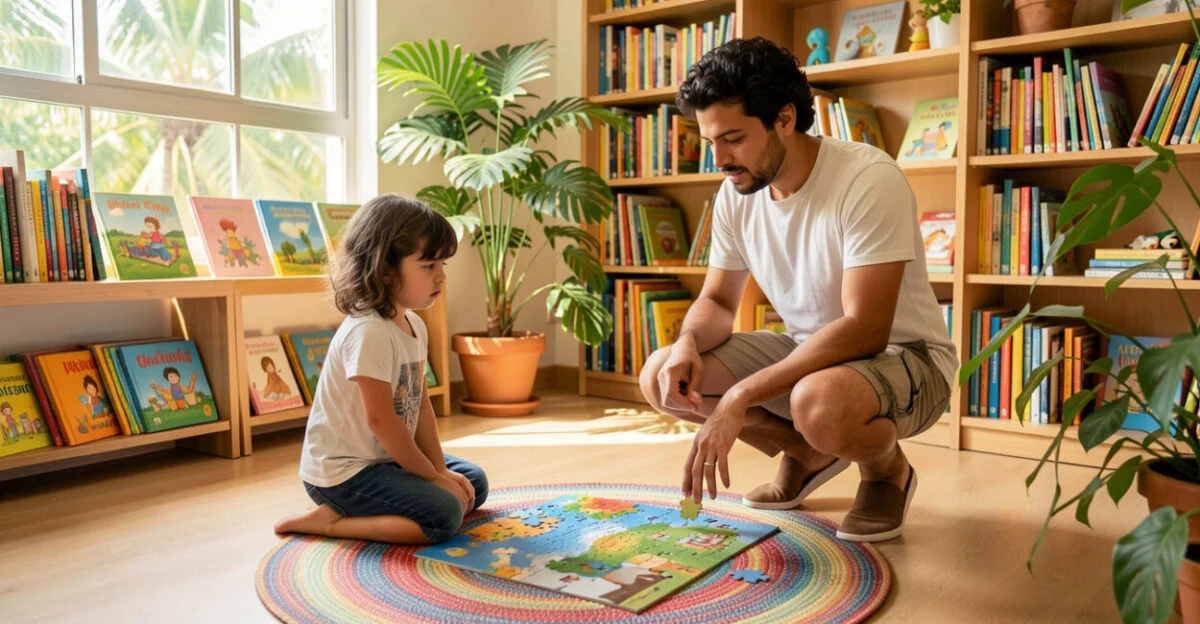
To teach children resilience, start by acknowledging the emotion while maintaining a safety boundary. For example, say, “You’re frustrated because you wanted to keep playing. I won’t let you hit. I’ll stay here while you calm down.” Validating a feeling doesn’t mean allowing any behavior; it gives the child a clear message about what they’re feeling and what they can do.
During a frustration-driven tantrum, use fewer words while the child is very upset. First, move away anything that could cause injury and offer a calm presence. Talking about what happened and what to do next time usually works better once the child is ready to listen. If this happens often, also consider sleep, hunger, transitions, and demands that may exceed what the child can manage.
- Name what you notice: “You seem disappointed that the tower fell.” Don’t insist on a feeling; ask if the child would describe it differently.
- Offer gradual challenges: Let the child try to zip a jacket or complete part of a task before stepping in. If they become overwhelmed, break the task into smaller steps.
- Show how to make things right: Adults make mistakes too. Saying, “I raised my voice; I’ll try again calmly,” teaches that a reaction can be reconsidered.
- Acknowledge the process: Comment on the effort and strategy, such as “You took a breath and asked for help,” rather than praising only the result.
- Prepare for transitions: Give advance notice that playtime is almost over, and keep a predictable schedule for important activities.
Stories can also open up conversations without making the child feel singled out for correction. While reading a book or making up a story, ask what the character could do after making a mistake. UNICEF’s guidance on helping children cope with intense emotions offers tips for supporting them through these moments.
Read also: Water Activities: Teach Sustainability Through Play
During a writing task, a child might crumple the paper after making a mistake while writing a letter. An adult can acknowledge the frustration, offer a short break, and ask whether the child would rather try again or get help with the first stroke. This way, learning to write comes to mean more than always getting it right; it also includes returning to the task.
A child learns to cope with frustration when they have room to feel, boundaries that keep them safe, and support to try again.

Common Mistakes That Can Hinder Emotional Development
Solving every problem right away may seem caring, but it takes away a child’s chance to try a solution they can manage. Instead of finishing the activity for them, offer help in stages: start with a hint, then stay alongside them, and provide more direct support if needed. The challenge should match the child’s age and developing skills.
Dismissing feelings can also get in the way. Phrases like “It’s nothing” or “Stop crying” don’t explain how to cope with disappointment; they may teach a child that showing it is something to be ashamed of. You can acknowledge the feeling without giving in to the demand: “I understand you wanted more time. Playtime is over for today.”
Expecting constant self-control ignores the fact that self-regulation is still developing. If a child faces intense pressure to get things right or please others, they may avoid difficult tasks for fear of failing. Simple guidance, such as phrases for asking for help, works better than expecting them to control themselves without showing them how. A few encouraging phrases can help when they recognize genuine effort without promising that everything will work out.
Simple Everyday Activities to Practice
The ideas below are starting points, not a one-size-fits-all formula. Choose one at a time and adjust the difficulty: if an activity increases tension instead of offering a chance to practice, simplify it or take a break.
Activity Skill practiced Example Emotions traffic light Noticing the intensity of a feeling and choosing to pause Using red, yellow, and green drawings, the child points to how they feel and chooses to breathe, ask to be held, or talk. Turn-taking game Waiting and coping with different outcomes With a building toy or a board game, practice waiting for a turn and ending the game without changing the rules to prevent every frustration. Plan for a small challenge Problem-solving and asking for help Before trying to tie their shoelaces, the child chooses whether to try alone, get a hint, or do it together. Movement with a pause Noticing body cues and regaining calm After dancing or doing other physical activities, pause for a moment and notice your breathing together.
For young children, choose short games and concrete instructions. Older children can help choose strategies and talk about what helped after a conflict. Ideas for activities and a conversation about the theory of emotional intelligence can inspire adaptations, as long as the experience respects the child’s interests and pace.
When to Seek Professional Help
Consider consulting a child psychologist when difficulties persist, are intense, or interfere with daily routines, relationships, and activities the child used to be able to take part in. It’s also worth seeking guidance if the child seems to be suffering a lot and support strategies at home and in early childhood education aren’t helping, or if caregivers and educators aren’t sure how to help.
Pay attention to specific situations: how often the child becomes overwhelmed, what tends to happen beforehand, how long it takes them to recover, and which parts of their life are affected. These notes can help a professional understand what’s going on, but they don’t replace an evaluation. Temperament, life experiences, health, and environment all affect how a child responds; no single sign is enough to conclude that they have a disorder.
Seeking psychological support is an act of care, not a label. If there’s an immediate risk that the child may hurt themselves or someone else, prioritize safety and contact a health care provider. To learn more about the relationship between stress and development, guidance from the Center on the Developing Child can add context, but it doesn’t replace individualized care when needed.
A practical next step is to choose a recurring situation, such as losing a game or stopping play, and agree on a brief response: acknowledge the feeling, maintain the boundary, and offer a safe alternative. Notice what helps the child regain their composure and, if their distress continues to affect their life, talk with a health care or mental health professional.
Frequently Asked Questions
How can you tell a tantrum from a request for help?
A tantrum may express frustration, tiredness, difficulty communicating, or other needs; by itself, it doesn’t reveal the child’s intention. Notice what happened beforehand, what the child may be trying to communicate, and what helps them calm down without assuming there’s just one cause.
What if the child only accepts help from one caregiver?
This can happen during phases when a child seeks extra security from someone they know well. Other adults can gradually build a connection by joining in during calm moments and following consistent routines, without forcing separation during a crisis.
Is it a good idea to talk about emotions after a crisis?
Yes, if the child is ready to listen. A brief conversation can revisit what happened and consider an alternative for next time. Questioning them or demanding a full explanation right after a crisis can make the conversation harder.
How can you support a child who compares themselves to classmates?
Help the child name what the comparison brought up and identify something they’re learning at their own pace. Avoid putting classmates down or turning every skill into a competition; point out specific strategies and progress.
Can books and play replace therapy?
They can support conversations and offer opportunities to practice, but they don’t replace evaluation and treatment when distress persists or affects daily life. The right choice depends on the child’s needs and what’s happening in their life.
Should the school be part of this process?
If the difficulty also comes up in the classroom or in relationships with classmates, talking with school staff can help coordinate support. Share only what’s necessary and consider the child’s perspective, respecting their age and privacy.
[/CONTENT]Artigos Relacionados
 Phonological Awareness in Early Literacy: Playful Techniques and Exercises to Build Sound Recognition and Reading Fluency in Children
 A School Garden in Early Childhood Education
 Technology for Young Children: Finding the Right Balance
 Neuroscience in Early Childhood Education: How Children’s Brains Learn and How to Apply This Knowledge to Maximize Learning
 Parents and Social-Emotional Development: How to Support Children
 Early Childhood Activities: A Daily Routine for Emotional Development
