
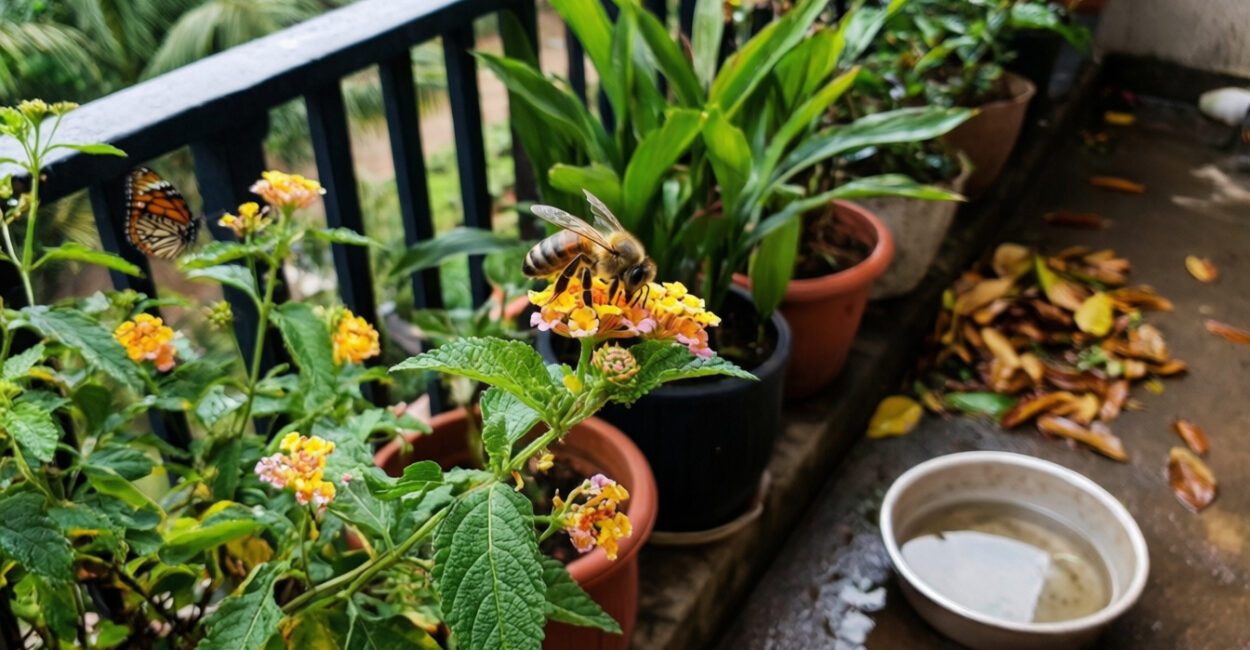
A pollinator garden can fit on a balcony. What matters is providing food at different times of year and shelter without over-cleaning.
Bees and butterflies don’t need a flower bed full of showy blooms to find resources. A well-chosen pot can help, as long as the plants suit the local climate and you care for the space without removing everything that looks “messy.” The principle is to combine flowers with different blooming periods, host plants for caterpillars, and small sheltered spots. This keeps all the food from being available in just one season and reduces practices that drive visitors away.

Pollinator garden: what to provide beyond flowers
A pollinator garden is a space designed to provide resources to animals that carry pollen between flowers, including food, shelter, and, for some species, nesting sites. In simple terms, choose plants suited to your location, keep flowers blooming at different times, and preserve a few less-tended areas.
Flowers are the starting point, not the whole project. The IPBES pollinator report highlights the importance of habitats and floral resources. In practice, that could mean leaving a patch of bare soil or a few leaves under a shrub instead of sweeping every corner clean.
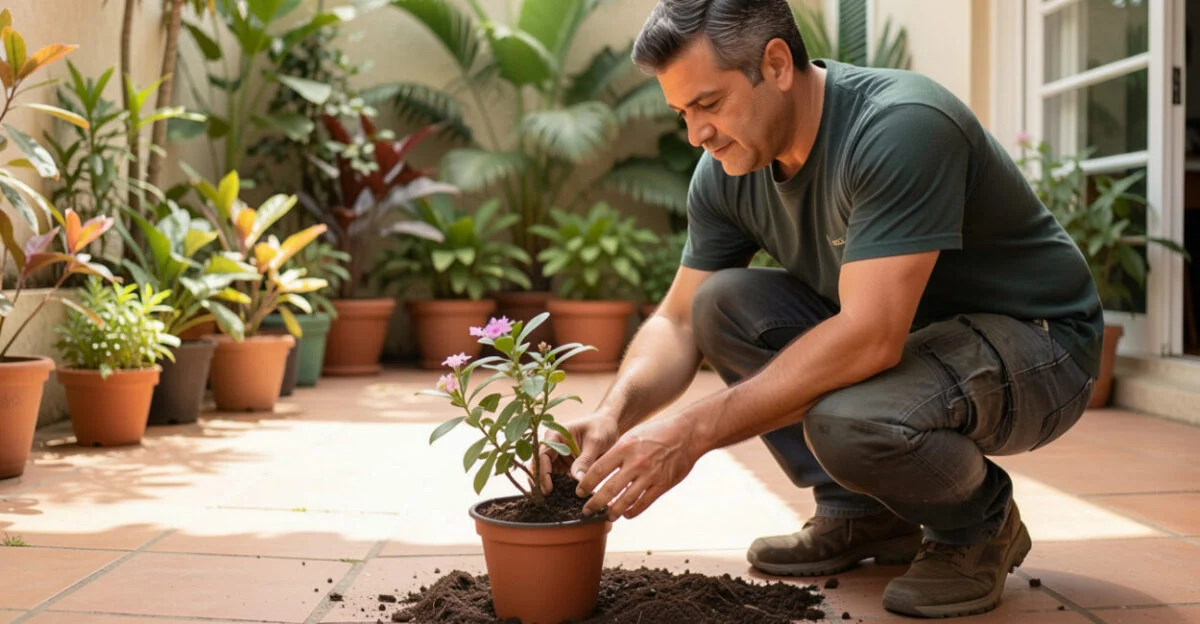
Native plants suited to the local climate
Native species tend to be adapted to local conditions and may provide resources familiar to some of the region’s wildlife. But “native” doesn’t automatically mean a plant is right for every garden: sunlight, wind, humidity, root space, and water availability also determine whether it will thrive.
Check with local nurseries and reliable botanical sources to confirm a species’ identity and growth habits. Embrapa, Brazil’s agricultural research agency, offers guidance on plants that attract bees; use these materials as a starting point and check whether they suit your biome. For containers, setting up a vertical garden in a small space can inspire ways to organize your plants, though the species you choose should meet pollinators’ needs.
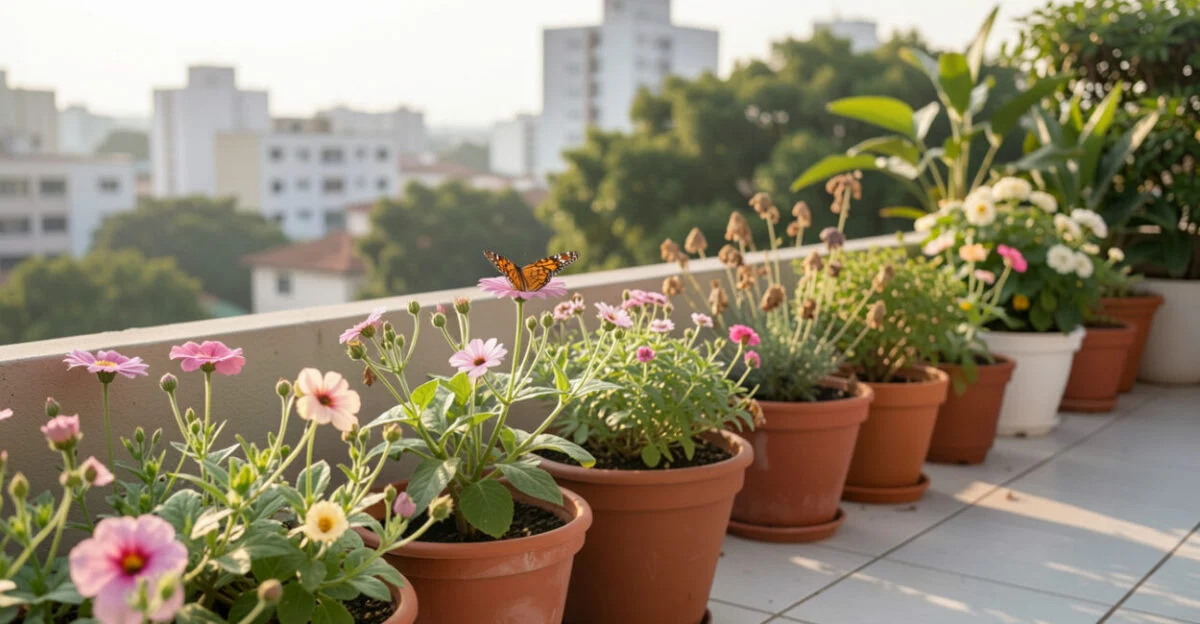
Plan for blooms throughout the year

A group of flowers that all bloom at once can leave a gap in food availability afterward. Staggering bloom times throughout the year can provide resources for longer, though the timing varies by region and climate. Before you buy, check the blooming period listed by the nursery.
- Choose plants with different blooming periods.
- Check whether each species can handle the available sun, wind, and water.
- Choose flowers that give local visitors easy access to their resources.
- Make sure the plant suits your region and isn’t invasive.
The FAO report on pollinators, pollination, and food production helps explain why these animals depend on resources over time. However, the best plant list varies by location—there’s no universal calendar.
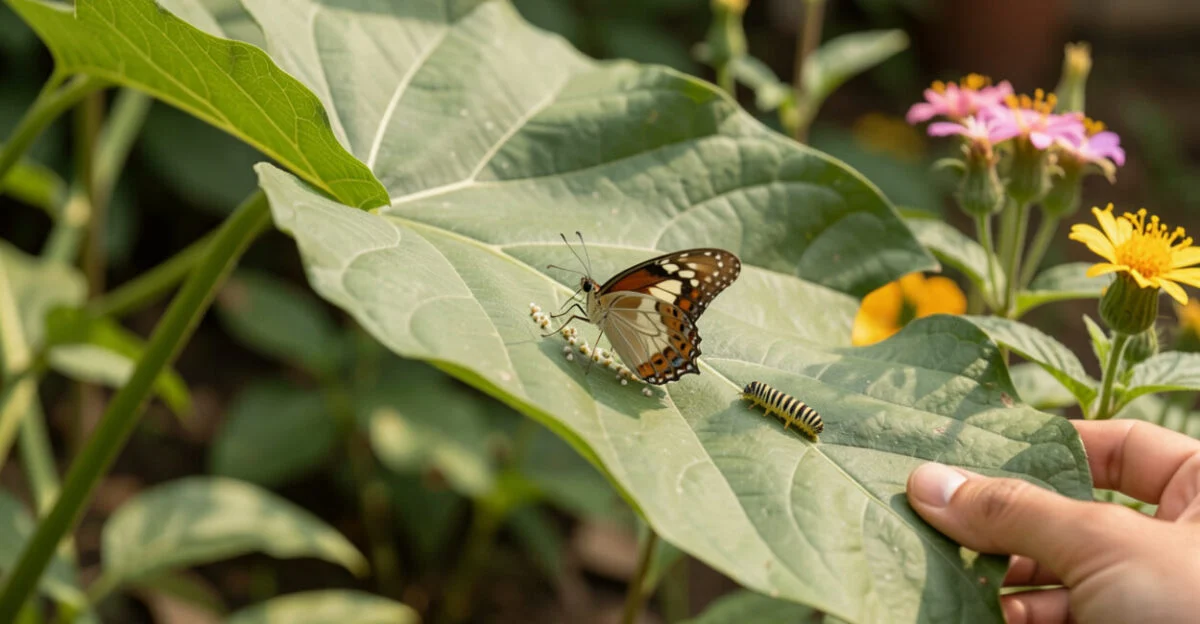
Nectar for adults and host plants for caterpillars
Flowers that provide nectar for adult butterflies don’t necessarily feed their caterpillars. Many species depend on specific host plants, where they lay their eggs and where the caterpillars feed.
To support the entire life cycle, include nectar plants and, when known for local wildlife, suitable host plants. There’s no single plant that works for every butterfly; confirm which species are native and appropriate for your area before planting.
Shelter, soil, and safe water
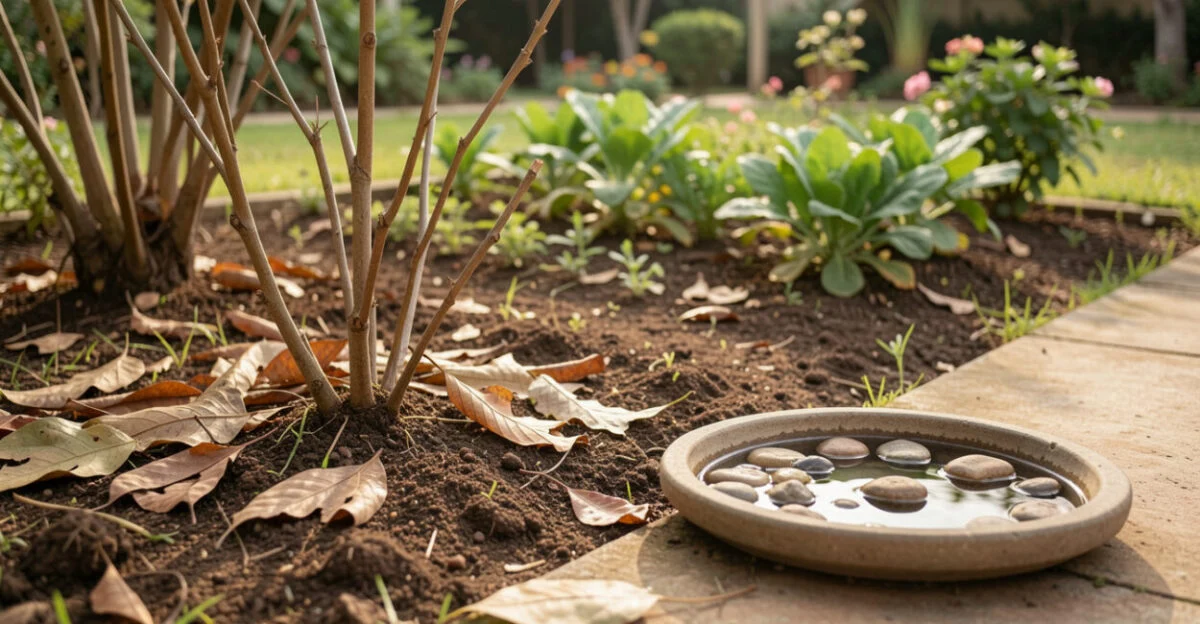
Dry leaves, stems left unpruned, and small patches of bare soil can provide shelter or nesting sites for some pollinators. Overly manicured gardens can remove these resources. Leave one corner less tended, while still keeping an eye out for pests and your plants’ health.
If you provide water, use a shallow dish with stones or another landing spot so insects don’t become submerged. Change the water and keep the dish clean to prevent standing water. To fertilize pots and garden beds, home composting can be an option, as long as the compost is fully broken down and applied according to the plants’ needs.
A corner with leaves and bare soil can offer shelter that a spotless garden bed cannot.
Practices that can drive visitors away
Insecticides can harm pollinators, including when applied to flowering plants. Start by identifying the problem and favor nonchemical approaches, such as removing affected parts or adjusting growing conditions. If a product is necessary, follow the label and local guidance; avoid applying it to flowers that insects are visiting.
Pruning everything at once can also remove flowers, seeds, and shelter. Prune selectively and, when possible, wait until flowering is over. The right approach depends on the plant and the species present: advice that works for one yard may not work for another.
Space Options What to consider Balcony Pots with different bloom times and a safe water source. Sun, wind, and container size. Small yard A mixed garden bed and a corner with leaves or bare soil. Avoid indiscriminate pruning and spraying. Larger garden A mix of flowering areas, host plants, and less-tended spaces. Choose species suited to the biome.
Even a small space can provide resources, but it can’t replace a complete habitat or guarantee the presence of a particular species. Start by observing which flowers get visitors and at what times; keeping track can help you adjust the garden without turning every corner into a flower bed.
Frequently asked questions
Do stingless bees visit home gardens, too?
Yes. Some visit flowers in yards and on balconies, depending on the plants and local wildlife.
How can I observe pollinators without catching or disturbing them?
Watch from a distance without touching the insects or blocking their access to flowers. Zoom photography lets you record their visits without disturbing them.
What should I do if I find a bee nest?
Keep your distance, and don’t try to remove or destroy the nest. Contact environmental authorities, civil defense, or the appropriate municipal service for guidance; the right response depends on the species and location.
Artigos Relacionados
 Biological Pest Control: Protect Your Vertical Garden Naturally
 Vertical Garden Supports: Compare Materials and Install Safely
 Recycled Planters for a Vertical Garden: How to Choose
 Vertical Garden Watering: How to Prevent Waterlogged Roots
 Vertical Garden Supports: Compare 5 Models for Your Home
 Plants for a Vertical Garden: 9 Options for Apartments
