
Greenwashing: How to Spot Misleading Environmental Claims
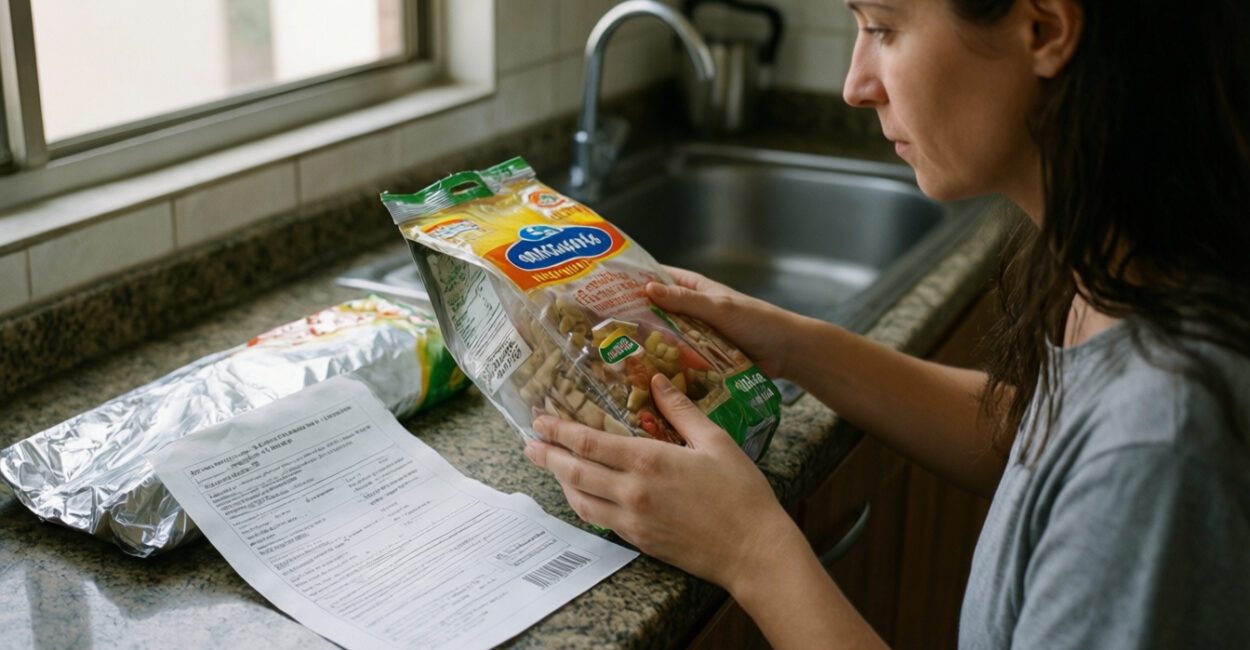
A package can be recyclable and still leave questions about the impact of the entire product; the key is understanding what the claim actually covers.

To learn how to spot greenwashing, look at three things: whether the claim is specific, what part of the product it refers to, and what evidence supports it. Words like “green” or “sustainable” are vague and warrant a closer look, but they don’t prove fraud on their own.
The risk lies in the overall impression. For example, a true statement about packaging may suggest that the entire product has a low environmental impact. To evaluate the message, separate what it claims from what you can verify.
1. Greenwashing: Can a claim mislead without being entirely false?
Greenwashing is communication that presents a company, product, or practice as more environmentally beneficial than the available evidence supports. To spot the problem, read the claim carefully, check its scope, and look for accessible supporting evidence. A true statement about one part doesn’t automatically validate the impression it creates about the whole.
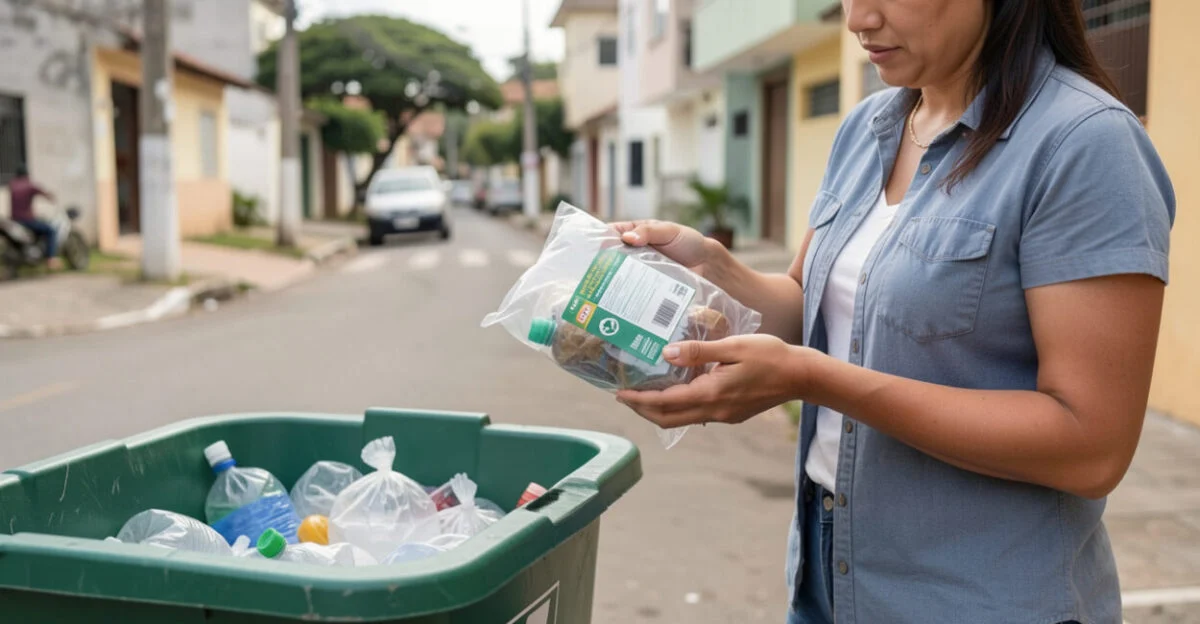
Imagine a bottle labeled “recyclable packaging.” The statement may be accurate, but it doesn’t tell you whether that material is collected and recycled in your area, or say anything about the formula, manufacturing, or transportation. The key question is whether the message promises more than the available evidence supports.
2. Vague claims call for details, not automatic accusations
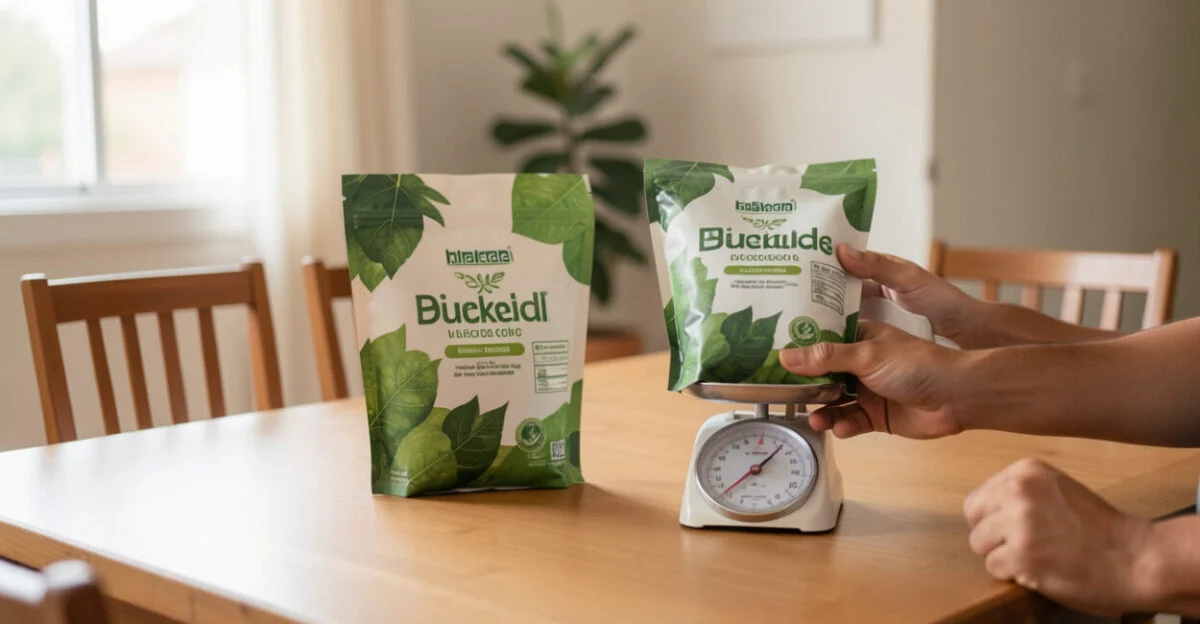
Terms like “natural,” “planet-friendly,” and “eco-friendly” can sound convincing without explaining the benefit. That’s reason to investigate, but it isn’t enough by itself to conclude that fraud has occurred. Look for a concrete explanation: what changed, compared with what, and by how much?
- Broad promises that don’t explain which impact was reduced.
- Phrases like “100% green” with no criteria or verifiable data.
- Images of leaves and landscapes that take up more space than objective information.
- Comparisons that don’t identify the product or time period used as a baseline.
A manufacturer might say it reduced the plastic in its packaging. To evaluate the claim, find out whether the comparison is with the previous version and whether the reduction refers to weight, volume, or another measure.
3. Find out whether the claim applies to the product, packaging, or company

The scope is often buried in the fine print. “Made with recycled material” may refer to one component, not the entire product. “Recyclable packaging” describes the packaging; it doesn’t prove that the contents are sustainable. Identify exactly which component or activity the claim describes.
Also check whether the message explains relevant conditions. A material may be recyclable at appropriate facilities but not accepted by the collection programs available near you. That doesn’t automatically make the claim false; it limits what the claim means in practice.

4. Ask for evidence you can verify
A trustworthy environmental claim should make its basis clear: the data, methodology, time period assessed, or criteria applied. ISO 14021 covers self-declared environmental claims, such as claims made by a supplier, and recommends that they be specific and verifiable.
If the brand doesn’t provide data, you can’t verify the claim. A lack of information is reason for caution, but it doesn’t prove the claim is false on its own. For comparative claims, look for a baseline: “we reduced emissions” should specify compared with what and over what period.
5. Environmental label: certification or promotional symbol?
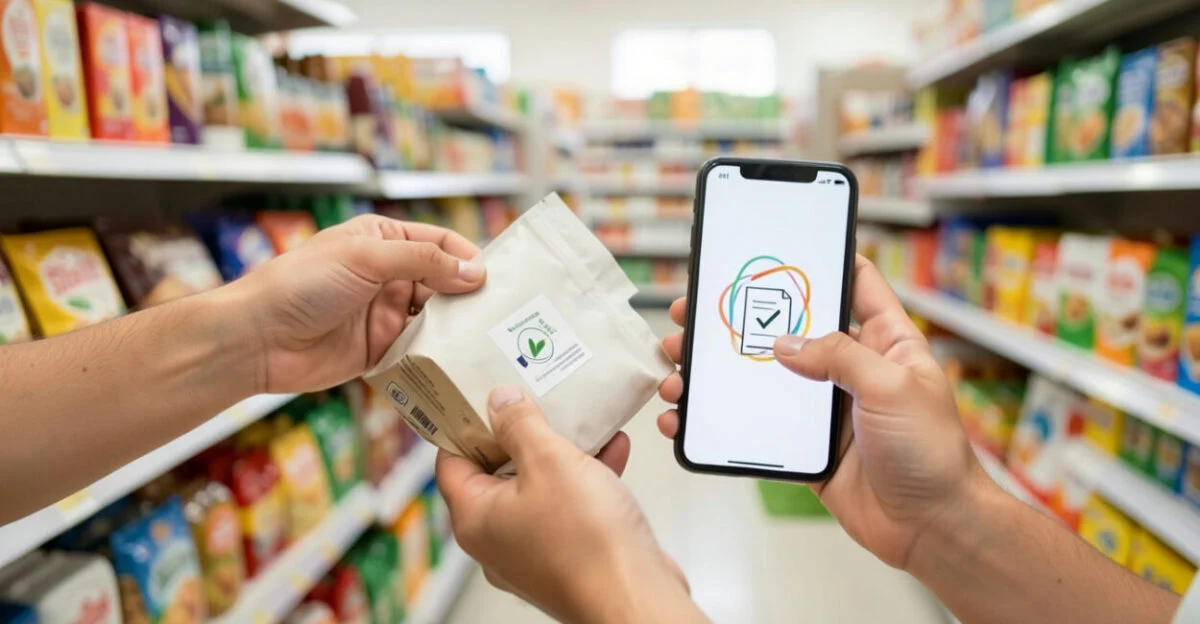
A label may come from an independent certification or may have been created by the brand itself to highlight a feature. A stamp-like design doesn’t tell you who set the criteria. Check the name of the issuing organization, the standard used, and whether there’s a webpage where you can verify the certification.
What to check What to look for Reason for caution Who issued it Identifiable organization and contact information Logo with no issuer listed Criteria Public rules and clearly defined scope “Green label” with no explanation Validity Registry or certificate you can look up Number that doesn’t lead to a verification page
Even a legitimate certification evaluates specific criteria, not necessarily every impact of a product. Check its scope before treating the label as proof of overall sustainability.
6. Do a quick check before you buy
Read the packaging and product page, look for a full explanation of the claim, and check whether documentation is available. If the claim mentions recycling, also check the disposal instructions; information about disposing of e-waste, for example, shows why proper disposal depends on the type of material.
If the information isn’t available, contact the company’s customer service department. Write down the exact claim, keep the packaging or take a screenshot, and ask for clarification. The response may explain the claim’s scope or reveal that it has no accessible supporting evidence.
7. When a claim may be misleading and where to complain
Brazil’s Consumer Protection Code, the country’s consumer protection law, requires advertising to be identifiable and prohibits misleading advertising; Articles 36–38 address how claims are presented and substantiated. The CONAR Brazilian Advertising Self-Regulation Code, administered by Brazil’s advertising self-regulatory council, also sets standards for advertising, including environmental claims.
If a claim seems inconsistent with the available information, file a complaint with the Procon in your state or municipality, Brazil’s consumer protection agency. You can also submit a complaint to CONAR if the issue involves advertising. Describe what was advertised and gather evidence without turning an unanswered question into an unsupported accusation.
Frequently asked questions
Does every product with green packaging involve greenwashing?
No. Colors and images don’t prove fraud, but they don’t demonstrate an environmental benefit either. What matters is the claim and the evidence.
Does “natural” mean a product is sustainable?
Not necessarily. On its own, the word doesn’t explain the impacts of production, transportation, or disposal; look for specific criteria and information.
Does a label guarantee that a product is sustainable?
Not in every respect. Check who issued the label, which criteria it assessed, and which part of the product it covers.
Next time you shop, choose a claim on the packaging and try to complete this sentence: “This refers to ___ and is supported by ___.” If you can’t fill in both blanks, you don’t yet have enough information to verify the claim.
Artigos Relacionados
 Evaluating Environmental Education: The Indicators That Matter
 National Environmental Education Day: How to Engage Families and the Neighborhood
 Environmental Education in Schools: Mistakes That Undermine the Message
 Environmental Education Projects: 7 Ideas for National Day
 National Environmental Education Day: 5 School Actions That Work
 School–Community Partnerships: Real-World Environmental Action
