

To identify bank fees on your account, check the transaction description, amount, and frequency, then ask your bank which service it relates to. A recurring charge could be a monthly package, a fee for a transaction, or another debit; frequency alone doesn’t reveal what it is. Once you identify the transaction, compare it with your account agreement, service package, or the institution’s fee schedule. This check can help you distinguish a one-time transaction from a recurring charge and ask the bank specific questions.
An abbreviation on your statement can make a charge difficult to identify. Note the transaction details and confirm the name of the service before deciding that the charge is improper.

How to identify a fee on your statement without confusing it with other debits
A bank fee is a charge for a financial service, in accordance with applicable rules and the terms disclosed to the customer. Not every withdrawal from your account is a fee: loan payments, insurance premiums, interest, and bill payments may appear on your statement alongside fees. To identify the source, copy the description shown, along with the date and amount. Compare similar transactions across different months. If the name is abbreviated, ask the bank for the full service name and records of your enrollment.
The statement label is a clue, not a full explanation. The bank’s response and the service documents can help you determine whether the debit is a fee, a package, or another obligation.

Name, amount, date, and frequency: what to look for
Before contacting the institution, gather the details that can help identify the charge:
- Description: Copy the text exactly as it appears, including abbreviations.
- Amount and date: Check when it occurred and whether it coincides with a transaction you made.
- Frequency: Compare previous statements to see whether the charge recurs at regular intervals.
- Usage: Check whether you recognize the related service or package.
The same transaction appearing in several months may indicate an enrolled monthly package, but it could have another source. Review your agreement and the included services before assuming the charge is for a repeated transaction.
One-time fee or monthly package: how to tell the difference

A one-time fee is usually tied to a specific transaction; a package involves a recurring charge for a group of services. The statement description may suggest which one it is, but the bank must confirm.
What the statement shows What it may mean What to confirm One-time charge after a service One-time fee Which transaction was charged and under what terms Amount recurring at regular intervals Monthly package Package name, enrollment, and included services Debit described as insurance, interest, or a payment Another type of transaction The product, agreement, or transaction it came from
If the description is still unclear, ask for an itemized explanation of the transaction and a copy or proof of enrollment. Recurrence may suggest a routine, but it doesn’t identify the product by itself.

When a bank can charge a fee
A bank may charge for fee-based services when the charge complies with regulations and the terms disclosed to the customer. The institution must make clear which service is being charged for and, in the case of a package, which services are included and how enrollment took place.
Fee rules are set out in regulations issued by Brazil’s National Monetary Council, including CMN Resolution No. 3,919/2010 and its amendments. The Central Bank of Brazil’s guidance on bank fees explains service categories and applicable rules. A charge must correspond to the service provided and the terms of the product you enrolled in.
Read also: How to Open a Bank Account for Minors
If you don’t recognize a transaction, ask the bank:
- Which service or package does the charge relate to?
- When and through which channel was it authorized?
- What terms, amounts, and services were disclosed?
- Is an agreement, receipt, or enrollment record available?
Ask for a response through a channel that provides a reference number, and save your statements and messages. If the bank can’t find a record of your enrollment or the details don’t match the transaction, file a formal dispute and request a review and, if applicable, a refund. Filing a dispute does not guarantee an automatic refund; the institution must review the case.
What free essential services include
For individuals, regulations provide a set of essential services that are free within established limits and conditions. This doesn’t make every account or transaction free: services outside the list, transactions over the limits, and other packages may be charged according to applicable rules.
Check the updated list on the Central Bank of Brazil’s website and compare each service with your account activity. Whether a service is free depends on its type and regulatory limits. A transaction that exceeds the permitted number may be charged for, as long as the fee and terms are disclosed. Ask the bank which item in its fee schedule applies to your situation.
How to check current fee schedules and amounts
To find out what your bank charges for a service, check the institution’s current fee schedule and compare its description with the transaction. Fees vary by bank and service, so don’t assume there’s one price or an average that applies to all accounts.
- Identify the service’s full name on your statement or ask the bank to clarify it.
- Open the institution’s fee schedule, available through its official channels, and look for that service.
- Check the amount, billing unit, terms, and effective date shown.
- Compare the information with your agreement and the Central Bank of Brazil’s guidance on the service category.
If the name used on your statement doesn’t appear in the fee schedule, ask the bank for the corresponding name and the version in effect on the date of the charge. The schedule can help you verify fees and available services, but it doesn’t by itself prove that you enrolled in a specific package.
How to tell if your package still fits your needs
Compare the services included in your package with the ones you actually use. If you use only a few, ask the bank what alternatives are available and which transactions might be charged separately. The best option depends on how often you use your account and the terms offered.
To organize your review, compare recurring charges with your monthly spending tracker and explore tips for tracking expenses without straining your budget. Before canceling a package, confirm whether the services you use would then be charged individually.
How to dispute a charge and when to escalate your complaint
If you don’t recognize a charge, contact the bank through its official channels and ask for the service, date, and method of enrollment. If you suspect an error, dispute the transaction and save your statements, receipts, messages, and reference numbers. Also keep a record of the response you receive.
If the initial customer service team can’t resolve the issue, contact the institution’s ombudsman’s office. You can also file a complaint with Consumidor.gov.br, Brazil’s consumer complaint platform, if the company participates. The Central Bank of Brazil accepts complaints about supervised institutions and uses them for supervisory purposes; it doesn’t decide individual disputes or directly order refunds.
A fee is easier to verify when you can compare the service, enrollment, and transaction details.
When you review your next statement, choose a transaction you don’t recognize and note its description, amount, and date. With those details, you can ask the bank for a clear explanation and save the reference number for your request.
Frequently asked questions
Is every recurring debit a bank fee?
No. It could be a monthly package, a payment, an insurance premium, or another type of transaction. Check the description and ask the bank to identify its source.
Can I ask for proof that I enrolled in the package?
Yes. Ask for the package name and an enrollment record or confirmation. Also request the terms that were disclosed and save the reference number for your request.
Do essential services make every account free?
No. The fee exemption applies to the essential services provided for by regulations and within their applicable limits. Other services, transactions over the limits, and packages may be charged for.
Which bank offers a no-fee account?
Terms vary by institution and account type. Compare fee schedules and check whether the account provides the services you need without a monthly fee. Also review limits, customer service options, and possible charges for one-time transactions.
How much does it cost to maintain a checking account at Banco do Brasil?
The cost depends on the package you choose and the services you use. Check Banco do Brasil’s current fee schedule and confirm the amount that applies to your account and its effective date with the institution, since prices can change.
Is an account-opening fee the same as an account fee?
No. An account-opening fee is related to credit bureau checks and processing the information needed to begin a customer relationship, in accordance with applicable rules. An account fee is usually tied to account services, such as one-time transactions or packages. Check the description and purpose of the charge.
How can I check whether my bank charges a specific fee?
Ask the bank for the service’s full name and look for it in the institution’s current fee schedule. Also check the terms and effective date. If the information doesn’t match your statement, ask for clarification and record the reference number.
Artigos Relacionados
 Google My Activity, History, and Your Google Account: What’s Really Saved
 When to Renegotiate Bank Debt to Pay Less Interest
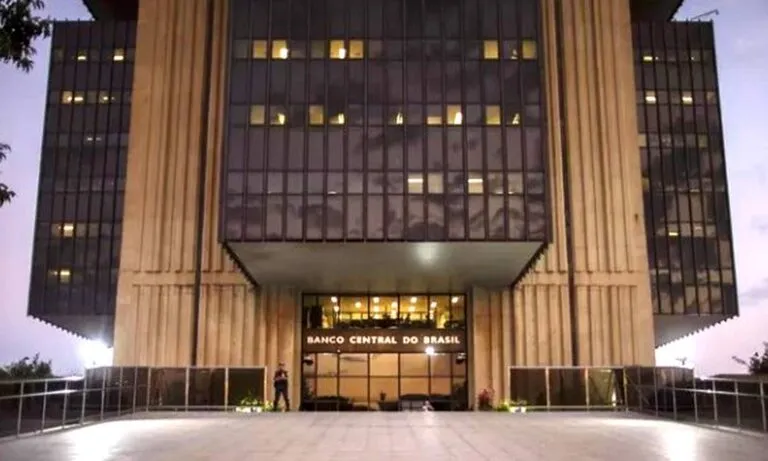 Central Bank Holds Selic at 12.75% at Its Final 2025 Meeting as Inflation Forecast Falls 0.8 Percentage Point
 Financial Bias: Identify and Correct Your Mistakes Now
 Literacy Difficulties and Early Intervention: How to Identify Them
 Financial Scams: How to Spot Them and Protect Your Money
