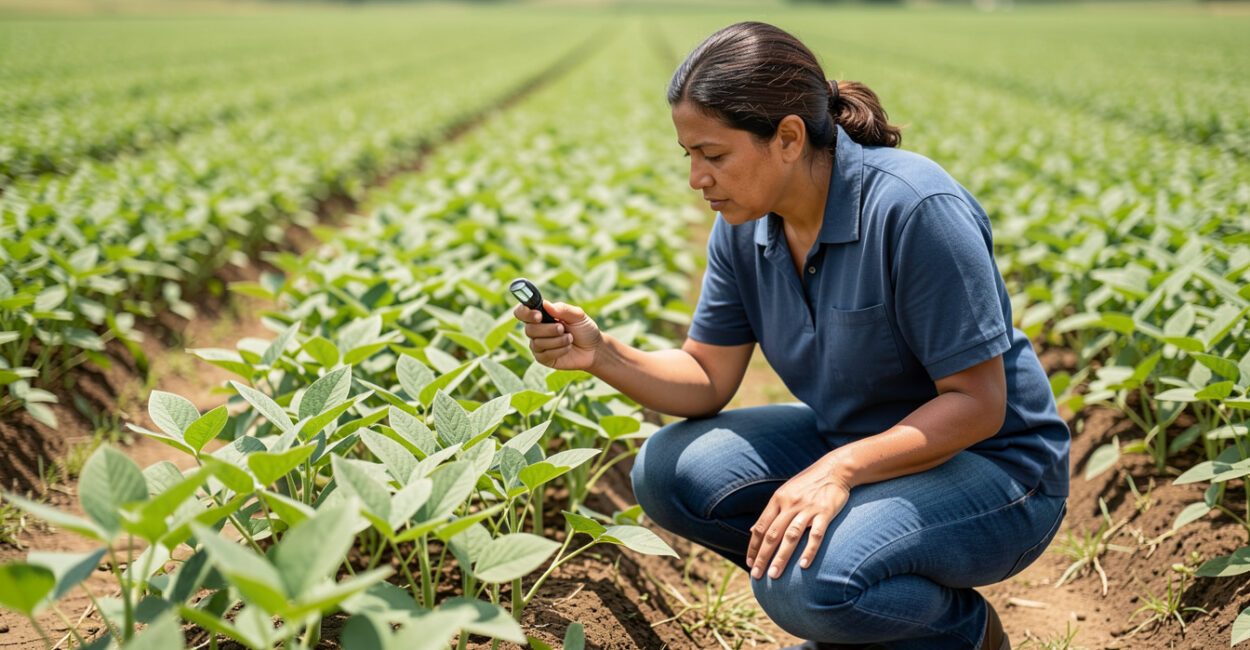
A field may look clean after weeding, only to be overrun by weeds again a few weeks later. Weed management works best when you first identify the species and assess the stage of the infestation, before choosing a method. From there, you can combine prevention with cultural, mechanical, biological, or chemical controls based on the crop and field conditions.
This sequence helps prevent a common mistake: choosing an intervention based on a plant’s common name or because it worked on another farm. Different species may call for different decisions, and the same method can produce different results depending on the soil, climate, and crop growth stage.

The first step is to record what is growing and where. The second is to decide whether the problem calls for prevention, spot control, or an integrated strategy. Following up after the intervention is also part of the job.
What Is Weed Management and Why Does It Matter?
Weed management is the set of preventive and control practices used to reduce the interference of unwanted plants with a crop and limit their spread. In simple terms, it means deciding which plants need to be controlled, when to act, and how to avoid the problem recurring.
Competition for light, water, nutrients, and space can hinder crop establishment and development. The impact varies by species, density, how long the weeds and crop grow together, and the crop itself. That’s why there’s no single schedule or approach that works for every farm.
The goal doesn’t have to be removing all vegetation from the field. In some systems, managed plant cover protects the soil. The risk comes from allowing plants that compete with the crop or produce seeds before they’re controlled. This planning goes hand in hand with sustainable agriculture and soil conservation.
How to Identify Weeds in the Field
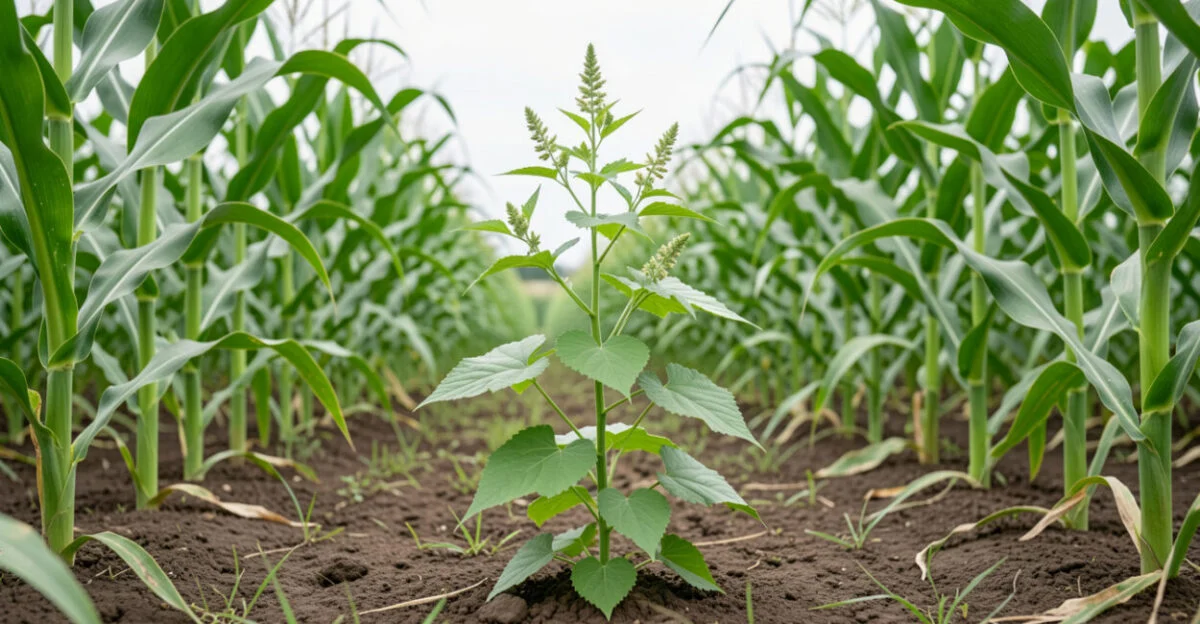
Start by examining the entire plant, ideally before weeding or applying any product. Common names are useful in conversation, but they can refer to different species from one region to another. For technical decisions, confirm the scientific name using a reliable reference or with help from an agronomist.
Record these characteristics in the field:
- Leaf shape and arrangement, whether leaves have hairs, and the type of leaf margin.
- Stem shape and whether the plant has latex, spines, or underground structures.
- Flowers, fruits, and seeds, if present.
- Growth stage and distribution: patches, rows, or the entire field.
- Crop being grown, observation date, and the field’s management history.
Photograph the plant up close and in its surroundings, including its leaves and stem and, if possible, its flowers or fruit. A photo of the leaves alone may not be enough to distinguish similar species. A weed identification guide should list its author, geographic coverage, diagnostic images, and identification criteria. Before relying on it, also check that it’s available and up to date.
Searches for “weed identification guide PDF,” “Embrapa weed guide PDF,” or “free weed identification and control guide PDF” may turn up files from various sources. Look for publications directly on Embrapa or university websites, and check that the content covers the species and crops in your region. A PDF found on another site may be incomplete or lack context about how to use it.
How to Plan Integrated Weed Management

Integrated weed management combines monitoring, prevention, and control methods that suit the crop, the weed species present, and the field’s history. Instead of automatically repeating the same intervention, use field observations to choose the next action and assess whether it worked.
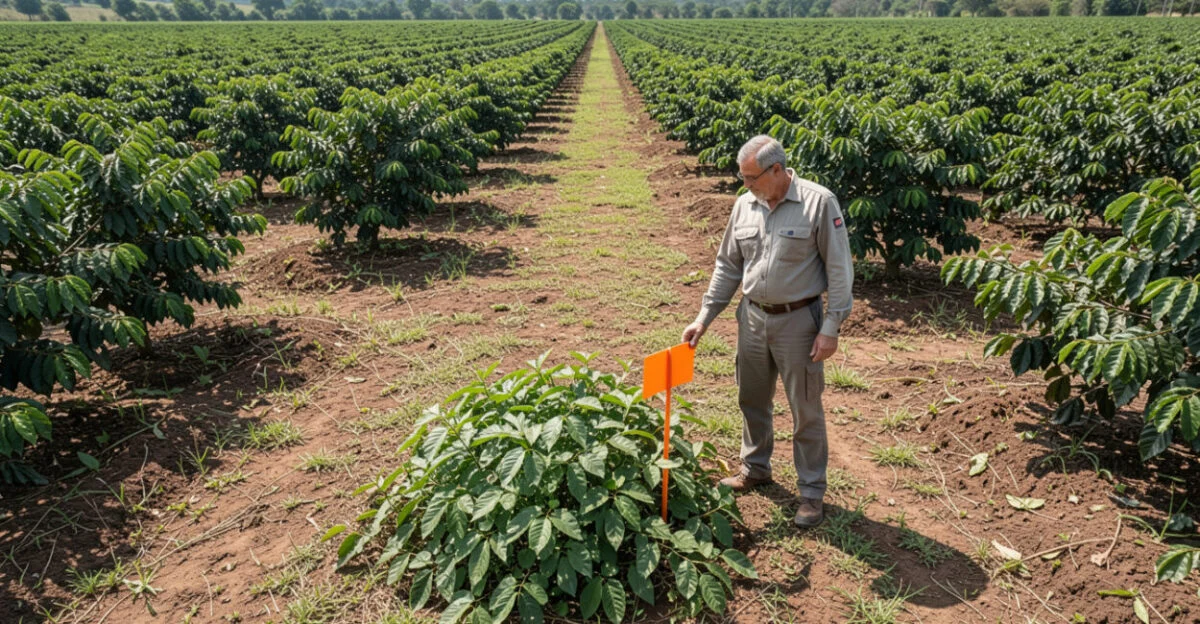
A practical sequence is to map the infestation, identify the dominant species, decide where and when to act, and then check for weeds that escaped control and new emergence. If a species is confined to a few patches, spot control can limit its spread without treating the entire field. If the infestation is widespread, the strategy needs to account for the production system and how the plants are distributed.
The phrase “three pillars of integrated pest management” doesn’t have one standard definition used by every program. Common approaches include monitoring, prevention, and combining methods. For weeds, these principles can help structure decisions, but they shouldn’t be mistaken for a fixed formula or confused with managing insects or diseases.
Planning for a field and planning for a garden have some things in common, although the crops, scale, and operations differ. For the latter, see these integrated management techniques for organic gardens.
How to Prevent New Infestations With Prevention and Cultural Control
Preventive weed control aims to stop seeds and propagules from entering and spreading, while cultural control supports crop growth and reduces opportunities for weeds. These measures won’t eliminate every weed, but they can reduce the pressure on control operations.
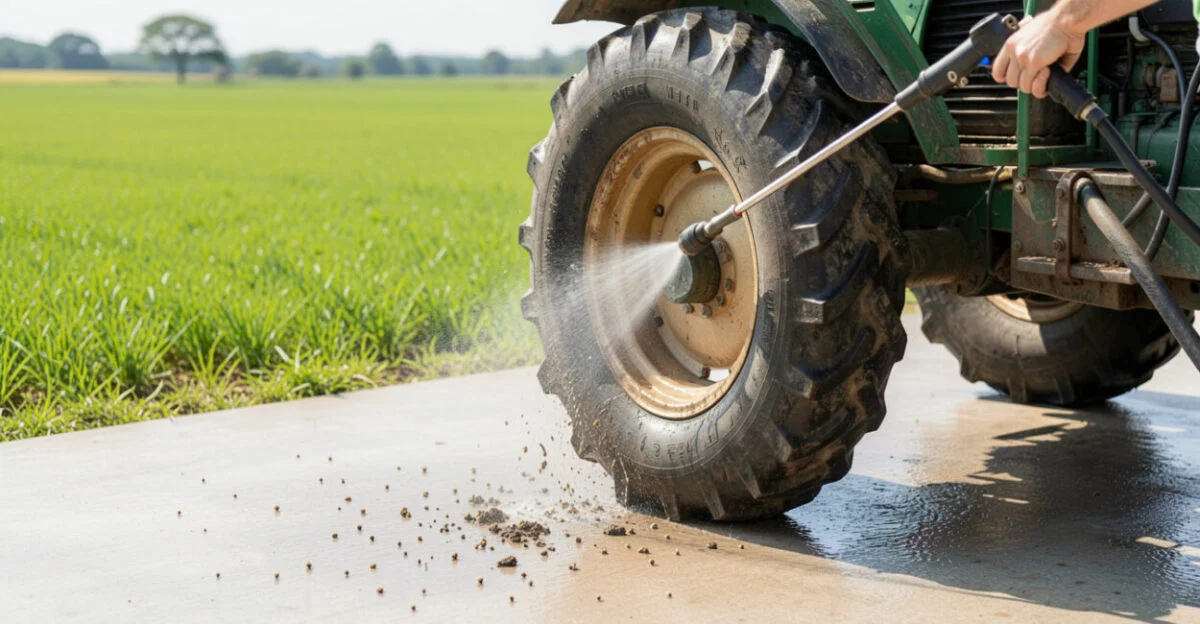
Use seeds and seedlings from reliable sources, clean machinery and equipment before bringing them into an uninfested field, and avoid moving soil stuck to equipment. If a plant has already produced seeds, machinery that hasn’t been cleaned can spread them to other fields. Ground cover and crop rotation can also help, as long as they suit the crop, region, and production system.
Cultural control relies on practices that help the main crop fill available space, such as uniform establishment and management suited to its needs. Poorly planned cover, however, can compete with the crop or interfere with field operations. Choose an approach based on the crop and production schedule. To integrate these decisions into your farm’s system, see the guidance on agrotechnology for farm management.
Preventing weeds from producing and spreading seeds reduces pressure from future infestations.
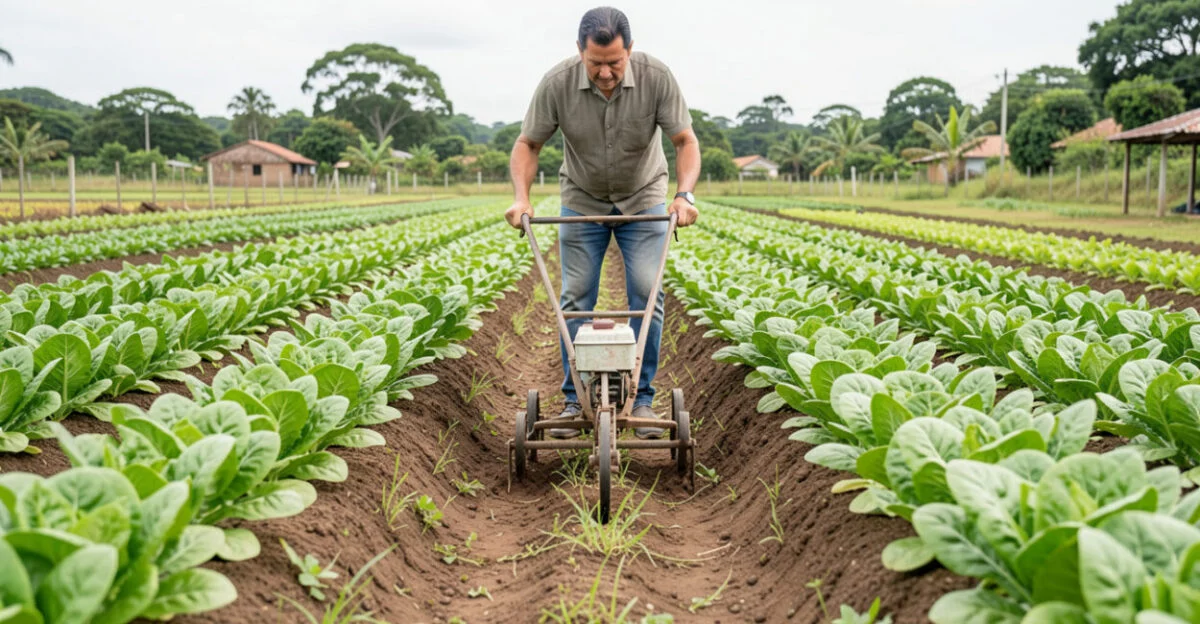
What Are the Mechanical Weed Control Methods?
Mechanical control methods include hand weeding, mowing, and cultivation with equipment. Each is suited to different situations and has operational limitations. Mechanical weed control can be useful in specific areas or when chemical intervention isn’t appropriate, but it requires attention to the crop, soil, and weed growth stage.
Method
When to consider it
Main limitation
Hand weeding
Patches, small areas, or spots near crop plants.
Labor-intensive and may leave roots or structures that can regrow.
Mowing
Reducing aboveground growth where access and the crop allow.
Generally doesn’t kill the plant; perennial species may regrow.
Mechanical cultivation
Controlling weeds between rows with equipment suited to the crop.
May damage crop roots, disturb the soil, or be ineffective on mature weeds.
One detail that’s easy to overlook is timing: disturbing the soil when many seeds are near the surface can trigger new emergence, while shallow weeding may cut off aboveground growth without removing structures that can regrow. Consider the plants’ growth stage and soil moisture. If the operation moves soil up against the crop, also check that its roots haven’t been buried or damaged.
When Should You Use Biological or Chemical Control?
Biological weed control uses organisms or biological agents to reduce populations of target species. Its use depends on whether the agent is compatible with the plant, environment, and region. Documented examples include the moth Cactoblastis cactorum, used against cacti in the genus Opuntia; beetles in the genus Neochetina, used against water hyacinth; and the beetle Zygogramma bicolorata, studied for control of Parthenium hysterophorus. These cases don’t mean the agents are suitable or authorized for every area. Identify the species and consult technical institutions before considering this option.
Chemical control can be part of the plan, but the product must be registered for the crop and target species, and its use must comply with the label and applicable regulations. The AGROFIT database maintained by Brazil’s Ministry of Agriculture and Livestock lets you check information on registered products. To interpret the directions and conditions for use, consult a qualified professional and follow the safety instructions on the label.
What Is the Best Herbicide for Weeds?
There’s no single best herbicide for every weed. The right choice depends on the species, the crop, the growth stage of both, and the current registration for that situation. Check the target and crop on the product label and in AGROFIT, and ask a qualified professional for guidance. Don’t choose based only on a plant’s common name or a recommendation for another field.
How to Track Results and Adjust Your Plan
After each intervention, return to the field and record which species survived, where weeds escaped control, and whether the crop was damaged. An area that looks clear right after an operation may see new weeds emerge. Your assessment needs to account for the period that follows and the crop cycle.
If the same type of weed keeps escaping control, investigate the cause before repeating the method. The species may have been misidentified, the timing may have been wrong, coverage may have been poor, the plants may have regrown, or the practice may be ineffective against that species. Embrapa, Brazil’s Agricultural Research Corporation, and the Brazilian Weed Science Society offer technical references to help with diagnosis. Local recommendations still depend on the crop, environment, and observed infestation.
The next step is simple: record the plants you find before your next field operation, confirm their identity using a technical source, and choose a control measure only after checking that it’s suitable for the crop and field.
Frequently Asked Questions
What’s the difference between annual and perennial weeds?
Annual plants complete their life cycle in one growing season, while perennials can persist longer and regrow. This difference helps determine which method to use: cutting aboveground growth may not control a perennial with underground structures.
Does an identification guide work for every region of Brazil?
Not always. Species vary from region to region, and a guide may not cover every plant found in your area. Check the publication’s geographic coverage, and consult local technical assistance if you’re unsure about an identification.
Can I leave weeds between rows to cover the soil?
It depends on the species and the crop. Managed cover can protect the soil, but plants that compete with the crop or produce seeds can make the infestation worse. Identify what’s growing before deciding to leave it in place.
How can I reduce the risk of spreading seeds between fields?
Clean machinery and equipment when leaving infested areas, avoid moving soil stuck to equipment, and control plants before they produce seeds. Pay special attention to equipment that works the soil, as it can carry seeds and plant fragments.
Artigos Relacionados
 Agricultural Pest Control: How to Monitor Your Fields
 Beef Cattle Management: How to Organize Herd Care and Feeding
 Strawberry Growing: How to Plant and Manage Production
 Agricultural Input Inventory Management: Best Practices for Farms
 Rotational Grazing: How to Plan Pasture Paddocks
 Integrated Pest Management: How to Protect Crops