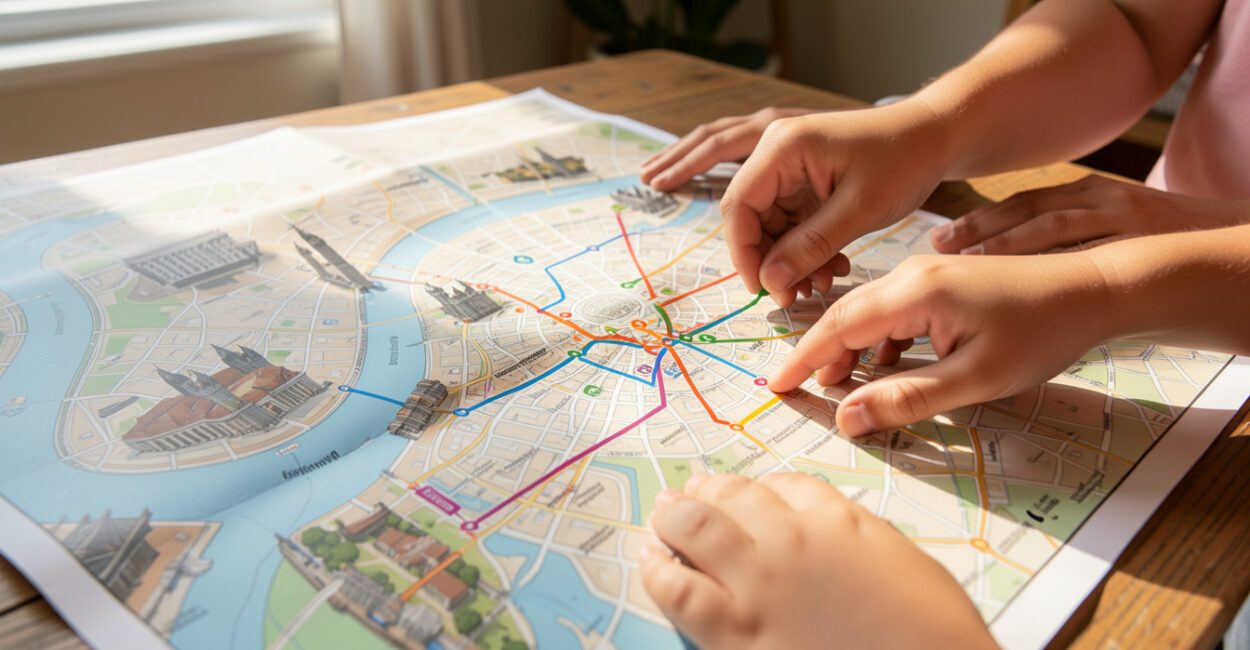
Exploring London means choosing from historic attractions, museums, parks, and neighborhoods with distinct personalities, then grouping them by area to minimize travel time. Westminster, the Tower of London, and the British Museum are great places to start, but the best choices depend on how much time you have available, your interest in indoor visits, and the pace of your trip. Planning each day by area helps you make the most of the city and avoid crisscrossing London unnecessarily. It also leaves time to check opening hours, tickets, and entry rules, which can vary by attraction and date.
Key takeaways

- Group nearby attractions and choose neighborhoods based on your interests and where you’re staying.
- Think of the three-day itinerary as one way to organize your trip, not an ideal duration for everyone.
- Check routes, service disruptions, and payment options with TfL’s official journey planner before you head out.
- Check official sources for UK entry requirements and each attraction’s visiting policies.
What to see in London: attractions to prioritize
London brings together historic attractions, museums, parks, and urban neighborhoods that you can group by area to cut down on travel time. On a first trip, Westminster, Big Ben, the Tower of London, Tower Bridge, the British Museum, Buckingham Palace, and Hyde Park offer a varied introduction to the city without covering everything it has to offer. Some places can be enjoyed from the outside; others require a ticket, reservation, or timed entry for an indoor visit. Conditions change, so check each attraction’s official website before choosing a day. The phrase “most visited tourist attraction” also depends on the criteria used, the time period, and how visits are counted. Without a source comparing the same metric for the same year, there’s no basis for naming a single winner.
Five tourist attractions for a first visit
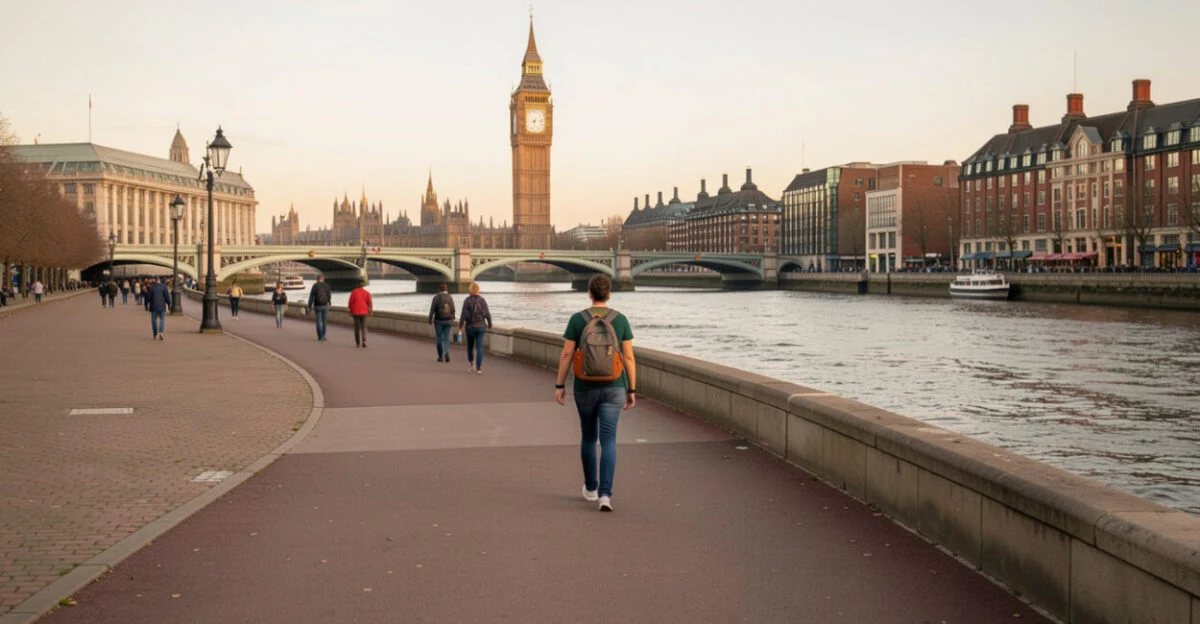
- Westminster and Big Ben: This area is home to political and architectural landmarks, as well as a stretch of riverside walking along the Thames.
- Tower of London: Explore the history of the fortress and the British monarchy on an indoor visit.
- British Museum: Its collections span cultures and eras, making it a good choice if you want to set aside part of a day for a museum.
- Buckingham Palace: Add it to a visit to the Westminster area; whether you can go inside depends on the current schedule and conditions.
- Tower Bridge: Its architecture and crossing over the river make it a standout, with options to explore the area and visit inside with a ticket.
When deciding between an outdoor visit and going inside, consider how much time you have and your interest in the exhibits. A line, timed reservation, or walk from the station to the entrance can affect the pace of your day.
London neighborhoods: how to choose what to explore
London’s neighborhoods have distinct atmospheres and attractions, so choose based on your interests, accommodations, and how easy it is to get around. The names below are useful reference points for planning outings, not strict administrative boundaries; neighboring areas can blend together along the way.
Area or neighborhood General character Examples of interests or attractions Transportation note Westminster/South Bank Monuments, cultural spaces, and riverside walks Big Ben, Westminster, and walks along the Thames Combine nearby sights on foot and check the distances between the riverbanks and stations. Covent Garden/Soho Theaters, restaurants, and busy streets Shows, dining, and city walks A good area to explore on foot; schedules and reservations may affect your plans. City of London History and architecture in a business district Historic buildings and walks through the old city center Check opening hours for attractions and public spaces, which may vary by day. Notting Hill Residential streets, shopping, and markets Markets and neighborhood walks Factor in the round trip to central London when adding this visit to your itinerary.
A common mistake is to combine far-apart attractions in one day because they look close on a map. The actual journey includes walking to stations, transfers, and finding the right exit. To avoid this, choose one main area per day and add just one stop outside it if the route makes sense. The most interesting neighborhood to visit may not be the best place to stay, since budget, transit access, and personal preferences all affect that decision.
If you’re still comparing international destinations, you can find general information about the United States as a travel option, but choose where to stay in London based on the address and access to the routes you plan to use.

Transportation in London: how to get between attractions

Public transportation connects London’s main areas, but the best route depends on your starting point, destination, and current service conditions. The Tube, buses, trains, and walking work best in different situations; check routes and disruptions with TfL’s official journey planner before you head out. The TfL journey planner offers route options and useful information for planning connections. Travel cards, contactless payments, and passes each have their own rules, which may vary by transport mode and passenger type. Check the current terms with TfL before choosing a payment method rather than relying on fares or limits published in older materials.
In areas with nearby attractions, walking between stops may be more efficient than going in and out of the Tube for every leg. Allow time to get to the station, find the right exit, and walk to your destination: in London, the estimated transit time doesn’t always reflect the full door-to-door journey. Your arrival airport and accommodation address also affect your plans. Since no specific airport is assumed here, the safest approach is to check the route from your actual arrival address and look for planned work or service disruptions at the time you expect to travel.

How many days to spend in London and how to plan your itinerary
The ideal length of a London trip depends on your pace, interests, and how many indoor attractions you want to visit. Three days offer a starting point for dividing up neighborhoods and setting aside time for an indoor visit, but there’s no guarantee you’ll fit every attraction you choose into the itinerary.
Leia também: Germany: Regions, History, and Culture to Explore
Length of stay Suggested focus Planning note 1 day One area and nearby outdoor attractions Avoid crossing the city to squeeze in too many stops. 2 days Split central areas into two groups Check opening hours and distances before booking an indoor visit. 3 days Explore different areas and set aside time for one indoor attraction Prioritize what interests you; don’t treat the itinerary as a checklist to complete. 4 days Add a neighborhood or another attraction that interests you Factor in time spent at museums and traveling between stops. 5 days Combine central areas, neighborhoods, and experiences you’ve chosen Leave room for changes in pace and opening hours. 7 days Alternate central attractions, museums, neighborhoods, and an option outside the city Whether an out-of-town trip is feasible depends on transportation and the time you have.
How to adapt your itinerary for 1 to 5 days
With one day, focus on one area and prioritize outdoor sights. With two days, split up central areas to reduce travel time. With three days, explore the areas that interest you and set aside time for an indoor visit; with four or five days, add neighborhoods, museums, or experiences that suit you.
Use a simple rule of thumb: if your priority is seeing outdoor landmarks, group them by proximity; if you’re focused on museums or ticketed attractions, plan fewer stops for the day and check reservations before finalizing your itinerary. To plan a short stay in more detail, it’s worth comparing travel options in Brazil with the amount of time you plan to set aside for London.
What to do in 7 days
With a week, alternate days of central attractions with museum visits and neighborhood walks. You can also set aside a day for a destination outside the city, but your choice depends on your interests, transportation, and how long the journey will take. Don’t lock yourself into a fixed order: opening hours, reservations, and everyone’s pace may call for adjustments.
What to see near London
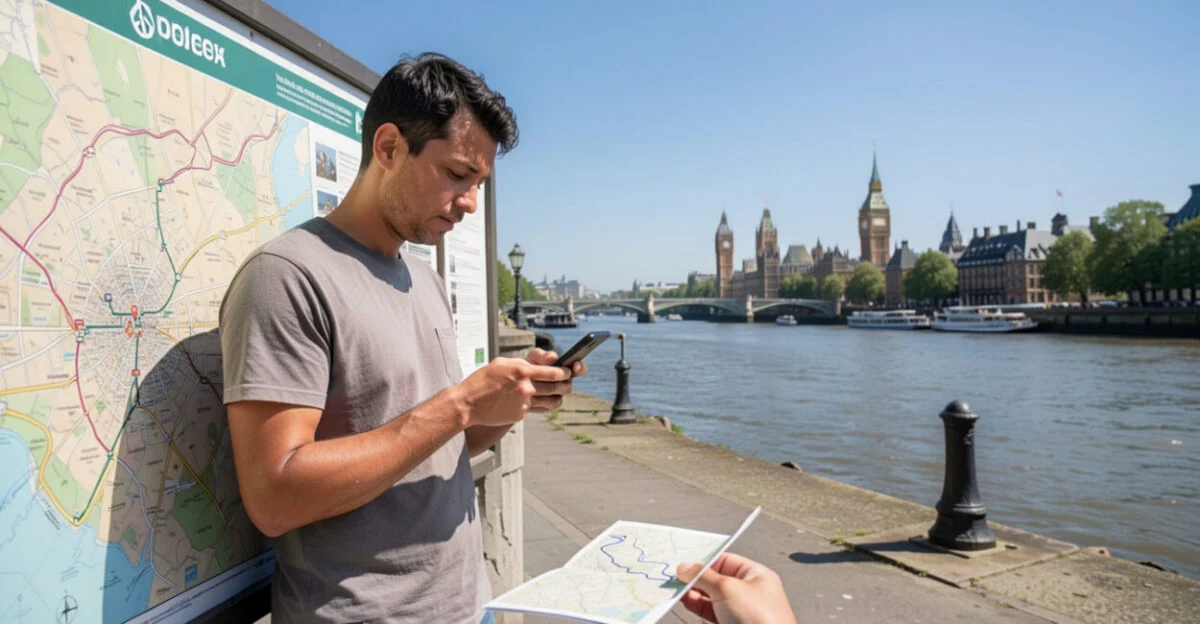
There are options for day trips beyond central London, but whether each one is practical depends on transportation, the time you have, and your interests. An outing near the city may take part of a day, a full day, or require an overnight stay; check current access, schedules, and opening hours before choosing a destination. Let your travel style guide the decision. History buffs may prefer a place connected to that interest; those looking for scenery or another city can compare options carefully. Without checking the route and schedule for your travel date, it’s not safe to promise how long a journey will take or recommend a day trip as suitable for everyone.
On a short stay, spending more time in London may be more convenient than adding an out-of-town trip. The opportunity cost isn’t just the journey: count the time it takes to leave, arrive, and get used to transportation at your destination.
London in January: weather and planning
Visiting London in January may require more planning for outdoor activities and daylight hours. Without consulting official weather data, it wouldn’t be appropriate to specify average temperatures, rainfall, or hours of daylight for your trip. Check the forecast close to departure and have an indoor alternative for every day with outdoor plans, such as a museum or another indoor attraction. Confirm opening hours, events, closures, and visiting conditions directly with each venue: January schedules can vary from year to year and between attractions.
It’s also a good idea to avoid an itinerary that depends on spending long periods outdoors without a backup plan. If the weather changes, a flexible schedule lets you switch the order of activities without losing reservations or rushing across town.
Before you travel: entry requirements and what to check
Entry requirements for Brazilians traveling to the United Kingdom depend on current official rules and the purpose of the trip, so confirm them before departure. Check GOV.UK, the official source for border control information for required documents, any electronic travel authorizations, transit conditions, and requirements that apply to your situation.
Don’t assume a document or authorization is sufficient or unnecessary without checking the relevant rule for your travel date and purpose. Also review your airline’s guidance and check your documents and reservations before you leave.
Entering the country and being admitted to an attraction are separate matters. Each attraction may have its own ticketing, reservation, and operating rules; check those details with the venue you plan to visit.
- Check GOV.UK for requirements that apply to your purpose of travel.
- Find out whether an electronic authorization or transit condition applies.
- Confirm documents and guidance with your airline.
- Check tickets, reservations, and opening hours for each attraction.
- Review your accommodation address, arrival route, and planned journeys.
Next steps for planning your itinerary
Start by choosing three priorities: a historic attraction, a cultural experience, and an area to explore on foot. Then group places by area, check opening hours and reservations, and only then plan how to get around. For a short stay, keep your plans concentrated; with more days, add neighborhoods or out-of-town trips based on your interests.
Before you leave, check UK entry requirements, transportation conditions, and official information from attractions. Your final itinerary should reflect your pace and the rules in effect on your travel dates.
Frequently asked questions
What is the most visited tourist attraction in London?
There’s no single winner without defining the criteria, time period, and comparison metric. Rankings may count attraction visitors, admissions, or visits to public spaces in different ways.
Can you explore London without using the Tube?
You can explore some areas on foot and take buses or trains for other legs, but whether this works depends on where you’re staying and which destinations you choose. Plan each route using your actual starting and ending addresses.
Is it worth buying tickets in advance?
It depends on the attraction, date, and entry rules. Check the official website: if timed reservations are required or availability is limited, booking ahead can help ensure the visit fits into your day.
What should I do if it rains during my outing?
Have an indoor alternative in the same area, such as a museum or another indoor attraction. Check in advance whether it’s open that day and whether you need a ticket or reservation.