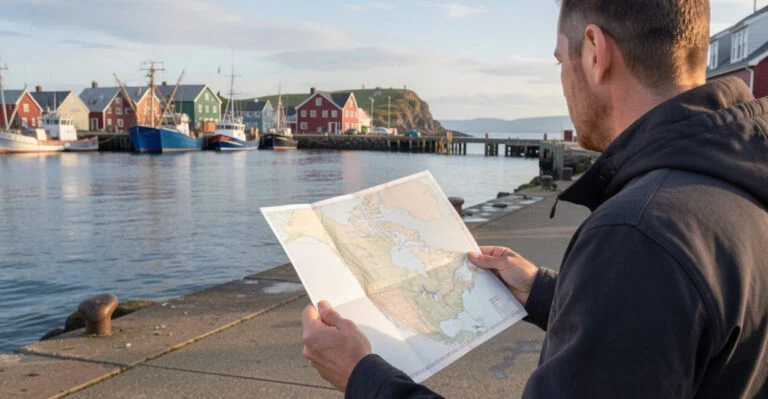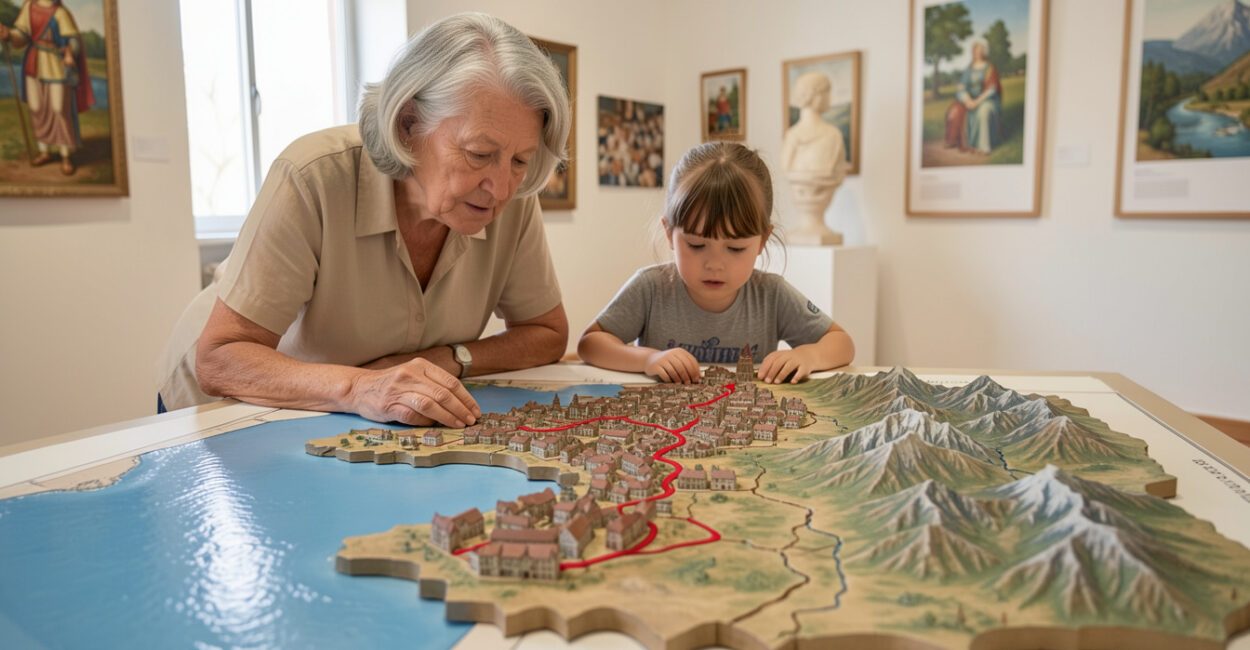
Germany changes from one region to another: exploring the country means going from the northern coast to the Alpine landscapes of the south, where local histories come to life in architecture, food, and festivals.
Berlin is often the first image that comes to mind, along with castles and beer. But Germany is home to distinct regional identities, shaped by landscapes, historical events, and customs that vary across the country. There’s a political reason for this variety, too: Germany is a federation of states, each with its own institutions and traditions. To understand the country as a whole, compare places rather than trying to fit everything into a single image of Germany.

Exploring Germany starts with its regional identities
A federation is a state in which different territorial units have their own responsibilities within a shared national structure. In Germany, the states—known as Länder—help explain why cultural life and landscapes vary so much from one region to another.
North, south, east, and west are useful reference points, not rigid cultural boundaries. The north has cities shaped by maritime trade; Bavaria, in the south, is associated with its own traditions; and eastern regions bear the marks of a distinct political history. Comparing Germany with other countries also shows how territory and culture intertwine: take a look at this overview of Brazil and its regional differences.
The federal system helps explain why there is no single German experience. These differences become even more apparent as the landscape changes.
From the northern coast to Alpine landscapes
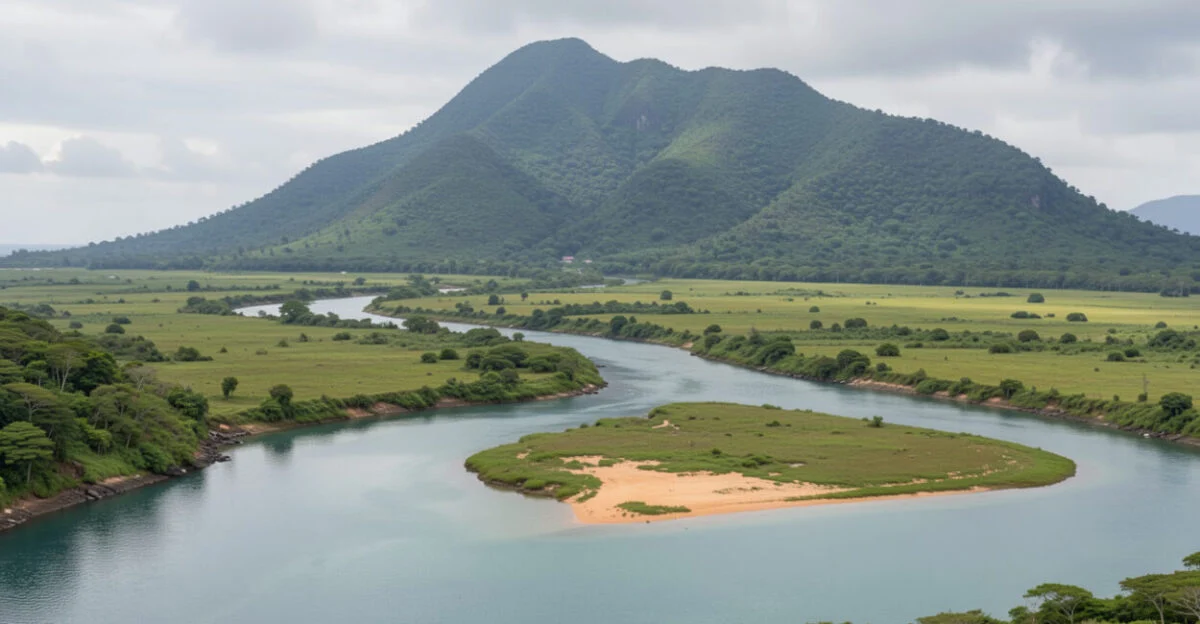
In the north, the North Sea and the Baltic Sea offer different experiences. The North Sea coast has tidal flats and stretches of low-lying land; along the Baltic, beaches and coastal towns create a different kind of landscape. In both places, wind and weather can change your outdoor plans: bringing an extra layer is usually more useful than relying on the morning forecast.
Farther south, the terrain rises toward the Bavarian Alps. Between these extremes are forests, valleys, rivers, and small cities. Germany’s official tourism website showcases regions with distinct landscapes and attractions, making it a good place to get a sense of the country’s variety before choosing an itinerary.
Berlin alone doesn’t tell the story of Germany’s cities

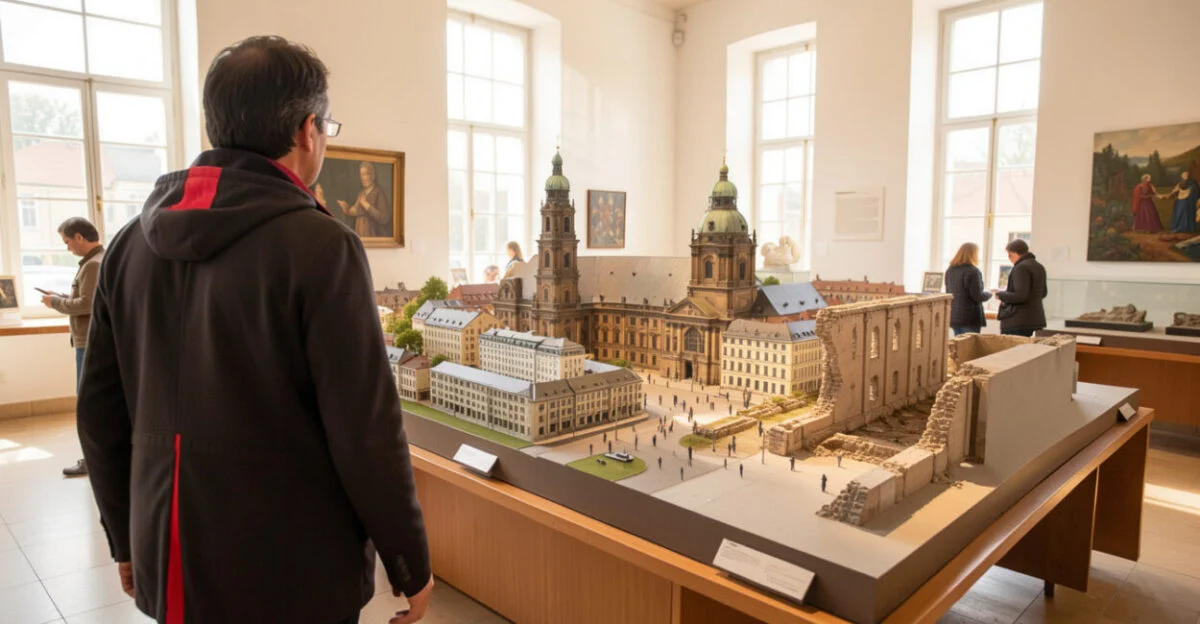
Berlin is home to major political institutions and a vibrant cultural scene, but it doesn’t represent the whole country. Hamburg offers a glimpse into the north’s ties to its port and maritime trade; Munich reflects Bavarian traditions; and Dresden reveals its own blend of heritage and rebuilding. Each city calls for a different lens.
Historic centers, modern neighborhoods, and buildings tied to periods of conflict can exist just a few blocks apart. In some places, rebuilding restored facades and urban spaces; in others, contemporary architecture keeps past ruptures visible. How a city preserves or rebuilds its buildings also tells its story.
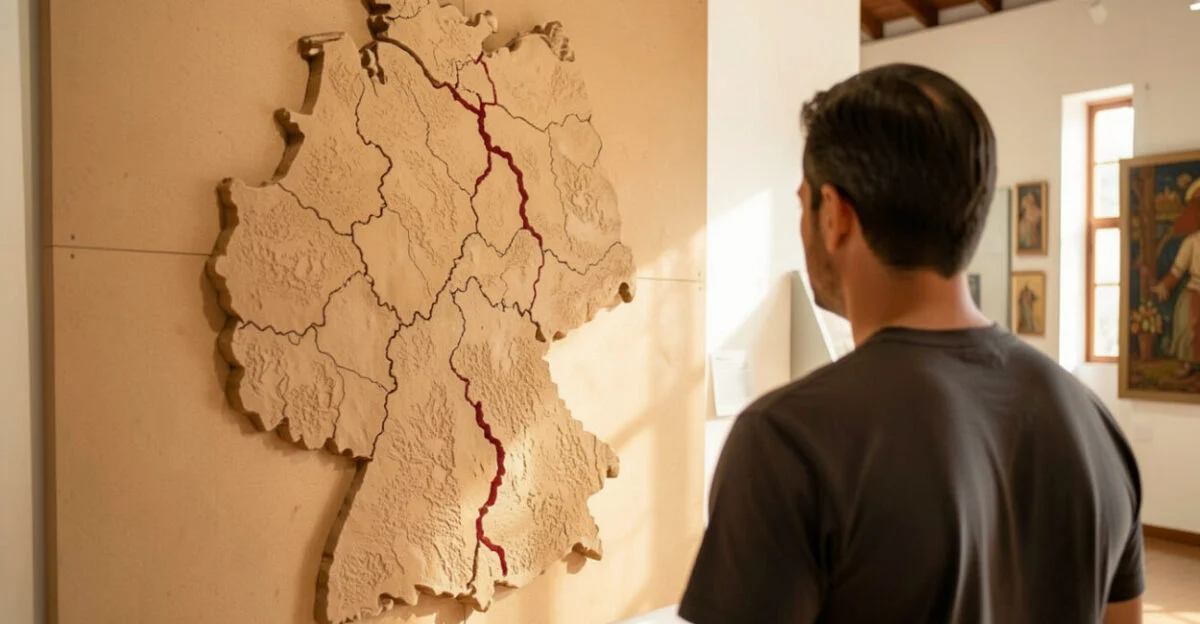
A history shaped by change, division, and reunification
Germany became a nation-state in the 19th century, after a long history of diverse territories and powers. The world wars left a profound mark on the country, but they don’t explain its current differences on their own. The division between East and West Germany during the Cold War, followed by reunification, also left memories and marks on the landscape.
The website of Germany’s Federal Agency for Civic Education offers resources on German unity and its historical context. Still, it would be simplistic to attribute every difference between east and west to the division: local histories, economic change, and migration also play a role.
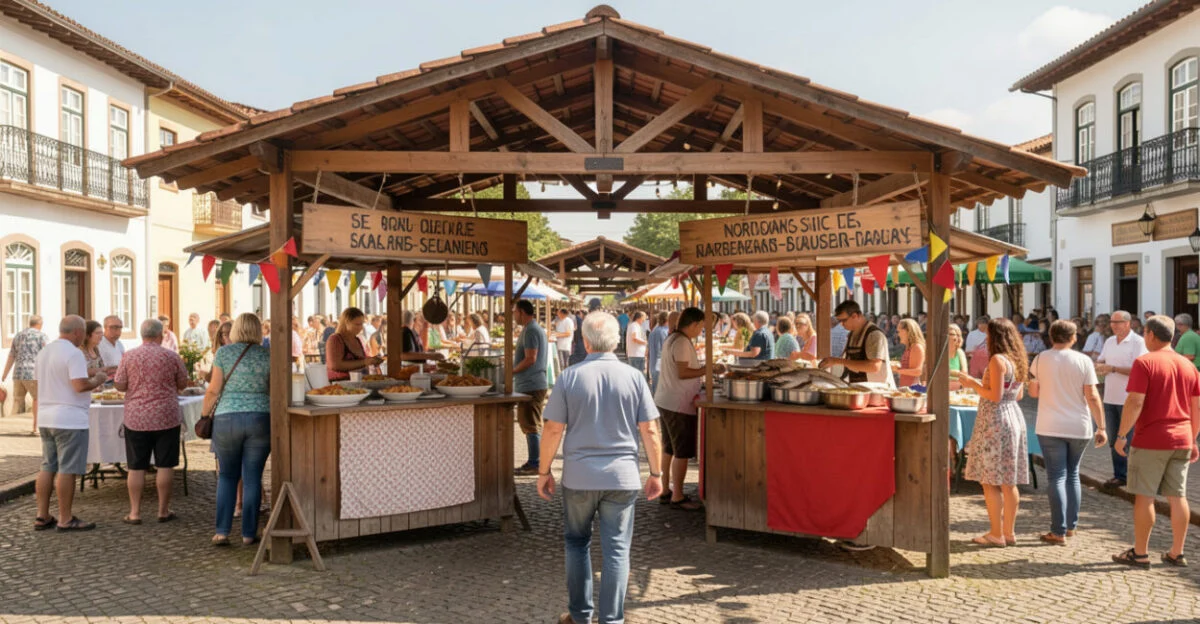
Familiar festivals and dishes take on different meanings
Oktoberfest in Munich is a Bavarian festival that has gained international recognition; it doesn’t represent the festival calendar across the entire country. Christmas markets, local celebrations, and events tied to regional traditions also vary from city to city.
Food reflects this diversity, too. Hearty dishes are common in Bavarian culinary traditions in the south; in the north, fish and coastal cooking feature more prominently. That doesn’t mean everyone in the region eats the same way. Regional cuisine is a cultural clue, not a portrait of every household.
How to get a sense of the country without trying to see everything
Choose what interests you and pair places that offer different experiences: history in Berlin, port life in Hamburg, architecture and memory in Dresden, and nature in the south. If you’re already familiar with national overviews, compare the scale of these differences with the regional contrasts in the United States.
- Don’t choose cities just because they’re famous.
- Don’t treat popular festivals and dishes as universal customs.
- Allow time for travel between destinations: cramming in too many attractions can obscure the differences that make each place interesting.
Exploring Germany means comparing places: every change in scenery opens a door to another local history.
Instead of marking cities on a map like collecting passport stamps, choose one region to explore at a leisurely pace and another to compare it with. Sometimes the most lasting impression comes from the contrast between the two.
Frequently asked questions
How many days do you need to explore Germany?
It depends on the regions you choose and your travel pace. Since the country is so diverse, an itinerary focused on a few places usually makes for richer comparisons than trying to travel across the entire country.
Does Berlin represent German culture well?
Berlin offers an important experience, especially politically and culturally, but it can’t represent the traditions, landscapes, and histories of the other states on its own.
Which German region should you choose for a first visit?
It depends on what interests you: cities and history can shape your itinerary, while the coast or mountains offer more opportunities to connect with nature. Combining two regions makes it easier to appreciate the contrasts.