Mexico changes from one region to the next: Caribbean beaches, cities shaped by colonial heritage, Indigenous sites, and the arid landscapes of the north each tell a different story.
Exploring Mexico means choosing among regions with their own geography, history, and customs. In North America, the country borders the United States to the north and Guatemala and Belize to the south. Between those borders, coastlines, mountains, and plateaus set the pace of a trip.

To decide what to visit, start with what you’re looking for: beaches, archaeology, city life, or nature. The Yucatán Peninsula, the historic and cultural center, and the north are good places to start, but none represents the whole country.
1. Exploring Mexico starts with the map
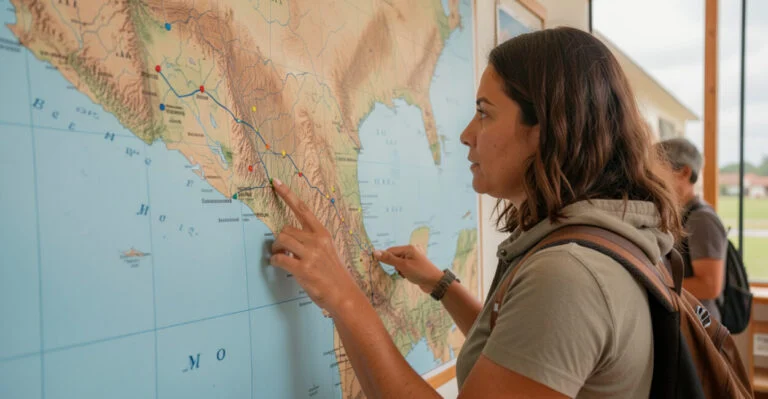
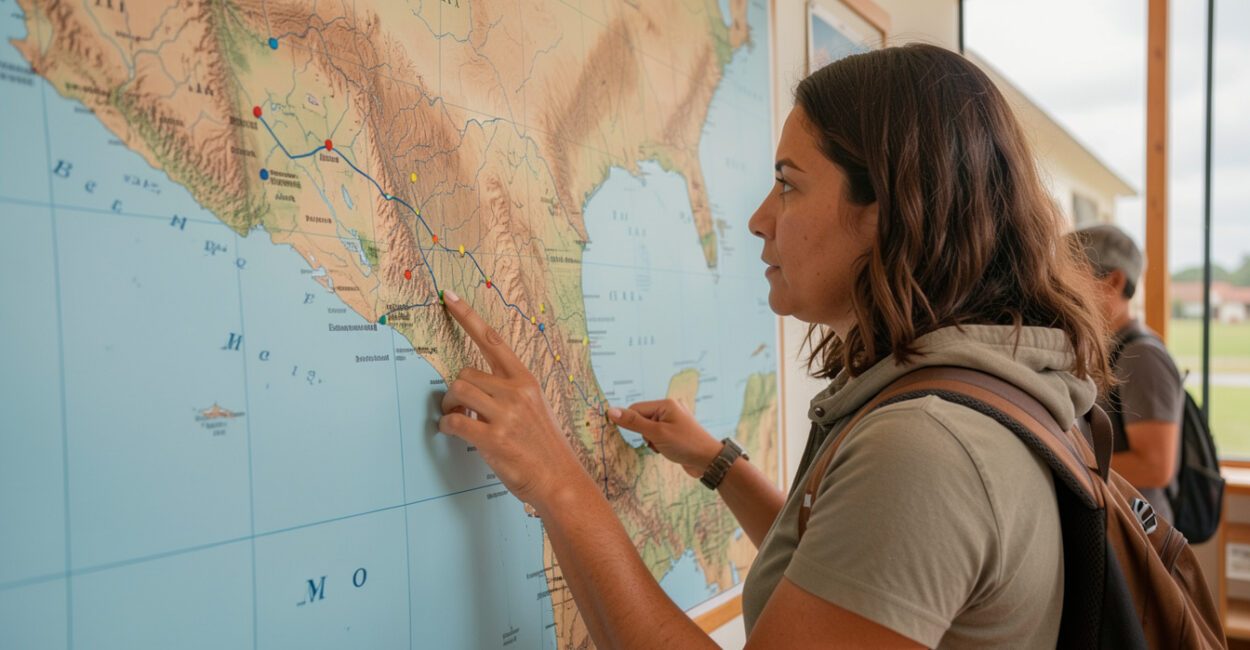
Mexico covers a vast area between the Pacific Ocean and the Gulf of Mexico, with coastline along the Caribbean as well. Inland, plateaus and mountain ranges create differences in climate, elevation, and travel times.
Geographically, it’s a land of varied environments; in travel terms, that means two Mexican destinations may call for very different plans.
One practical detail can reshape your schedule: distance on a map doesn’t mean a quick trip. When combining cities, check connections and travel times before booking activities. If you’re curious about Mexico’s neighbors, this overview of the United States and its landscapes helps put North America’s regional contrasts in perspective.
2. Yucatán brings together the Caribbean, archaeology, and cities
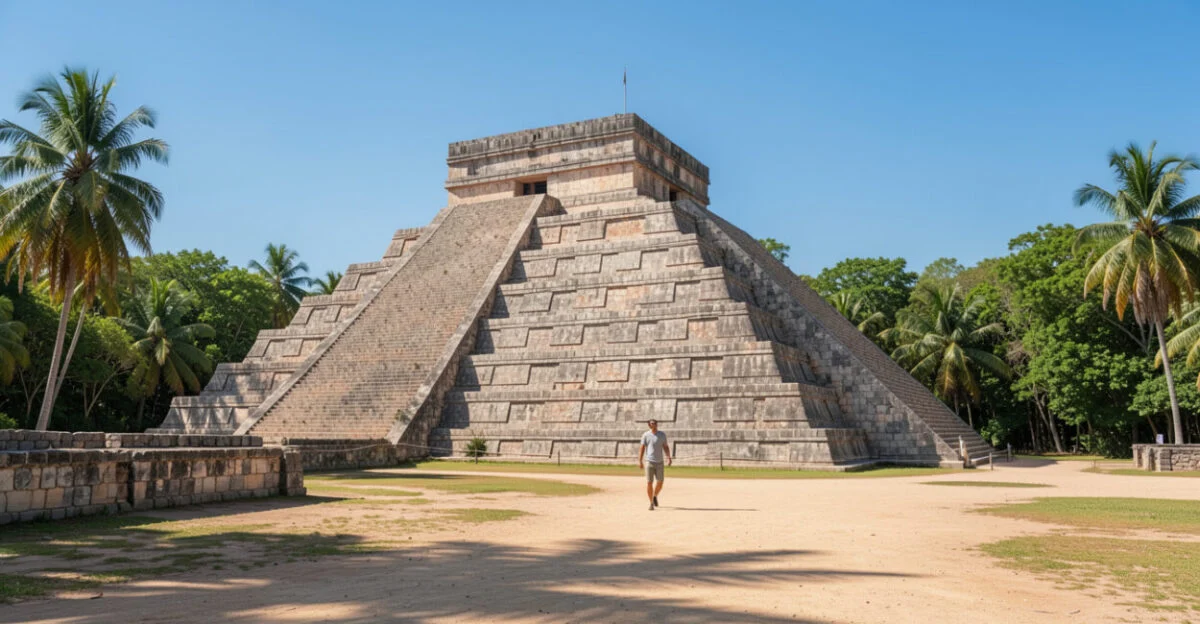
The Yucatán Peninsula combines Caribbean beaches with cities and archaeological sites connected to Maya history. Chichén Itzá is a well-known example, but the region is more than its ruins: Mérida offers a different pace, with distinctive architecture and city life.
If the ocean is your main draw, let the coast guide your itinerary. If you want to mix beaches and cultural heritage, choose a few stops and account for the travel time between them. UNESCO’s record of Mexico’s heritage sites shows the breadth of the country’s recognized heritage.
3. The historic center brings the past and present together

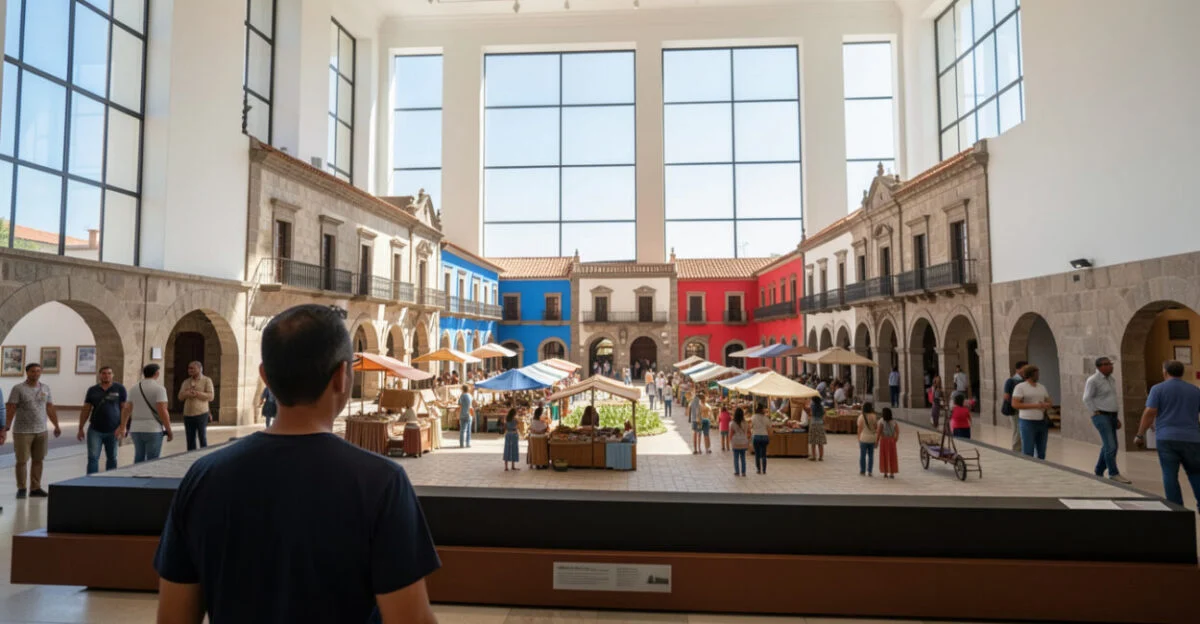
In Mexico City and other cities in the central region, layers of history appear in the street plans, buildings, and museums. The region also offers a glimpse of contemporary Mexico in its markets, plazas, and lively neighborhoods. Indigenous heritage and the colonial period coexist here, but no single city can sum up all Mexican experiences.
The National Institute of Anthropology and History (INAH), Mexico’s federal heritage agency, provides information about archaeological sites. Checking its resources can help you distinguish heritage sites from attractions created for visitors and understand why conservation is also part of the experience.
Leia também: Spain: Regions, Culture, and What to Know
4. Distances and landscapes change in the north
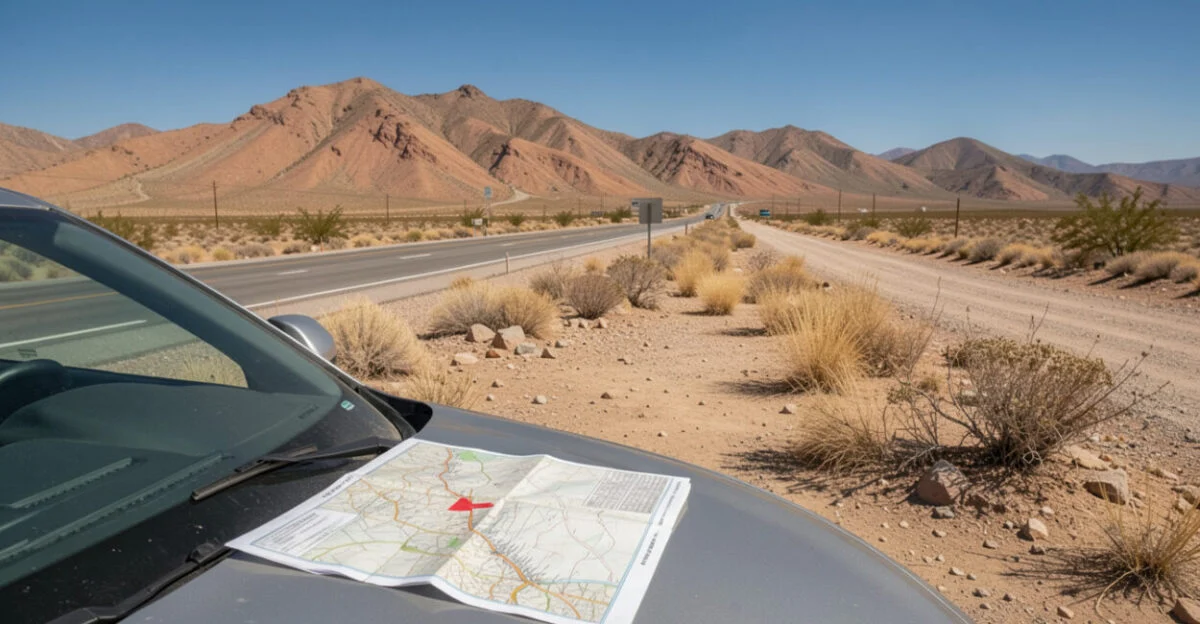
Northern Mexico includes arid areas, mountain ranges, and cities with distinct local character. It can be an appealing choice for travelers seeking wide-open landscapes and road trips. Those expecting tropical beaches or colonial centers everywhere may need to adjust their expectations.
Imagine someone with seven days trying to fit in Yucatán, the capital, and the north. Connections eat up time, and every stop becomes a quick pass-through. By focusing on one region, they have time to explore a market, stroll without rushing, and change plans when something unexpected catches their eye.
5. History and culture are part of everyday life
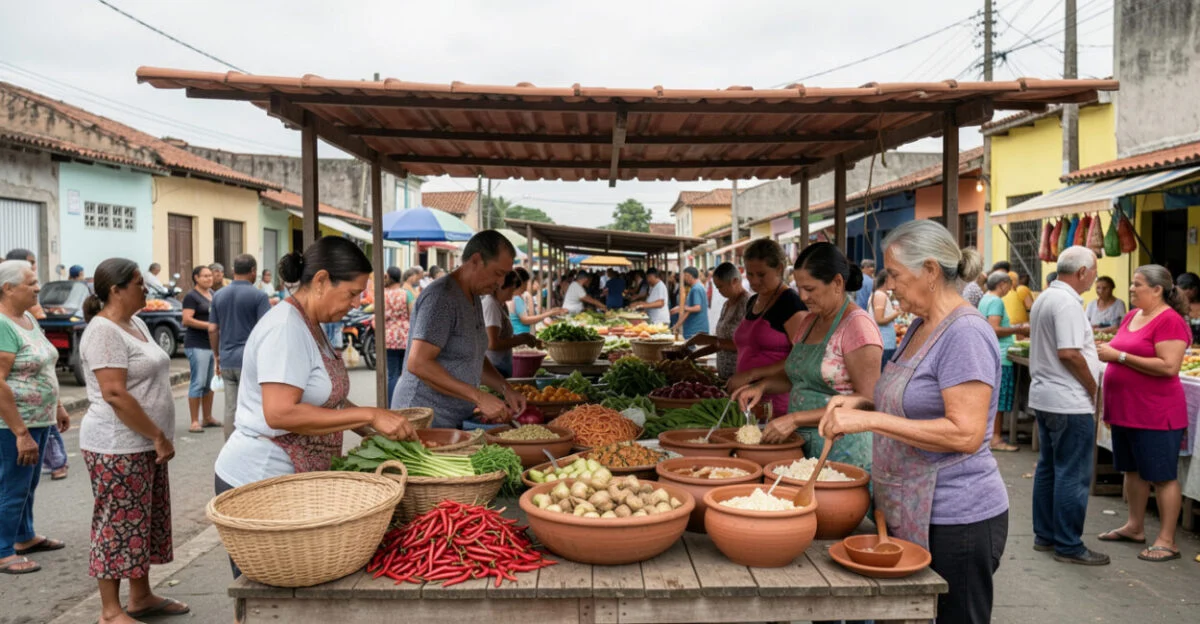
Indigenous civilizations, Spanish colonization, and the changes of contemporary Mexico have all left their mark on cities, archaeological sites, languages, and traditions. Food varies by region, too: local ingredients and preparations tell stories, but no single dish represents all Mexicans.
Cultural heritage isn’t a backdrop. A community celebration, for example, may carry religious or family significance beyond its interest to tourists. Follow local guidance before photographing people or taking part in events. For another regional comparison, the article about Brazil and its cultural diversity offers a way to consider how a large country can encompass distinct identities.
6. The most beautiful place depends on what interests you
There’s no objective answer to “What’s the most beautiful place?” The coast may win over travelers looking for the ocean; historic cities appeal to architecture lovers; and natural areas draw those who prefer trails and open landscapes. The choice depends on what you want to do and which region fits your itinerary.
There are other factors, too: weather, season, accessibility, and distance all shape the experience. Research conditions at specific destinations, and don’t choose based on a photo alone. A beach and a historic center can be equally memorable, but they call for different kinds of trips.
7. Seven days call for focus, smart shopping, and a realistic budget
For a weeklong trip, focus on one region or nearby destinations. Before finalizing your itinerary, set aside money for lodging, transportation, food, and activities. Prices vary by season, city, and personal choices, so check current rates with each provider. Trying to cover the whole country usually means trading discovery for time in transit.
Handicrafts and local products can make great souvenirs. Check where they come from and how well they’re made, ask about materials, and review Brazilian customs rules for anything you plan to bring home. Restrictions depend on the product and can change, so consult official sources before you travel instead of relying on a general rule.
Choosing a region means choosing which story of Mexico you want to discover first.
Before booking flights, mark your destinations on a map and estimate travel times between them. If the itinerary looks too tight, drop a stop: a conversation at a market or an afternoon in a plaza can tell you more about a destination than another rushed connection.
Frequently asked questions
Where is Mexico?
Mexico is in North America, between the United States to the north and Guatemala and Belize to the south.
What’s worth buying in Mexico?
Handicrafts and locally made products can be good choices. Check their origin and quality, and review Brazil’s import rules before buying.
Is seven days enough to explore Mexico?
Not enough to see the whole country. A week works best for exploring one region or combining nearby destinations without spending the trip in transit.
What’s the most beautiful place in Mexico?
It depends on what you’re looking for: coastlines, nature, cities, and historic sites all offer different experiences, with no single universal winner.