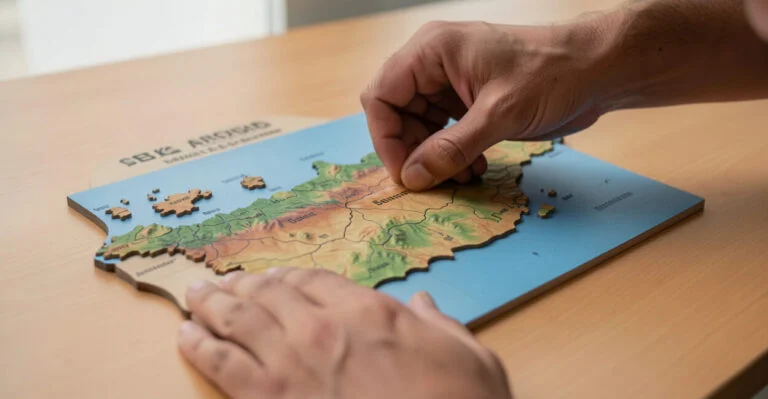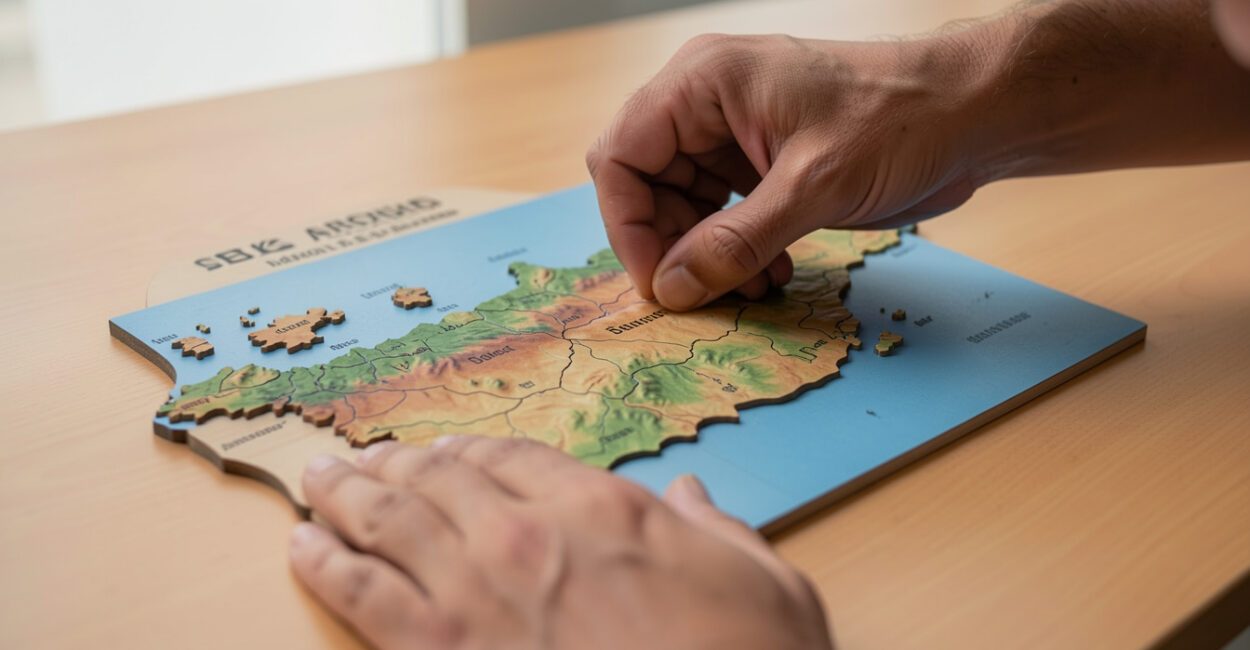
Portugal is a country in southwestern Europe whose history, economy, and culture vary across the mainland and the autonomous archipelagos of the Azores and Madeira. Located on the Iberian Peninsula, it combines urban areas, rural communities, and diverse Atlantic landscapes; its character therefore cannot be summed up by a single regional experience.
Understanding these differences helps put the country’s heritage, economic activities, and local customs in context, without confusing national touchstones with realities shared by every community. Whether you’re researching Portugal or planning a visit, the most useful approach is to compare regions based on what they offer and how easy they are to reach, rather than relying on generic rankings. Key takeaways

- Portugal includes the mainland and two autonomous island regions: the Azores and Madeira.
- Services, industry, agriculture, and tourism all contribute to the economy, with varying importance from region to region.
- The North, Center, Lisbon and Tagus Valley, Alentejo, and Algarve are useful areas for comparison, but regional boundaries and classifications vary by context.
- Fado, azulejos, and Portuguese cuisine are well-known cultural touchstones, not expressions that define every person or place.
Portugal’s culture, economy, and regions in context
Portugal is a country in southwestern Europe comprising a mainland territory and the autonomous archipelagos of the Azores and Madeira. The mainland occupies the western part of the Iberian Peninsula, shares a land border with Spain, and has an Atlantic coastline. The islands lie in the Atlantic and have distinct geographic features. The term “region” can refer to administrative, statistical, or cultural areas, and these boundaries do not always align. The North, Center, Lisbon and Tagus Valley, Alentejo, and Algarve are broad terms used to describe the mainland, but they are not a universal classification for every kind of analysis.
The European Union’s official profile of Portugal provides an overview of the country in its European context. To compare local realities, however, it’s also worth considering the differences between coastal and inland areas, metropolitan areas and rural communities, as well as the distinctive features of each island.
A history shaped by the formation of the kingdom and political change
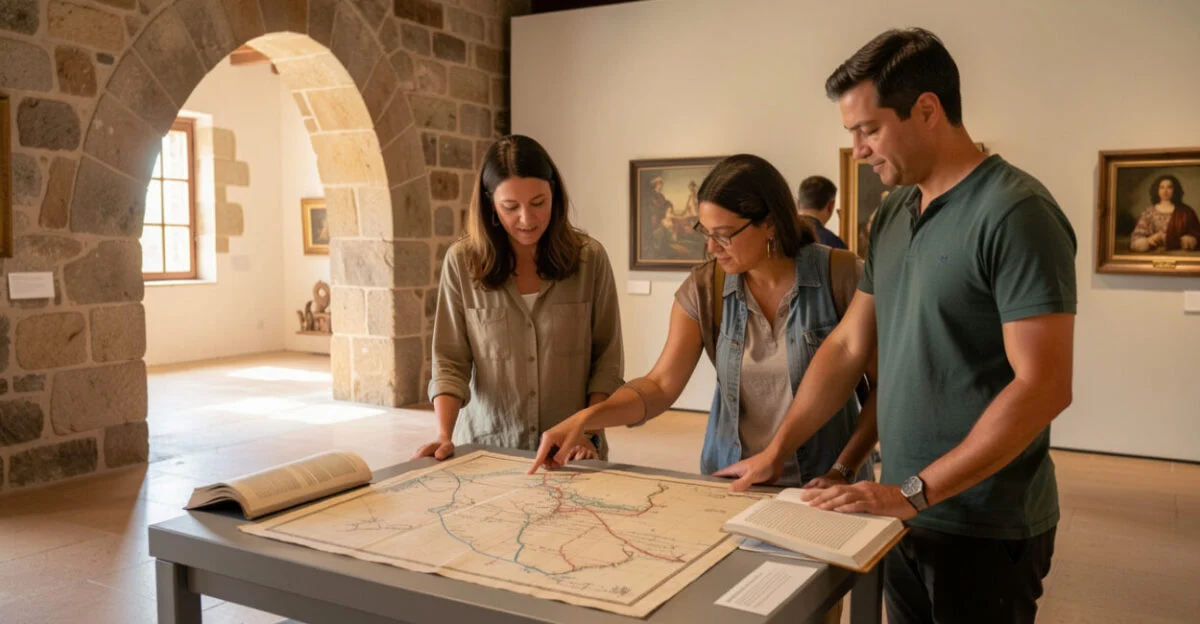
Portugal’s history includes the formation of a medieval kingdom, overseas expansion, and political changes that shaped the modern country. This history helps explain the presence of the Portuguese language in different parts of the world and the diversity of heritage sites connected to the country’s past. Overseas expansion increased the movement of people, goods, and ideas, but it was also tied to conquest, enslavement, and colonial rule. Describing this period only as an adventure or cultural exchange overlooks its lasting effects on colonized societies and power relations.
The establishment of the republic and the transition to democracy are key milestones in modern Portuguese history. Historical influences can be seen in the language, architecture, and institutions, but they do not by themselves explain contemporary culture; migration, Atlantic connections, and social change have also helped shape it. UNESCO recognizes sites in Portugal for their historical and architectural value. The list of Portuguese World Heritage sites helps distinguish internationally recognized locations from other significant sites that do not hold this specific designation.
How the Portuguese economy works

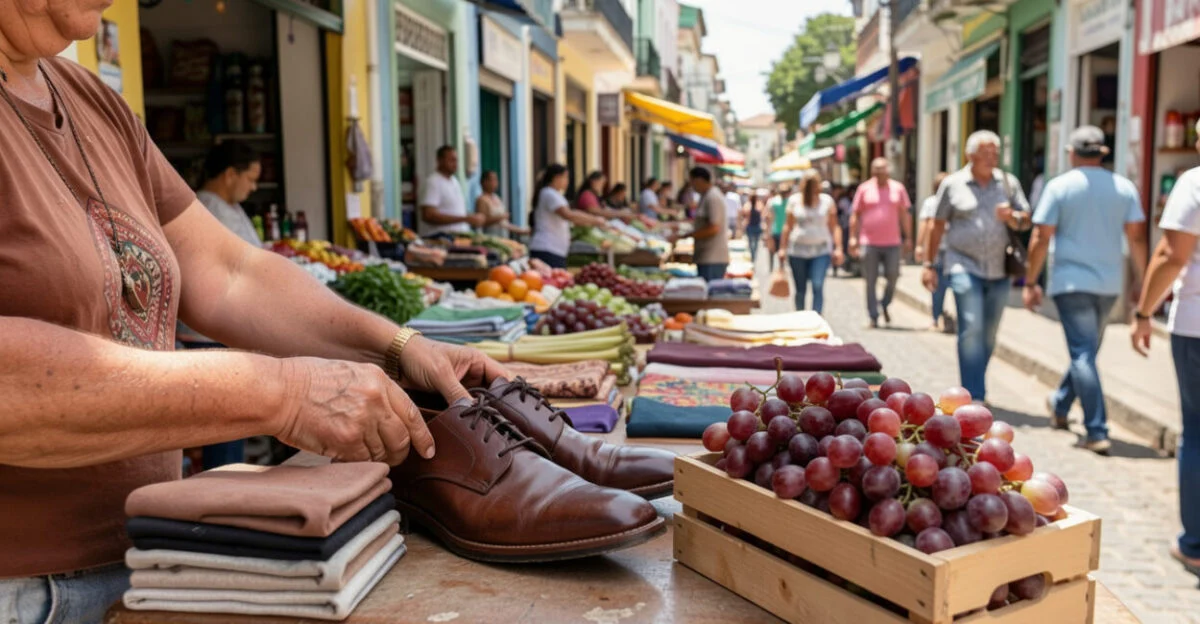
Portugal’s economy includes services, industry, and production, with differences across sectors and regions. Services such as trade, tourism, and business activities make significant contributions, while industry, agriculture, and wine production have varying presence across the country. Components, textiles, and footwear are examples of industrial activities; agriculture and winemaking illustrate primary production and the processing of goods. The distribution of these activities depends on factors such as infrastructure, local specialization, and access to markets. None of them, on its own, defines an entire region.
Tourism and exports help explain the economy, but they don’t tell the whole story. A city with many visitors may also be a hub for retail, public services, and businesses, while nearby towns may depend more on agriculture or industry. Economic comparisons require a specific indicator, time period, and source; without them, percentages and rankings can be misleading.
The Organisation for Economic Co-operation and Development publishes analyses of Portugal’s economy and public policies on its Portugal page. For a rigorous comparison, consult the relevant report and check the year and definition of each indicator.
Read also: Argentina: Economy, Culture, and the Country’s Main Regions
Portuguese culture: language, heritage, and regional expressions
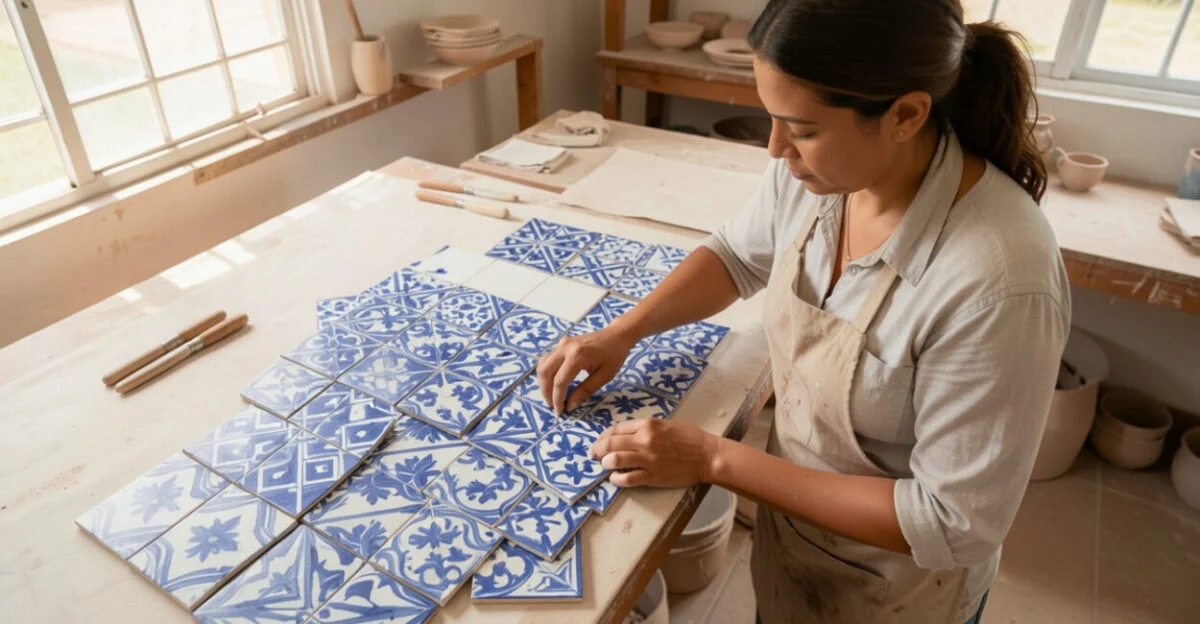
Portuguese culture shares national touchstones but also takes different forms across regions, cities, and communities. The Portuguese language, literature, music, architecture, and cuisine all contribute to this cultural landscape; no single one represents every experience in the country. Azulejos (decorative ceramic tiles) and historic city centers are visible examples of material heritage, while musical traditions and celebrations may be recognized as intangible heritage by the relevant authorities. Fado is a musical tradition associated with Portugal, but it is not an exclusive representation of the music or identity of all Portuguese people.
Atlantic, Mediterranean, and historical influences come together in food, architecture, and local traditions. These categories help describe broader patterns, not rigid boundaries: customs and landscapes can vary within a single region, from the coast to inland areas and urban centers. For a comparison of national identities, the article on Brazil’s cultural and regional diversity offers another example of how geography and history interact without creating a uniform culture.
Read also: Canada: Provinces, Culture, and Information to Explore
Regions of mainland Portugal and how they differ
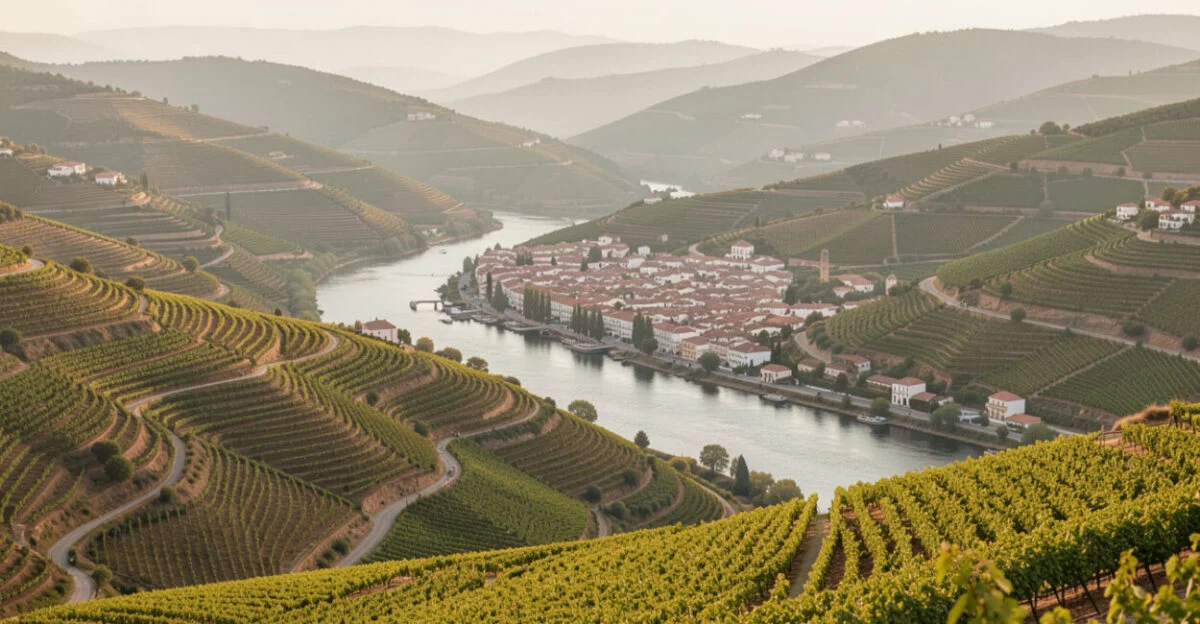
Portugal’s mainland regions differ in their landscapes, urban life, economic activities, and heritage. The North, Center, Lisbon and Tagus Valley, Alentejo, and Algarve offer a useful framework for a general overview, although administrative boundaries and regional classifications can change depending on the purpose of the analysis.
Region
Geographic or urban examples
Features to describe
Caveat
North
Porto, Braga, and areas of the Douro Valley
Urban centers, industrial areas, and rural landscapes
The coast and inland areas have distinct profiles.
Center
Coimbra, Aveiro, and inland areas
Cities of different sizes, agricultural areas, and mountain regions
Features vary between the coast, plateaus, and inland areas.
Lisbon and Tagus Valley
Lisbon, Setúbal, and municipalities in the Tagus Valley
Urban concentration, services, and suburban areas
The city of Lisbon does not represent the entire region.
Alentejo
Évora, Beja, and extensive rural areas
Agricultural landscapes, smaller towns, and historic heritage
Rural areas, cities, and coastal areas differ.
Algarve
Faro, Lagos, and other urban and coastal centers
Coastline, visitor-focused services, and inland communities
The coastal profile does not describe every municipality.
A common mistake is to treat a well-known city as representative of its entire region. This often happens because information tends to focus on urban centers or tourist destinations. To avoid it, compare inland municipalities and less populated areas too, especially if you’re interested in the economy or daily life.
The Azores and Madeira: autonomous regions
The Azores and Madeira are Atlantic archipelagos that form Portugal’s autonomous regions and have distinct geographic features. Insularity—the condition of living on islands—affects transportation, connections between communities, and economic activities, but it doesn’t mean that all the islands in either archipelago are alike.
Archipelago
Geographic context
Features to compare
Points to keep in mind
Azores
Autonomous island region in the Atlantic
Island group, volcanic landscapes, and connections between communities
Distances, services, and activities vary from island to island.
Madeira
Autonomous island region in the Atlantic
Island geography, terrain, and connections with urban areas
The profile of one community should not be applied to the entire archipelago.
When comparing the archipelagos, consider how many trips between islands are required and whether you’ll rely on sea or air connections, rather than assuming logistics are the same as on the mainland. Weather, service availability, and travel times also vary by island and date, so check up-to-date sources.
What to consider when comparing regions or planning a visit
Choosing a region of Portugal to explore depends on your main interests, how much time you have, and the practical details of your trip. Urban centers may be a better fit if you’re focused on museums and services; rural landscapes, the coast, and the islands call for different choices and, in some cases, more travel between destinations.
- Main interest: Decide whether you’re looking for urban centers, heritage, rural landscapes, the coast, or islands.
- Mainland or islands: Keep in mind that the archipelagos require separate planning for connections.
- Length of stay and travel: Consider how long you’ll spend in each area and how you’ll get between communities.
- Season and weather: Check the forecast for your travel dates and chosen destinations.
- Transportation and services: Check schedules, availability, and access to services before deciding on your route.
- Entry requirements: Consult official sources based on your nationality and personal circumstances.
For a country-to-country comparison, the article on the United States and its regional differences can help distinguish national characteristics from internal contrasts. In Portugal, the country’s relatively small size does not eliminate differences in landscape, economic activity, or access; any comparison of costs, weather, or services needs to specify a place and date.
Next steps for understanding the country
For cultural or school research, start with history and heritage, then compare at least one urban area, one rural area, and one island region. To plan a visit, choose a region based on your main interests and check transportation, weather, entry requirements, and services with official sources close to your travel date. Portugal is relatively compact by European standards, but it isn’t uniform. The best comparison depends on the question: culture, the economy, landscapes, and logistics each call for different boundaries and sources.
Frequently asked questions
Does Portugal consist only of mainland territory?
No. The country also includes the autonomous regions of the Azores and Madeira, archipelagos in the Atlantic.
What’s the difference between an administrative region and a cultural region?
An administrative region follows an institutional or statistical boundary; a cultural region describes shared historical, linguistic, or customary traits. Their boundaries don’t have to match, and the classification used depends on the topic being analyzed.
Does fado represent all Portuguese music?
No. Fado is an important musical touchstone, but the country’s music scene includes other traditions and contemporary expressions, with variations across communities and locations.
Is tourism the only significant economic activity in Portugal?
No. Tourism and services play an important role, but the economy also includes industry, agriculture, trade, and other productive activities. The importance of each sector varies by region and should be assessed using data that identifies the year and source.