

Italy: Regions, History, and Culture to Explore
Getting to know Italy is more interesting when you realize that each region changes the scenery, the food, and the pace of your trip.

Getting to know Italy means exploring a peninsula in Southern Europe whose geography and history have shaped distinct regional identities. Landscapes, architecture, customs, and recipes vary widely across the north, center, and south, so choosing a few regions that complement one another usually makes for a better trip than trying to squeeze in too many cities. This diversity shows up in major historical landmarks as well as everyday moments: ordering coffee at the counter, trying a city’s signature dish, and even the way people greet one another. Here are seven points to help you understand the country before planning your itinerary.
1. Getting to know Italy starts with understanding its contrasts
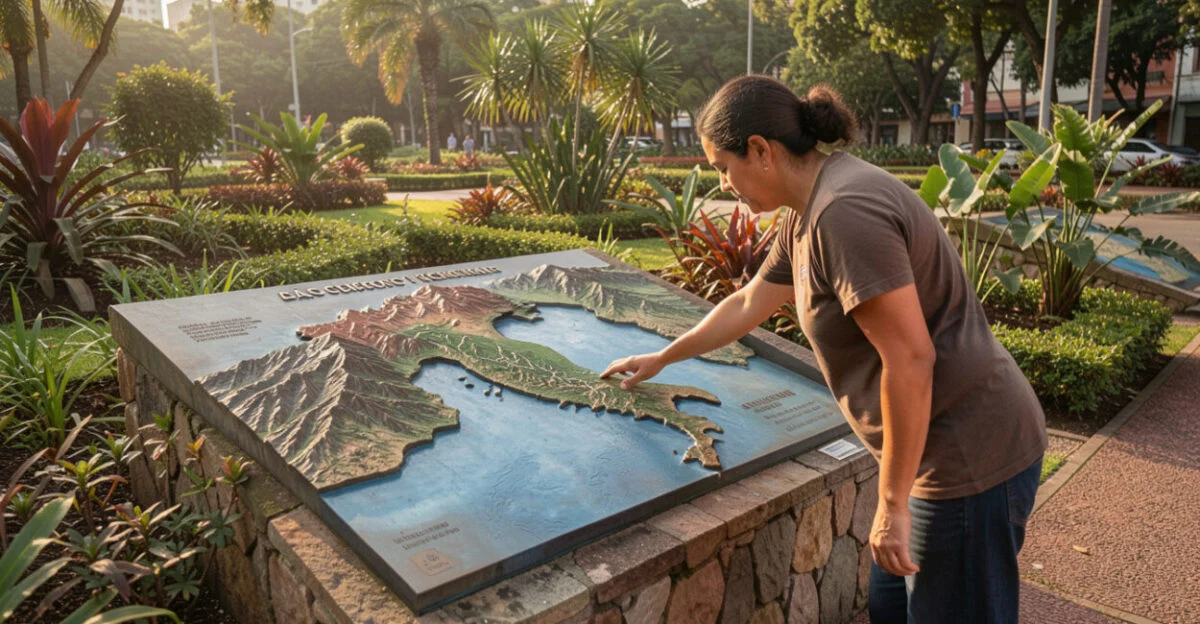
Italy occupies a peninsula that extends into the Mediterranean and includes islands such as Sicily and Sardinia. In the north, the Alps and areas of lowland give way to landscapes quite different from the central hills and southern coasts.
These geographical differences help explain variations in agriculture, cuisine, and architecture, but they don’t fully define the people who live in each place. The north, center, and south are useful points of reference, not rigid cultural boxes. To get a sense of the country’s regional variety, the official tourism portal Italia.it introduces Italy’s regions and their individual destinations and characteristics.
2. Tuscany, Lazio, Sicily, and Lombardy show different sides of Italy
In Tuscany, historic cities and rural landscapes sit alongside the artistic legacy of the Renaissance. Lazio revolves around Rome, where layers of history stretch from antiquity to contemporary urban life.
Lombardy, in the north, is home to Milan as well as lakes and mountain areas. Sicily, an island shaped by a range of historical influences, combines coastal cities, archaeological sites, and volcanic landscapes. This is a sampling, not a complete picture: other regions have their own distinct identities, too.
3. Ancient Rome, the Renaissance, and unification coexist in Italy’s cities

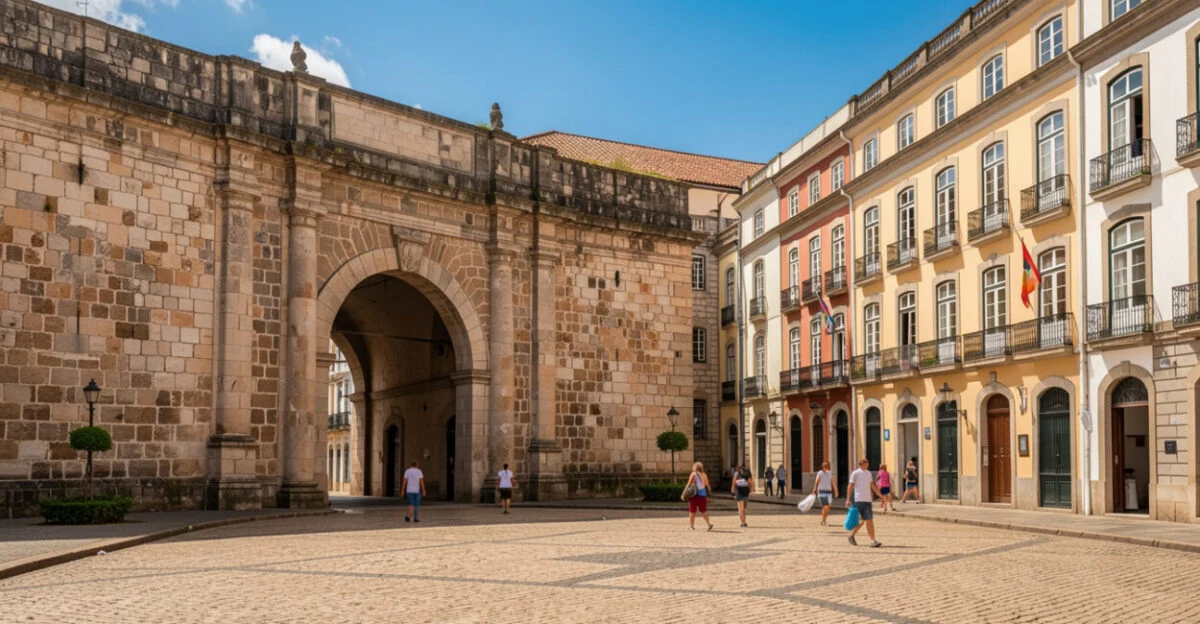
Roman heritage can be seen in ruins, roads, and monuments across the country, while the Renaissance left a strong mark on cities such as Florence. Later, the formation of the Italian state, completed in the 19th century, brought together territories whose histories and traditions endured after unification.
That’s why a single piazza can tell the story of more than one era. The list of Italian sites recognized by UNESCO gives a sense of the country’s cultural and natural heritage, though it can’t replace the experience of seeing how these places are woven into city life.

4. Language and small habits offer a glimpse into daily life
Ciao is informal and can mean either “hi” or “bye.” In more formal situations, buongiorno is a common way to greet someone during the day.
Breakfast is usually simple: coffee and something sweet, such as a croissant or another pastry. Of course, that’s not true for everyone. One practical tip: at some cafés, ordering and paying at the counter works differently from sitting down at a table, so see how things work before deciding.
5. Food varies from region to region
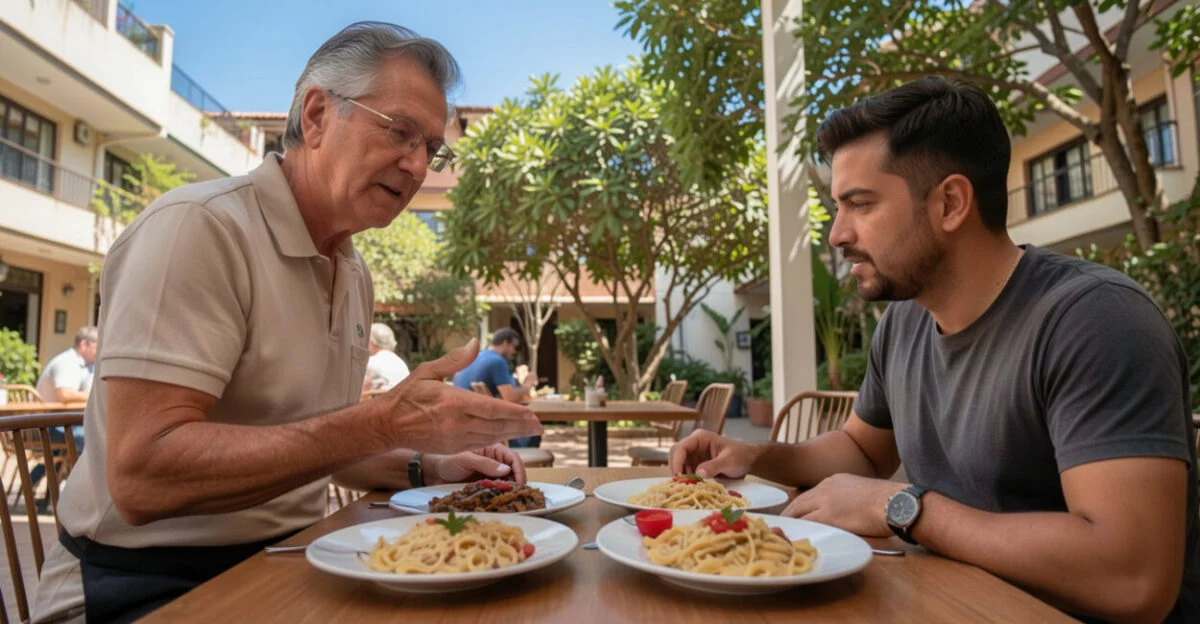
“Italian food” is a broad term for local culinary traditions. Ingredients, pasta shapes, and cooking methods can vary from one region to another, sometimes even between neighboring cities.
Imagine arriving in Rome expecting to find the same menu as in Milan: sticking to familiar dishes might mean missing out on local specialties. The solution is simple: ask what’s typical in that area and choose from there. To compare this variety with that of another country spanning a continent, take a look at Brazil’s cultural and natural diversity, too.
6. Let your priorities determine how long you travel
There’s no one ideal trip length. As a general guideline, 10 to 14 days may be enough to combine a few regions without trying to cover the entire country. Adjust that timeframe based on your preferred pace, interests, and time spent getting from place to place.
If art and history are your priorities, choose nearby cities and leave enough time to explore them without rushing. If you prefer the coast or the outdoors, plan fewer city stops. When planning, remember that changing hotels and crossing the country take hours you could otherwise spend exploring your destination.
7. Popular cities don’t automatically make a ranking
Rome, Milan, Venice, Florence, and Naples are well-known to travelers, but naming popular destinations doesn’t prove which cities get the most visitors. To create a ranking, you’d need to choose a comparable measure, such as arrivals or overnight stays, specify the time period, and use data from a source such as ISTAT, Italy’s national statistics institute.
Without a clearly defined basis, a list of the “30 most visited cities” could mix different measures and imply a level of accuracy it doesn’t have. When deciding where to go, it’s more useful to think about what you’d like to find at each stop. If you’re comparing countries before a trip, you can also check out this overview of the United States, with a different take on territory and culture.
Frequently asked questions
How many days do you need to get to know Italy?
There’s no ideal number for everyone. As a general guideline, 10 to 14 days may be enough to combine a few regions, as long as you don’t try to include the entire country.
Which Italian regions are worth visiting?
It depends on what you’re looking for: Tuscany and Lazio appeal to those interested in art and history; Lombardy combines cities and northern landscapes; and Sicily offers a mix of coastline, historic sites, and diverse settings.
Is there just one kind of Italian food?
No. Culinary traditions and specialties vary among regions and cities, so it’s worth seeing what each place has to offer.
Before booking hotels, choose two or three priorities and see how they connect on the map. Sometimes, leaving one city off the itinerary makes room for a leisurely meal, an unhurried walk, and a more genuine sense of the region.
Artigos Relacionados
 Portugal: History, Economy, Culture, and Regions to Explore
 Canada: Provinces, Culture, and What to Know
 Google My Activity, History, and Your Google Account: What’s Really Saved
 Entry-Level Legal Jobs: 5 Growing Areas to Explore
 Early Childhood Education Across Cultures
 A Morning Routine to Boost Productivity: A Complete Method for Reducing Anxiety, Improving Focus, and Getting More Done Every Day
