
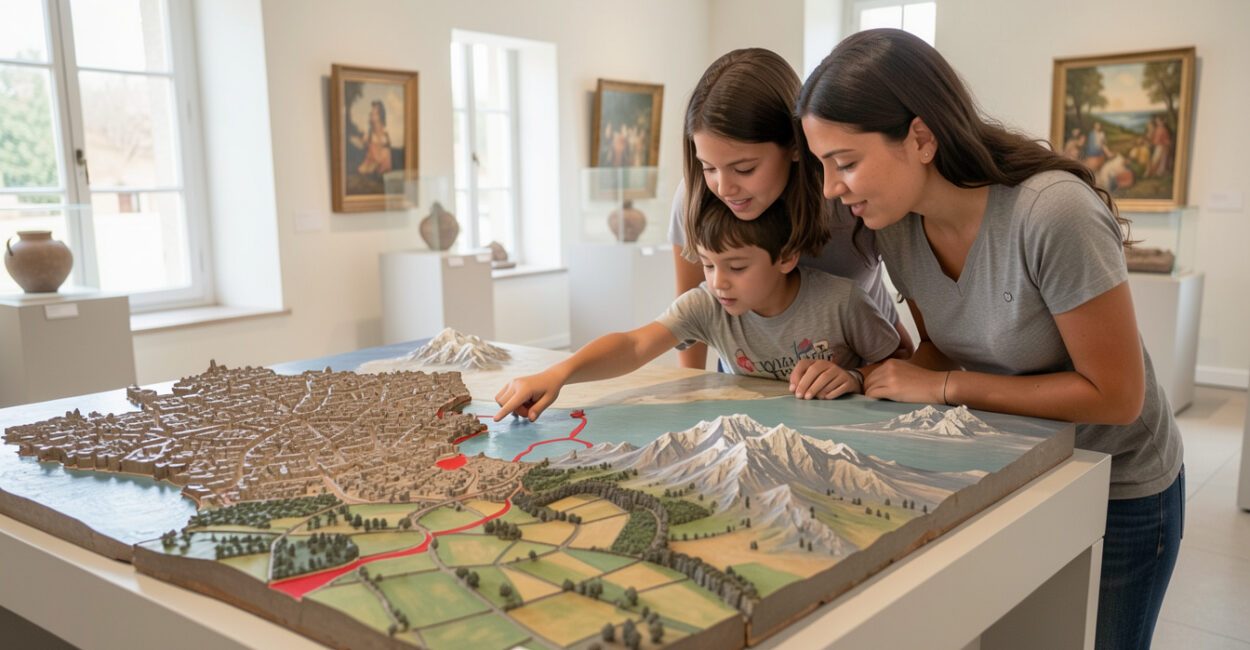
France: Regions, Culture, and Places to Explore
Getting to know France means choosing among very different experiences: museums and city life in Paris, cliffs in Normandy, the Brittany coast, Provençal villages, and mountains in the Alps. This overview helps you connect landscapes and traditions with your interests without treating the country as a single itinerary or trying to cover every destination.

Paris often opens the conversation, but it can’t tell the whole story of France. Each region’s identity comes from the interplay of geography, history, and customs: the sea shapes the pace of coastal towns, mountains influence travel and activities, and the countryside preserves its own landscapes and heritage.
There is also overseas France, with territories outside Europe and distinct geographic realities. To decide where to start, first think about what interests you most: heritage, coastlines, mountains, food, or city life.
Getting to know France starts with understanding its territories
Geographically, metropolitan France refers to the European part of the country. The overseas territories are located in other parts of the world, with landscapes and cultural contexts that greatly broaden the picture of France.
This distinction helps with planning: traveling across European regions is different from planning a trip to a distant territory.
The website of the French Ministry of Overseas Territories provides information about these territories. For anyone looking to get to know France, this detail changes the scope of the search: you can look beyond Paris and even beyond Europe.
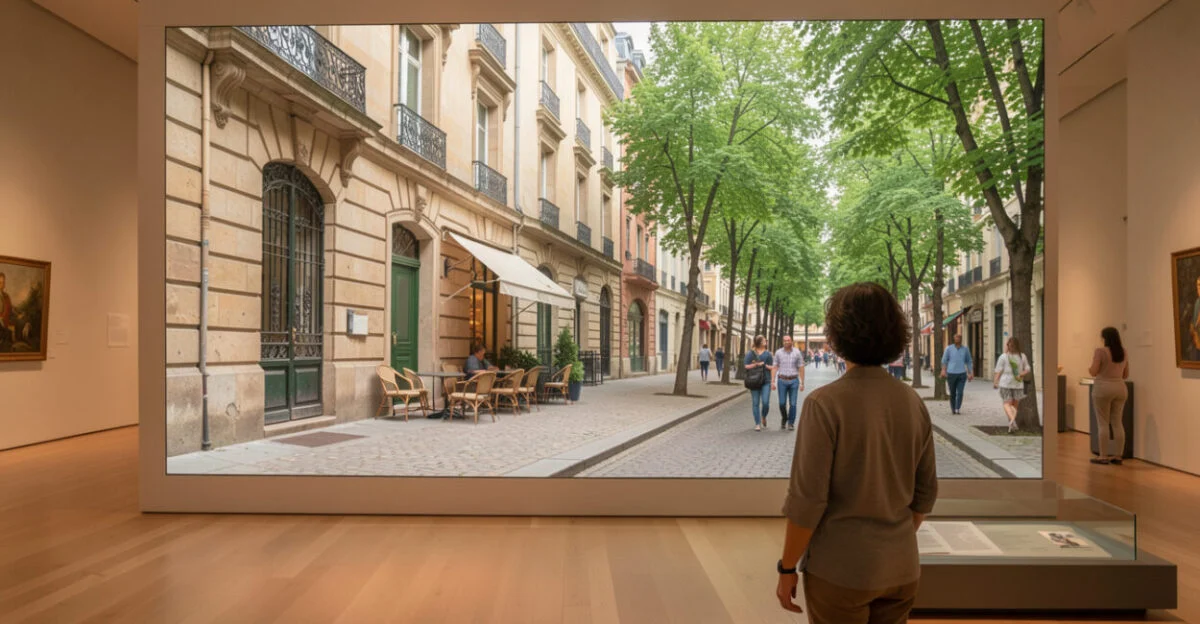
Paris and Île-de-France: heritage at an urban pace
Paris is home to museums, architecture, and public spaces that bring different chapters of French history to life. In Île-de-France, the region surrounding the capital, the urban experience can extend to nearby towns and historic sites. The region is a good fit for people who enjoy art, public transit, and neighborhoods with distinct rhythms. But a visit to the capital can’t stand in for the rest of the country. A common mistake is to schedule so many museums and monuments back to back that there’s little time left to experience the city between attractions. If city life in other countries interests you too, this overview of the United States and its diversity offers another point of comparison.
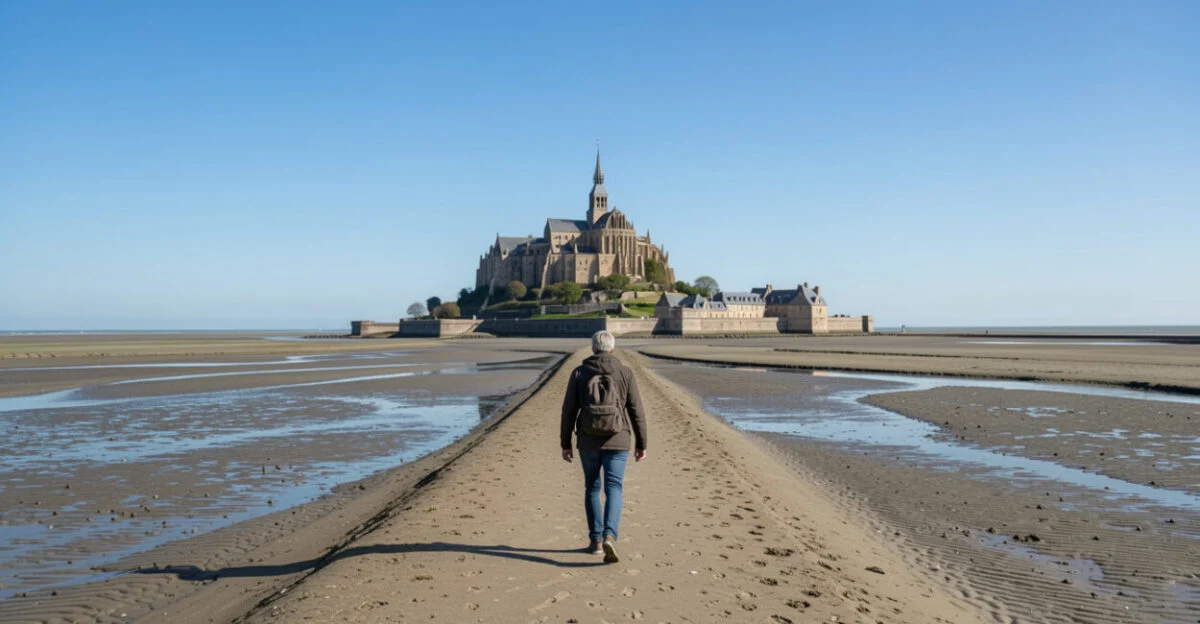
Normandy and Brittany: two ways to experience the coast

In Normandy, places like the cliffs of Étretat and the Mont-Saint-Michel area offer a vivid sense of the power of the coastal landscape and its heritage. In Brittany, the rugged coastline, harbors, and Celtic heritage shape a different regional identity. These are starting points, not guarantees of a particular experience: weather, access, and schedules affect what you can fit into each visit.
If the sea and coastal history are priorities, these regions offer very different places to start. Before choosing, check local information about travel and access, especially when a destination depends on tides or limited transportation schedules.
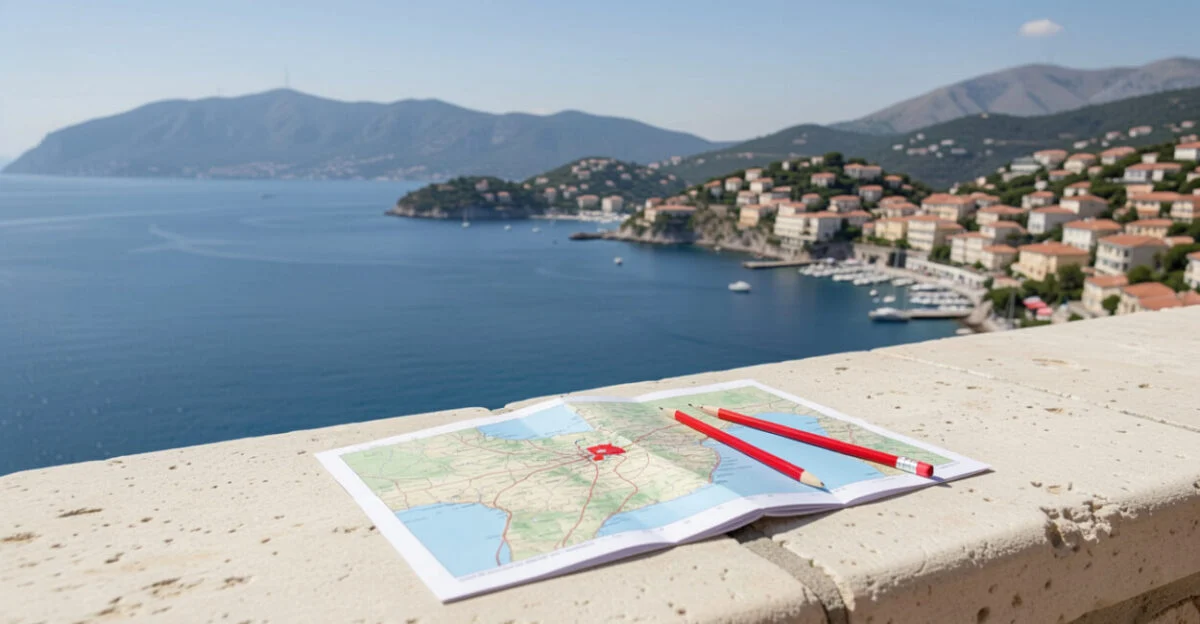
Provence and the French Riviera: exploring the Mediterranean south
Provence and the French Riviera are both associated with the Mediterranean, but they aren’t interchangeable. Provence brings to mind historic towns, villages, and inland landscapes; the Riviera evokes the coast and cities like Nice and Cannes. The climate, terrain, and coastal way of life vary from one area to another, so it’s worth deciding which setting appeals to you most.
Imagine someone with a few days in the south who tries to squeeze in a Provençal town, a beach, and several long drives. The plan sounds varied, but travel time can eat into sightseeing. A better approach is to choose a home base and explore the surrounding area rather than treating the entire coast like one neighborhood.
The Alps, Burgundy, and the countryside: mountains and rural landscapes
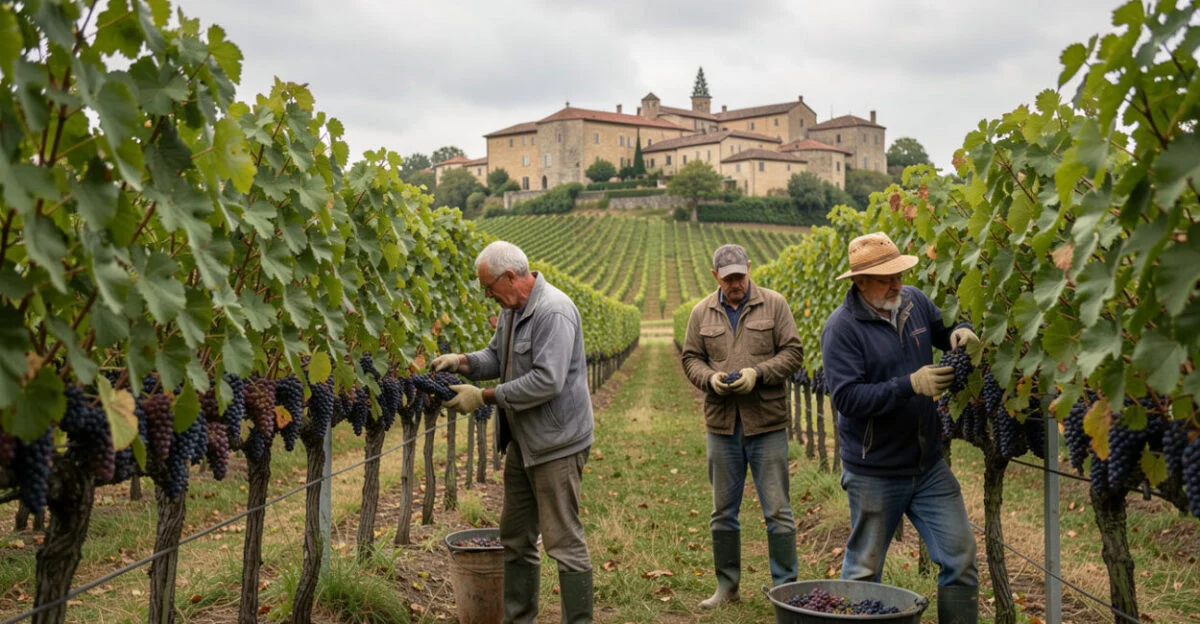
The Alps draw visitors looking for mountains, hiking, or winter activities, depending on the season and local conditions. Inland, regions like Burgundy offer historic towns and landscapes shaped by wine production. Food takes on more meaning when it’s connected to the land, history, and local products, rather than treated as a label for the entire country.
French heritage includes sites recognized by UNESCO, but the list shouldn’t dictate your choices: a Romanesque church, a historic town center, or a cultural landscape may interest you more than a famous attraction. The UNESCO page on World Heritage in France can help you find cultural and natural landmarks.
French culture: national unity and regional identities
The French language, national institutions, and shared heritage provide common points of reference. At the same time, local traditions, histories, and landscapes give each region its own character. This coexistence is part of what makes the country so interesting: you can travel relatively short distances and find a different landscape, architecture, and way of life.
There’s no single “authentic France” that sums up all the others. To see how geography, culture, and ways of life connect in another context, take a look at this overview of Brazil, its cultures, and landscapes.
How to choose French regions based on your interests
Start with a simple question: what do you want to experience firsthand? For heritage and museums, consider Paris and historic towns; for the coast, compare Normandy, Brittany, and the Riviera; for mountains, look into the Alps; for rural landscapes and wine, consider Burgundy and other inland areas. If geographic diversity is your focus, include the overseas territories in your research.
Next, check distances, connections, and how much time you have. Two towns that look close on a map may take longer to reach than you expect, and visiting conditions vary by location and season. Check official tourism agencies and destination websites for hours, access details, and any restrictions before you travel.
Frequently asked questions
Does Paris represent all of France?
No. The capital is an important cultural gateway, but the regions each have their own landscapes, histories, and customs.
What does overseas France mean?
It refers to French territories located outside Europe. They add to the country’s geographic and cultural diversity and require specific travel planning.
How do I choose a region to explore?
First, decide what interests you, such as the coast, mountains, heritage, or city life. Then compare routes, distances, and schedules using official sources, since conditions vary by destination and season.
Artigos Relacionados
 Italy: Regions, History, and Culture to Explore
 Portugal: History, Economy, Culture, and Regions to Explore
 Canada: Provinces, Culture, and What to Know
 Entry-Level Legal Jobs: 5 Growing Areas to Explore
 Early Childhood Education Across Cultures
 A Morning Routine to Boost Productivity: A Complete Method for Reducing Anxiety, Improving Focus, and Getting More Done Every Day
