Spain is home to communities with distinct identities, reflected in the languages people speak, the food they eat, and even the landscapes you encounter along the way.
Getting to know Spain means understanding a country on the Iberian Peninsula made up of autonomous communities, each with its own history and regional traditions. Castilian Spanish is spoken alongside languages such as Catalan, Galician, and Basque; paella is associated with the Valencia region, while pintxos are closely tied to the Basque Country. This diversity changes how you read the map and plan your trip. Visiting Barcelona, for example, offers a different cultural and linguistic context from traveling through Galicia or Andalusia.

Getting to know Spain starts with its regional identities
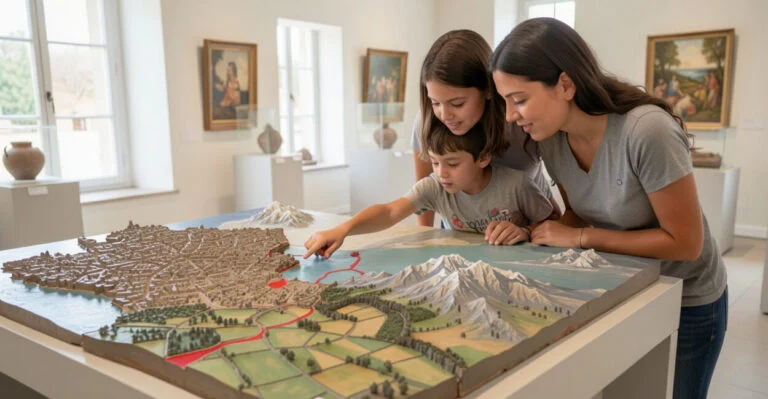
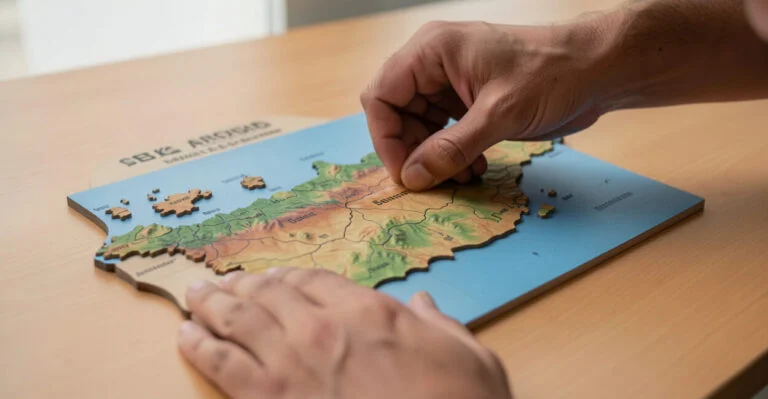
Autonomous communities are territorial divisions with their own institutions and powers defined by the Constitution and statutes of autonomy. For travelers and anyone studying the country, they help pinpoint cultural differences, although identities and customs do not always align neatly with administrative boundaries. Spain has Mediterranean and Atlantic coastlines, mountain ranges, inland plateaus, and archipelagos. Galicia, in the northwest, has Atlantic landscapes; the Pyrenees run along part of the border with France; and the Canary Islands lie in the Atlantic off the coast of Africa. Still, none of these images captures an entire region.
The administrative map is a useful starting point, but it doesn’t tell the whole story of any place. Article 3 of the Spanish Constitution recognizes the country’s linguistic diversity. The article is available in the official text published in the Boletín Oficial del Estado, Spain’s official gazette.
Castilian Spanish coexists with other languages
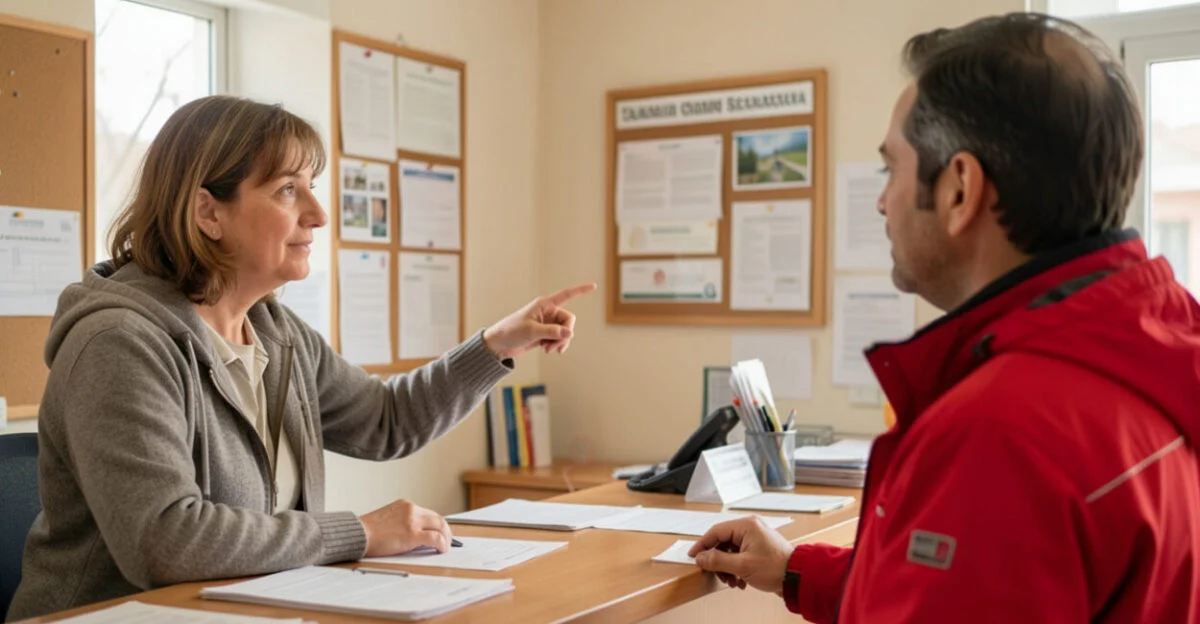
Spanish, also called Castilian, is the official language of the state. Catalan, Galician, and Basque are also official in their respective communities under their statutes of autonomy; everyday use varies by city, context, and personal preference. In Catalonia, you’ll see Catalan on signs and may encounter it in public services and conversations. In Galicia, Galician has a strong presence alongside Castilian Spanish. Basque, or Euskara, has origins distinct from those of the Romance languages and is spoken in the Basque Country and parts of Navarre.
This doesn’t mean that each language maps to a rigid cultural boundary. One practical tip can help visitors avoid awkward moments: notice which language is used on signs or by staff, and if you’re not sure which one to use, ask politely. Linguistic diversity is part of public life and regional identity in many parts of Spain.
Festivals and music are rooted in particular regions

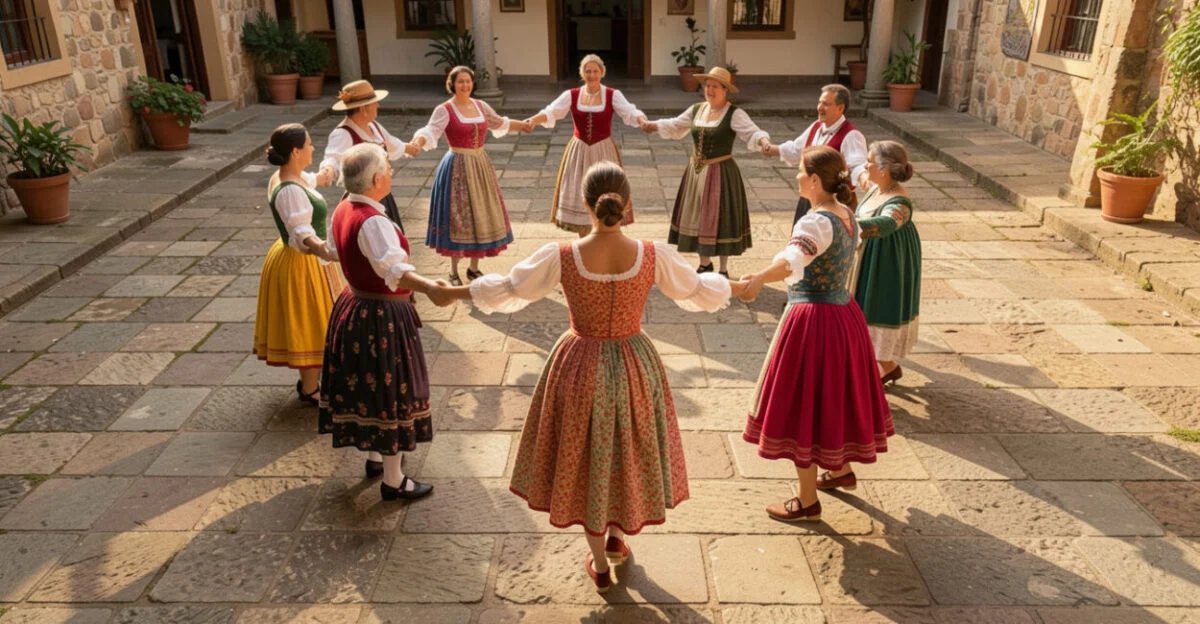
Flamenco, sardana, and local festivals aren’t interchangeable parts of a single, uniform culture. Flamenco has deep roots in Andalusia; sardana is a dance associated with Catalonia. Celebrations and calendars also vary from city to city, so a well-known festival may not reflect everyday life in other regions.
The same goes for the image of Spain portrayed in posters and movies. If you’re thinking of adding a local event to your itinerary, check the dates with the city’s tourism office: schedules can change from year to year, so don’t assume a national calendar will have the details.
Each Spanish region tells a different part of the country’s story.
To compare this rich mix with other national identities, see how Brazil’s cultural diversity is expressed.
Spanish cuisine varies from one region to another
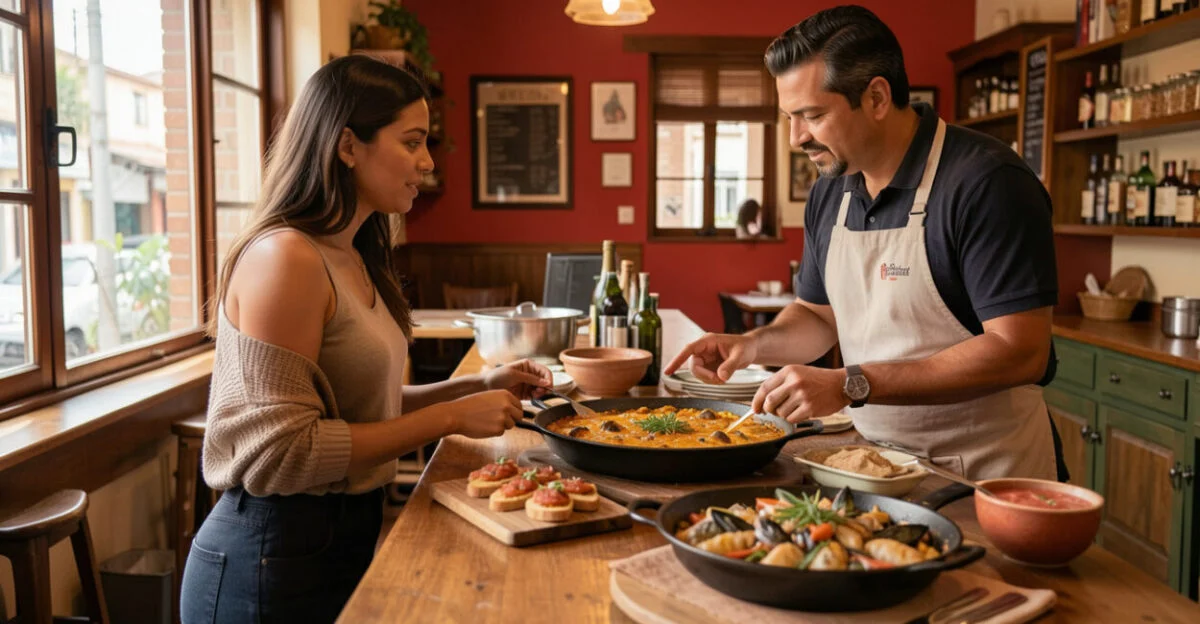
Paella is associated with the Valencia region, but ingredients and cooking methods vary, even within Valencia itself. In the Basque Country, pintxos are often served in bars as small bites on or alongside a slice of bread; the selection varies from one place to another.
Other examples help bring the regions into focus: Galicia is known for seafood dishes, while Andalusia has its own traditions of chilled soups, such as gazpacho. These are regional specialties, not a menu every Spaniard is expected to follow.
When choosing a dish, ask where the recipe comes from and what ingredients it includes. That curiosity often leads to a more interesting conversation than searching for a single, supposedly “Spanish” cuisine.
Famous cities offer different gateways to Spain
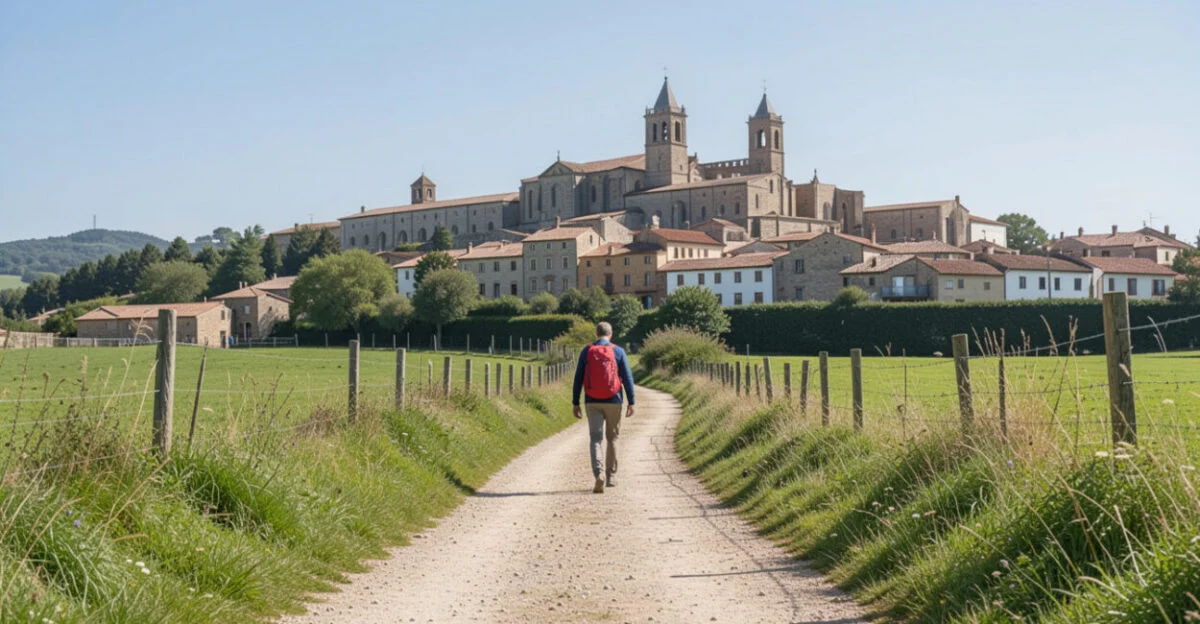
Madrid offers a chance to explore cultural institutions and life in a major capital; Barcelona combines architecture, coastline, and Catalan influences. If you’re most interested in historic landmarks and Andalusian traditions, Seville offers a different perspective. Santiago de Compostela, in Galicia, brings together urban history and pilgrimage routes.
These cities are starting points, not substitutes for the regions around them. If you’re also researching other countries, the article on regional differences in the United States looks at a different national context without obscuring the distinct character of each place.
Plan your itinerary around weather, transportation, and local events
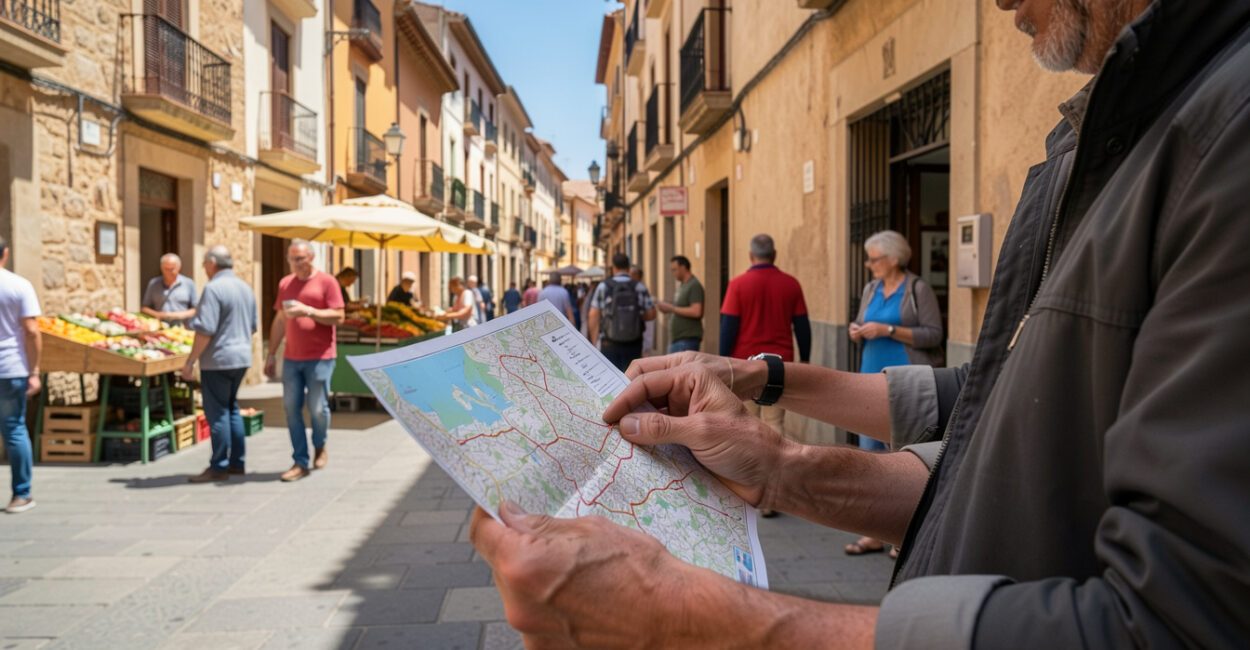
Before finalizing your itinerary, compare seasonal conditions at each stop: the coast, mountain areas, and islands may call for different clothes and plans on the same trip. Check transportation schedules and connections for each leg, too; distances on a map don’t always indicate how easy it is to get around.
- Don’t treat a regional festival as a nationwide custom.
- Don’t assume everyone speaks only Castilian Spanish.
- Don’t plan your itinerary without checking the weather and connections between cities.
For travel information, consult Turespaña, Spain’s official tourism agency, and the tourism websites of the autonomous communities on your itinerary. If you compare Spain with other destinations, keep the focus on local differences: an overview of Brazil’s culture and geography also shows how a country can encompass very different realities.
Frequently asked questions
How many autonomous communities does Spain have?
Spain has 17 autonomous communities and two autonomous cities, Ceuta and Melilla.
Can you travel around Spain speaking only Castilian Spanish?
Castilian Spanish is official throughout the country and is usually enough for many travel situations. In some regions, you’ll also encounter other official languages and may see signs or service materials in those languages.
Are paella and flamenco typical of all of Spain?
They’re associated with Spain, but each has specific regional ties: paella is linked to the Valencia region, and flamenco to Andalusia. Practices and interpretations vary, and neither represents all Spaniards on its own.
Choose a region based on what you want to explore: a language, a landscape, or a culinary tradition. Then check the local calendar and transportation options. The map becomes more than a route between cities—it starts telling different stories.