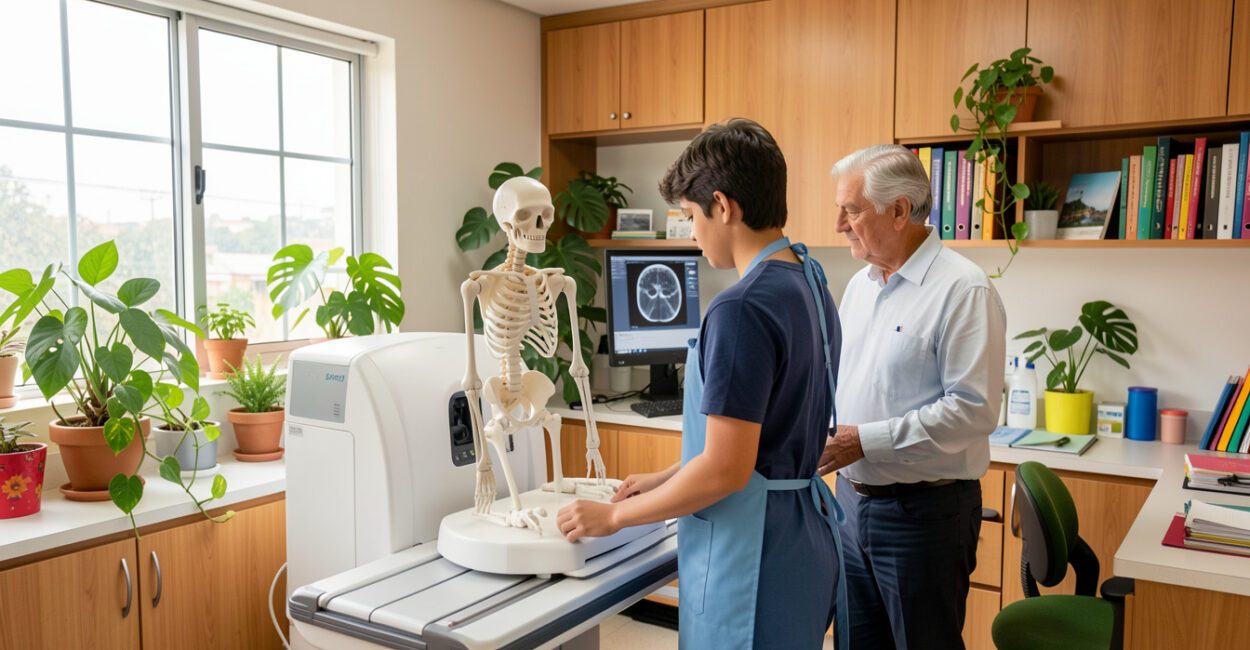
An X-ray can help identify a fracture, while a CT scan shows internal structures in greater detail. Radiology encompasses diagnostic imaging methods and professional training related to producing these exams safely. But choosing a career path means understanding the difference between a radiologic technician or technologist and a radiologist: these are distinct professions, each with its own training and scope of practice.
People researching the program also often want to know how long it takes, how clinical training works, and what salary to expect. The answers depend on the type of program, the institution, the region, and the job; figures presented without context can lead to a poor choice.

What does radiology mean, and what is it used for?
Radiology is the field that uses imaging methods to examine structures in the body, support diagnoses, and monitor diseases or treatments. Put simply, it turns physical signals, such as X-rays or sound waves, into images that health professionals interpret to guide clinical decisions. An exam does not necessarily establish a diagnosis on its own. The care team considers the images alongside symptoms, medical history, a physical exam, and other results. An X-ray, for example, may show a fracture, but the provider responsible for the case determines treatment based on all the information.
The term is also associated with different professions. Radiologic technicians and technologists perform and organize imaging procedures within their scope of practice. A radiologist is a physician with a degree in medicine who completes specialized medical training to interpret exams and issue reports.
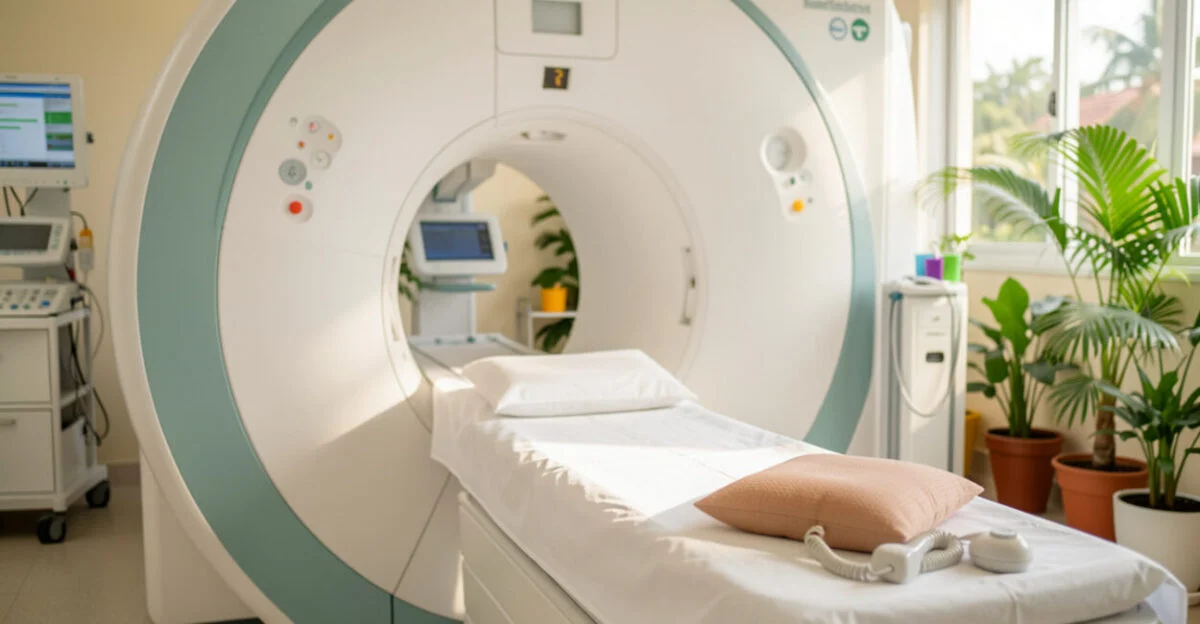
What does a radiology professional do day to day?
Duties vary depending on training, workplace, and type of exam. In general, the work involves preparing for procedures, guiding patients, and helping ensure images are captured safely and at the right quality.
- Radiologic technician: Performs imaging procedures within their training and scope of practice, following protocols and radiation safety standards.
- Radiologic technologist: Has an undergraduate-level technology degree and may work in diagnostic imaging services, with responsibilities related to equipment operation, processes, and quality, in accordance with applicable laws and workplace policies.
- Radiologist: A physician specialist who interprets exams, writes reports, and may help establish protocols and discuss clinical cases with other professionals.
In day-to-day work, correctly identifying the patient and the area being examined matters just as much as operating the equipment. Incorrect positioning or an order that was not properly checked may require the image to be taken again; with exams that use ionizing radiation, a repeat means unnecessary exposure for the patient. Protocols and careful communication help prevent this problem.
A degree in Speech-Language Pathology also prepares healthcare professionals, but to assess and treat communication, voice, hearing, and swallowing—not to perform radiology exams or issue imaging reports.
What are the main areas of radiology?

Radiology can be understood in terms of imaging modalities and work settings. These should not be confused with medical specialties: CT is an imaging modality, while pediatric radiology is an area of medical practice focused on interpreting exams for children.
- Conventional radiography: Uses X-rays to produce images, commonly of bones and the chest.
- Computed tomography: Combines X-rays and computer processing to create cross-sectional images.
- Magnetic resonance imaging: Uses a magnetic field and radiofrequency waves, not X-rays.
- Ultrasound: Uses sound waves and can show organs and structures in real time.
- Nuclear medicine: Uses radiopharmaceuticals to evaluate bodily functions and processes.
- Dental radiology: Produces images of the teeth and facial structures in settings specific to dentistry.
Other areas include mammography, radiation therapy, and interventional radiology. Training requirements and permitted duties vary by role and applicable regulations; studying a particular modality does not automatically qualify someone to perform every procedure.
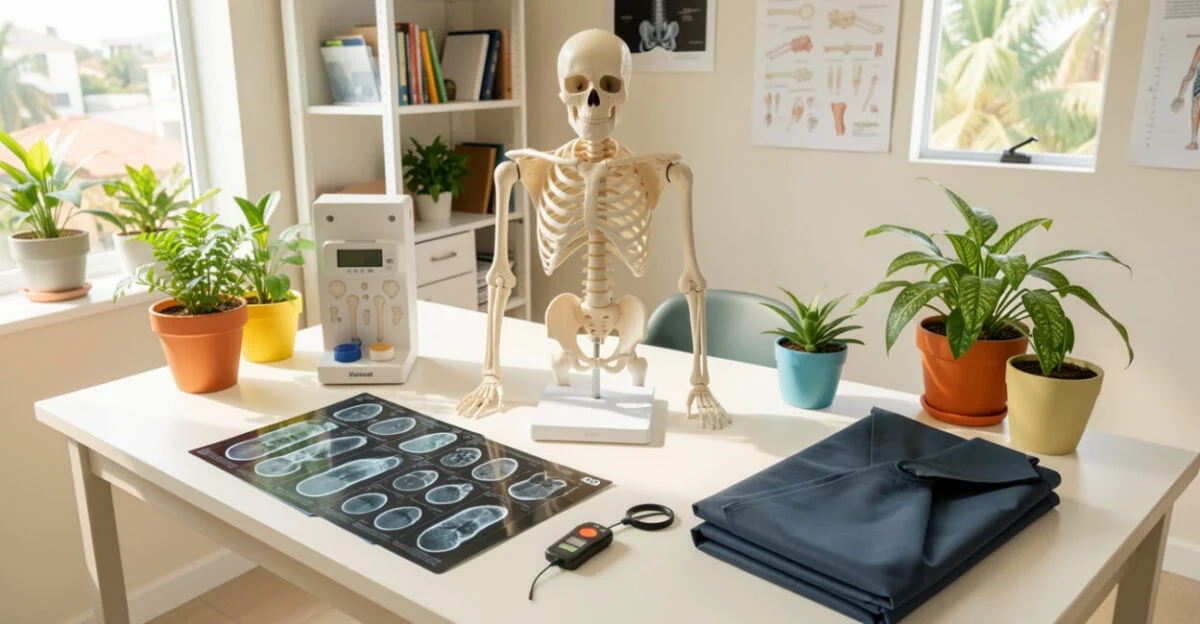
What is a radiology program like, and what do students learn?
A radiology degree is an undergraduate-level technology program in healthcare, focused on diagnostic imaging processes and radiation protection. The curriculum typically combines anatomy, applied physics, imaging techniques, patient positioning, biosafety, image processing, and quality control. Curricula vary by institution, so the program title alone does not tell you everything about the training offered.
Read also: A Degree in Esthetics and Cosmetics: Everything You Need to Know
The National Catalog of Higher Technology Programs from Brazil’s Ministry of Education is a reference for checking the technologist’s professional profile. The professional standards and guidance of the National Council of Radiologic Technicians (CONTER), Brazil’s regulatory body for the field, can also help clarify the regulated scope of practice.
Aspect Technical program Technologist degree Level Secondary-level technical education Undergraduate technology degree Focus Preparation for technical duties in radiology services Higher education focused on imaging processes and services Duration Depends on the curriculum and institution Usually about three years; confirm the specific program Further study May continue to a degree program, subject to admission requirements May apply to graduate programs that accept degree holders
Radiologists follow a different path: a medical degree followed by specialized medical training in Radiology and Diagnostic Imaging. So, earning a radiology degree does not qualify someone to practice medicine or issue medical reports.
Read also: A Degree in Computer Networking: Everything You Need to Know
Programs advertised as “online radiology” deserve careful scrutiny. Theoretical coursework may be offered remotely, but hands-on training and clinical placements require appropriate in-person arrangements and supervision. Before enrolling, review the program curriculum, authorization, and lab facilities. To compare healthcare degree programs, also see how a degree in Occupational Therapy is structured; it has a different subject area and scope of practice.
How long does training take, and how do clinical placements work?
A radiology technology degree usually takes about three years, while the length of a technical program depends on its required hours and curriculum. There is no single timeline that applies to every institution, so review the curriculum, academic calendar, and program plan before comparing options. Required clinical placement hours also depend on the curriculum and applicable standards. It is not safe to cite one universal number of hours without checking the program type and institution. Ask for the program plan and confirm where the placement will take place, who will supervise it, and how the school documents completion of the required hours.
A typical example: during an exam, a patient may have trouble holding a position because of pain or limited mobility. The team must adjust its instructions and positioning without compromising safety or image quality. This illustrates why supervised practice matters: the job requires communication and sound operational judgment, as well as knowledge of the equipment.
Where can radiology professionals work, and what is the job market like?
People with technical or technologist training can look for opportunities at hospitals, diagnostic imaging clinics, health centers, dental practices, and other workplaces that perform exams suited to their qualifications. Job openings depend on local demand, experience requirements, imaging modality, and hiring rules. The work is integrated with healthcare teams. The professional responsible for acquiring images follows the order and workplace protocols; the radiologist interprets the exams and may discuss findings with the provider caring for the patient. This division of responsibilities helps prevent technical work from being confused with medical diagnosis.
When evaluating radiologic technician job postings, compare the listed duties with your training, professional registration requirements, schedule, and imaging modality. A degree in Physical Education, for example, also leads to work in healthcare and with people, but prepares graduates for different roles and does not replace radiology training.
What is the salary in radiology?
Salary depends on the job, region, schedule, experience, and type of employer. Radiologic technicians, technologists, and radiologists should not be compared as though they perform the same job; physician compensation, in particular, reflects different working conditions and qualifications from technical careers. For verifiable salary figures, consult the Novo CAGED or RAIS databases maintained by Brazil’s Ministry of Labor and Employment. Check the reporting period, occupation used in the search, location, and whether the figure represents starting pay, average earnings, or another measure. These databases cannot guarantee that a particular job will pay the calculated average.
Because the data vary by category and are updated regularly, no single figure represents “radiology salary” across all of Brazil. When comparing job offers, also consider the schedule and conditions listed; if you have questions about professional rights or job classification, consult CONTER and the applicable regulations.
Frequently asked questions
Can you pursue graduate school after earning a technologist degree?
In general, graduates with an undergraduate technology degree can apply to graduate programs that accept applicants with a college degree. Requirements depend on the program and the institution offering it.
Are radiology and diagnostic imaging the same thing?
The terms are used similarly at many workplaces, but “diagnostic imaging” usually refers to the range of exams and procedures that produce images for clinical evaluation. Diagnostic interpretation and medical reporting are the responsibility of a professional qualified for that role.
Do radiology professionals need a professional license or registration?
Requirements vary by profession and role. Radiologic technicians and technologists should check licensing and registration rules with the CONTER/CRTR system, Brazil’s national and regional radiology councils, and confirm employer requirements before starting work.
Is dental radiology a separate profession?
It is an area of imaging focused on oral health and facial structures, not a separate category that replaces a professional’s foundational training. Permitted duties depend on the professional’s qualifications and the rules governing dental services.