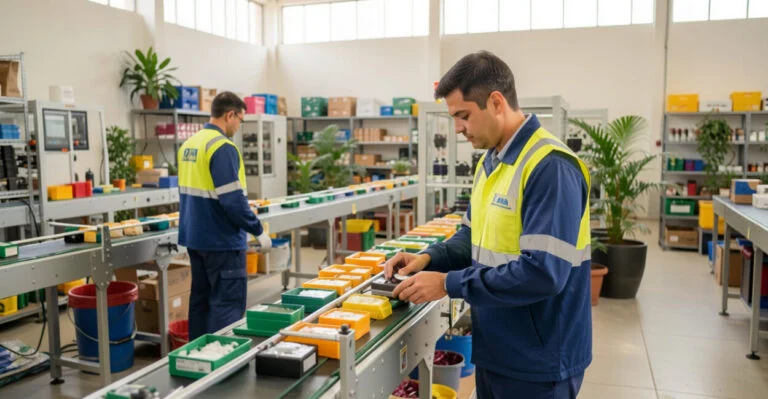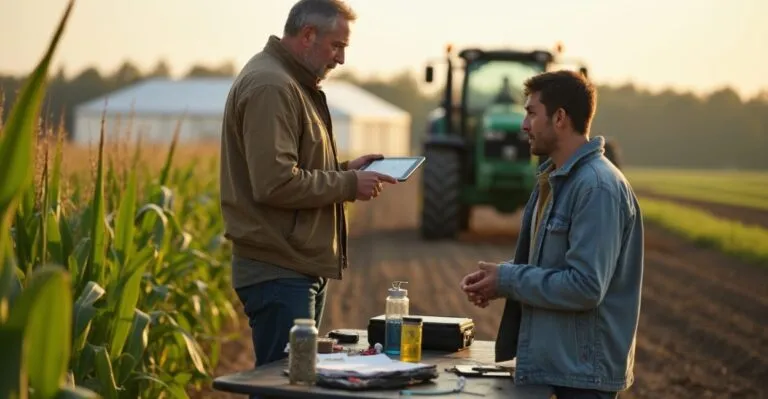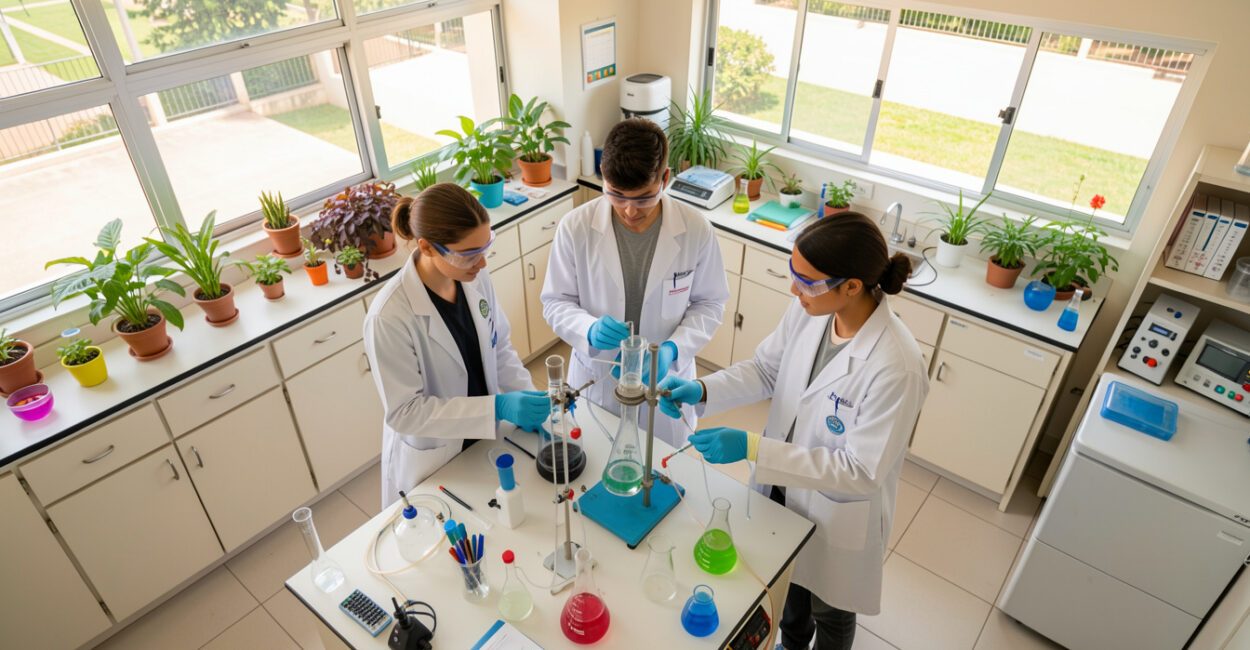
It’s a branch of engineering that combines principles from chemistry, physics, mathematics, and biology to design, operate, and optimize industrial processes that turn raw materials into valuable products, with a focus on scalability, safety, and sustainability.
In academic and professional settings, understanding reactors, separations, thermodynamics, and process control is essential to preparing engineers to tackle challenges such as energy efficiency, emissions, and process innovation. A degree program develops the technical, analytical, and management skills needed for careers in industry, research, and consulting.

The program includes lab courses, internships, and capstone projects that connect theory with practice, preparing professionals to work in industries such as petrochemicals, food, pharmaceuticals, and energy, with an emphasis on safety standards and environmental best practices.
Key Takeaways
- Multidisciplinary education focused on industrial processes and sustainability.
- Skills in the design, operation, and optimization of chemical plants.
- Strong demand in key industries such as energy, food, and pharmaceuticals.
An Overview of Chemical Engineering
Definition and Scope of Chemical Engineering
Chemical engineering covers the study and application of unit operations, chemical reactors, and separation systems to turn raw materials into useful products while ensuring efficiency, quality, and regulatory compliance in industrial operations. This field includes mathematical modeling, process control, equipment design, and economic feasibility analysis. It draws on thermodynamics, kinetics, and heat and mass transfer to develop robust solutions.
Professionals apply scientific principles to product and process development, prioritizing workplace safety, waste reduction, and the adoption of clean technologies that make processes competitive and sustainable.
Career Paths and Industries
Graduates work in the petrochemical, food, pharmaceutical, pulp and paper, and energy industries, as well as in consulting, research, and education. These fields require knowledge of continuous and batch processes, standardization, and industrial scale-up. Projects may involve process optimization, reducing operating costs, implementing treatment facilities, and developing new products, always with environmental regulations and corporate social responsibility in mind.
Additional skills in project management, regulations, and process economics improve employability and make it easier to move between technical, supervisory, and strategic leadership roles.
Skills Developed in the Program
The program prepares professionals with skills in modeling, simulation, equipment design, risk analysis, and process management. Coursework combines theory with lab work and internships to build analytical and operational skills relevant to the job market. Alongside technical subjects, the curriculum typically includes training in industrial safety, regulations, sustainability, and entrepreneurship, preparing graduates to innovate and adapt in a changing world.
Transferable skills such as communication, teamwork, and leadership are reinforced through capstone projects that simulate real-world challenges at industrial plants, preparing graduates for technical and management roles.
Curriculum and Key Courses
Typical Chemical Engineering Curriculum
The curriculum typically combines foundational courses in mathematics, physics, and chemistry with specialized subjects such as thermodynamics, chemical kinetics, unit operations, and process control, along with hands-on labs and a capstone project. Electives and extracurricular activities allow students to specialize in areas such as bioprocesses, environmental engineering, and petrochemicals, broadening career and academic research opportunities in the field.
Hands-on training through internships and a capstone project connects theory with real-world industrial practice, requiring students to apply what they’ve learned to solve complex technical problems.
Labs and Essential Hands-On Experience
Labs in thermodynamics, reactors, separation, and instrumental analysis are essential for reinforcing theoretical concepts. These experiences build experimental skills, teach students to handle substances safely, and help them interpret data to make decisions. Lab work often includes measuring physical properties, characterizing materials, and testing reactor performance, fostering a deeper understanding of process behavior and operational scale-up.
Experience with instrumentation, automation, and simulation software is essential for preparing professionals to optimize processes and implement control systems in modern industrial plants.
Internships and Industry Connections
Supervised internships introduce students to day-to-day industrial work, allowing them to apply theory, develop professional skills, and network with companies seeking chemical engineers with technical and management expertise. Capstone projects and academic partnerships with companies make it possible to develop real-world solutions, encouraging innovation and improving job prospects. Many institutions maintain partnerships with industries to connect them directly with new graduates.
Hands-on experience strengthens skills in safety, quality, and process management, helping graduates move more quickly from school into operational and technical leadership roles.
Tools and Technologies

Simulation and Software in Chemical Engineering
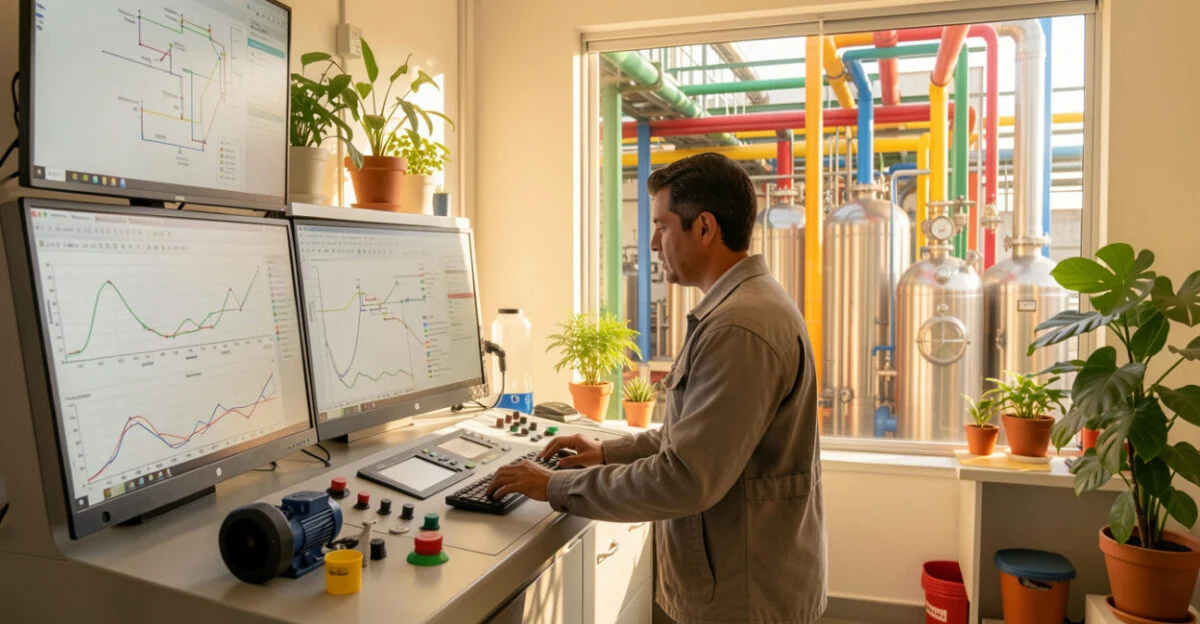
Software such as Aspen Plus, HYSYS, and MATLAB is widely used to model and simulate processes, helping engineers predict behavior, optimize operations, and evaluate design alternatives with technical and economic rigor. Proficiency in CAD and computational fluid dynamics tools rounds out a chemical engineer’s technical skill set, supporting equipment design, thermal performance analysis, and energy efficiency assessments.
Integrating control systems with digital platforms and data analytics makes an understanding of industrial automation and programming essential for implementing Industry 4.0 solutions in chemical plants.
Automation, Control, and Instrumentation
SCADA systems, PLCs, and field instruments support safe, efficient operations. Knowledge of PID control, control logic, and industrial networks enables engineers to design robust strategies for keeping critical parameters stable. Automation enables real-time monitoring, reduces variability, and improves operational safety, making it vital for industries that must meet quality standards and maintain process traceability.
Instrumentation training includes sensor selection, calibration, and integration with data acquisition systems, all of which are essential for making decisions based on operational performance indicators.
Innovation and Digitalization
Digitalization, including big data, machine learning, and predictive maintenance, is changing how industrial facilities operate, improving efficiency, reducing downtime, and optimizing energy use. Research projects and startups apply advanced techniques to develop catalysts, bioprocesses, and carbon capture technologies, aligning technological innovation with sustainability goals and industrial competitiveness.
Engineers need to be able to integrate digital solutions with process knowledge, enabling data-driven decisions and the adoption of smart, agile industrial practices.
Read also: Information Systems Degree: Everything You Need to Know
Projects, Sustainability, and Safety
Planning and Managing Chemical Engineering Projects
Project management involves planning, economic feasibility analysis, scheduling, and resource allocation, along with technical risk assessment. Management skills help teams deliver projects on scope, on budget, and on time. Tools such as cash flow analysis, economic evaluation methods, and risk mitigation techniques are essential for justifying investments in plants and technologies while ensuring returns and regulatory compliance.
Read also: Systems Analysis and Development Degree
Coordination across multidisciplinary teams and effective communication are essential to executing complex projects, from conceptual studies through commissioning and industrial ramp-up.
Sustainability and Energy Efficiency
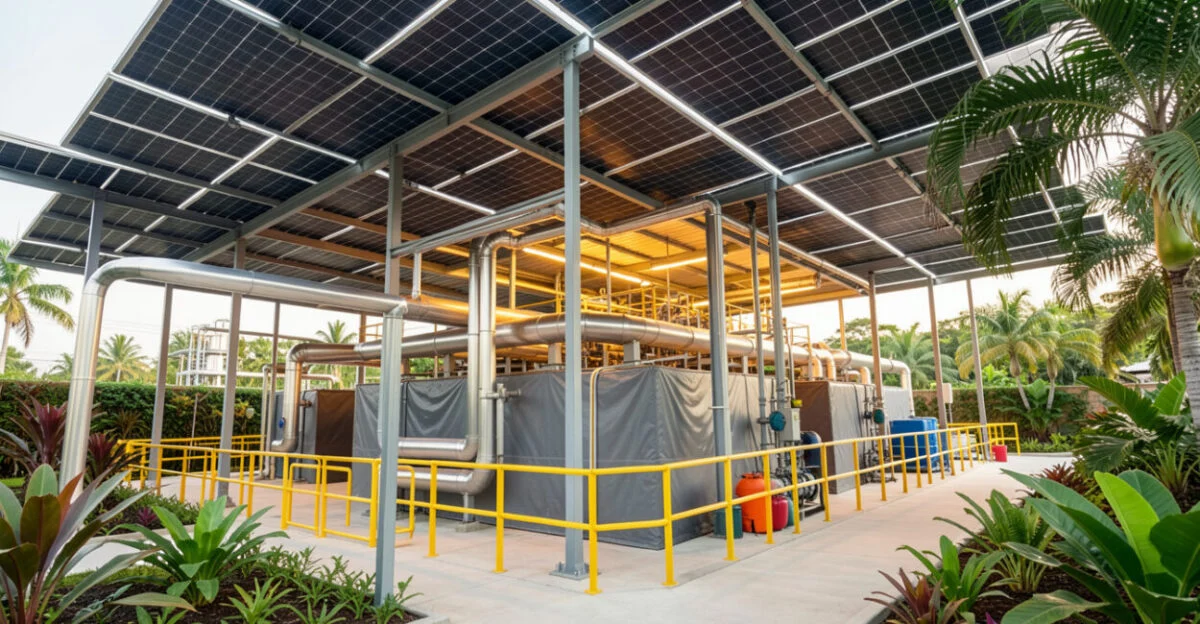
Sustainable practices such as energy optimization, the circular economy, wastewater treatment, and emissions reduction are central to modernizing processes and balancing economic performance with environmental and social responsibility. Heat recovery technologies, process intensification, and renewable energy sources reduce environmental impacts and operating costs, making companies more resilient and competitive in regulated markets.
Life cycle assessments and sustainability indicators support technical and strategic decisions, promoting transparency and compliance with certification requirements and environmental regulations.
Process Safety and Risk Management
Process safety involves identifying hazards, analyzing risks, implementing safeguards, and developing emergency plans to protect people, assets, and the environment during complex chemical operations. Brazilian standards such as NR-20, which covers occupational safety in flammable and combustible materials, and integrated management systems guide prevention practices. Methods such as HAZOP and LOPA are used to evaluate and mitigate risks in projects and operations.
A strong safety culture requires ongoing training, audits, and performance monitoring to drive continuous improvement and regulatory compliance at industrial facilities.

Comparisons and Specializations
Graduate Programs and Specializations in Chemical Engineering
Graduate fields include catalysis, biotechnology, materials engineering, and environmental processes. Specializations build technical expertise for careers in research, development, and technology management in specific industries. Master’s and doctoral programs offer advanced training in experimental methods, modeling, and innovation, while technical programs and MBAs complement business and management skills for executive careers.
The right path depends on your career goals, whether applied research, teaching, or operational leadership. Specializations can make professionals more competitive in niche markets where advanced expertise is in demand.
Comparison: Undergraduate vs. Graduate Programs
| Aspect | Undergraduate | Graduate |
|---|---|---|
| Focus | Broad, hands-on education | Research, specialization, and leadership |
| Typical duration | 4–5 years | 1–4 years |
| Goal | Entry into technical roles | Technical and academic advancement |
Comparison of Career Areas
Industries such as petrochemicals require strong expertise in continuous processes, while food and pharmaceutical companies demand rigorous quality control. Biotechnology and renewable energy are expanding opportunities in innovation and sustainability. Career paths also vary: process engineers focus on operations and optimization, while R&D researchers may specialize in advanced materials or bioprocesses, reflecting the range of opportunities in the field.
Choosing a specialization that fits both market demand and personal interests maximizes career opportunities and professional impact in key sectors of the economy.
Career Planning and the Job Market
Typical Career Paths
Career options range from process engineer, designer, consultant, and quality manager to researcher and entrepreneur. Advancement involves gaining hands-on experience, certifications, and specialized training, which can lead to greater responsibility. It’s common to move between industries and consulting firms, with opportunities in related fields such as energy, water treatment, and biotechnology, depending on the additional skills developed during training.
Networking, contributing to high-impact projects, and keeping up with technology can improve job prospects and accelerate advancement into technical and management leadership roles.
Salaries and Job Market Outlook
Salaries vary by industry, experience, and location, but chemical engineers often earn competitive pay in demanding fields. There is continued demand for qualified professionals, especially in innovation and sustainability. Growth in bioprocesses, renewable energy, and green technologies is creating opportunities for professionals who combine technical expertise with strategic thinking and digital skills.
Continuing education, certifications, and hands-on experience can improve competitiveness and open the door to management roles or technical entrepreneurship with greater earning potential.
Common Mistakes
- Focusing only on theory and neglecting lab work and internships.
- Ignoring safety standards and regulatory requirements.
- Failing to keep up with automation and digital tools.
Many students and professionals make mistakes that limit their career growth, such as prioritizing theory over hands-on experience, underestimating industrial safety, or failing to keep up with advances in automation and data analytics. These gaps can reduce employability and operational efficiency.
Resources, Links, and Networking
Academic Institutions and Resources
Universities and research centers offer courses and advanced programs. Online resources and scientific repositories support technical development and ongoing learning, both essential for academic and professional excellence. Consult official agencies and educational portals for program guidelines and scholarship opportunities. For example, visit Brazil’s Government Portal for information on public policies and funding.
Attending conferences and workshops and joining professional associations can expand your network and provide access to emerging trends and academic-industry partnerships, helping strengthen your career.
Useful Portals and Databases
Academic repositories and technical portals offer articles, standards, and case studies to support projects and research. Reliable sources help inform decisions about industrial process design and management. Useful references include scientific publications and technical manuals. For scientific articles, one resource is SciELO, a scientific literature database.
Regularly consulting these databases is critical for innovation and for keeping practices aligned with regulatory requirements and international quality and safety standards.
Networking and Professional Engagement
Joining professional societies, attending events, and publishing work can strengthen your technical reputation and create more opportunities to collaborate with companies and universities, supporting innovation and academic or industrial careers. Mentorship and executive development programs help early-career professionals navigate career transitions and take on greater responsibility by combining technical training with leadership skills.
Investing in professional relationships and maintaining a presence in technical communities can raise your profile and make it easier to find opportunities in competitive, technology-driven markets.
Frequently Asked Questions
What Is a Chemical Engineering Degree, and What Are Its Goals?
A chemical engineering degree prepares professionals to design, operate, and optimize industrial processes that turn raw materials into products. It combines knowledge of thermodynamics, unit operations, process control, and industrial safety to meet the industry’s economic and environmental needs.
What Practical Skills Do Students Develop During the Program?
Students develop skills in process analysis and modeling, reactor and separation unit operations, lab techniques, instrumentation, process control, and safety management, as well as transferable skills such as communication and teamwork.
Which Industries Hire Chemical Engineers, and What Career Opportunities Are Available?
Chemical engineers work in industries such as petrochemicals, food, pharmaceuticals, pulp and paper, renewable energy, and technical consulting. Career options include technical and management roles, research and development, and industrial entrepreneurship, with opportunities varying by specialization and experience.
How Are Sustainability Principles Incorporated Into Education and Professional Practice?
Sustainability is incorporated through courses and projects focused on energy efficiency, wastewater treatment, the circular economy, and clean technologies. This training equips professionals to reduce environmental impacts, optimize resources, and meet regulatory requirements with competitive, innovative solutions.
What Advice Would You Give Someone Looking to Enter and Stand Out in the Field?
Build a strong foundation in theory and practice, pursue internships, learn simulation and automation tools, keep up with sustainable technologies, and take part in professional networks. Specializations and graduate education can give you a competitive edge in the job market.